
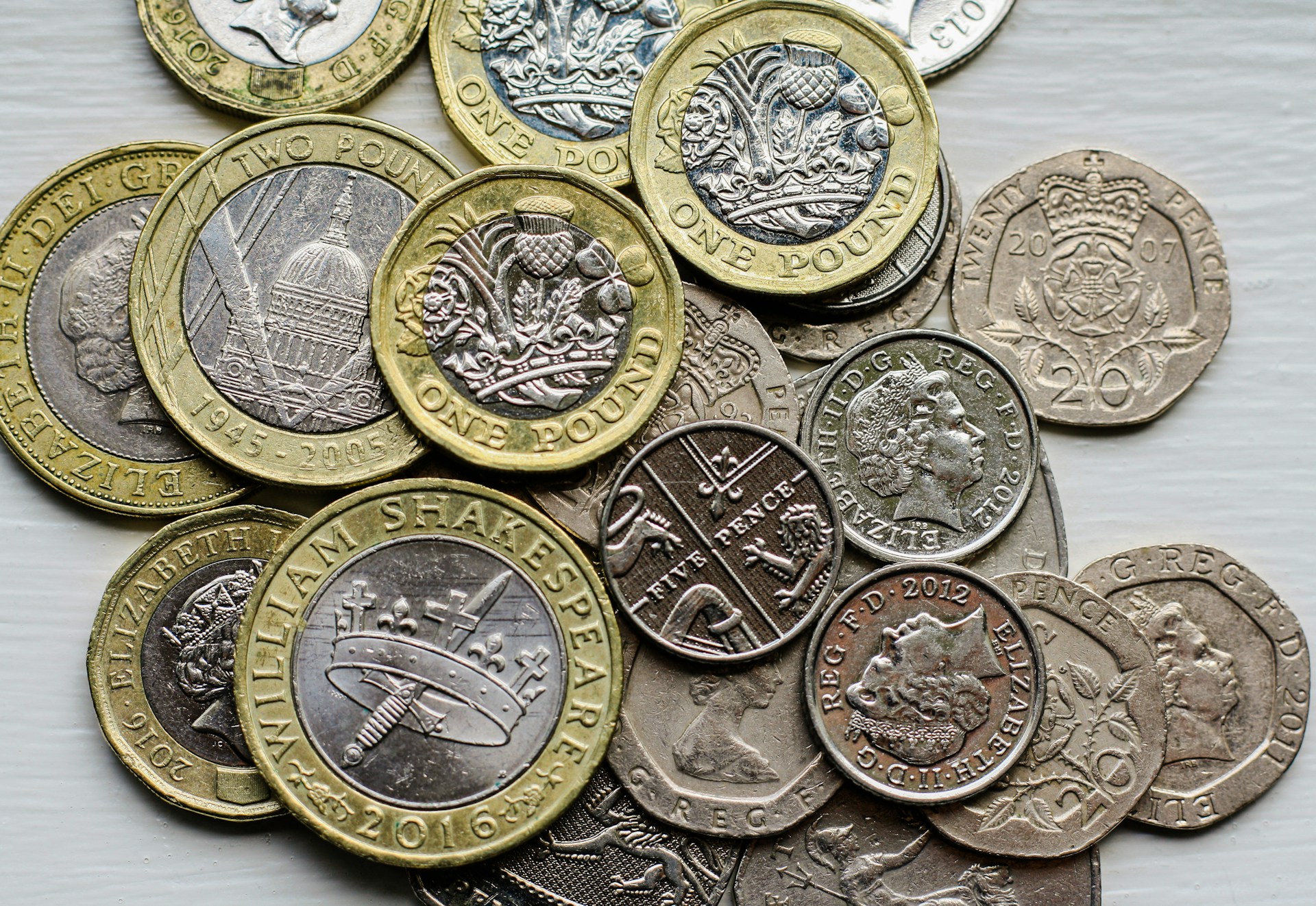
LONDON, June 5 – Brussels Morning Newspaper — UK Interest Rates remain the primary focus for investors as the British pound heads for a third consecutive weekly gain against the dollar. A period of relative stability in global oil prices has provided a soothing effect on persistent inflation concerns, allowing markets to recalibrate their expectations ahead of the upcoming monetary policy review.
Oil Markets Provide Stability
The recent performance of the currency is closely linked to the steadier tone in global energy markets. While the geopolitical landscape remains tense, the absence of fresh escalations has allowed Brent crude futures to hover near $95 a barrel. This relative calm has significantly reduced the immediate pressure on inflation expectations, providing a lift to sterling as it navigates a complex economic environment.
“The latest market moves suggest investors are still happy to chase riskier assets while taking profits from recent run-ups,”
noted analysts tracking the shift. By keeping energy costs from spiking further, the oil market has effectively lowered the immediate pressure on the Bank of England to maintain an aggressive policy stance.
Shift in Central Bank Outlook
A key driver of this week’s strength is a recent survey from the Bank of England, which indicated that British businesses are becoming more optimistic about price pressures. The survey suggests that firms expect to raise prices less aggressively in the year ahead compared to their forecasts in April.
This pivot is largely attributed to the gradual fading of the initial energy price shocks that followed the onset of the regional conflict. Investors have reacted positively to this news, as it provides a firmer basis for the central bank to hold borrowing costs steady when officials meet later this month. Money markets currently indicate that traders do not expect any rate hikes in the upcoming meeting, with potential shifts now pushed toward the autumn.
Economic Resilience and Risk
Sterling’s upward movement is not an isolated event but part of a broader trend involving other commodity-linked currencies. As global risk appetite has improved, traders have shown a greater willingness to allocate capital toward the pound, reflecting a collective move away from the “flight to safety” that dominated earlier months.
Despite this optimism, the domestic economic environment remains challenging. Recent data showed that British house prices unexpectedly dipped by 0.1% in May, leaving them just 0.5% higher than a year earlier. While this highlights lingering caution among consumers, the current resilience of the currency suggests that investors are more focused on the easing of broader inflationary headwinds than on local growth bottlenecks.
Market Context and Outlook
The broader UK market has also reflected this improved sentiment. Local indices outperformed many of their global counterparts as firms reported a noticeable ease in the inflationary pressures that had dominated the market narrative earlier in the spring.
While the volatility associated with the ongoing geopolitical tension remains a background factor, the market’s focus has clearly shifted toward the prospect of a more manageable inflation path. Should oil prices remain at current levels, the pressure on both the Bank of England and British consumers may continue to subside, offering a more stable foundation for the pound in the coming weeks.