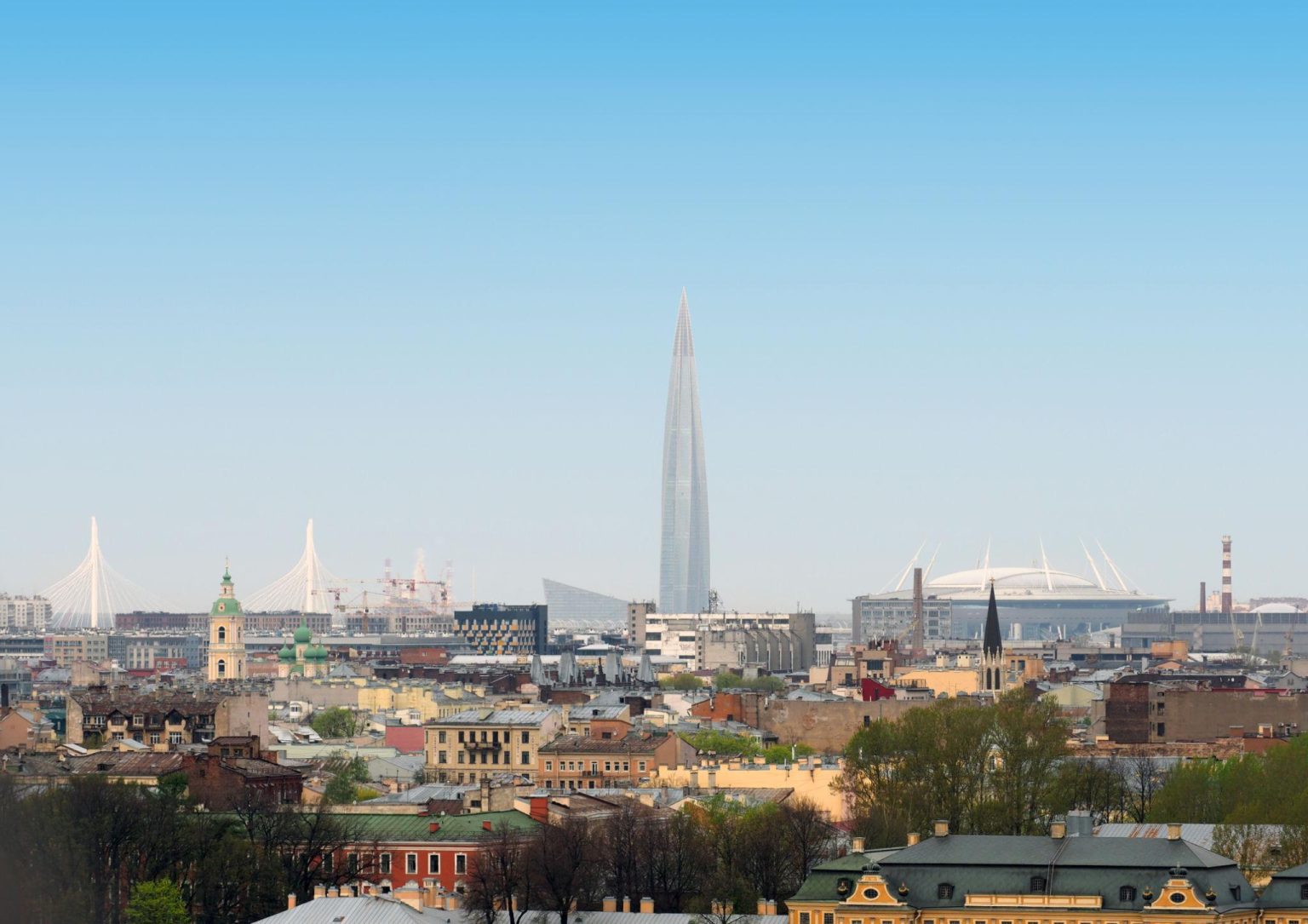
ST. PETERSBURG, Russia – June 1 – Brussels Morning Newspaper — Putin economic strategy is under renewed scrutiny as Russian President Vladimir Putin hosts the country’s flagship economic forum, often referred to as the “Russian Davos,” amid mounting questions about future growth. The annual gathering in St. Petersburg arrives at a time when Russia’s economy is navigating wartime pressures, labor shortages, inflation concerns, and the long-term effects of international sanctions.
Business leaders, government officials, investors, and foreign delegates gathered to discuss how Russia can maintain economic momentum after several years of relying heavily on government spending and defense-related industrial activity. While the Russian economy has demonstrated resilience, economists increasingly argue that sustainable growth will require new ideas, innovation, and private-sector investment.
“Economic strength is measured not only by resilience but by the ability to create new opportunities for future generations,”
one economic analyst said during forum discussions.
Russia Seeks New Sources of Growth
The central theme of this year’s forum revolves around finding new economic engines capable of supporting long-term expansion. Putin economic strategy has increasingly emphasized domestic production, technological development, infrastructure investment, and stronger trade relationships with non-Western markets.
Government officials argue that Russia has successfully adapted to significant geopolitical and economic changes over the past several years. However, many acknowledge that future growth may become more difficult without productivity improvements and increased private investment.
Several major initiatives discussed at the forum include manufacturing modernization, digital transformation projects, transportation upgrades, and investments in artificial intelligence technologies.
The objective is clear: create an economy capable of sustaining growth even as traditional economic advantages face increasing pressure.
Wartime Spending Continues to Support Economic Activity
One reason Russia has avoided a severe economic downturn is the significant level of government spending directed toward defense production and related industries. Factories producing military equipment, vehicles, electronics, and industrial materials have experienced increased demand.
Supporters of the current Putin economic strategy argue that government spending has helped maintain employment and industrial output while supporting economic stability.
However, some economists caution that reliance on wartime spending may not provide a permanent foundation for growth. Long-term prosperity typically depends on broader private-sector expansion, consumer confidence, innovation, and productivity gains.
The challenge facing policymakers is determining how to transition from emergency-driven growth toward a more balanced and sustainable economic model.
Labor Shortages Create New Challenges
Among the most significant concerns discussed at the forum is the growing shortage of skilled workers. Businesses across multiple industries report difficulties finding qualified employees, creating operational challenges and increasing labor costs.
Manufacturing companies, technology firms, transportation providers, and construction businesses have all highlighted workforce shortages as a major obstacle to expansion.
The issue has become an important component of Putin economic strategy, with officials discussing automation, workforce training programs, education initiatives, and productivity improvements as potential solutions.
Experts believe labor shortages could become one of the most important factors influencing Russia’s economic performance over the next several years.

Trade Partnerships Continue to Evolve
Another key topic at the St. Petersburg forum is the continued diversification of Russia’s international trade relationships.
Since facing restrictions from many Western economies, Russia has expanded commercial ties with countries across Asia, the Middle East, Africa, and Latin America. These partnerships have helped create alternative markets for exports and new sources of imports.
The evolving trade landscape plays a major role in Putin economic strategy, which seeks to reduce economic vulnerabilities while creating new opportunities for growth.
Delegates attending the forum discussed transportation corridors, energy cooperation, agricultural exports, and infrastructure projects designed to strengthen international commercial connections.
Many participants view these relationships as increasingly important to Russia’s long-term economic future.
Technology Development Moves to the Forefront
Technology and innovation have become major priorities as policymakers seek ways to improve economic efficiency and competitiveness.
Forum presentations focused heavily on artificial intelligence, software development, cybersecurity, robotics, and advanced manufacturing technologies. Officials believe these sectors can help drive future productivity gains while reducing dependence on foreign suppliers.
The emphasis on technology reflects a broader shift within Putin economic strategy toward self-sufficiency and domestic innovation.
Government support programs aimed at startups and technology companies have expanded in recent years, with policymakers hoping to accelerate the development of high-value industries capable of competing internationally.
“Innovation remains one of the most important drivers of economic growth in any modern economy,”
a business executive stated during a technology panel.
Infrastructure Projects Remain a Priority
Large-scale infrastructure investments continue to play a central role in Russia’s economic plans.
Officials highlighted ongoing projects involving rail networks, highways, ports, logistics hubs, and digital infrastructure systems. These developments are designed to improve transportation efficiency, support exports, and strengthen regional economic activity.
Infrastructure spending has become a cornerstone of Putin economic strategy because it creates jobs while improving the long-term productivity of the economy.
Business leaders attending the forum expressed support for continued investment in transportation and logistics networks, arguing that improved connectivity can help businesses access new markets and reduce operational costs.
Financial Stability and Inflation Remain Key Concerns
Maintaining economic stability remains one of the government’s most difficult balancing acts.
Inflation pressures, borrowing costs, and investment conditions were widely discussed throughout the forum. Policymakers face the challenge of encouraging growth while avoiding excessive inflation or financial instability.
Several speakers emphasized that confidence among businesses and consumers remains critical for future economic performance.
The success of Putin economic strategy may depend largely on the government’s ability to maintain stability while encouraging entrepreneurship, investment, and innovation.
Financial experts noted that predictable economic policies often play an important role in attracting long-term investment and supporting sustainable expansion.
Historical Perspective on Russia’s Economic Transformation
Russia’s economic forums have evolved significantly over the years. Originally focused on attracting foreign capital and promoting investment opportunities, the events have increasingly become platforms for discussing economic adaptation and strategic development.
The current focus reflects broader changes in the global economy and Russia’s position within it.
Today’s discussions are less about rapid expansion and more about resilience, modernization, and creating conditions for long-term growth despite external challenges.
This evolution illustrates how economic priorities have shifted from globalization-driven growth toward domestic development and diversified international partnerships.
Outlook Beyond 2026
As discussions continue in St. Petersburg, many observers believe Russia’s economic future will depend on its ability to generate new sources of productivity and investment.
While government spending has provided support during difficult periods, long-term success will likely require stronger private-sector growth, technological advancement, workforce development, and expanded international trade opportunities.
The forum demonstrates that policymakers recognize these challenges and are actively searching for solutions.
“The next stage of economic growth will depend on innovation, efficiency, and adaptability,”
one participant remarked.
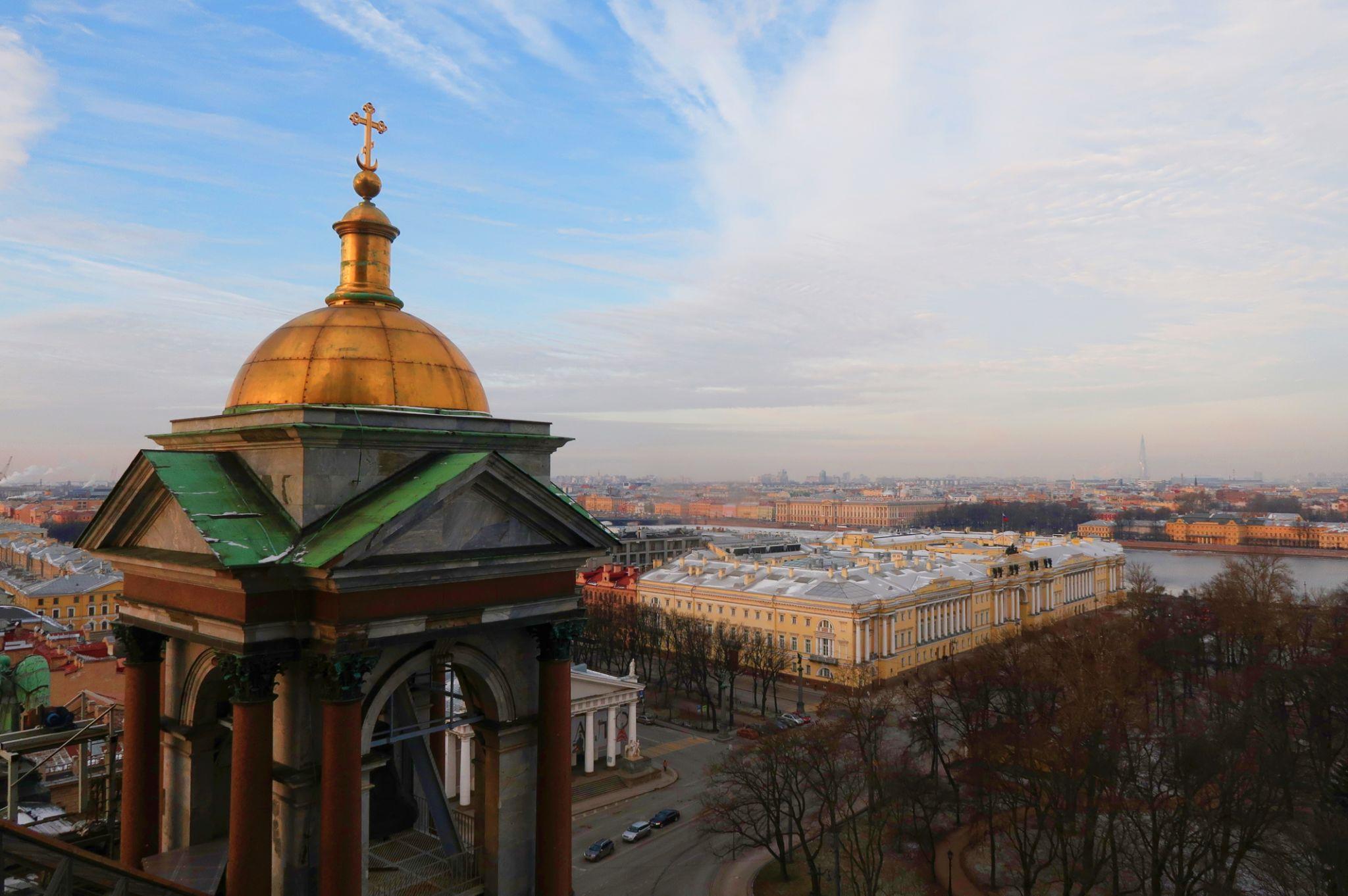
Russian Davos Highlights Economic Crossroads
The latest St. Petersburg economic forum underscores a pivotal moment for Russia’s future. Putin economic strategy is increasingly focused on balancing resilience with innovation as officials search for new growth opportunities beyond wartime spending.
From technology investment and infrastructure modernization to trade diversification and workforce development, the discussions reveal a growing recognition that future prosperity will require structural improvements across multiple sectors.
As Russia navigates an evolving economic landscape, the decisions made today could shape the country’s growth trajectory for years to come. For investors, businesses, and policymakers, the forum offers a clear message: sustaining economic momentum will require new ideas, new investments, and a renewed focus on long-term competitiveness.