

London, United Kingdom – May 7, 2026 – Brussels Morning Newspaper — quantum computing investment continues accelerating across global technology markets as governments, venture capital firms, and major corporations increase funding for advanced computing systems capable of transforming cybersecurity, artificial intelligence, scientific research, and semiconductor development. The rapid growth of investment activity reflects rising confidence that quantum technologies could become one of the most disruptive technological breakthroughs of the next decade.
- Venture Capital Firms Expand Quantum Funding
- Governments View Quantum Technology as Strategic Priority
- Semiconductor Industry Gains From Quantum Expansion
- Artificial Intelligence and Quantum Computing Continue Converging
- Quantum Startups Compete for Global Leadership
- Cybersecurity Concerns Increase Urgency
- Data Centers and Infrastructure Requirements Continue Growing
- Europe Expands Its Role in Advanced Computing
- Investors Remain Optimistic Despite Technical Challenges
- The Future of the Quantum Economy
- Key Takeaways From the Global Quantum Investment Boom
Technology analysts say the race to develop scalable quantum systems is no longer limited to research laboratories and academic institutions. Private companies and national governments are now competing aggressively to secure leadership positions within the future quantum economy.
Several major funding announcements throughout 2026 have highlighted how investors increasingly view quantum computing as a long-term strategic sector tied to economic competitiveness and national security.
“Quantum computing is evolving from a scientific experiment into a major global investment race,”
one technology strategist said during a recent European innovation summit.
Venture Capital Firms Expand Quantum Funding
Private investment firms continue increasing exposure to quantum computing startups despite ongoing technical challenges surrounding commercialization and scalability.
Venture capital groups are funding companies focused on quantum processors, quantum networking, cryptography, error correction systems, and next-generation semiconductor technologies.
Industry observers believe early investors hope to secure long-term positions in a market that could eventually reshape entire industries including finance, healthcare, logistics, energy, and defense.
The rapid expansion of quantum computing investment has also increased valuations for startups capable of demonstrating progress in processor stability, qubit performance, and scalable system architecture.
Several investment firms argue that quantum computing could follow growth patterns similar to artificial intelligence and cloud computing during their early development stages.
Analysts caution that commercial deployment remains years away in many areas, but investor optimism continues strengthening because of the technology’s transformative potential.
Governments View Quantum Technology as Strategic Priority
Governments worldwide are increasing support for quantum research programs as geopolitical competition surrounding advanced technologies intensifies.
The United States, China, the United Kingdom, Canada, Japan, and European Union members have all announced initiatives supporting quantum development during recent years.
Officials increasingly consider quantum computing strategically important for cybersecurity, encryption systems, defense applications, scientific innovation, and economic competitiveness.
Public funding programs are helping universities, research institutions, and private companies accelerate development of quantum processors and related technologies.
Several governments are also working to strengthen domestic semiconductor production tied to future quantum computing infrastructure.
Industry experts believe the countries capable of achieving leadership in quantum technologies may hold significant strategic advantages within the future digital economy.
Semiconductor Industry Gains From Quantum Expansion
The growing wave of quantum computing investment is also creating new opportunities within the semiconductor sector.
Several quantum computing companies are developing systems using silicon-based technologies compatible with traditional semiconductor manufacturing infrastructure.
Industry analysts believe leveraging existing chip fabrication methods could help accelerate commercialization while reducing long-term production costs.
Major semiconductor firms are increasingly exploring partnerships involving quantum processors, advanced chip materials, and next-generation computing systems.
The relationship between quantum computing and semiconductor innovation is becoming more important as artificial intelligence, cloud computing, and advanced analytics continue driving demand for higher-performance computing technologies.
Some analysts believe future semiconductor competition may increasingly involve quantum processing capabilities alongside conventional AI chip production.
Artificial Intelligence and Quantum Computing Continue Converging
The relationship between artificial intelligence and quantum computing is attracting growing investor attention throughout 2026.
Researchers believe future quantum systems may eventually improve machine learning performance, optimization modeling, and large-scale data analysis capabilities.
Several technology companies are exploring how quantum processors could complement AI infrastructure rather than replace traditional computing systems entirely.
Industry experts say the convergence between AI and quantum technologies could create new opportunities across healthcare research, financial modeling, logistics management, cybersecurity, and autonomous systems.
Technology investors increasingly view quantum computing as part of a broader transformation involving artificial intelligence, cloud infrastructure, semiconductors, and advanced automation.
The combination of these technologies may ultimately reshape global computing systems during the coming decades.
“Artificial intelligence and quantum computing may become deeply interconnected pillars of future technological innovation,”
one market analyst stated.
Quantum Startups Compete for Global Leadership
Competition among quantum computing startups continues intensifying as funding activity expands across international markets, with quantum computing investment remaining one of the fastest-growing segments of the global technology economy.
Companies throughout North America, Europe, and Asia are pursuing multiple technological approaches aimed at solving complex engineering challenges surrounding quantum stability and scalability. Analysts say rising quantum computing investment is helping startups accelerate research into next-generation processors and scalable computing architectures.
Some firms focus on superconducting circuits, while others pursue trapped ion systems, photonic technologies, or silicon transistor-based architectures. The growing diversity of projects demonstrates how global quantum computing investment is supporting multiple experimental pathways simultaneously.
The diversity of approaches reflects ongoing uncertainty regarding which technologies will ultimately prove most commercially viable. Despite these uncertainties, strong quantum computing investment continues flowing into startups capable of demonstrating improvements in processor reliability and operational efficiency.
Several startups have secured large funding rounds after demonstrating improvements in qubit reliability, processor coherence, and quantum error correction systems. Industry experts believe continued quantum computing investment could help accelerate breakthroughs that move the sector closer to large-scale commercial deployment.
Industry observers say the market remains highly experimental, with significant technical risks still facing many companies. However, ongoing quantum computing investment from governments and private investors suggests confidence in the sector’s long-term economic potential.
Strong funding momentum also indicates that quantum computing investment may remain a critical driver of innovation as nations and technology firms compete for future leadership in advanced computing systems.
Cybersecurity Concerns Increase Urgency
Cybersecurity remains one of the biggest factors driving quantum computing investment worldwide.
Experts warn that sufficiently advanced quantum systems could eventually break certain encryption methods currently protecting global financial systems, communications networks, and government infrastructure.
This possibility has accelerated research into quantum-resistant encryption standards designed to protect future digital systems from potential security threats.
Governments and technology firms are increasingly funding both quantum development and post-quantum cybersecurity initiatives simultaneously.
Several countries now consider quantum cybersecurity preparedness essential to national security planning.
Industry analysts believe concerns regarding future encryption vulnerabilities may continue accelerating quantum-related investments throughout the coming years.
Data Centers and Infrastructure Requirements Continue Growing
The expansion of quantum computing research is also increasing demand for specialized infrastructure and advanced data center technologies.
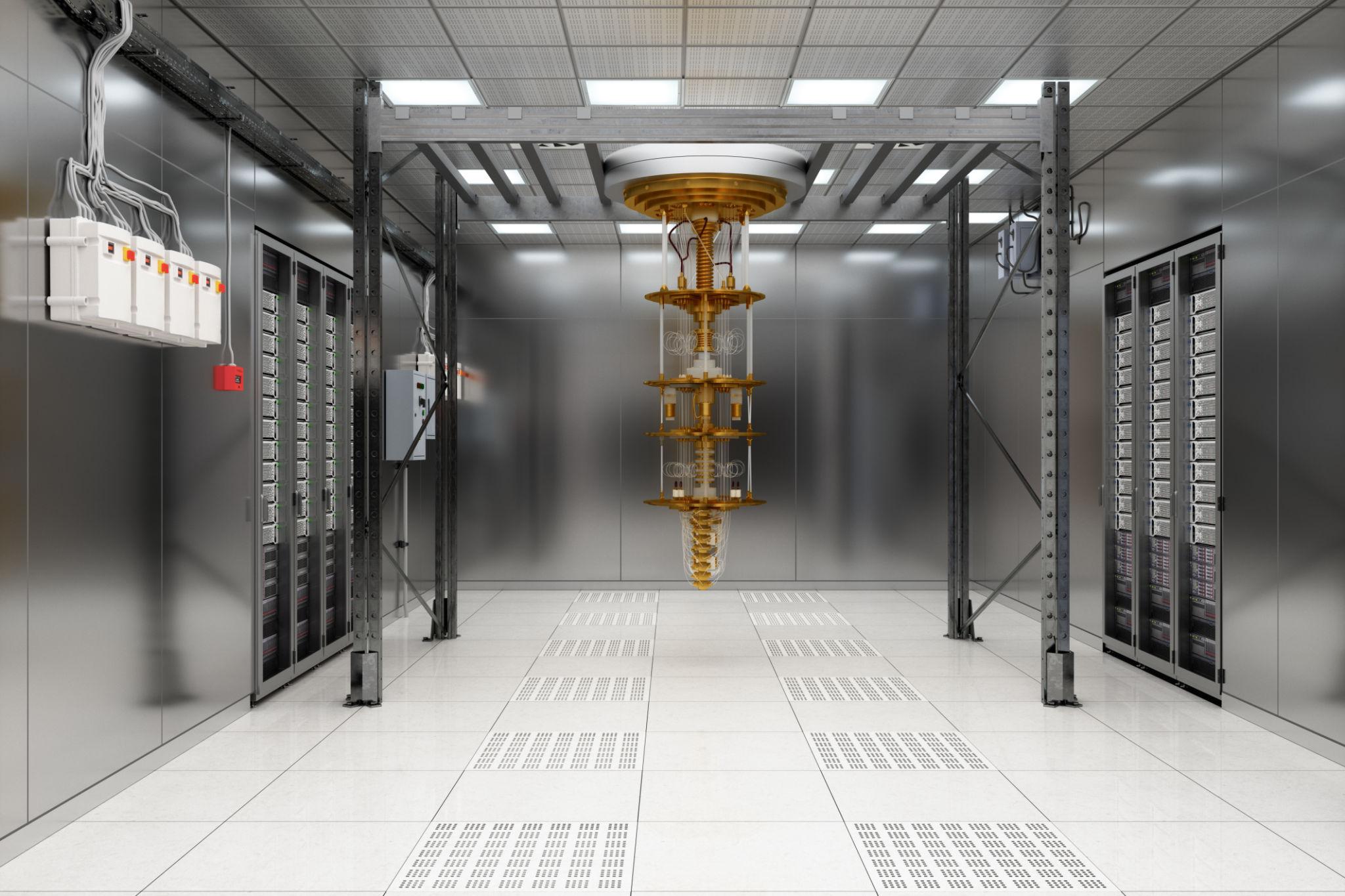
Quantum systems often require highly controlled environments involving extremely low temperatures, advanced cooling systems, and sophisticated hardware configurations.
Several companies are investing heavily in infrastructure capable of supporting future large-scale quantum operations.
The growing relationship between cloud computing and quantum research is also creating new opportunities for technology firms offering remote quantum access platforms.
Cloud providers increasingly view quantum computing services as potential future revenue streams tied to enterprise research and advanced analytics applications.
Analysts believe infrastructure development will remain one of the most important factors influencing the pace of future quantum commercialization.
Europe Expands Its Role in Advanced Computing
Europe continues strengthening its position within the global quantum technology sector through increased public and private investment.
European governments are supporting startups, research institutions, and semiconductor initiatives tied to advanced computing technologies.
The United Kingdom has emerged as a significant center for quantum research, while several European Union programs continue funding collaborative scientific projects involving quantum systems.
Officials hope stronger investment in emerging technologies can improve Europe’s competitiveness against American and Asian technology giants.
Industry experts believe regional cooperation within Europe may help accelerate innovation and strengthen long-term digital infrastructure development.
The continued growth of quantum computing investment across Europe reflects broader ambitions to build technological independence and economic resilience.
Investors Remain Optimistic Despite Technical Challenges
Despite rising enthusiasm, significant technical barriers still limit widespread commercial adoption of quantum systems.
Researchers continue working to improve qubit stability, error correction methods, scalability, and operational reliability.
Many industry experts caution that large-scale practical deployment may still require years of additional engineering breakthroughs.
Even so, investors remain optimistic because of the enormous long-term economic potential associated with successful quantum commercialization.
Several analysts compare current quantum investment trends to the early stages of the internet and artificial intelligence revolutions.
The willingness of investors to continue funding high-risk quantum research demonstrates growing belief that future breakthroughs could reshape multiple sectors of the global economy.
The Future of the Quantum Economy
The rapid rise of quantum computing investment is transforming the global technology landscape as nations and corporations compete for future computing leadership.
Quantum technologies remain in relatively early stages of development, but growing financial support continues accelerating research and infrastructure expansion.
Governments increasingly view quantum systems as strategically important to economic competitiveness, cybersecurity, defense modernization, and scientific innovation.
At the same time, private investors remain focused on the enormous commercial opportunities potentially tied to future quantum breakthroughs.
As investment activity continues expanding worldwide, the global race for quantum computing leadership is expected to intensify throughout the remainder of the decade.
Industry observers believe the next several years may determine which companies and nations emerge as dominant forces within the future quantum economy.

Key Takeaways From the Global Quantum Investment Boom
Quantum computing investment is accelerating rapidly as governments, venture capital firms, and technology companies expand funding for advanced computing research and infrastructure. Rising concerns surrounding cybersecurity, artificial intelligence, semiconductor competition, and economic competitiveness are driving strong global interest in quantum technologies. While major technical challenges remain, investor optimism continues growing as companies pursue scalable quantum architectures capable of transforming industries ranging from healthcare and finance to defense and logistics. Analysts increasingly believe quantum computing could become one of the defining technological revolutions of the coming decades.