CAMBRIDGE, United Kingdom – June 2 – Brussels Morning Newspaper — Microsoft AI innovations remain a major focus within the global technology sector as new discussions emerge regarding artificial intelligence infrastructure, cloud computing, and semiconductor exports. Attention increased after Arm Holdings CEO Rene Haas stated that the United States would face significant challenges if it attempted to broadly ban AI CPU chip exports to China.
- AI Infrastructure Becomes a Strategic Priority
- Arm CEO Highlights Challenges of Export Restrictions
- Cloud Computing Continues Supporting AI Expansion
- Enterprise Adoption Accelerates Across Industries
- Historical Perspective on AI and Computing Innovation
- Semiconductor Demand Continues Rising
- Global Competition Shapes Future AI Development
- Outlook for Artificial Intelligence Markets
The comments highlight the growing complexity of the global technology ecosystem, where artificial intelligence development depends on advanced processors, cloud infrastructure, software platforms, and international supply chains. As businesses continue investing heavily in AI capabilities, policymakers are increasingly evaluating how export controls could affect innovation and competition.
Industry analysts believe Microsoft AI innovations reflect a broader movement toward AI-driven productivity, enterprise automation, and intelligent computing solutions.
“Artificial intelligence is becoming one of the most important technologies shaping the global economy.”
AI Infrastructure Becomes a Strategic Priority
The rise of Microsoft AI innovations comes as organizations increasingly rely on advanced computing resources to support artificial intelligence applications. AI models require substantial processing power, creating strong demand for sophisticated semiconductors and cloud services.
Technology leaders argue that innovation depends on access to global markets, research partnerships, and scalable infrastructure. The semiconductor industry has become a critical foundation supporting artificial intelligence development across multiple sectors.
As governments consider policy changes, businesses remain focused on maintaining access to technologies that drive innovation and economic growth.
Arm CEO Highlights Challenges of Export Restrictions
The latest discussion began when Arm’s chief executive suggested that broad restrictions on AI CPU chip exports could be difficult to implement effectively.
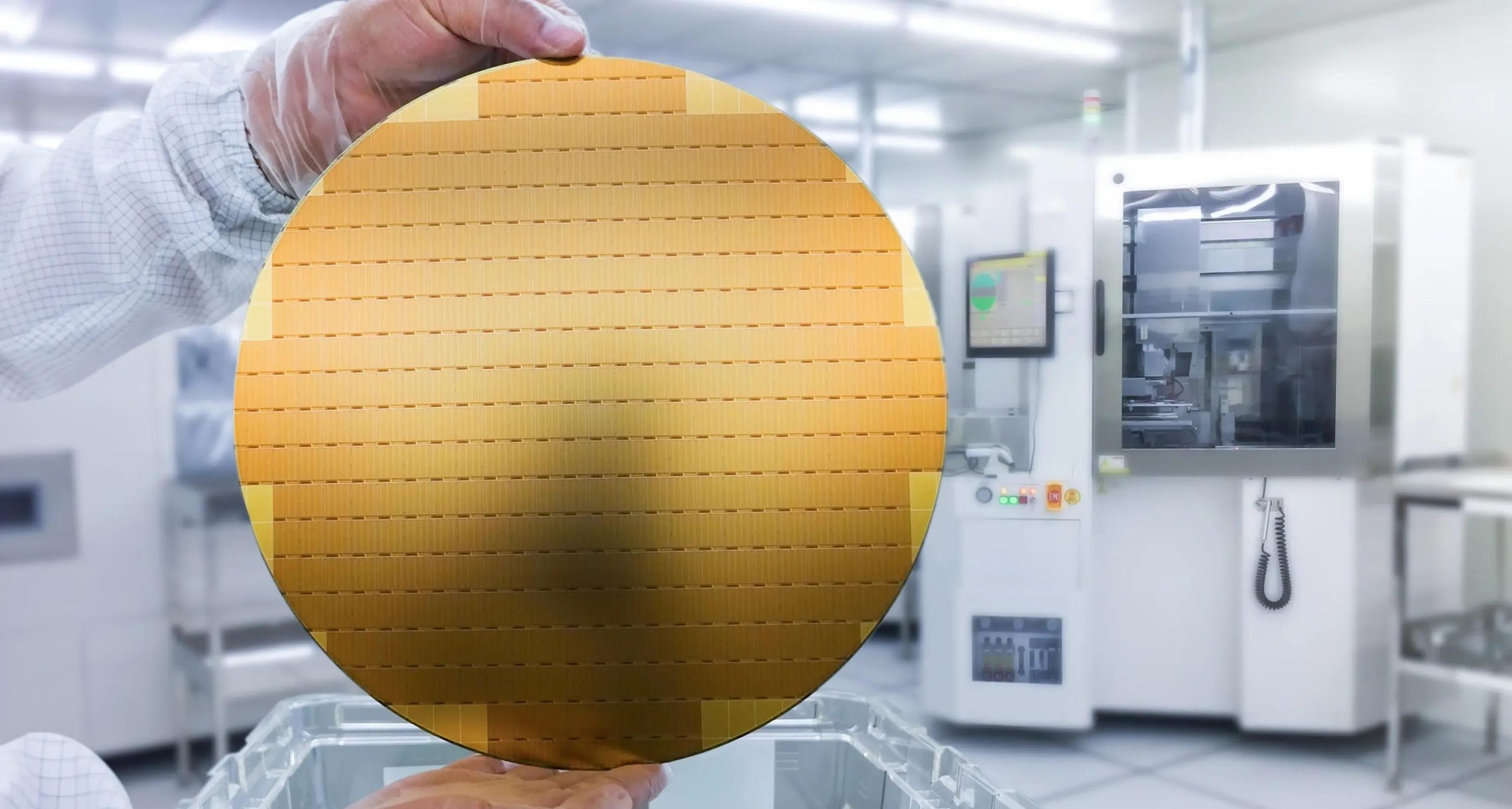
The debate intersects with Microsoft AI innovations because advanced processors play a vital role in powering AI applications, cloud platforms, and enterprise solutions. Modern AI systems depend on high-performance chips capable of processing large volumes of information quickly and efficiently.
Industry observers note that semiconductor supply chains involve multiple countries, making comprehensive restrictions increasingly complex.
“Global technology ecosystems have become deeply interconnected through research, manufacturing, and software development.”
Cloud Computing Continues Supporting AI Expansion
One reason Microsoft AI innovations continue attracting attention is the company’s emphasis on cloud-based artificial intelligence services.
Cloud platforms provide organizations with access to scalable computing resources, allowing businesses to deploy AI applications without building extensive infrastructure. These services support automation, data analytics, cybersecurity, and enterprise productivity.
Analysts believe cloud computing will remain one of the most important drivers of artificial intelligence adoption during the coming decade.
The growth of AI services has also increased demand for advanced processors and data center investments.

Enterprise Adoption Accelerates Across Industries
Businesses worldwide continue embracing AI-powered technologies to improve efficiency and competitiveness.
The expansion of Microsoft AI innovations reflects broader efforts to integrate artificial intelligence into workplace operations. Companies are using AI tools to automate routine tasks, enhance customer experiences, strengthen cybersecurity, and generate business insights.
Industry forecasts indicate that enterprise AI spending will continue growing as organizations seek productivity gains and operational improvements.
Technology providers are responding by developing increasingly sophisticated AI solutions tailored to specific industry needs.
Historical Perspective on AI and Computing Innovation
Historical Cycles of Technology Evolution
| Period | Technology Trend | Business Impact |
|---|---|---|
| 1980s | Personal Computing | Workplace Digitization |
| 1990s | Internet Expansion | Global Connectivity |
| 2000s | Cloud Computing | Scalable Infrastructure |
| 2010s | Mobile Technology | Constant Accessibility |
| 2020s | Artificial Intelligence | Intelligent Automation |
The current wave of Microsoft AI innovations represents the latest stage in a decades-long progression of technological advancement that continues reshaping business operations and consumer experiences.
Semiconductor Demand Continues Rising
As artificial intelligence adoption increases, demand for advanced semiconductor technology continues expanding.
The growth of Microsoft AI innovations and similar initiatives across the technology industry is driving investment in processor development, data centers, and cloud infrastructure. AI workloads require significant computational resources, making semiconductor availability increasingly important.
Industry experts expect processor demand to remain strong as organizations deploy more sophisticated AI applications.
This trend underscores the strategic importance of semiconductor manufacturing and supply chain resilience.
Global Competition Shapes Future AI Development
Competition among technology companies and governments is influencing the future direction of artificial intelligence.
The expansion of Microsoft AI innovations occurs within a highly competitive environment where organizations seek leadership in cloud computing, AI software, and advanced infrastructure. Policymakers are balancing economic interests, national security concerns, and innovation objectives.
Technology leaders generally agree that continued research and investment will be essential for maintaining competitiveness in rapidly evolving markets.
Future developments are expected to focus on efficiency, security, scalability, and responsible AI deployment.

Outlook for Artificial Intelligence Markets
Analysts remain optimistic regarding long-term AI growth prospects.
The continued advancement of Microsoft AI innovations demonstrates how artificial intelligence is becoming increasingly integrated into business operations and digital services. Organizations are investing heavily in AI technologies capable of delivering measurable productivity improvements.
While policy discussions regarding chip exports may continue, most experts believe innovation and market demand will remain primary growth drivers.
Artificial intelligence is expected to remain one of the most influential technology sectors throughout the remainder of the decade.