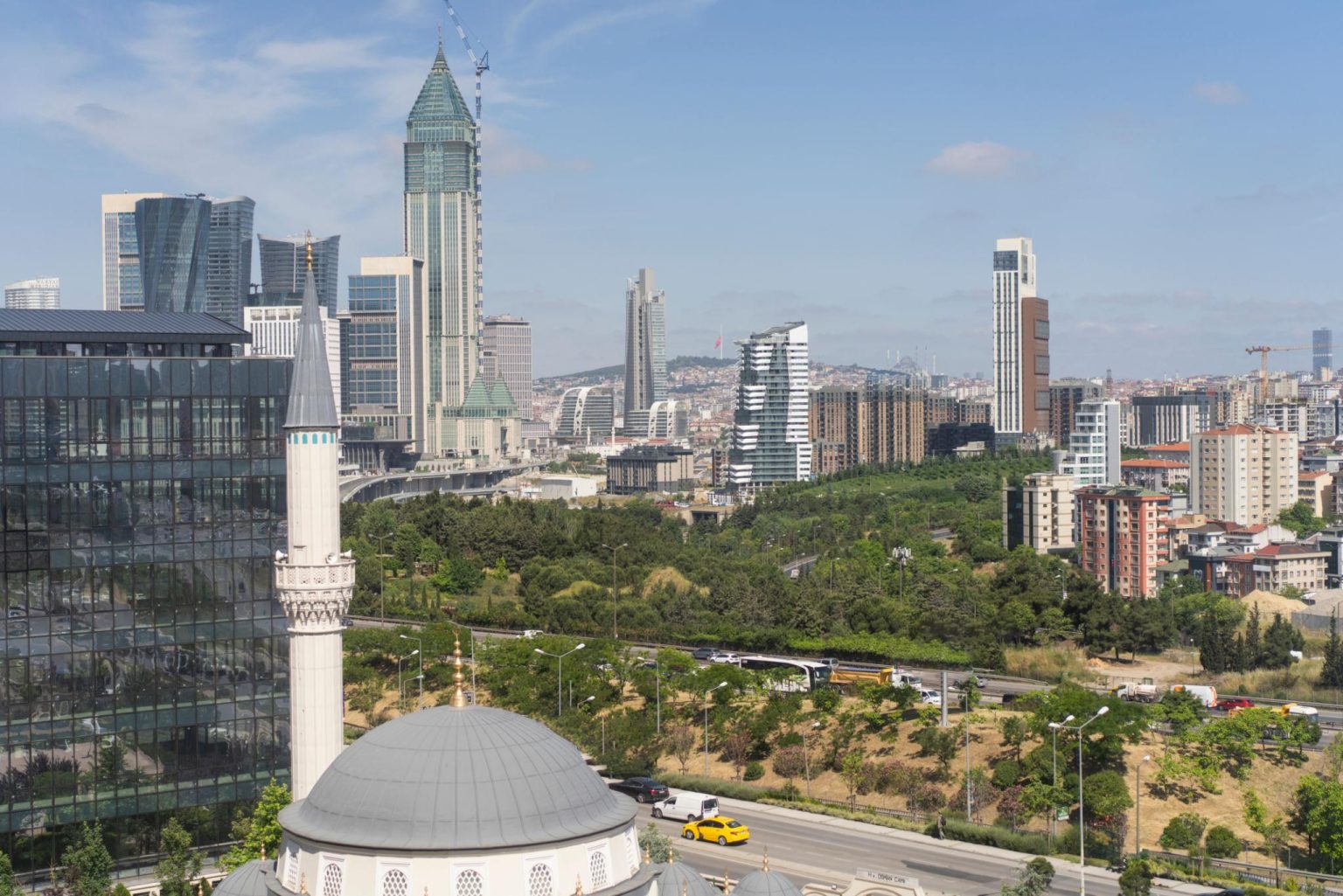
Istanbul, Turkey – May 21 – Brussels Morning Newspaper — Turkey financial crisis concerns intensified in 2026 after major volatility struck Turkish financial markets following a controversial court ruling involving opposition political figures. Trading activity on Turkey’s stock exchange was temporarily halted while government bond prices dropped sharply, increasing fears about economic stability and investor confidence.
- Data Snapshot Section
- Stock Market Volatility Raises Investor Concerns
- Bond Markets Reflect Growing Economic Stress
- Currency Stability Remains Under Pressure
- Political Tensions Continue Influencing Markets
- Foreign Investors Reevaluate Risk Exposure
- Trading Halts Used During Extreme Volatility
- History of Turkey’s Economic Market Cycles
- Historical Trends in Turkish Financial Markets
- Banking Sector Faces Additional Market Pressure
- Inflation Concerns Continue Affecting Consumers
- Global Markets Closely Watching Turkey
- Economic Outlook Remains Uncertain
Financial analysts said the sudden market reaction reflected broader concerns surrounding inflation, political uncertainty, and pressure on Turkey’s currency markets. Investors quickly reduced exposure to Turkish assets as uncertainty spread across equities, bonds, and banking shares.
The latest developments added to ongoing concerns surrounding the country’s economic direction and ability to maintain stable foreign investment flows during a period of global financial uncertainty.
One international economist stated:
“Political confidence and economic stability are deeply connected in emerging markets like Turkey.”
Data Snapshot Section
| Category | Details |
|---|---|
| Country | Turkey |
| Main Event | Market volatility |
| Financial Impact | Bond declines |
| Investor Reaction | Increased caution |
| Key Concern | Political instability |
| Currency Pressure | Rising |
| Major Financial Hub | Istanbul |
| Year | 2026 |
Stock Market Volatility Raises Investor Concerns
The latest market selloff significantly increased attention on the growing Turkey financial crisis narrative among international investors and economic analysts.
Trading activity became highly volatile after political tensions escalated, causing sharp declines across banking, industrial, and financial shares.
Experts said investors remain concerned about:
- Inflation pressures
- Currency instability
- Political uncertainty
- Foreign capital outflows
- Central bank credibility
Several large institutional investors reportedly reduced positions in Turkish assets following the market shock.
One global investment strategist commented:
“Markets react quickly when investors fear uncertainty surrounding governance and financial stability.”
Bond Markets Reflect Growing Economic Stress
Turkish government bonds experienced heavy selling pressure as investors reassessed economic risks tied to political developments.
Analysts explained that bond markets often serve as a critical indicator of long-term investor confidence during periods of uncertainty.
The latest Turkey financial crisis concerns pushed borrowing costs higher while increasing pressure on government financing conditions.
Economists warned that rising financial instability could affect:
- Lending conditions
- Inflation expectations
- Currency performance
- Consumer confidence
Financial institutions are expected to monitor government responses closely in the coming weeks.

Currency Stability Remains Under Pressure
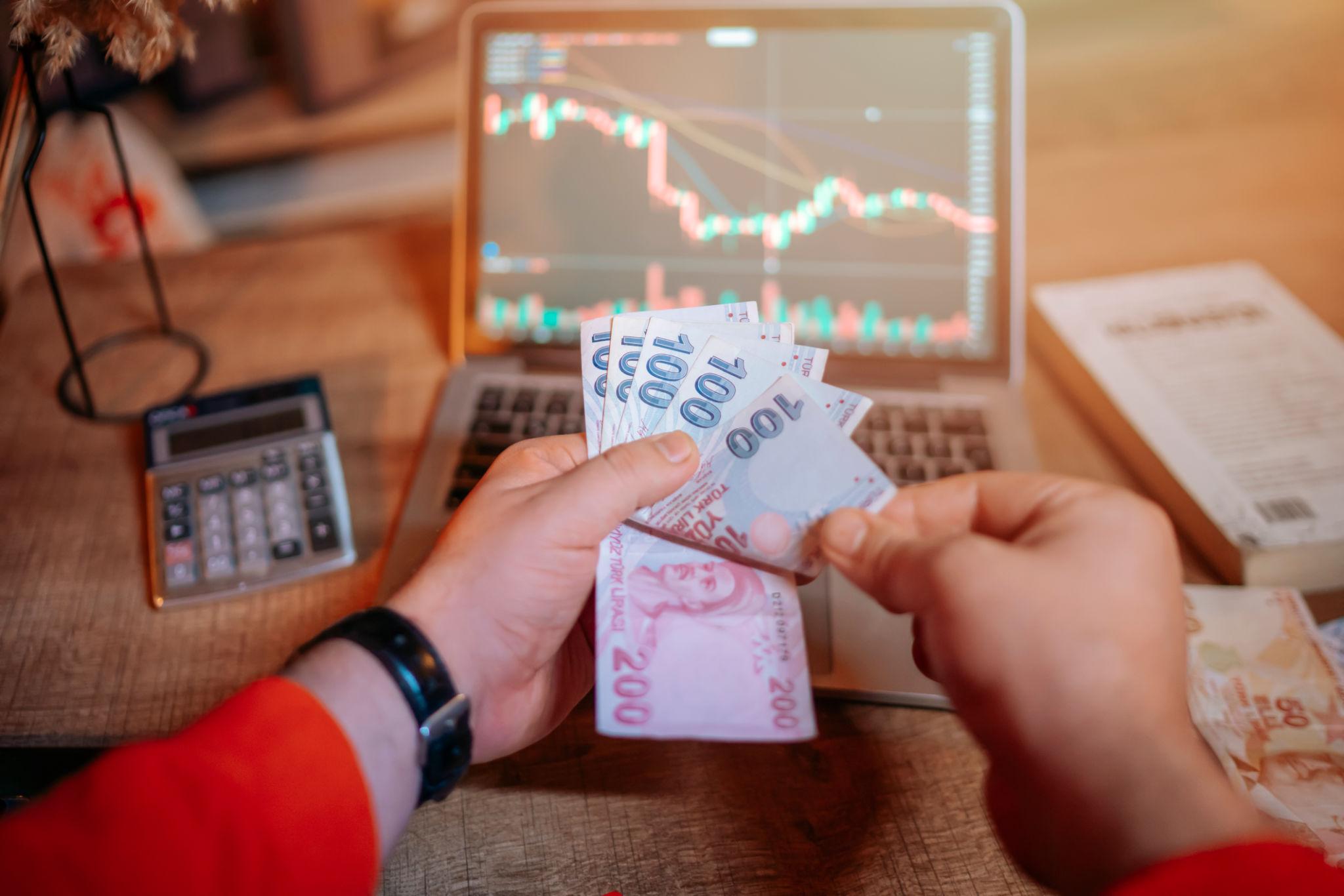
Turkey’s currency markets remain one of the most closely watched areas of the economy. Analysts say exchange-rate stability is critical for controlling inflation and maintaining investor trust.
The latest Turkey financial crisis fears increased speculation regarding additional pressure on the Turkish lira as markets reacted negatively to the political developments.
Currency instability can create wider economic problems including:
- Higher import costs
- Rising consumer prices
- Reduced purchasing power
- Increased debt servicing costs
Economists believe stable monetary policy will remain essential for calming financial markets.
Political Tensions Continue Influencing Markets
Political developments have played an increasingly important role in shaping Turkey’s financial performance over recent years.
Investors closely monitor court decisions, government policies, and institutional stability because they directly influence confidence levels within emerging markets.
The recent Turkey financial crisis fears demonstrate how quickly political uncertainty can affect financial conditions and investor sentiment.
A regional economic analyst stated:
“Markets seek predictability. Political uncertainty often increases risk premiums and reduces investment appetite.”
Foreign Investors Reevaluate Risk Exposure
International investors remain cautious toward Turkey due to ongoing economic and political challenges.
Foreign capital flows are important because Turkey depends heavily on external financing and international investor participation within its financial markets.
The growing Turkey financial crisis discussion may increase hesitation among global funds considering exposure to Turkish assets.
Analysts say investors continue evaluating risks connected to:
- Inflation management
- Central bank independence
- Legal stability
- Economic reform efforts
Several global financial firms are reportedly reviewing their emerging-market investment strategies following the latest developments.
Trading Halts Used During Extreme Volatility
Temporary market trading halts are commonly used worldwide to slow panic selling during periods of extreme volatility.
The recent Turkey financial crisis market reaction triggered automatic exchange protections designed to stabilize trading conditions and reduce disorderly price movements.
Experts say trading pauses provide:
- Time for investors to reassess conditions
- Reduced panic-driven decisions
- Improved market order stability
Such measures are frequently used during major political, economic, or geopolitical events impacting financial markets.
History of Turkey’s Economic Market Cycles
Historical Trends in Turkish Financial Markets
Turkey’s economy has experienced multiple periods of growth, volatility, and financial restructuring over the past several decades.
Historical Cycles Table
| Period | Major Event | Economic Impact |
|---|---|---|
| Early 2000s | Economic reforms | Investor confidence improved |
| 2008 | Global financial crisis | Market volatility increased |
| 2018 | Currency crisis | Sharp lira depreciation |
| Early 2020s | Inflation surge | Consumer costs increased |
| 2025 | Investment recovery efforts | Partial market stabilization |
| 2026 | Political market shock | Renewed financial concerns |
Experts say the latest Turkey financial crisis concerns reflect how sensitive emerging markets remain to political and economic instability.
Banking Sector Faces Additional Market Pressure
Turkey’s banking sector remains highly vulnerable during periods of market instability because of its direct exposure to interest rates, lending activity, and foreign financing conditions.
Several financial institutions reportedly experienced sharp share-price declines during the latest selloff.
The growing Turkey financial crisis fears increased concerns over:
- Credit conditions
- Loan growth
- Banking liquidity
- Foreign borrowing costs
Analysts often view banking-sector performance as an early warning sign for broader economic conditions.
Inflation Concerns Continue Affecting Consumers
Inflation remains one of the most significant economic challenges facing Turkish households and businesses.
Economists warn that continued financial instability tied to the Turkey financial crisis could place additional pressure on:
- Food prices
- Fuel costs
- Housing expenses
- Consumer purchasing power
Higher inflation can also weaken consumer confidence and reduce economic growth momentum.
Authorities are expected to face increasing pressure to stabilize markets while controlling inflation risks.
Global Markets Closely Watching Turkey
International financial markets continue monitoring Turkey because instability within large emerging economies can influence broader regional investor sentiment.
Global institutions are evaluating how the latest Turkey financial crisis developments could affect:
- Emerging-market investment flows
- Regional banking exposure
- Currency market volatility
- Trade relationships
Several analysts said future market direction will likely depend on whether authorities can restore confidence quickly through clear policy communication and economic stability measures.
Economic Outlook Remains Uncertain
Turkey’s economy continues facing significant challenges involving inflation control, investor confidence, and political stability.
Economists say restoring confidence may require:
- Stable monetary policy
- Clear economic reforms
- Strong institutional credibility
- Predictable legal systems
The latest Turkey financial crisis concerns may continue influencing financial markets until investors gain greater clarity regarding Turkey’s political and economic direction.