US Taiwan Arms Sale Sparks China’s Fierce Warning
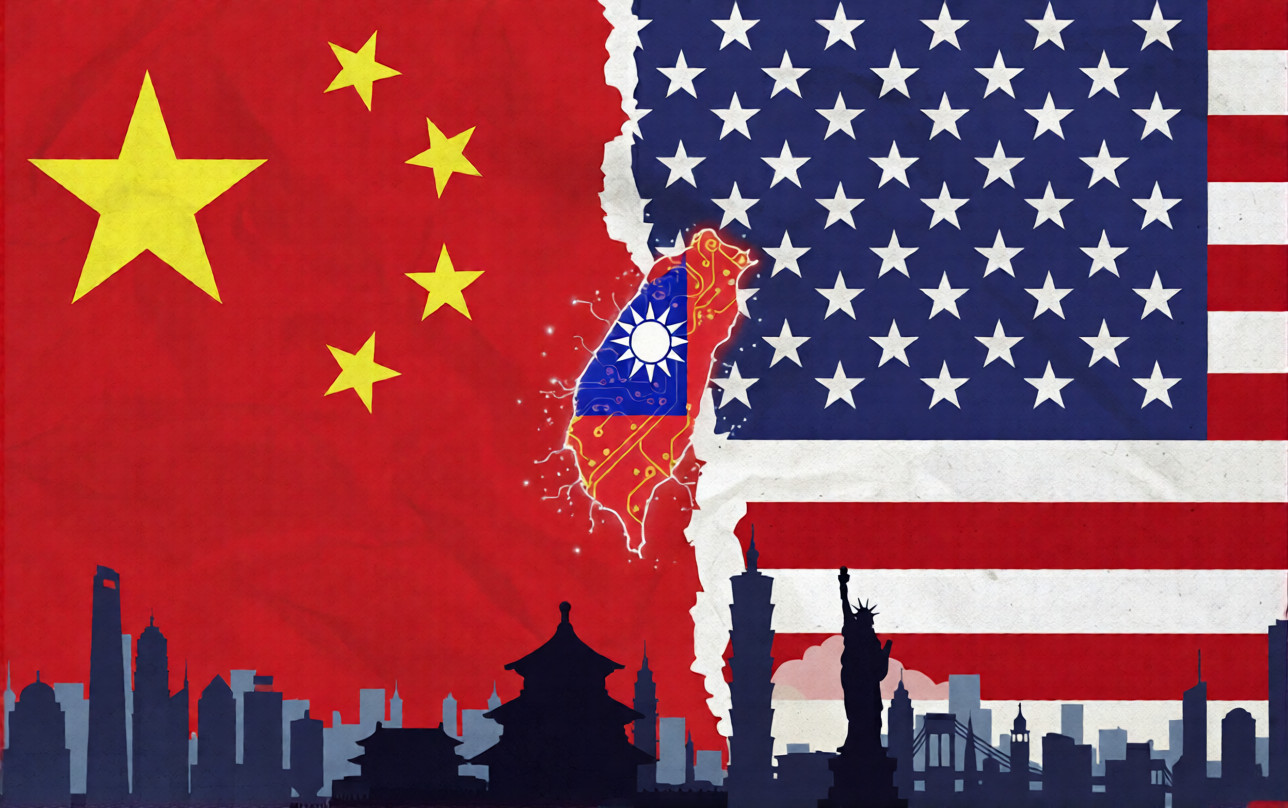
The recent Taiwan arms package has sharply intensified tensions between the United States and China, marking a new chapter in the ongoing geopolitical rivalry over the Taiwan Strait. The announcement of this military support deal, which includes advanced weaponry and defense systems, has drawn strong criticism from Beijing, further complicating already strained diplomatic relations.
What the Taiwan Arms Package Includes
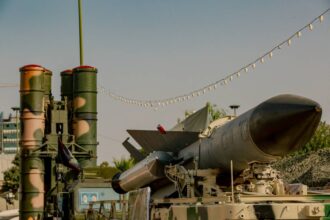
Approved by the US Department of State, the latest arms package provides Taiwan with a combination of sophisticated defense equipment designed to bolster its deterrence capabilities. Open sources suggest the package includes missile defense systems, upgraded fighter aircraft, and coastal defense weapons. These enhancements aim to strengthen Taiwan’s ability to defend itself against potential aggression from China.
US officials emphasize that the package aligns with the Taiwan Relations Act, which mandates continued American support for Taiwan’s self-defense. The move reflects Washington’s commitment to maintaining peace and stability in the Indo-Pacific amid rising regional security concerns.
Strategic Importance of Taiwan
Taiwan occupies a pivotal position in East Asia, sitting at the crossroads of major sea lanes and serving as a global hub for semiconductors and technology. Its security is a key concern for Taipei and major global powers wary of shifts in regional power balances.
China considers Taiwan a breakaway province and has long sought reunification, by force if necessary. Meanwhile, the US, maintaining its “One-China” policy, continues to support Taiwan’s defense to deter unilateral changes to the status quo.
Beijing’s Response
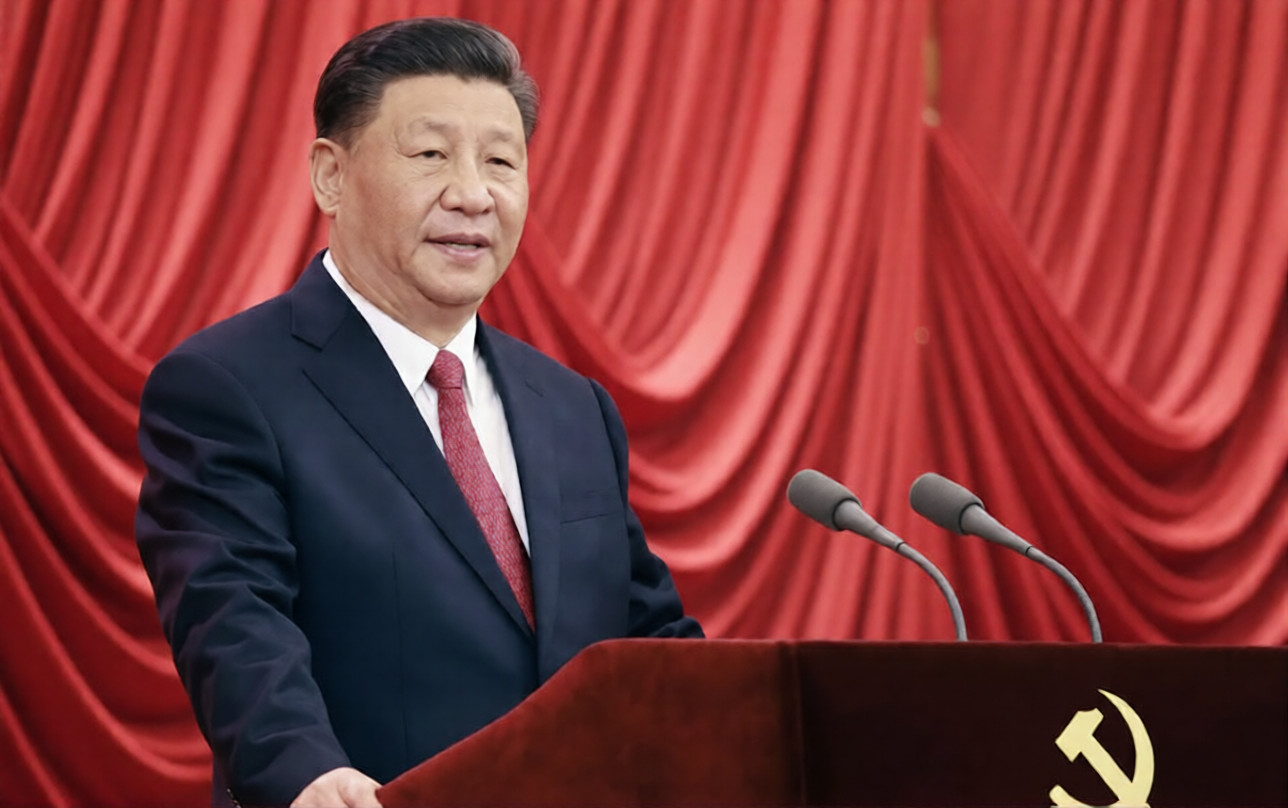
China reacted swiftly and strongly, condemning the arms sale as a violation of its sovereignty and a threat to peace in the Taiwan Strait. Officials warned of “necessary countermeasures” to protect territorial integrity. Chinese analysts suggest that further US arms support could trigger increased militarization and heighten the risk of an arms race in East Asia.
US Position and Justification
From Washington’s perspective, the arms package is purely defensive, designed to maintain a credible deterrent against Chinese military pressure. US officials stress that supporting Taiwan is essential for regional stability, freedom of navigation, and American strategic interests in the Indo-Pacific. Secretary of State and Pentagon representatives reiterated that the US seeks a peaceful resolution to Taiwan-related issues while ensuring the island’s security.
Impact on US-China Relations
The announcement of the new arms package marks a significant escalation in the already volatile US-China relationship. Tensions have grown over trade, technology, and strategic competition, with Taiwan remaining one of the most sensitive flashpoints. Diplomatic exchanges have intensified, with China accusing the US of interference and American lawmakers warning that failing to support Taiwan could embolden Beijing.
Regional Implications
Neighboring countries, including Japan, South Korea, and Australia, are closely monitoring the situation. Southeast Asian nations stress the need for dialogue while avoiding taking sides. Escalating tensions risk disrupting trade routes, energy supplies, and regional economic stability.
Taiwan’s Perspective
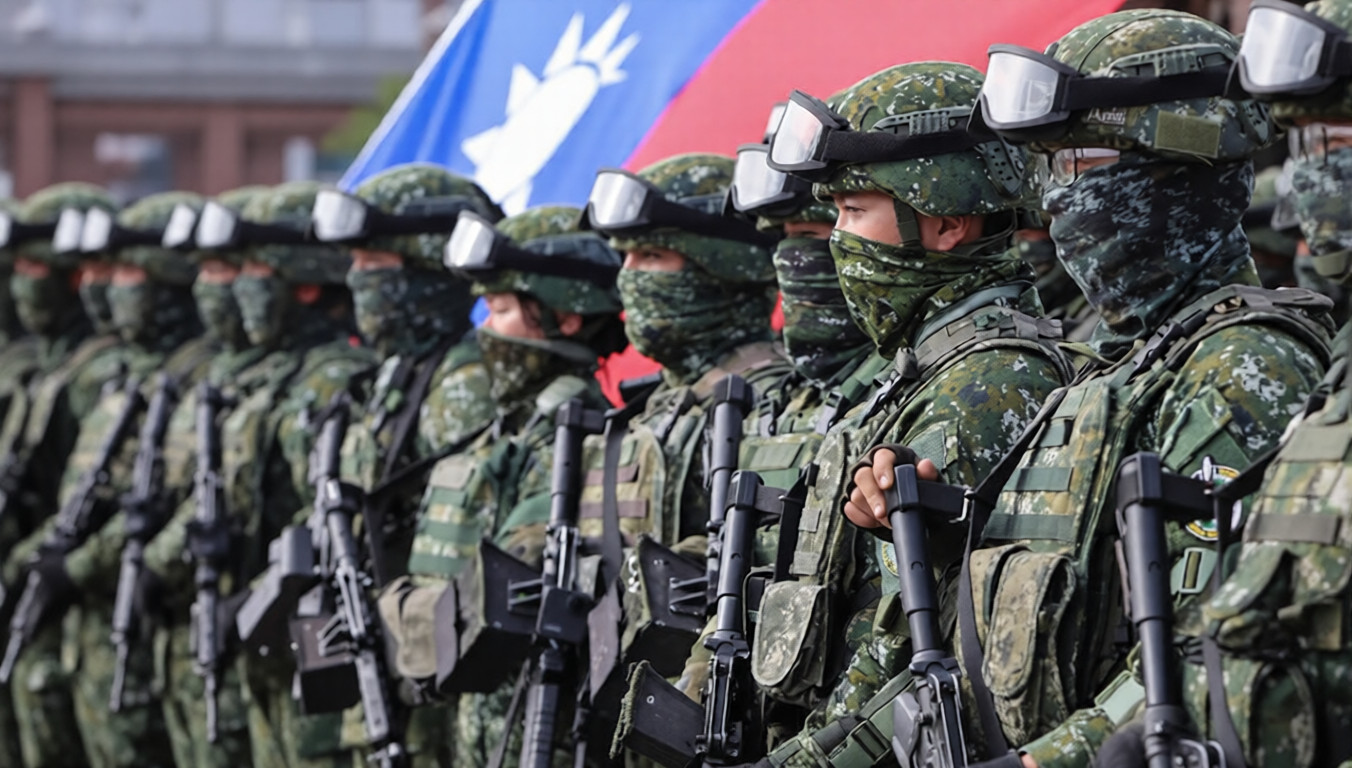
For Taiwan, the arms package provides reassurance amid growing threats from Beijing. Taiwanese officials view it as a demonstration of international solidarity, reinforcing their defense posture and providing critical support for maintaining democratic governance under the shadow of potential conflict.
Global Reactions
Internationally, the arms deal has drawn attention from NATO, the UN, and European nations. While some praise the US for countering Chinese assertiveness, others warn that it may deepen divisions and hamper peace efforts. The situation highlights the challenges of balancing sovereignty, strategic competition, and peaceful coexistence in a multipolar world.
Balancing Militarization and Peace
While the package enhances Taiwan’s defense, it risks fueling regional militarization. China’s likely response may increase alertness and risk of conflict, but a robust defense could also encourage peaceful negotiations. The path forward depends on diplomacy, crisis communication, and restraint from all parties.
The Taiwan arms package underscores the delicate and complex US-China-Taiwan dynamic. It strengthens Taiwan’s defense and supports US regional strategy but also risks heightened tensions and potential conflict. Managing this situation requires careful diplomacy, engagement from regional and global actors, and a shared commitment to peace. As the world watches, the Taiwan Strait remains a critical flashpoint with far-reaching implications for international security.