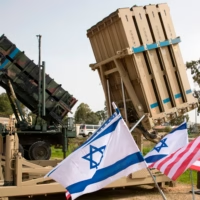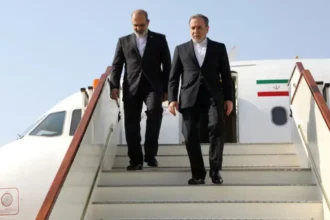

Tehran, Iran, January 2026, According to Brussels Morning Newspaper that Iran defense readiness has become a defining feature of the country’s national security narrative as authorities emphasize preparedness amid evolving regional dynamics.indicates that senior officials continue to frame military posture as defensive, structured, and aimed at deterrence rather than escalation. The emphasis on readiness reflects broader concerns about stability in the Middle East and the importance of maintaining internal confidence during periods of uncertainty.
Iran’s leadership views preparedness as a long-term strategic necessity. In a region marked by volatility, consistent readiness messaging is intended to signal resilience while reassuring the public that institutions remain functional and vigilant.
National Security Environment in 2026
The regional environment surrounding Iran in 2026 remains complex. Conflicts, diplomatic standoffs, and shifting alliances continue to influence defense planning. Within this context, Iran defense readiness is presented as a stabilizing factor rather than a provocation. Officials argue that clarity about defensive capability reduces the risk of miscalculation by external actors.
Security analysts note that the Middle East’s interconnected nature means that developments in one area can quickly affect others. As a result, maintaining preparedness is viewed as a safeguard against sudden escalation.
Military Doctrine and Strategic Philosophy
At the core of Iran defense readiness lies a doctrine focused on deterrence and territorial defense. Military planners emphasize that preparedness is designed to protect sovereignty and critical infrastructure. The doctrine prioritizes readiness across multiple domains including land, air, maritime, cyber, and civil defense.
This approach reflects continuity rather than change. Analysts observe that Iran’s defense philosophy has consistently stressed resilience and self-reliance, particularly in response to external pressure.
Institutional Structure and Coordination
Effective Iran defense readiness depends on coordination among military branches and security institutions. Officials highlight unified command structures, joint planning mechanisms, and integrated communication systems that allow rapid response. Coordination extends beyond armed forces to include emergency services and infrastructure authorities.
Defense planners stress that preparedness is systemic. Logistics, intelligence, and maintenance are considered as vital as frontline capability. This comprehensive approach is intended to sustain operations over extended periods if required.

Training Programs and Operational Drills
Training remains a visible element of Iran defense readiness in 2026. Regular exercises are conducted across varied geographic environments to test response capabilities. These drills simulate a range of scenarios, from conventional defense to crisis management.
Observers note that training programs also serve a signaling function. Public acknowledgment of drills communicates preparedness without revealing sensitive operational details. This balance between transparency and security is carefully managed.
Technological Capabilities and Modern Defense Tools
Technological development plays an increasing role in Iran defense readiness. Officials reference advancements in monitoring systems, command and control platforms, and defensive equipment. Emphasis is placed on domestic innovation to reduce dependency and increase resilience.
Defense technology experts note that investment in indigenous systems enhances adaptability. By tailoring solutions to local conditions, planners aim to address specific vulnerabilities.
Economic Considerations and Defense Spending
Maintaining Iran defense readiness carries economic implications. Defense planning must account for resource constraints while ensuring sufficient capability. Authorities argue that preparedness is cost-effective in the long term by preventing conflict and protecting economic assets.
Economists point out that defense-related industries contribute to employment and technological development. However, they also emphasize the importance of efficient resource allocation and transparency.
Civil Defense and Infrastructure Protection
Beyond military forces, Iran defense readiness encompasses civil defense planning. Emergency response systems, disaster preparedness, and protection of critical infrastructure are integrated into national security frameworks. Officials highlight coordination between civilian agencies and military units.
This integrated approach aims to ensure continuity of essential services during crises. Energy facilities, transportation networks, and communication systems receive particular attention.
Public Communication and National Confidence
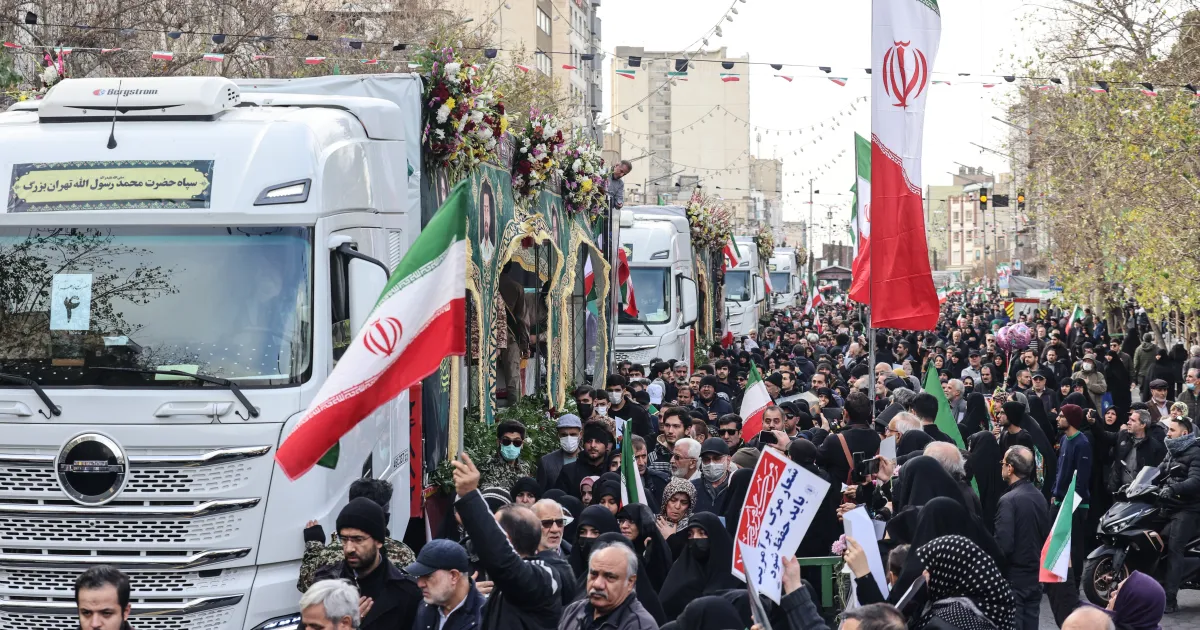
Public messaging is a key component of Iran defense readiness. Authorities seek to reassure citizens through consistent communication about preparedness levels. Such messaging aims to reduce anxiety and counter misinformation during periods of heightened tension.
Sociopolitical analysts suggest that effective communication strengthens institutional legitimacy. When citizens understand the rationale behind preparedness, public trust is reinforced.
Media Coverage and Information Flow
Coverage of Iran defense readiness follows established news publishing patterns, relying on official statements, verified facts, and expert commentary. Media outlets balance public interest with responsibility to avoid sensationalism.
Journalists face challenges in providing context without amplifying fear. Accurate framing is essential to ensure that readiness is understood as precautionary rather than aggressive.
Regional and International Perspectives
Statements highlighting Iran defense readiness are closely monitored by neighboring states and international observers. Diplomatic analysts assess these signals within broader geopolitical frameworks.
Some view readiness messaging as routine deterrence, while others approach it cautiously. Most experts agree that consistent posture reduces unpredictability, which can contribute to regional stability.
Deterrence and Risk Reduction
Deterrence is central to Iran defense readiness. Officials argue that visible preparedness reduces incentives for aggression by increasing perceived costs. This principle underpins training, modernization, and communication strategies.
Defense scholars note that deterrence is effective when paired with clear intent. Messaging that emphasizes defense rather than expansion helps manage risk.
Intelligence and Situational Awareness
Intelligence capabilities are integral to Iran defense readiness. Monitoring systems provide early warning and support informed decision-making. Officials stress that situational awareness reduces the likelihood of surprise and enables proportional response.
Analysts highlight the importance of accurate intelligence in preventing escalation. Timely information allows policymakers to respond calmly rather than reactively.
Diplomatic Dimensions of Readiness
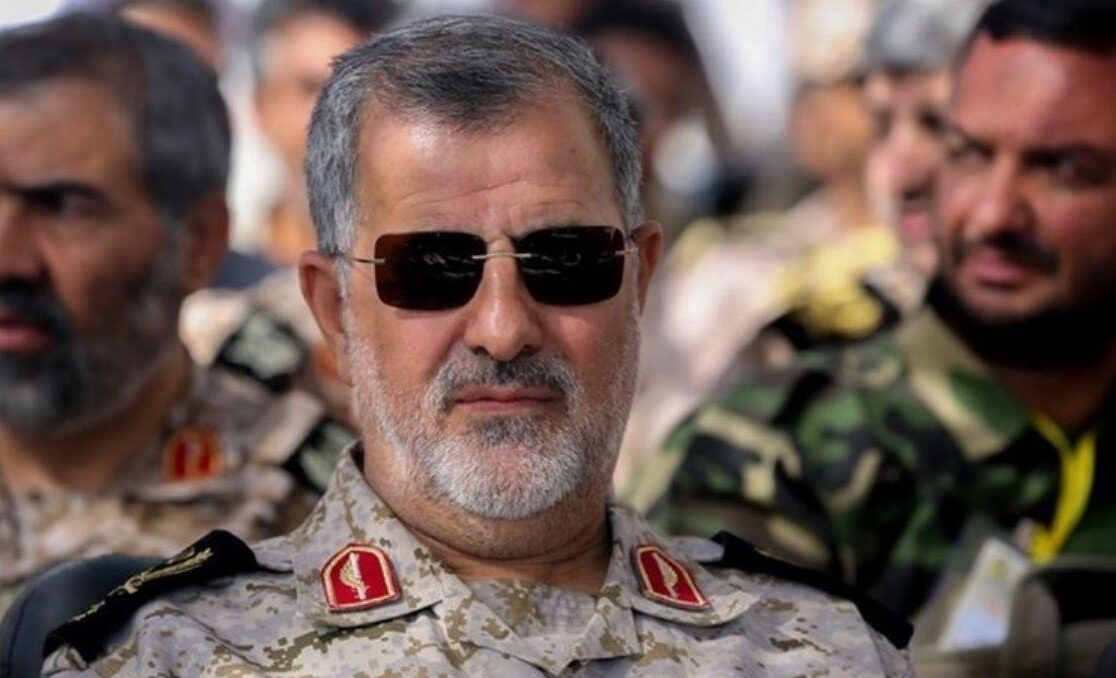
Diplomacy and Iran defense readiness are presented as complementary rather than contradictory. Officials often pair statements of preparedness with calls for respect of sovereignty and dialogue.
This dual approach aims to position readiness as a defensive necessity compatible with diplomatic engagement. Observers note that such framing supports international legitimacy.
Youth and Societal Perceptions
Public perceptions of Iran defense readiness vary across society. Younger generations engage with security narratives through digital media, while older citizens draw on historical experience.
Sociologists argue that inclusive communication strategies help bridge these perspectives. Understanding defense policy as protective rather than confrontational fosters cohesion.
Historical Continuity and Policy Consistency
The emphasis on Iran defense readiness in 2026 aligns with historical patterns. During previous periods of tension, authorities similarly highlighted preparedness and deterrence.
Analysts note that consistency in messaging reduces uncertainty. Predictable posture is often viewed as stabilizing in volatile regions.
Economic Stability and Security Interdependence
Security and economic stability are closely linked in discussions of Iran defense readiness. Authorities argue that protecting infrastructure and trade routes supports national development.
This interdependence underscores why preparedness is framed as a societal investment rather than solely a military concern.
Deterrence and Risk Reduction
As Iran continues to emphasize preparedness in 2026, security analysts say deterrence remains the core objective of national planning. One regional defense analyst explained the logic behind this posture by stating,
“Visible preparedness is designed to prevent conflict by making the cost of aggression unmistakably clear.”
This assessment aligns with official messaging that frames Iran defense readiness as a stabilizing measure rather than an escalatory signal.
Legal Framework and Defensive Posture
Officials emphasize that Iran defense readiness operates within principles of international law and self-defense. Statements stress respect for sovereignty and non-aggression norms.
Legal analysts note that such framing is important for diplomatic engagement and global perception.
Public Trust and Institutional Resilience
Maintaining public trust is essential to Iran defense readiness. Transparent communication and consistent policy reinforce confidence in institutions.
Experts suggest that trust enhances resilience by encouraging cooperation during crises.
Monitoring Regional Developments
Ongoing monitoring of regional developments informs Iran defense readiness planning. Planners assess shifts in alliances, military movements, and diplomatic signals.
This adaptive approach allows preparedness frameworks to evolve alongside changing conditions.
Long-Term Strategic Outlook
Looking ahead, Iran defense readiness is viewed as a sustained commitment rather than a temporary posture. Continuous assessment, training, and modernization are expected to continue beyond 2026.
Strategic analysts emphasize adaptability as the key to long-term effectiveness.
Preparedness as a Foundation of National Stability
In 2026, Iran’s emphasis on preparedness reflects a broader understanding that security underpins social and economic stability. Iran defense readiness is presented not as a signal of aggression but as a framework for deterrence, resilience, and continuity. How this approach evolves will shape regional perceptions and domestic confidence in the years ahead.