

Spinal Muscular Atrophy Treatment and How Care Has Transformed
Medical progress has dramatically reshaped outcomes for patients diagnosed with spinal muscular atrophy. Once viewed as a condition with limited therapeutic options, SMA is now a leading example of how genetic science can transform lives. Modern spinal muscular atrophy treatment focuses on slowing disease progression, preserving motor function, and improving long term quality of life rather than managing symptoms alone.
These advances have altered expectations for patients, families, and healthcare providers. Early diagnosis, innovative therapies, and coordinated care models now play a central role in SMA management, offering hope that did not exist just a generation ago.

Understanding Spinal Muscular Atrophy
Spinal muscular atrophy is a genetic neuromuscular disorder that affects the motor neurons responsible for voluntary muscle movement. When these neurons deteriorate, muscles weaken and eventually lose function.
The condition exists in several forms, ranging from severe infant onset types to milder adult onset variations. The evolution of spinal muscular atrophy treatment has made it possible to tailor care to disease severity, age of onset, and individual patient needs.
How SMA Affects the Body
SMA primarily impacts muscles involved in movement, posture, breathing, and swallowing. As muscle weakness progresses, daily activities become increasingly difficult without intervention.
Advances in spinal muscular atrophy treatment emphasize early intervention to protect motor neurons before irreversible damage occurs. This proactive approach has become a cornerstone of modern SMA care.
Gene Therapy and Genetic Innovation
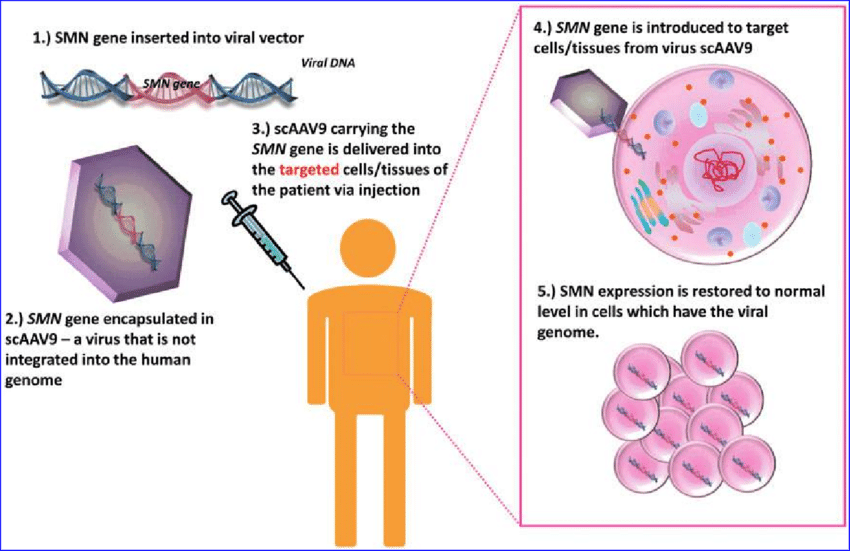
One of the most significant breakthroughs in SMA care is gene therapy. This approach introduces a functional copy of the gene responsible for producing a critical protein needed for motor neuron survival.
Gene therapy represents a fundamental shift in spinal muscular atrophy treatment, as it targets the underlying genetic cause of the disease. Delivered as a one time infusion in many cases, it has demonstrated the ability to halt or significantly slow disease progression.
Disease Modifying Drug Therapies
In addition to gene therapy, disease modifying medications have expanded the range of treatment options. These drugs increase the production of essential proteins that support motor neuron health.
Such medications are an important part of spinal muscular atrophy treatment, especially for patients who may not qualify for gene therapy due to age, disease stage, or other medical considerations.
The Importance of Early Diagnosis
Early diagnosis is one of the strongest predictors of positive outcomes in SMA. Newborn screening programs and genetic testing allow clinicians to identify affected individuals before symptoms become severe.
With early detection, spinal muscular atrophy treatment can begin promptly, often preventing or delaying muscle weakness and improving long term mobility and independence.
Supportive and Rehabilitative Care
Effective SMA management extends beyond medication. Physical therapy, respiratory support, nutritional planning, and orthopedic care play essential roles in maintaining function.
Supportive services enhance spinal muscular atrophy treatment by addressing complications, improving strength, and promoting independence at every stage of the disease.
Impact on Patients and Families
SMA affects entire families, not just individual patients. Care demands, emotional stress, and financial considerations are common challenges.
Advances in spinal muscular atrophy treatment have significantly reduced this burden by improving physical function, extending life expectancy, and enabling greater independence. Families now have realistic hope for improved outcomes and long term planning.
Global Progress in SMA Care
Healthcare systems worldwide are expanding access to advanced SMA therapies. Investment in research, regulatory frameworks, and specialist training has accelerated progress.
As spinal muscular atrophy treatment becomes more widely available, disparities in care are narrowing, allowing more patients to benefit from modern medical innovation regardless of location.
Cost and Healthcare Policy Considerations
Advanced SMA therapies are among the most expensive treatments in medicine, raising important policy questions about affordability and access.
Despite high upfront costs, effective spinal muscular atrophy treatment can reduce lifetime healthcare expenses by preventing severe disability, hospitalizations, and long term supportive care. Policymakers increasingly consider long term value rather than short term cost alone.
Ethical and Access Challenges
Rapid innovation raises ethical questions around equitable access, informed consent, and long term outcomes. Ensuring fairness remains a key challenge.
As spinal muscular atrophy treatment options expand, transparent healthcare policies and patient centered decision making are essential to ensure that all eligible patients receive appropriate care.
Ongoing Research and Clinical Trials
Research continues to refine existing therapies and explore new treatment approaches. Clinical trials are investigating improved gene delivery methods, combination therapies, and personalized medicine strategies.
Each advancement strengthens the foundation of spinal muscular atrophy treatment, expanding possibilities for patients of all ages and disease types.
Living Longer and Better With SMA
Patients diagnosed today face a very different future than those diagnosed in previous decades. Improved therapies have changed expectations around education, employment, and independence.
Modern spinal muscular atrophy treatment supports not only survival but also quality of life, allowing individuals with SMA to participate more fully in society.
The Future of SMA Care
The future of SMA treatment points toward earlier intervention, broader access, and more personalized care plans. Advances in genetic screening and biotechnology will continue to improve outcomes.
As science progresses, spinal muscular atrophy treatment is expected to become even more effective, integrated, and accessible worldwide.
Spinal muscular atrophy has transitioned from a condition with limited options to one defined by innovation and hope. Advances in genetics, pharmaceuticals, and supportive care have transformed outcomes and expectations.
Through continued research, early diagnosis, and comprehensive care, spinal muscular atrophy treatment stands as a powerful example of how modern medicine can change lives for the better.