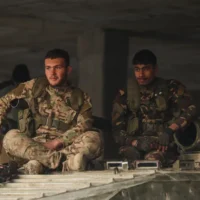
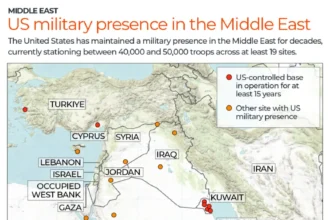
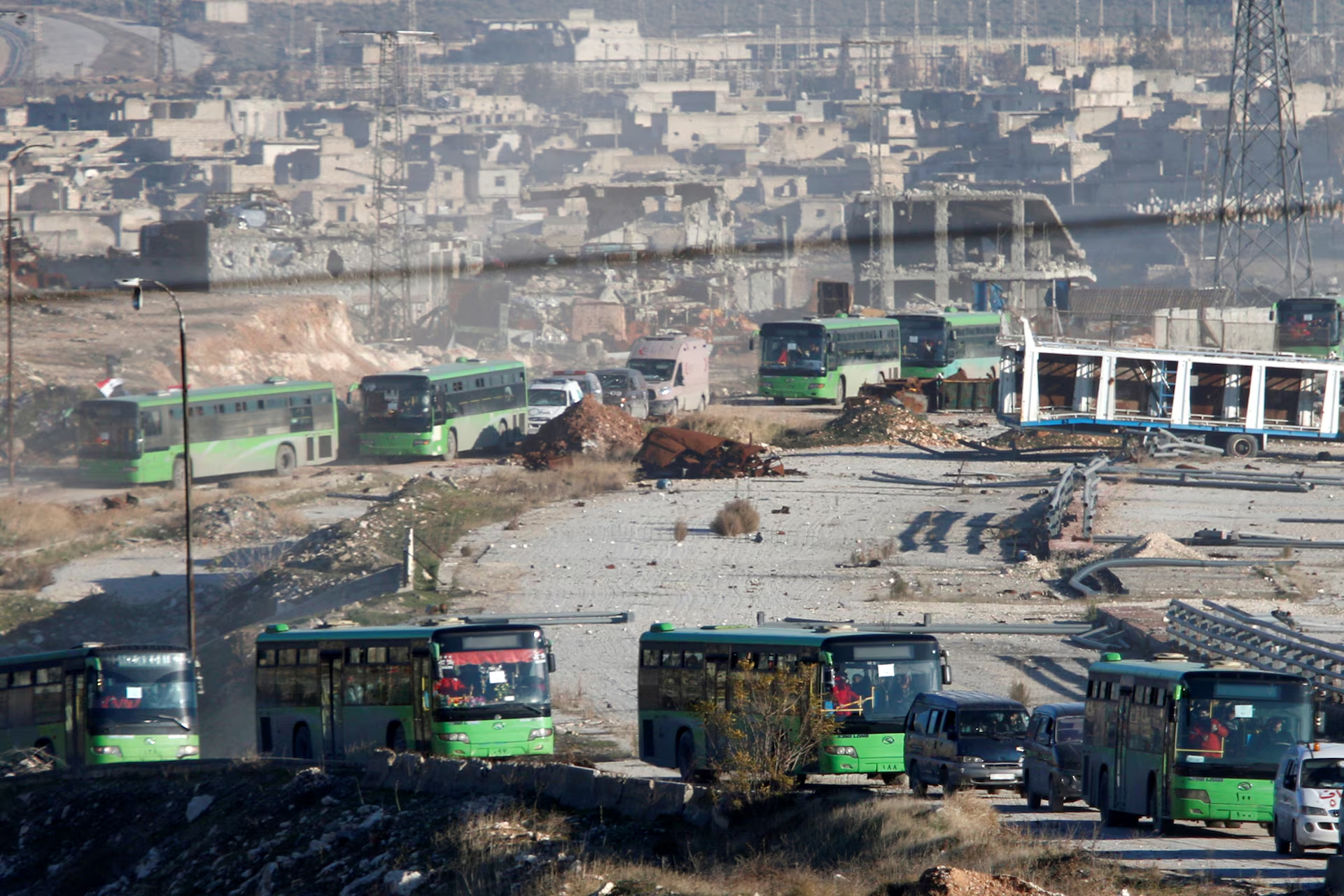
Aleppo, Syria (Brussels Morning Newspaper) January 9, 2026 — In a development closely watched across northern Syria, buses departed a residential district of Aleppo this week under calm and orderly conditions, highlighting an evolving security approach in the city. The departures, carried out early on a winter morning in 2026, proceeded without disruption and without the presence of SDF fighters Syria, a detail that immediately drew attention among residents, analysts, and international observers monitoring post conflict governance in Aleppo.
Municipal officials described the movement as routine, but in a city shaped by years of war, even routine transport carries deeper meaning. Streets remained open, commercial activity continued nearby, and passengers boarded quietly, reflecting an effort to normalize daily life in one of Syria’s most symbolically important urban centers.
Aleppo’s Strategic Importance After Years of Conflict
Aleppo has long stood at the heart of Syria’s economic and cultural identity. Before the conflict, it was the country’s largest city and a major commercial hub connecting regional trade routes. Years of fighting fractured neighborhoods, displaced millions, and reshaped governance structures, leaving the city divided both physically and administratively.
Although large scale combat has largely subsided, Aleppo’s northern districts continue to operate under layered security arrangements. Within this fragile context, the absence of SDF fighters Syria during the latest bus departures was widely interpreted as an attempt to soften the visible footprint of authority and reduce civilian anxiety.
Planning Behind the Bus Departures
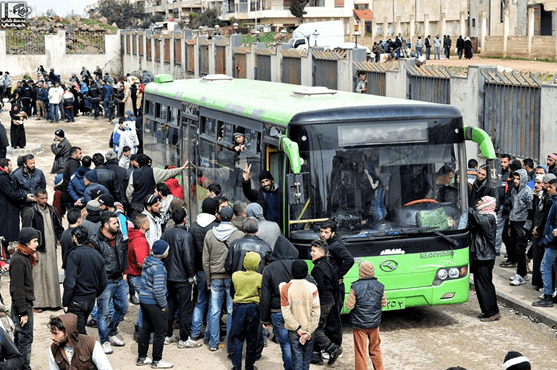
According to municipal sources, planning for the departures began several days in advance. Local councils coordinated with traffic authorities to identify departure points that would minimize congestion and avoid sensitive intersections. Schedules were shared discreetly with community representatives to ensure residents were informed without creating unnecessary attention.
Officials confirmed that SDF fighters Syria were not assigned any role in the operation. Instead, unarmed municipal staff and traffic police managed crowd flow and route security, a choice aimed at presenting the movement as administrative rather than military in nature.
Morning Scenes at Departure Points
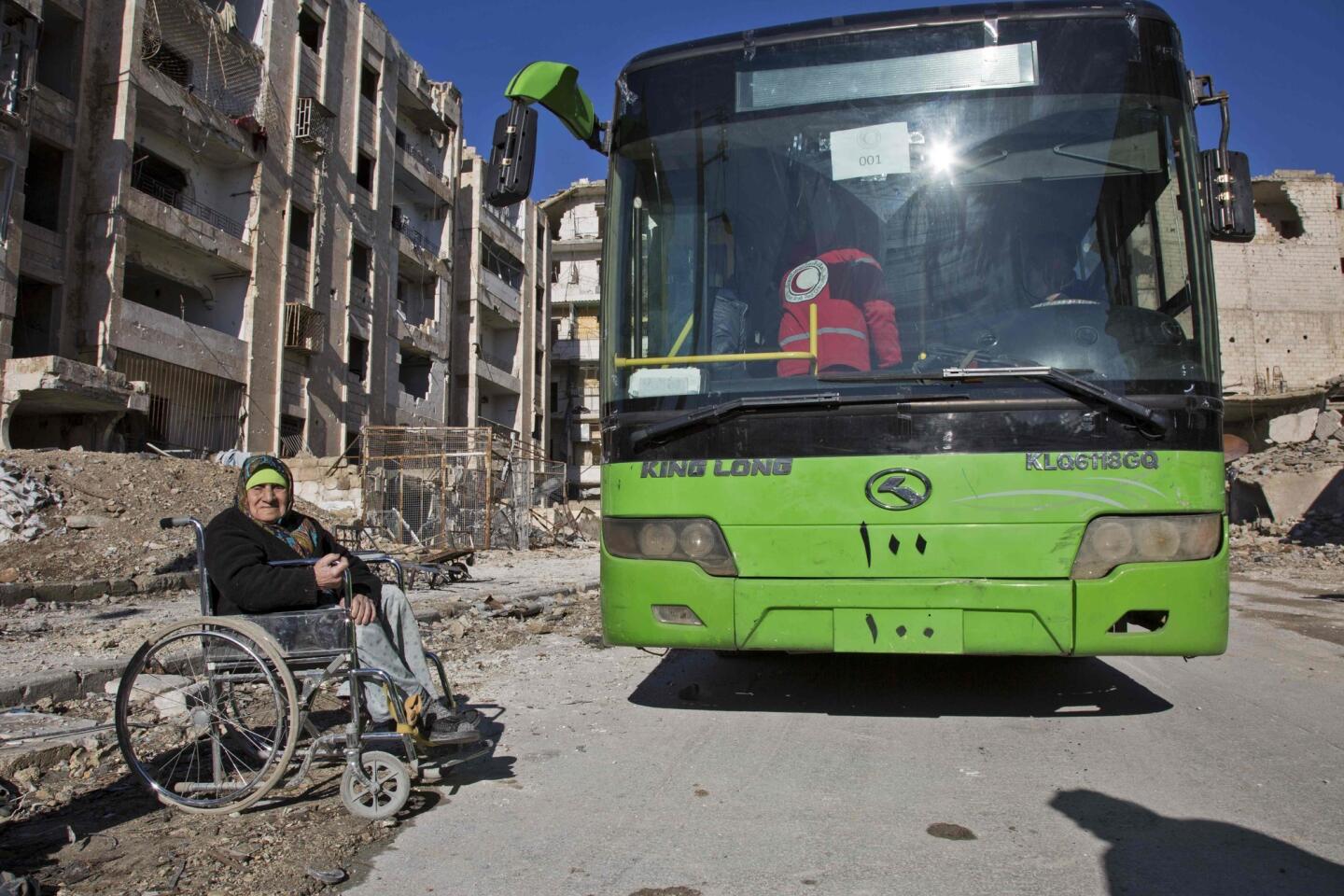
Residents arrived at the designated locations shortly after sunrise. Families carried small personal bags, elderly passengers were assisted by volunteers, and children stayed close to their parents. Observers noted the subdued atmosphere, markedly different from earlier evacuations that had been accompanied by tension and uncertainty.
Several passengers told local reporters that the absence of SDF fighters Syria immediately changed how the scene felt. While uncertainty about long term stability remains, the calm departure offered a rare moment of reassurance for people accustomed to disruption.
Security Without Heavy Militarization
Despite the absence of armed escorts, authorities emphasized that security considerations were not overlooked. Traffic police monitored intersections, checkpoints were staffed by local personnel, and emergency services remained on standby throughout the operation.
Officials said excluding SDF fighters Syria was part of a broader effort to re-calibrate how security is presented in civilian spaces. Analysts note that such restraint can help rebuild trust, particularly in communities where armed presence has long been associated with fear rather than protection.
Regional Context in Northern Syria
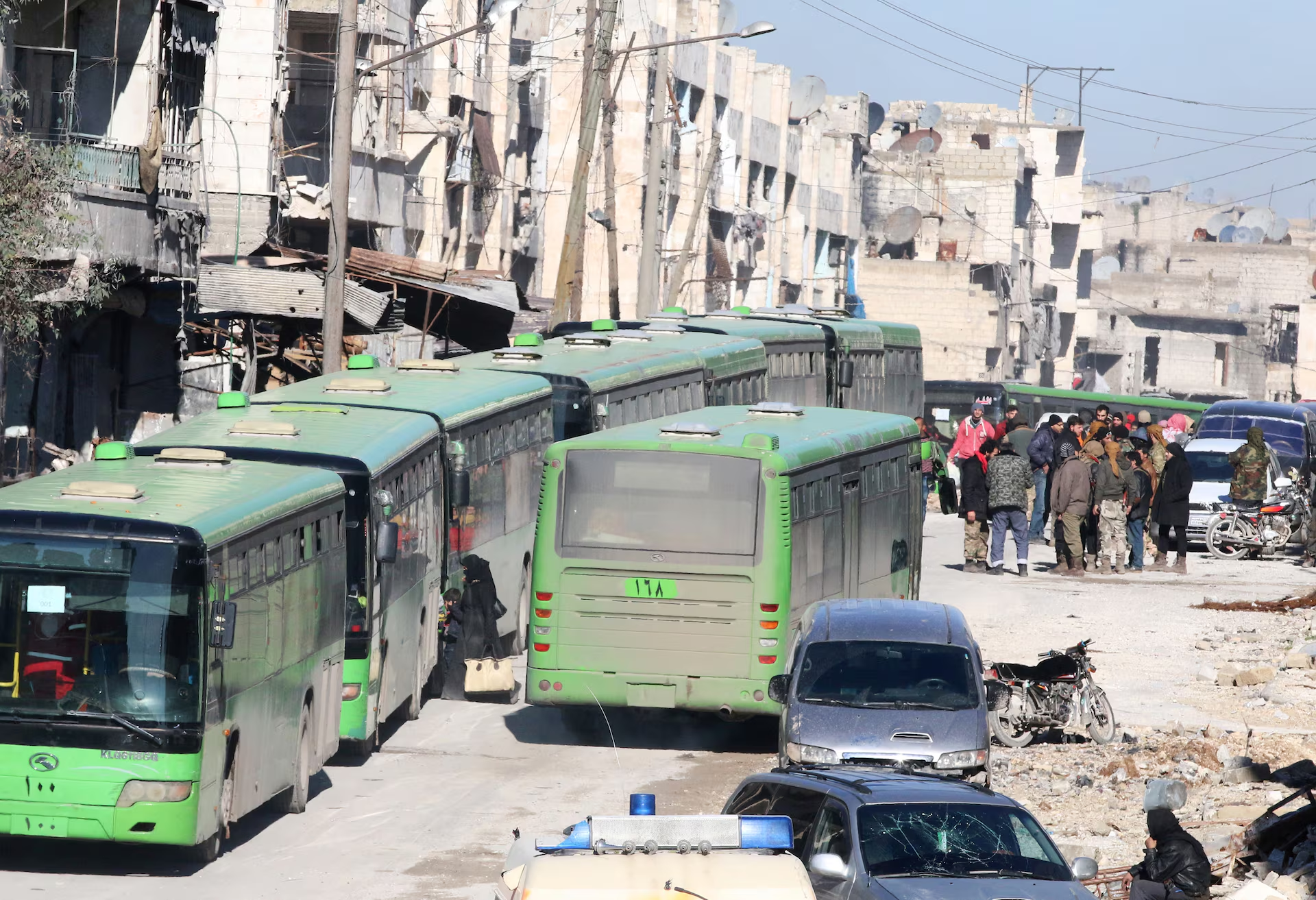
Northern Syria remains a complex mosaic of influence involving state institutions, local administrations, and external actors. Transport decisions in cities like Aleppo are often shaped by informal understandings designed to prevent friction and maintain fragile stability.
Observers suggest that proceeding without SDF fighters Syria may reflect temporary confidence building measures, allowing municipal governance to function with less overt militarization while preserving basic security. Such arrangements are often fragile, but they can ease tensions if maintained consistently.
Humanitarian and Social Dimensions
Humanitarian organizations operating in Aleppo have repeatedly stressed the importance of non militarized civilian movement. When buses and checkpoints are associated with armed groups, participation often declines, particularly among vulnerable populations such as the elderly and displaced families.
Aid workers familiar with the city said the recent departures could help rebuild confidence, noting that the absence of SDF fighters Syria may encourage residents to engage more readily with public transport and essential services.
How This Differs From Earlier Evacuations
Earlier evacuations from Aleppo were frequently marked by heavy security, prolonged negotiations, and international scrutiny. Convoys often moved under armed escort, reinforcing the sense that movement itself was an extension of the conflict.
In contrast, the January 2026 departures unfolded quietly. Analysts attribute this shift in tone partly to the decision not to involve SDF fighters Syria, reducing the risk of confrontation and signaling that the movement was administrative rather than coercive.
International Observation and Media Analysis
International media outlets and regional research organizations monitored the development closely, though coverage remained cautious. Rather than declaring a turning point, analysts emphasized symbolism and incremental change.
One regional analyst observed,
“When everyday movement happens without armed involvement, it subtly reshapes how people experience authority and safety.”
The remark underscored why the absence of SDF fighters Syria resonated beyond the immediate operation.
Local Governance and Public Trust
For Aleppo’s local councils, restoring public confidence remains a gradual process. Reliable services, transparent communication, and predictable routines are essential in neighborhoods still recovering from years of upheaval.
Allowing buses to depart without SDF fighters Syria may strengthen perceptions of civilian centered governance, particularly if similar practices are applied consistently in future operations.
Economic and Daily Life Implications
Beyond symbolism, calm transport movements have practical implications for daily life. Reliable mobility allows residents to access markets, workplaces, schools, and medical services more easily, contributing to economic recovery.
Merchants near the departure points reported no disruption to business, a small but telling indicator that routine activity is slowly reasserting itself in parts of the city.
Risks and Lingering Uncertainty
Despite the orderly execution, uncertainty persists. Northern Syria’s security landscape remains vulnerable to shifts driven by developments elsewhere. Agreements that permit the absence of SDF fighters Syria in one context may not automatically apply to future movements.
Security experts caution that restraint must be sustained and supported by clear communication to prevent misunderstandings or misinformation from undermining progress.
Community Voices From the District
Residents expressed cautious optimism tempered by realism. Many stressed that a single calm morning does not erase years of hardship, but it does matter.
For some families, seeing buses depart without SDF fighters Syria offered a glimpse of what ordinary life might look like if stability continues to take hold.
Looking Ahead for Aleppo’s Transport Practices
Local officials indicated that discussions are ongoing about applying similar approaches to future transport operations. While no formal policy has been announced, observers will be watching closely to see whether this model becomes routine.
If replicated, limiting the visible role of SDF fighters Syria in civilian movement could influence practices in other contested areas, gradually reshaping norms across northern Syria.
A Quiet Morning With Lasting Significance
The January 9 departures did not redraw political boundaries or resolve Aleppo’s deeper challenges. Yet for residents watching buses pull away under clear winter skies, the calm execution carried meaning.
The absence of SDF fighters Syria subtly altered how a routine activity unfolded, offering a small but tangible sign that daily life, rather than conflict, may slowly reclaim space in a city long defined by war.