Riyadh, Saudi Arabia, 6 October, (Brussels Morning Newspaper) – Saudi Arabia has reported a major increase in oil moving through its strategic Saudi East-West Pipeline, with Energy Minister Prince Abdulaziz bin Salman saying the amount pumped through the system had reached 5.8 million barrels as of Tuesday morning. The development underlines the growing importance of the Red Sea export route as the kingdom works to maintain energy supplies during continuing disruption in the Gulf.
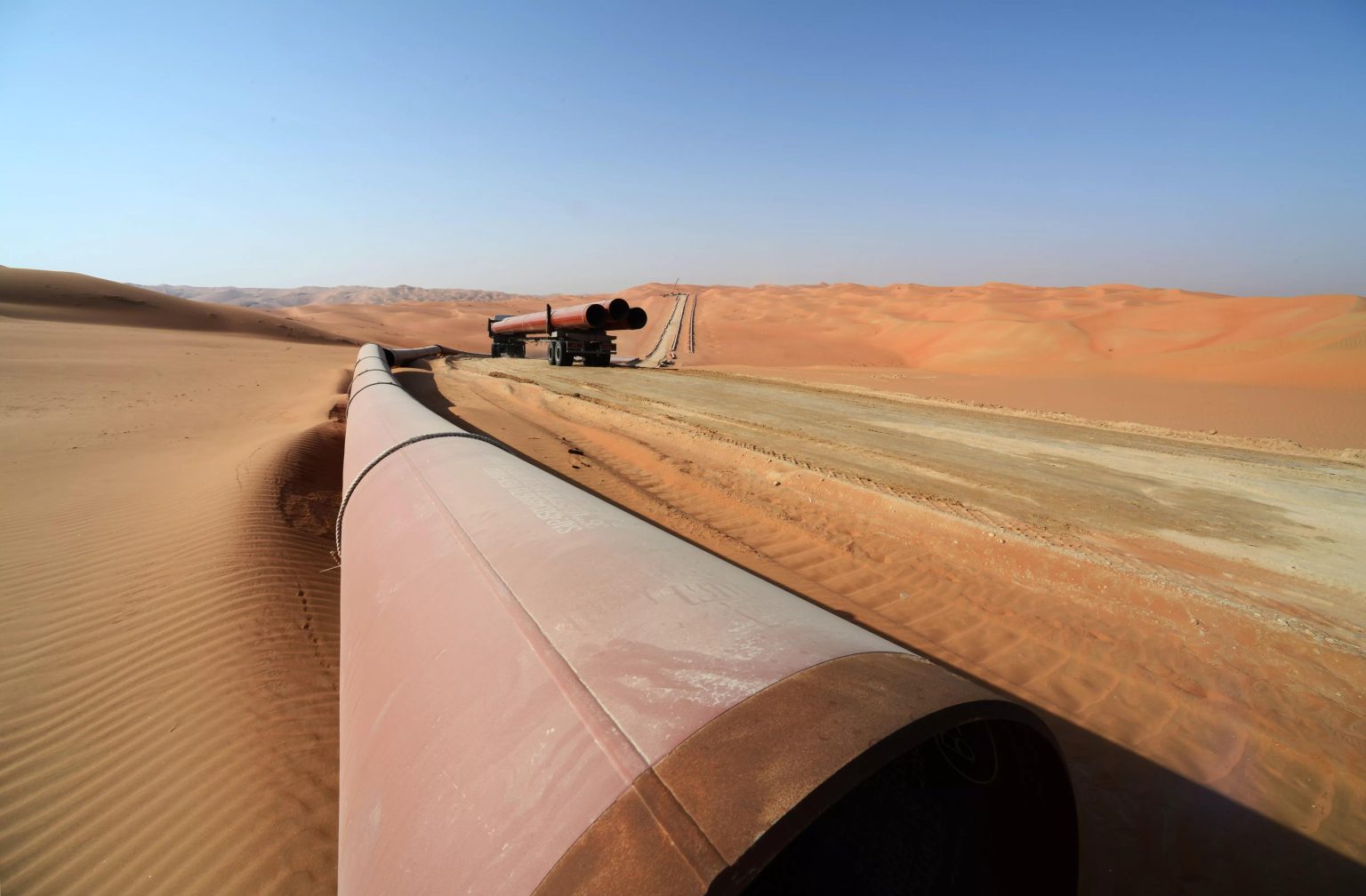
The pipeline connects Saudi Arabia’s main oil-producing areas in the Eastern Province with Yanbu on the Red Sea coast. It provides the world’s largest crude exporter with an alternative route that does not require tankers to pass through the Strait of Hormuz.
Saudi Arabia strengthens crucial Red Sea oil route
Prince Abdulaziz confirmed the latest flow figure on Tuesday as attention remains focused on the resilience of Middle Eastern energy infrastructure.
Reuters reported that flows through the pipeline remained uninterrupted despite recent concerns about its operation. Saudi Arabia has been redirecting substantial quantities of crude towards Yanbu as regional instability complicates traditional Gulf export routes.
Saudi Aramco describes the pipeline as a critical part of its national infrastructure, connecting eastern production facilities with the west coast and giving the company greater flexibility to export crude from either side of the kingdom.
That flexibility has become increasingly valuable as producers seek to protect supplies from disruption affecting maritime routes.
Yanbu becomes increasingly important for Saudi exports
Oil transported westwards can reach Saudi Arabia’s facilities at Yanbu before being loaded onto tankers in the Red Sea.
Aramco has invested heavily in strengthening that export network. The company said the commissioning of its Yanbu South Terminal added 3 million barrels per day of west-coast export capacity, reinforcing Saudi Arabia’s ability to supply international customers.
The East-West system has also undergone several expansions since Aramco took over its operation in the 1980s, reflecting its long-term strategic importance to the kingdom’s energy industry.
Energy minister confirms major pipeline flows
Prince Abdulaziz said oil pumped through the East-West route had reached 5.8 million barrels by Tuesday morning, according to Reuters.
The announcement provides an important indication of the volumes being handled by the alternative corridor during a period of heightened pressure on regional energy logistics.
The Saudi East-West Pipeline is particularly significant because it allows crude to cross the kingdom by land rather than relying entirely on Gulf export terminals and passage through Hormuz.
Gulf oil shipments recover despite disruption
The announcement comes as broader Gulf energy exports show signs of recovery.
According to shipping data reported by Reuters, crude oil, condensate and refined-product shipments from Gulf countries excluding Iran averaged approximately 19.2 million barrels per day in September, equivalent to about 81% of levels recorded before the current regional conflict.
Saudi Arabia was a major contributor to that recovery, with the kingdom expanding exports despite attacks and logistical challenges affecting regional infrastructure.
The figures matter well beyond the Middle East. Saudi Arabia remains central to international crude supply, meaning significant changes in its export capacity can influence European and global energy markets, freight costs and expectations for oil prices.
OPEC+ keeps focus on energy market stability
The pipeline development also comes days after Saudi Arabia and six other OPEC+ producers met virtually on 4 October.
OPEC said Saudi Arabia, Russia, Iraq, Kuwait, Kazakhstan, Algeria and Oman agreed to maintain their September 2026 required production levels for November.
The producers reiterated their commitment to market stability and full conformity with the Declaration of Cooperation.
What happens next for Saudi oil exports?
Market attention will remain focused on pipeline operations, export volumes from Yanbu and security conditions affecting Gulf shipping.
The ability to maintain high flows through the Saudi East-West Pipeline gives Riyadh an important alternative for supplying international markets if maritime disruption continues.
OPEC+ producers are scheduled to meet again on 1 November to review global market conditions and production policy, while the organisation’s Joint Ministerial Monitoring Committee is due to hold its next meeting on 29 November.