Strasbourg, 6 October, (Brussels Morning Newspaper) – European Commission President Ursula von der Leyen has put soaring EU energy costs at the centre of the bloc’s immediate economic agenda, announcing action on refinery costs, methane rules and electrification as households and businesses face renewed pressure heading into winter.
Von der Leyen puts soaring energy prices first
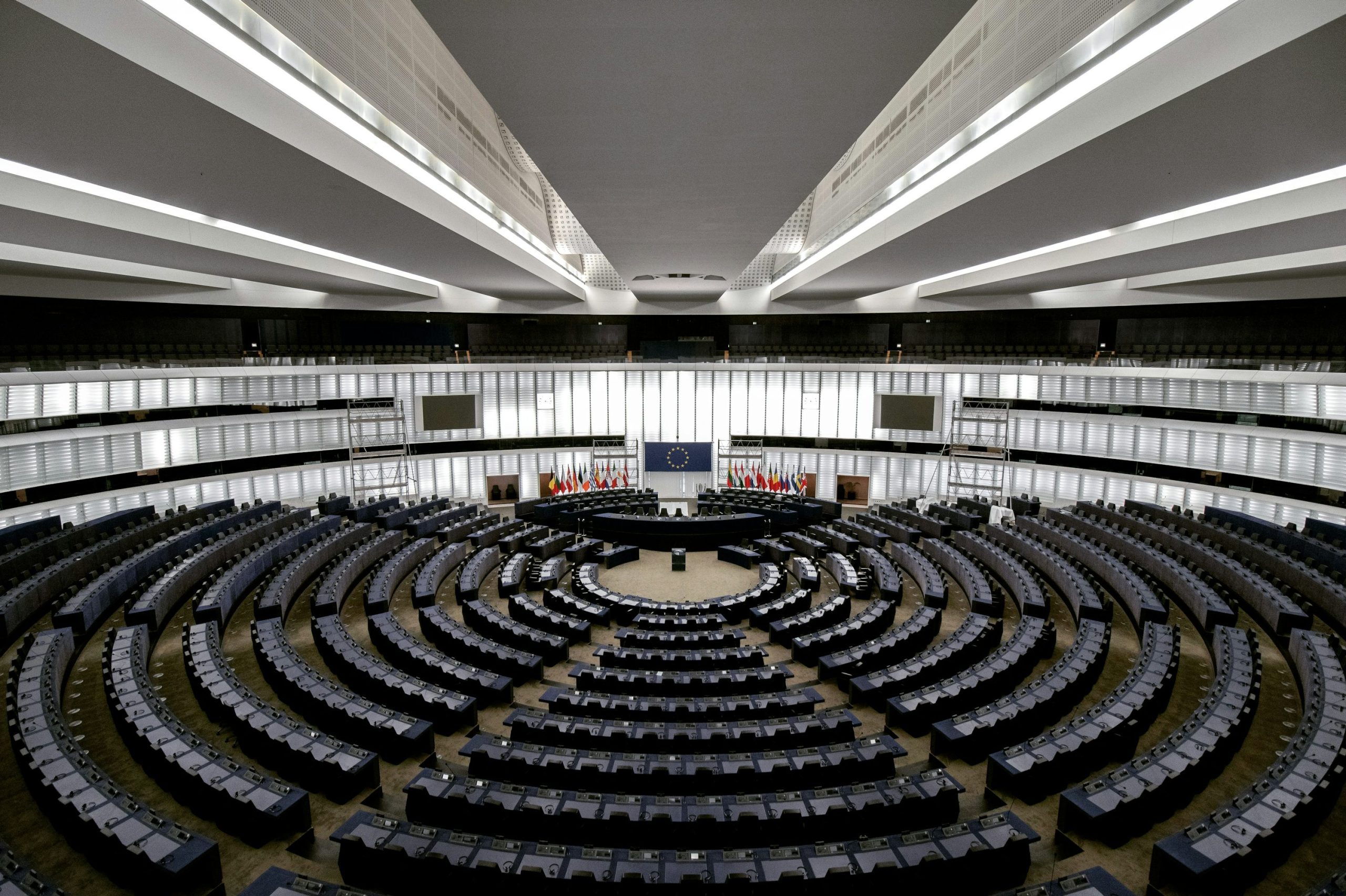
Speaking to the European Parliament ahead of the European Council meeting scheduled for 15-16 October, von der Leyen focused on high energy costs and Europe’s exposure to disruption in international energy markets.
She said gas prices had risen sharply since the end of February, while higher fuel costs were adding to financial pressure across the continent. Von der Leyen also said Europe’s bill for imported fossil fuels had increased substantially without providing additional energy.
The pressure has reinforced the Commission’s argument that Europe must reduce its exposure to volatile international fossil-fuel markets while strengthening domestic energy supplies.
EU plans strategic push to cut refinery costs
Von der Leyen said the European Commission would launch a strategic dialogue with Europe’s refining industry aimed at examining how costs can be reduced while safeguarding supplies.
Brussels is also preparing measures designed to increase electricity’s share of overall European energy consumption.
The approach combines efforts to address immediate fuel-market pressures with the Commission’s longer-term strategy of electrifying more of the European economy and reducing dependence on imported fossil fuels.
Methane exporters receive additional flexibility
Von der Leyen also confirmed that exporters would receive an additional year of flexibility to prepare for requirements connected to the EU’s methane regulation.
“We will give flexibility to exporters for one more year on methane,” she told the European Parliament.
The move comes amid concerns surrounding implementation of the EU rules affecting foreign oil and gas suppliers. The legislation is intended to strengthen monitoring and reduce methane emissions associated with energy supplied to the European market.
Why Brussels wants Europe to electrify faster
The latest intervention follows von der Leyen’s State of the Union address in September, when she argued that Europe could not remain an industrial powerhouse if its energy prices remained structurally high.
The Commission has increasingly linked electrification with energy security, industrial competitiveness and reduced exposure to international fossil-fuel prices.
Brussels wants electricity to account for a substantially greater share of European energy consumption in the coming years, supported by additional renewable generation, stronger electricity grids and investment in energy infrastructure.
Reducing EU energy costs has therefore become part of a broader debate about whether European manufacturers can remain internationally competitive while the bloc pursues its climate and energy objectives.
Higher prices put households and industry under pressure
The immediate concern is the impact on consumers and businesses. Von der Leyen told lawmakers that companies were facing high costs while some households were struggling to pay their bills, warning that pressure could intensify during winter.
For energy-intensive industries, persistently expensive electricity, gas and fuel can increase production costs and affect competitiveness against businesses operating in regions with cheaper energy.
The challenge for the Commission is to address those short-term pressures while continuing Europe’s transition towards a less fossil-fuel-dependent energy system.
What happens next for EU energy policy?
Attention will now turn to further details from the Commission about its planned refinery dialogue and measures to accelerate electrification.
Energy affordability is also expected to remain an important issue for EU leaders as they assess economic competitiveness, security of supply and preparations for winter.
For Brussels, controlling EU energy costs while reducing exposure to volatile imported fuels is becoming an increasingly important test of the bloc’s wider economic and energy strategy.