Washington, United States — February 25, 2026 — Brussels Morning Newspaper — The Obama video controversy has intensified political debate across the United States, prompting swift responses from lawmakers, former officials, and policy analysts. What began as the resurfacing of archived footage has evolved into a wider national discussion about political messaging, historical context, and accountability in the digital age.
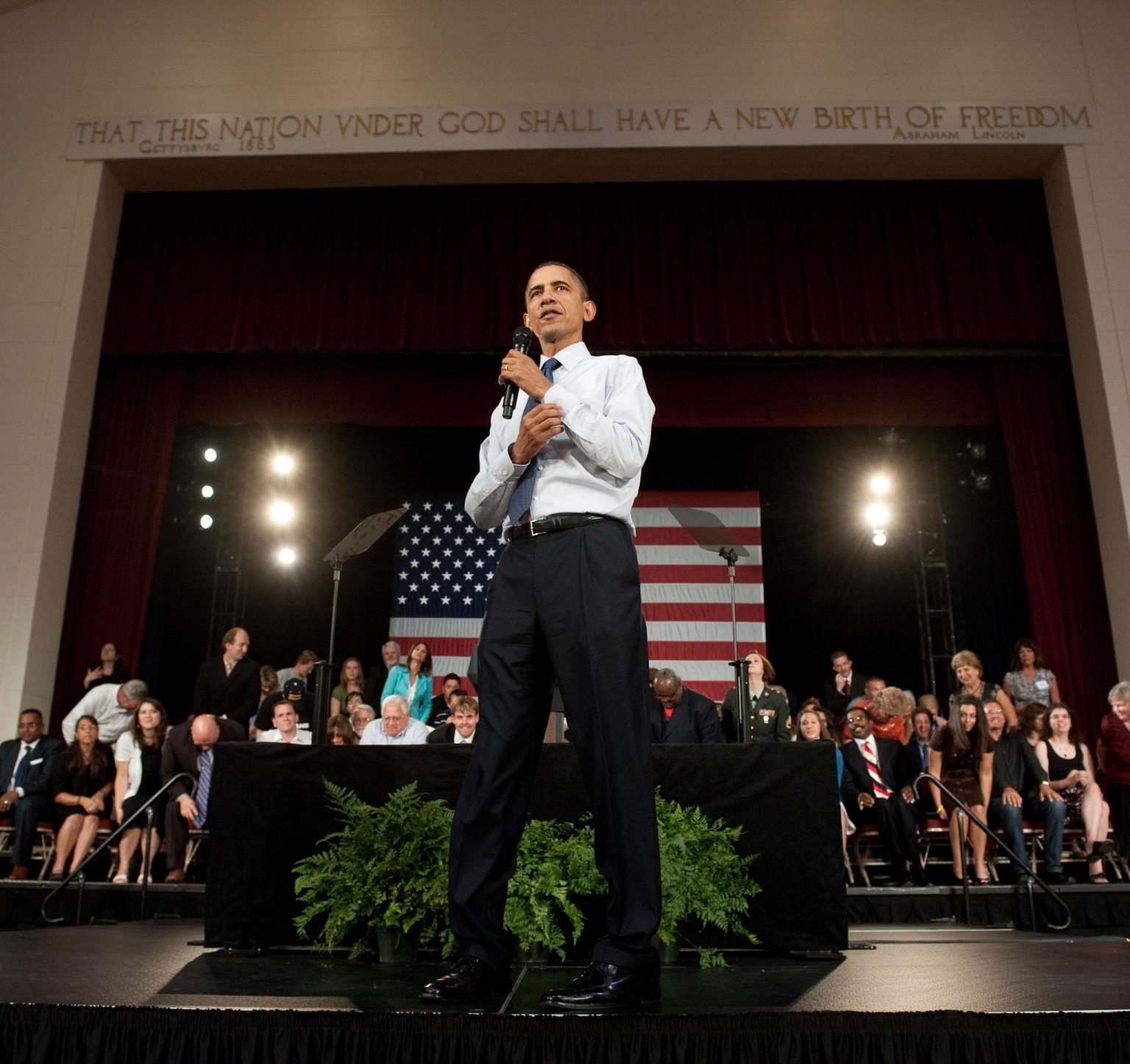
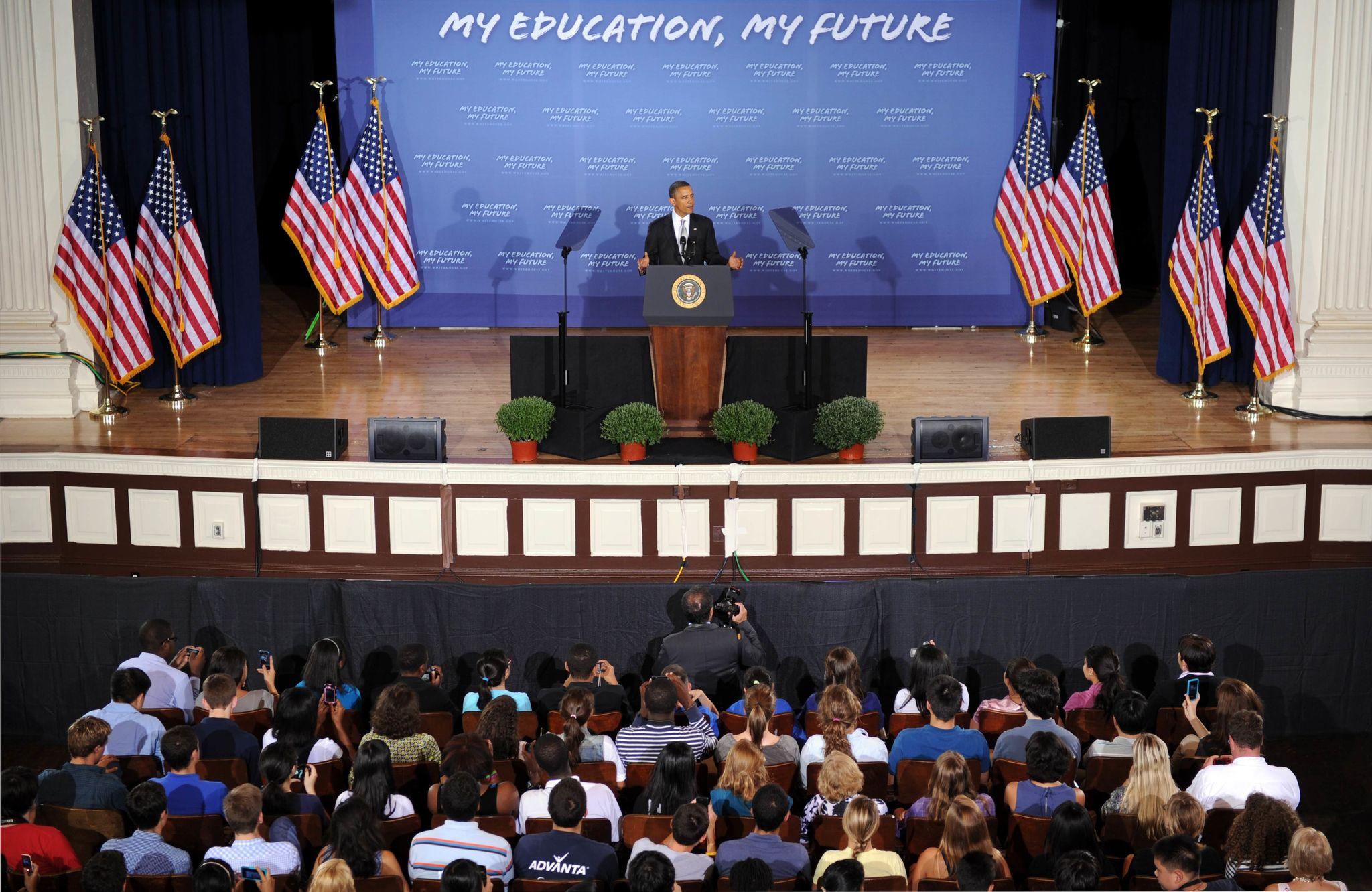
The video at the center of the dispute features remarks made years earlier by former President Barack Obama. Its renewed circulation during the 2026 political cycle has amplified partisan tensions, especially as election season gains momentum. Within hours of resurfacing online, the footage triggered commentary from elected officials and media outlets nationwide.
The Obama video controversy has since become a focal point in discussions about how past leadership decisions are framed in the present.
How the Debate Began
The situation unfolded when a clip of historical remarks began trending across digital platforms. Political figures and commentators quickly shared excerpts, sparking questions about context and interpretation.
Some critics argue that the video reveals inconsistencies in past messaging. Others insist the excerpted material fails to capture the broader framework of the speech from which it was taken. The speed at which the footage circulated demonstrates how archived political material can quickly influence current discourse.
Within a single news cycle, the Obama video controversy transitioned from online chatter to a topic discussed on the House floor and in campaign offices across the country.
Congressional Reactions Across Party Lines
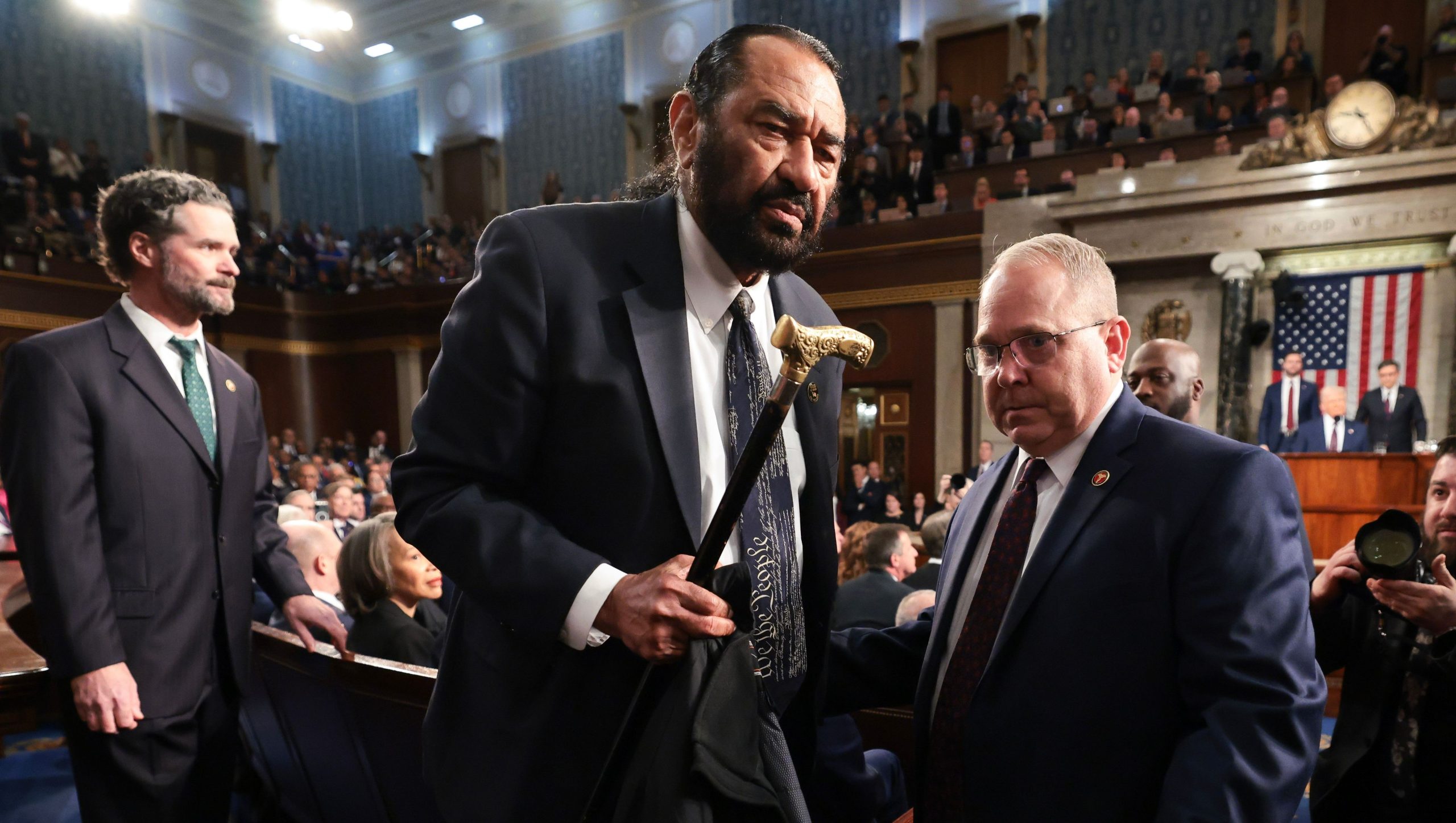
Members of Congress addressed the issue publicly as attention intensified. Democratic lawmakers largely emphasized context, urging careful review of the original speech before forming conclusions.
One senior House member stated,
“Context matters in every political conversation, especially when historical footage resurfaces during an election year.”
Republican leaders, meanwhile, framed the issue as an opportunity for renewed scrutiny of past policy positions.
The Obama video controversy has therefore become both a symbolic and substantive issue within Capitol Hill debates. While no formal hearings have been announced, lawmakers continue referencing the matter during broader policy discussions.
Trump’s Response and Political Impact
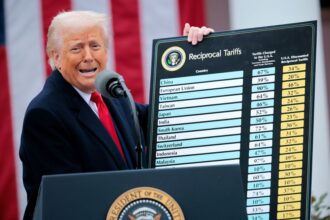
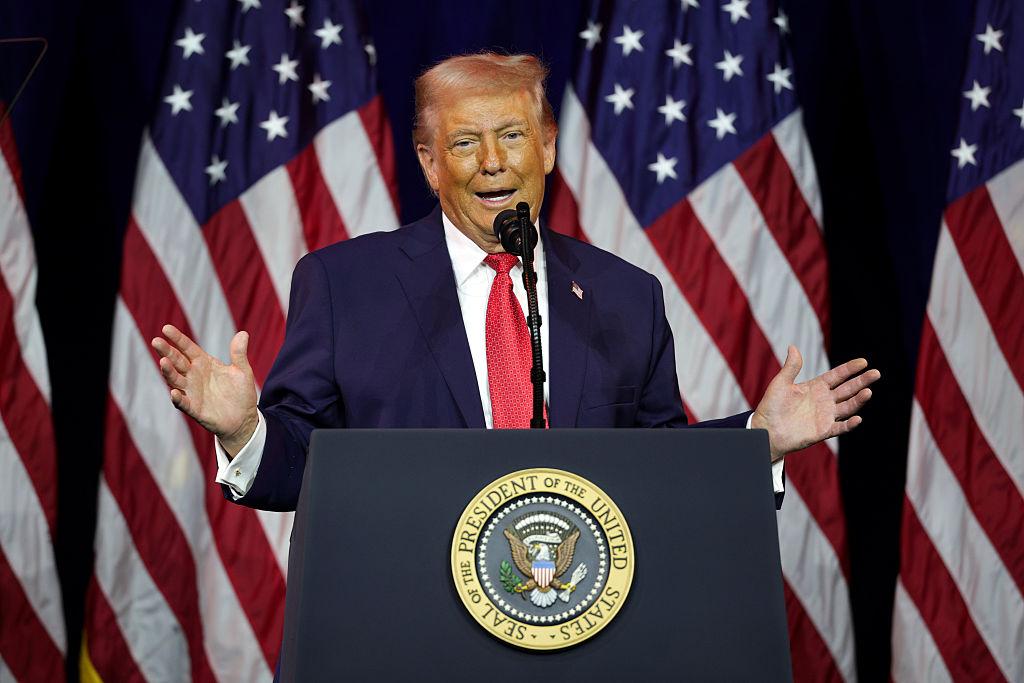
Former President Donald Trump addressed the issue during a public event, reinforcing the political dimensions of the controversy. His remarks brought additional national attention and prompted further analysis by commentators.
Trump stated,
“The American people deserve clarity about past decisions and what they meant for our country.”
That comment added momentum to the evolving narrative, ensuring continued media coverage.
Political strategists suggest that engagement from former presidents elevates the visibility of any issue. In this case, the Obama video controversy moved beyond archival discussion and into the center of contemporary political strategy.
Media Amplification in the Digital Era
Major national networks and digital outlets dedicated significant airtime to analyzing the resurfaced footage. Fact checking segments examined the original speech, while panel discussions debated interpretation.
The speed of dissemination underscores the transformation of political communication. Unlike earlier decades, archived material now circulates instantaneously through social media platforms and messaging apps.
The Obama video controversy illustrates how digital ecosystems accelerate political reactions. Analysts emphasize that in such an environment, narrative framing often occurs simultaneously with public reaction.
Public Opinion and Voter Sentiment
Public reaction appears divided along familiar partisan lines. Supporters of Obama argue that selective editing distorts historical record. Critics contend that revisiting prior statements is a legitimate exercise in democratic accountability.
Independent voters, according to preliminary polling snapshots, appear more focused on economic and security issues than on historical footage. However, emotionally charged debates can sometimes influence turnout patterns.
The Obama video controversy has therefore become a test case for how historical content affects modern voter engagement.
Legal and Ethical Dimensions of Archived Political Media
Legal experts note that political speech remains protected under constitutional principles. However, ethical concerns arise when excerpts are circulated without full context.
Digital manipulation technologies have intensified scrutiny of political content. Lawmakers from both parties have previously discussed the need for transparency tools to verify authenticity.
While the current situation does not involve allegations of fabrication, the broader conversation highlights the fragility of trust in the information ecosystem.
The Obama video controversy serves as a reminder that accuracy and context are central to maintaining democratic integrity.
A History of Recorded Political Moments Shaping Elections
Political history in the United States contains numerous examples of recorded statements influencing public perception. From televised debates in the 1960s to campaign advertisements in the 1990s, visual media has consistently shaped electoral outcomes.
The emergence of the internet amplified this effect. Archived footage that once required extensive research is now accessible within seconds. Campaign strategists have long recognized the power of visuals to evoke emotional responses.
The Obama video controversy reflects this historical pattern. While technology has advanced, the underlying principle remains unchanged: recorded words and images carry lasting influence.
Throughout American political history, moments captured on camera have defined narratives for years. In 2026, that dynamic continues in amplified form.
Electoral Implications in 2026
As the election cycle intensifies, candidates may incorporate references to the controversy in campaign messaging. Political communication often relies on contrasting visions of leadership and accountability.
Some strategists caution that overemphasizing historical footage risks overshadowing present policy proposals. Others argue that revisiting past remarks provides voters with valuable perspective.
The Obama video controversy has thus entered campaign calculations across party lines. Whether it will influence primary contests or general election debates remains uncertain.
International Perspective on American Political Debate
International observers have followed the developments closely. Global media outlets frequently analyze U.S. political disputes as indicators of institutional resilience.
Foreign policy analysts suggest that while domestic controversies can appear destabilizing, they also demonstrate the openness of democratic systems. Transparent debate, even when contentious, signals active civic engagement.
The Obama video controversy has therefore resonated beyond national borders, contributing to global discussions about political communication in advanced democracies.
Technology, Algorithms, and Narrative Framing
The architecture of modern social media platforms plays a significant role in how controversies unfold. Algorithms prioritize engagement, often amplifying emotionally charged content.
Media literacy advocates emphasize the importance of critical evaluation. Citizens increasingly rely on multiple sources to verify claims and assess context.
The Obama video controversy highlights the intersection of technology and politics. As digital platforms evolve, so too will the methods through which archived material reenters public conversation.
Public Trust and Institutional Stability
Trust in public institutions has fluctuated over the past decade. Episodes like this often prompt renewed discussion about transparency and accountability.
Civic organizations stress that responsible communication from leaders can mitigate polarization. Clear explanations and contextual clarification help prevent misinformation from spreading.
The Obama video controversy underscores the delicate balance between political critique and constructive dialogue.
The Broader Question of Political Memory
Political memory plays a powerful role in shaping voter attitudes. Historical interpretation can reinforce or challenge contemporary narratives.
As leaders debate the significance of past statements, voters evaluate how those remarks align with current priorities.
The Obama video controversy ultimately reflects a deeper conversation about how a nation interprets its political past while charting its future.
Accountability in a Digital Democracy
The events unfolding in Washington during February 2026 illustrate the enduring impact of recorded political speech. In an era defined by instantaneous communication, historical footage can rapidly shape national debate.
While disagreement remains a core feature of democratic governance, constructive engagement depends on context, clarity, and responsible leadership.
The Obama video controversy has become more than a fleeting headline. It represents a moment in which digital memory, political ambition, and public scrutiny intersected in full view of a global audience.
As the election cycle progresses, the episode will likely continue influencing discussions about leadership, accountability, and the role of media in modern governance.