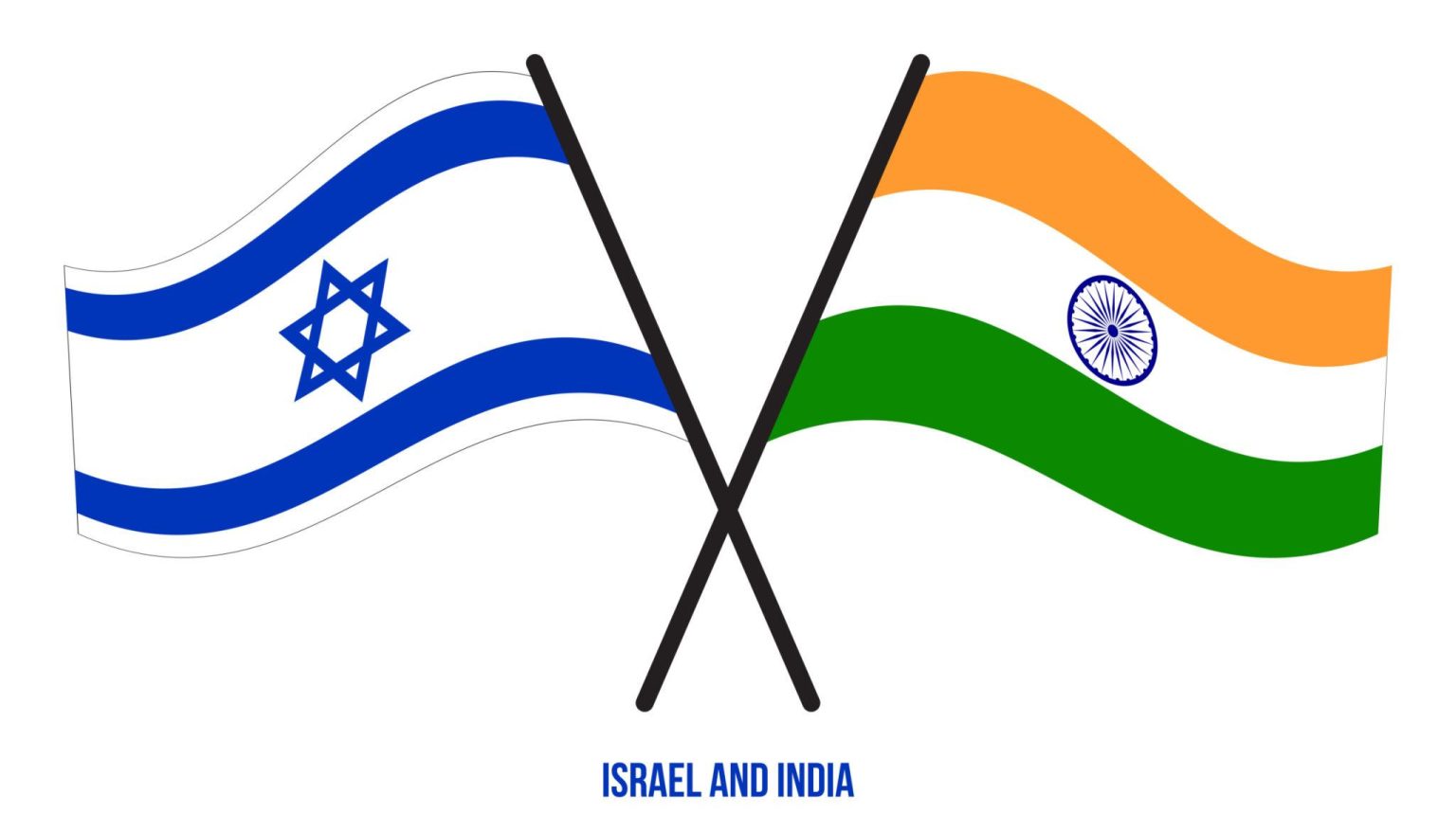
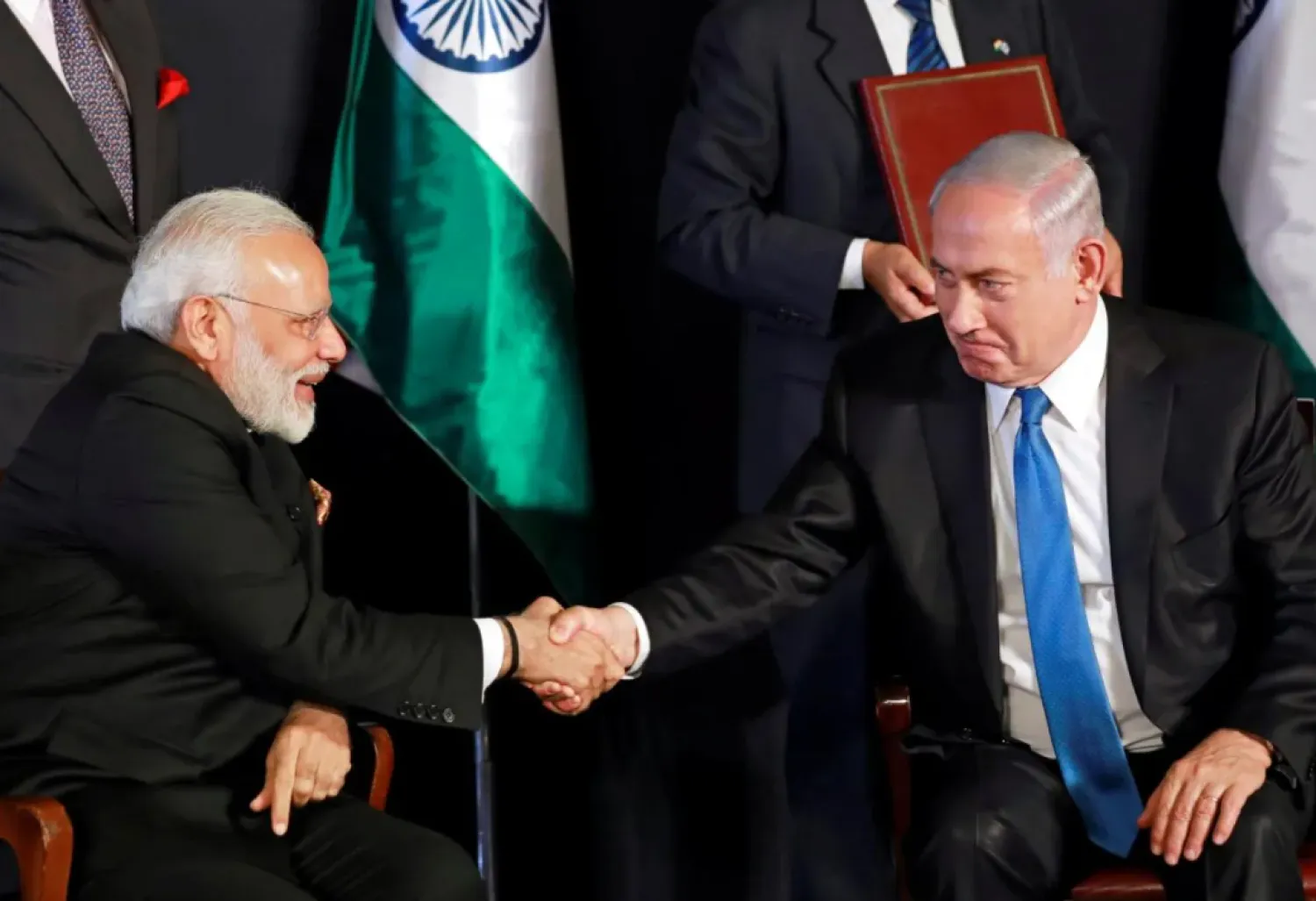
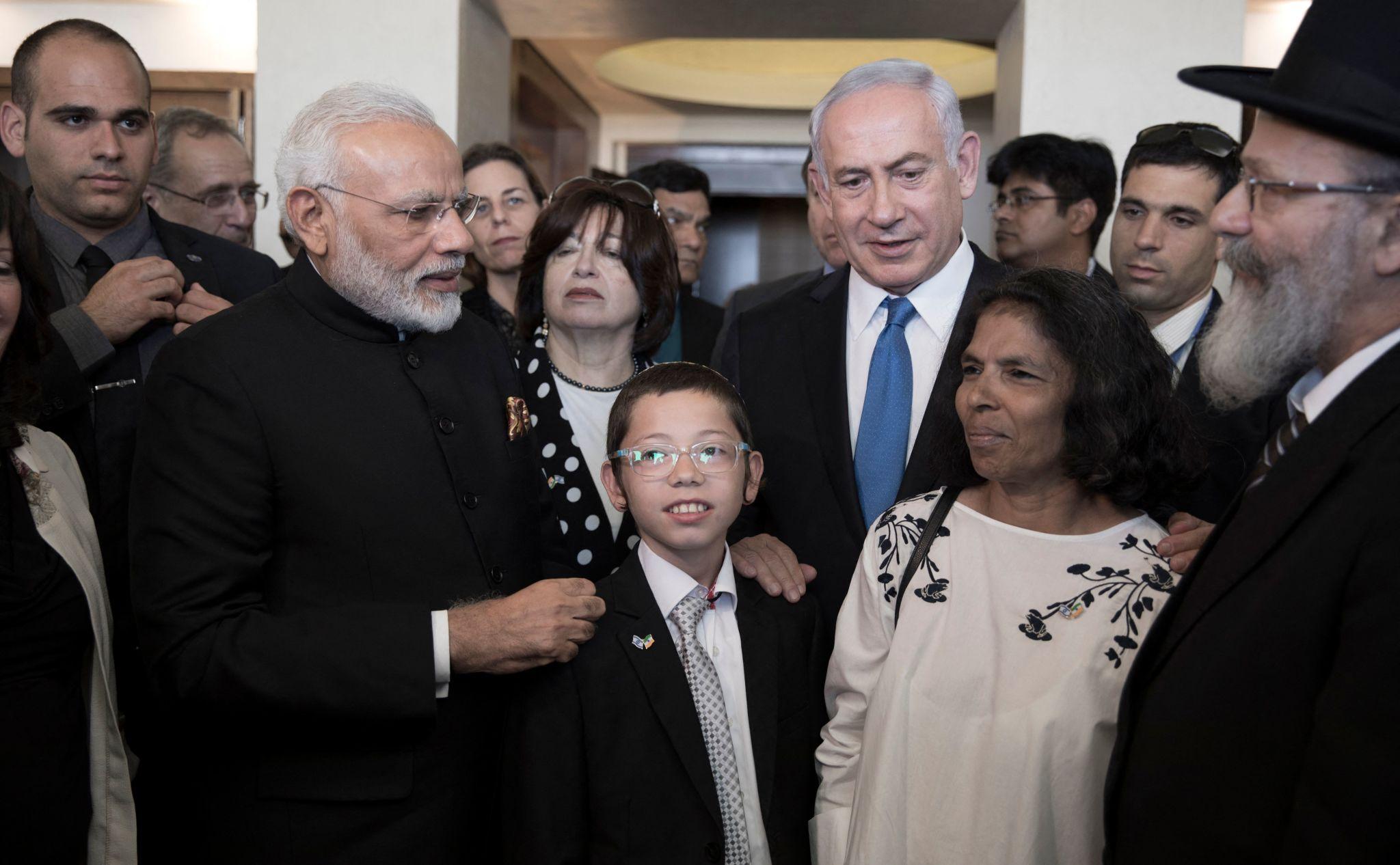
Jerusalem, Israel — February 25, 2026 — Brussels Morning Newspaper confirms that the Modi Netanyahu meeting held today in Jerusalem marks a decisive moment in the strategic evolution of relations between India and Israel. Indian Prime Minister Narendra Modi and Israeli Prime Minister Benjamin Netanyahu convened for high level talks focused on defense, technology, trade expansion, and regional security coordination. The visit includes a formal address to the Knesset, reinforcing parliamentary and democratic ties.
Strategic Dialogue at a Time of Global Realignment
The Modi Netanyahu meeting takes place amid a shifting geopolitical landscape defined by regional instability, evolving security alliances, and intensifying technological competition. Both leaders entered discussions emphasizing resilience, innovation, and economic sovereignty.
Officials described the engagement as forward looking and pragmatic. Rather than signaling abrupt change, the summit reinforced policy continuity anchored in shared democratic values and mutual security interests. Diplomatic sources indicate that both governments aimed to deepen trust while expanding cooperation into new domains including artificial intelligence, cybersecurity infrastructure, and climate adaptation technologies.
The timing of the talks underscores the importance both nations place on diversified alliances in an increasingly multipolar world.
Defense Cooperation Anchors Bilateral Trust
Security collaboration formed a central pillar of the Modi Netanyahu meeting. Over the past decade, Israel has emerged as one of India’s most reliable defense partners, supplying advanced systems and engaging in joint research initiatives.
Discussions focused on expanding cooperation in missile defense systems, unmanned aerial platforms, and maritime security operations. Cyber defense and space based surveillance technologies were also highlighted as areas requiring enhanced collaboration.
A senior Israeli official stated,
“Our partnership with India reflects not only shared interests but shared responsibility for regional stability.”
Both sides reaffirmed intelligence sharing mechanisms aimed at counterterrorism coordination and strategic threat assessment.
Trade and Investment Expansion in Focus
Economic growth and innovation driven investment were key themes during the Modi Netanyahu meeting. Bilateral trade has diversified significantly, with sectors such as pharmaceuticals, digital services, agriculture technology, and renewable energy gaining momentum.
Business delegations accompanying the leaders participated in investment forums exploring venture capital flows, startup exchanges, and infrastructure development opportunities. Israeli firms view India’s expanding manufacturing ecosystem as an attractive destination, while Indian enterprises are increasingly engaging with Israel’s globally recognized innovation landscape.
The leaders agreed to accelerate negotiations aimed at reducing trade barriers and facilitating smoother cross border investment.
Technology Diplomacy and Innovation Synergy
The Modi Netanyahu meeting placed substantial emphasis on technological cooperation. Both countries identify innovation as a strategic asset critical to long term economic resilience.
Artificial intelligence research, cybersecurity defense frameworks, semiconductor collaboration, and digital health platforms were discussed as potential areas for joint development. Academic partnerships and research exchanges are expected to expand following the summit.
Prime Minister Modi remarked during bilateral talks,
“Innovation binds our nations together, empowering us to transform challenges into opportunities for our citizens.”
Observers note that technology diplomacy has become a defining feature of the India Israel partnership.
Address to the Knesset Highlights Democratic Solidarity
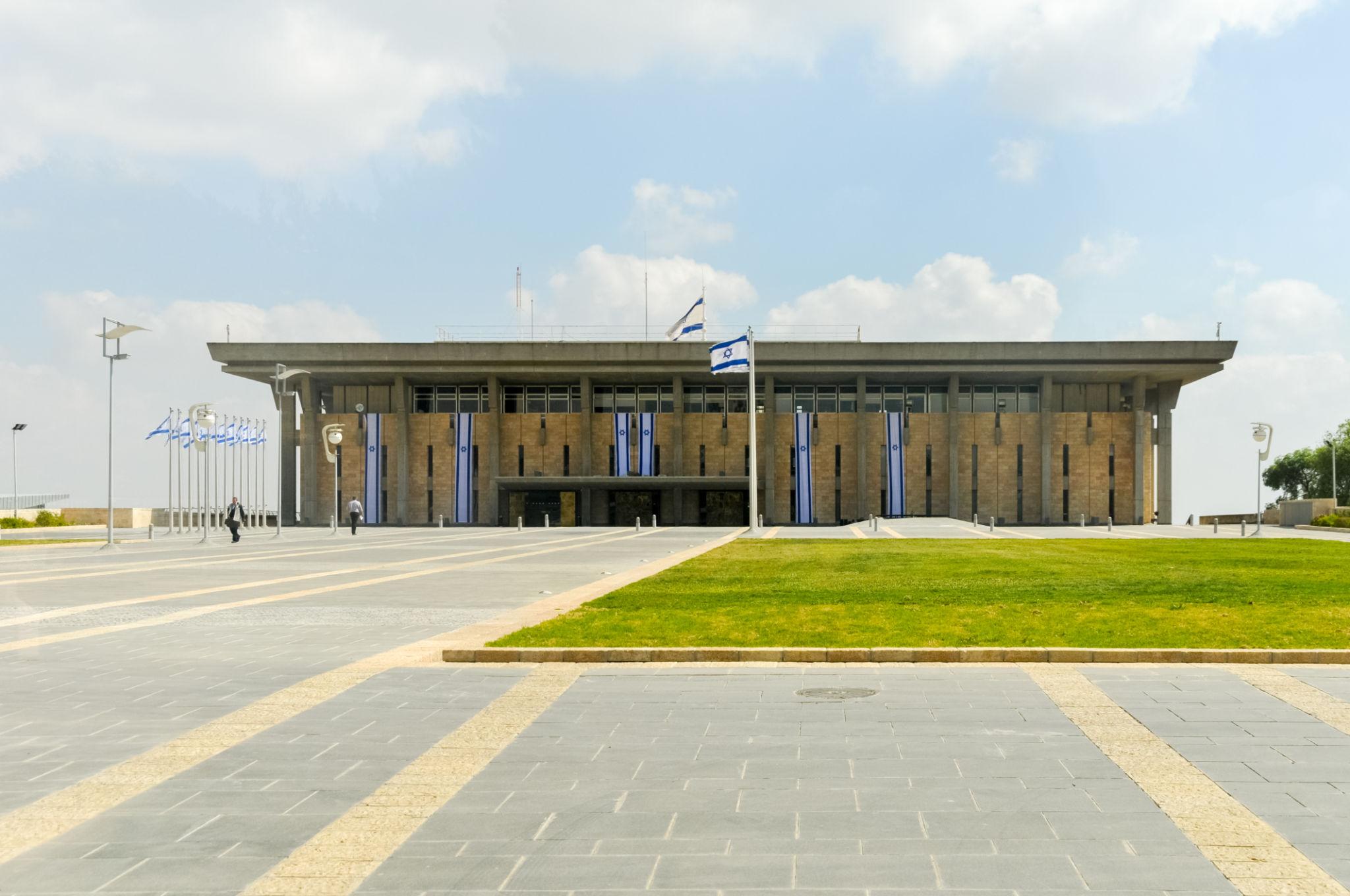
A significant milestone of the visit is the formal address delivered to the Knesset. The speech underscored parliamentary respect and democratic solidarity between the two nations.
In his address, Modi emphasized cooperation rooted in shared values, innovation, and economic progress. The chamber responded with bipartisan acknowledgment of the deepening relationship.
The symbolic nature of addressing the Knesset reinforces the institutional dimension of bilateral ties beyond executive leadership.
Regional Stability and Global Positioning
The Modi Netanyahu meeting carries implications beyond bilateral cooperation. India maintains diplomatic engagement across the Middle East while pursuing strategic autonomy in foreign policy. Strengthened ties with Israel demonstrate a calibrated approach balancing diverse regional relationships.
Energy security, maritime corridor stability, and multilateral climate cooperation were discussed as broader areas of alignment. Analysts suggest that the partnership may influence emerging trade corridors connecting Asia, Europe, and the Middle East.
Israel views expanded engagement with India as an opportunity to deepen economic outreach into South Asia’s rapidly growing markets.
Agricultural and Water Innovation Cooperation
Agricultural research and water management collaboration continue to define practical aspects of bilateral engagement. Israeli drip irrigation systems and desert agriculture technologies have already been implemented across multiple Indian states.
During the Modi Netanyahu meeting, both leaders reaffirmed commitment to expanding climate resilient crop research and water recycling initiatives. Experts highlight the growing importance of such cooperation amid global food security challenges and environmental stress.
Joint research centers are expected to broaden knowledge exchange in sustainable agriculture and efficient water usage.
Financial Markets and Investment Confidence
Financial analysts interpret the Modi Netanyahu meeting as reinforcing investor confidence in long term bilateral stability. Clear diplomatic signaling often contributes to predictable policy environments that attract foreign direct investment.
Infrastructure modernization, digital transformation initiatives, and renewable energy collaboration are likely to generate sustained economic benefits. Both leaders emphasized transparency and regulatory cooperation to facilitate private sector participation.
Investment councils established following earlier summits are expected to reconvene in the coming months to implement agreed frameworks.
Public and Political Perspectives
Public reactions in both countries have largely supported expanded cooperation. Business leaders welcomed commitments to innovation and trade facilitation, while defense analysts underscored the strategic logic of deeper security coordination.
Some commentators emphasize the importance of maintaining balanced diplomatic outreach across the broader Middle East. Nevertheless, the prevailing narrative centers on pragmatic engagement driven by mutual national interests.
The Modi Netanyahu meeting reflects an evolution from transactional cooperation to comprehensive strategic alignment.
Historical Evolution of India Israel Relations
The trajectory of India Israel relations has evolved significantly since formal diplomatic recognition in the early 1990s. Initial engagement focused on limited security cooperation, gradually expanding into agriculture, science, and economic collaboration.
Over successive administrations, high level exchanges have normalized and institutionalized bilateral frameworks. The Modi Netanyahu meeting represents the continuation of this historical progression, reflecting maturity and strategic depth.
Previous visits by both leaders laid groundwork for defense agreements and innovation partnerships that now form the foundation of contemporary cooperation.
Future Roadmap for Bilateral Engagement
The leaders concluded the summit by outlining a roadmap for continued dialogue. Ministerial working groups will focus on defense research, digital security infrastructure, and renewable energy expansion.
The Modi Netanyahu meeting is expected to catalyze further collaboration in emerging sectors including space technology, fintech innovation, and health sciences research.
Policy continuity remains central to both governments’ approach, emphasizing gradual expansion rather than abrupt shifts in direction.
Strategic Convergence in a Multipolar Era
In an increasingly complex global environment, the significance of the Modi Netanyahu meeting lies in its demonstration of strategic convergence. Both nations seek economic resilience, technological leadership, and security preparedness amid evolving international dynamics.
By reinforcing democratic solidarity and innovation driven cooperation, India and Israel continue to position their partnership as a stable pillar within broader global realignments.
As the summit concludes in Jerusalem, diplomatic observers anticipate sustained engagement translating commitments into measurable outcomes across defense, trade, and technology sectors.