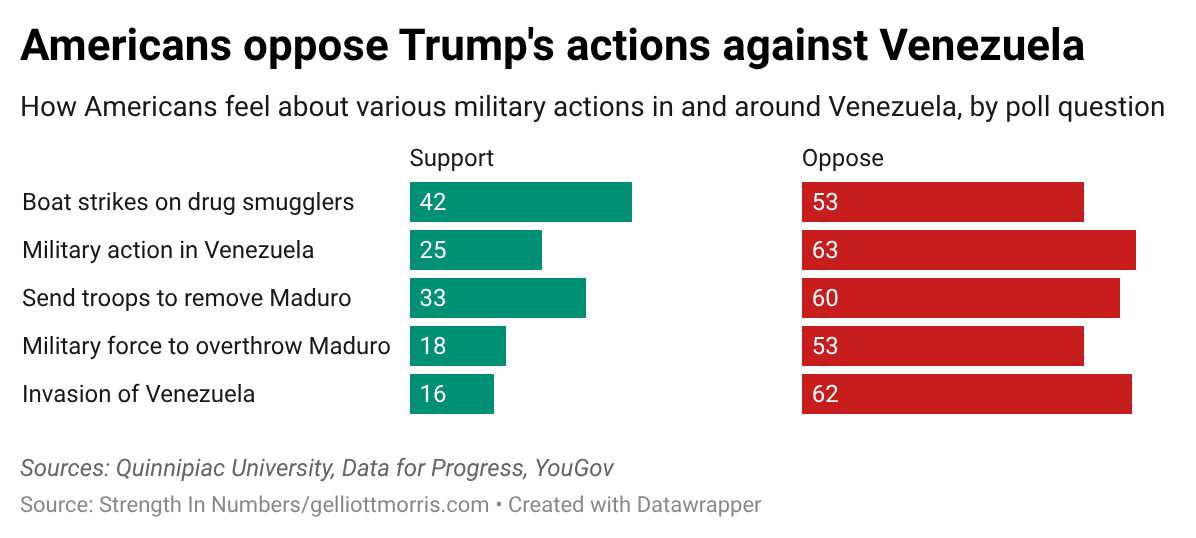
Washington DC, 2026 — Coverage by Brussels Morning Newspaper has placed renewed international attention on the United States after the release of the Maduro abduction poll 2026, a survey showing the American public sharply divided over the reported seizure of Venezuelan President Nicolás Maduro. The findings reveal a nation wrestling with questions of international law, national security, and moral authority at a time when global tensions are already running high.
The poll, conducted nationwide across political, demographic, and regional lines, underscores how foreign policy has become as polarizing as domestic politics. With respondents nearly evenly split, the results reflect not confusion, but deeply held and opposing views about America’s role on the world stage.
Understanding the Poll Results
At its core, the Maduro abduction poll 2026 highlights a precise divide. Approximately half of respondents believe the action was justified under extraordinary circumstances, while the other half describe it as a dangerous overreach. Analysts say this split mirrors broader uncertainty about how far the United States should go when confronting authoritarian governments abroad.
Supporters of the action frame it as a strategic move aimed at protecting regional stability. Opponents argue it undermines international norms that the U.S. has historically promoted. The near-even breakdown suggests that neither argument has achieved dominance in public discourse.
Why Venezuela Remains a Flashpoint
Venezuela has long occupied a symbolic place in U.S. foreign policy debates. Economic collapse, humanitarian crises, and mass migration have kept the country in American headlines for years. The Maduro abduction poll 2026 demonstrates that public frustration with prolonged stalemates may be pushing some voters toward supporting more aggressive measures.
At the same time, others view Venezuela as a cautionary tale of what happens when external pressure replaces internal reform. For these Americans, the issue is not sympathy for leadership, but concern over precedent and unintended consequences.
Legal Interpretations Divide Experts
Legal scholars are split in ways that closely mirror public opinion. The Maduro abduction poll 2026 has intensified debate over whether international law allows for such actions under claims of national or regional security. Some experts argue that exceptions exist in extreme cases involving threats to peace.
Others counter that sovereignty remains a cornerstone of global stability. They warn that weakening it invites reciprocal actions by rival states, potentially placing U.S. leaders or allies at risk in future conflicts.
Ethical Concerns and Human Rights
Human rights organizations have raised alarms following the poll’s release. According to advocates, the Maduro abduction poll 2026 reflects a troubling willingness among portions of the public to compromise ethical standards when outcomes appear expedient.
Critics argue that endorsing abduction, even indirectly, risks normalizing tactics traditionally condemned by democratic societies. Supporters respond that moral clarity becomes complicated when diplomacy repeatedly fails to produce change.
Media Influence on Public Perception
Media framing has played a significant role in shaping reactions. Coverage emphasizing security threats has tended to increase approval, while reports focused on legality and fallout drive opposition. The Maduro abduction poll 2026 shows how narrative emphasis can shift public sentiment without changing underlying facts.
Social media has further amplified divisions, often reducing complex policy questions into emotionally charged arguments. This environment makes consensus increasingly difficult.
Political Ramifications in Washington
For lawmakers, the Maduro abduction poll 2026 presents a strategic challenge. Supporting the action risks alienating voters concerned about escalation, while opposing it can be framed as weakness on foreign policy. Neither position offers clear political safety.
Bipartisan discomfort is evident. Even among those who support the action, many express unease about potential retaliation, economic consequences, or diplomatic isolation.
International Reactions and Alliances
Global response has been cautious. Allies have called for clarification, while adversarial governments have condemned the move. The Maduro abduction poll 2026 mirrors similar divisions abroad, suggesting the issue is not uniquely American but part of a broader debate over global power and restraint.
Diplomats warn that normalization of such actions could erode the rules-based international order that has governed state behavior for decades.
Historical Context Shapes Opinion
Public memory of past interventions plays a significant role. Americans who recall long-term conflicts with unclear outcomes are more likely to oppose aggressive actions. The Maduro abduction poll 2026 reflects this historical awareness, especially among older voters who lived through previous foreign policy miscalculations.
Conversely, some see decisive action as a way to avoid prolonged instability, arguing that inaction carries its own risks.
Generational and Regional Differences
The poll reveals notable demographic trends. Younger Americans tend to oppose the action, citing international law and humanitarian concerns. Older respondents are more divided, often framing the issue through national security lenses shaped by earlier geopolitical eras.
Regionally, opinions vary based on proximity to immigrant communities affected by Venezuela’s crisis, adding another layer of complexity to the Maduro abduction poll 2026.
Trust, Transparency, and Government Messaging
One of the most striking findings is conditional support. Many respondents say their views could change with additional information. The Maduro abduction poll 2026 suggests that trust in official explanations remains fragile.
Calls for transparency have intensified, with experts arguing that clearer communication may be the only way to narrow the divide.
Economic and Security Implications
Beyond ethics and legality, economic concerns weigh heavily. Sanctions, trade disruptions, and market volatility are cited by respondents on both sides. The Maduro abduction poll 2026 indicates that Americans increasingly connect foreign policy decisions to domestic economic outcomes.
Security analysts also warn of asymmetric responses, including cyber operations or proxy conflicts that could affect U.S. interests globally.
The Role of Public Opinion in Foreign Policy
Historically, foreign policy was shaped largely by elites. That dynamic is changing. The Maduro abduction poll 2026 demonstrates that public opinion now exerts measurable pressure on decision-makers, particularly in election cycles.
Politicians are increasingly aware that ignoring public sentiment on international issues carries electoral risk.
A Single Voice Captures the Debate
“The American public is no longer debating whether power should be used, but how responsibly it must be exercised in a world that is watching,” one foreign policy analyst said.
Looking Ahead to Policy Decisions
As debate continues, the Maduro abduction poll 2026 is likely to influence congressional hearings, diplomatic engagements, and campaign messaging. Whether it leads to policy change remains uncertain, but its impact on discourse is undeniable.
Officials now face a narrow path: balancing deterrence with diplomacy while addressing public concern over legitimacy and consequences.

When Power Meets Public Judgment
The ongoing reaction to the poll highlights a defining tension of modern governance. Americans expect leadership, but they also demand accountability. The Maduro abduction poll 2026 encapsulates this contradiction, forcing a national conversation about values, power, and restraint.
A Nation at a Crossroads
Ultimately, the poll is less about one leader and more about America’s evolving identity. As global challenges grow more complex, the Maduro abduction poll 2026 serves as a reminder that democratic societies must continually reassess how they wield influence beyond their borders.
When Division Shapes the Future
In the end, this moment may be remembered not for the action itself, but for the debate it ignited. The Maduro abduction poll 2026 stands as evidence that public opinion has become an active force in shaping foreign policy, ensuring that future decisions will be judged not only by outcomes, but by the principles behind them.