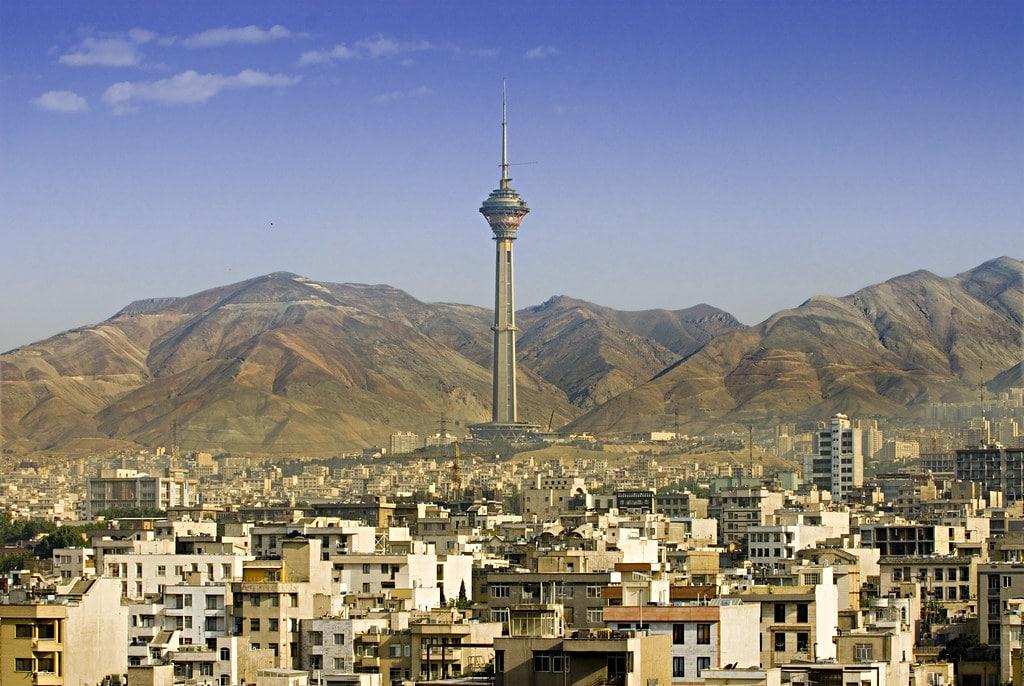
Washington, 25 October, (Brussels Morning Newspaper) – US President Donald Trump has raised the possibility of launching fresh military strikes against Iran as early as Sunday while leaving open the prospect of a major diplomatic agreement with Tehran. The latest Iran strike threat comes amid renewed tensions over the Strait of Hormuz, American naval restrictions and unresolved negotiations to end the conflict.
Speaking to reporters in Florida on Saturday, 24 October, after casting his ballot, Trump declined to confirm whether another military operation was being prepared.
His comments have renewed uncertainty about Washington’s intentions as diplomatic efforts continue without a comprehensive settlement.
Trump Warns Iran of Possible Military Escalation
When questioned about another American attack, Trump refused to disclose operational details.
“Maybe tomorrow,” he said, before suggesting that Washington could instead reach what he described as a major agreement.
The remarks followed his appearance at a campaign rally in Fort Myers, Florida, on 23 October, where he discussed the possibility of further military action.
Trump told supporters:
“We may do another little Epic Fury, or they’ll agree.”
The statement referred to the previous US military campaign against Iran and indicated that the administration continued to regard military pressure as an option.
However, no final decision to launch another attack was publicly confirmed.
Iran Rejects Reports of Strait of Hormuz Agreement
The diplomatic dispute has centred increasingly on the Strait of Hormuz, a strategically important maritime passage for international energy supplies.
Reports suggested that Tehran had proposed reopening the waterway in exchange for Washington lifting its naval blockade.
Iran subsequently disputed accounts of such an offer, highlighting continuing disagreements over the terms of a possible settlement.
Earlier Reuters reporting described discussions about a phased arrangement involving restored shipping access and the removal of American restrictions.
Those negotiations faced difficulties because both governments were reluctant to surrender their bargaining positions before receiving concessions from the other side.
Iranian Officials Call for Renewed Diplomacy
Iranian Foreign Minister Abbas Araghchi has warned against further military escalation while indicating that Tehran remains prepared to consider negotiations.
In remarks reported on 21 October, Araghchi said Iran would give diplomacy another opportunity if Washington demonstrated a genuine willingness to reach a fair settlement.
He also warned that renewed warfare would carry serious consequences.
Separately, Iranian representatives have maintained that negotiations remain possible under the framework of earlier Pakistan-mediated arrangements.
Background to Growing US-Iran Tensions
The confrontation follows months of military operations, economic restrictions and unsuccessful attempts to establish a lasting agreement.
American military action earlier in 2026 targeted Iranian nuclear and military facilities, while Washington subsequently imposed maritime restrictions.
Negotiations have involved regional mediators, including Pakistan, with disagreements continuing over sanctions, nuclear activities and freedom of navigation.
The unresolved conflict has placed considerable pressure on international energy markets and regional security.
Why the Iran Crisis Matters for Brussels and Europe
The possibility of renewed military action has implications beyond the Middle East.
European governments, including Belgium, face potential economic consequences from disruptions to energy supplies and international shipping.
The Strait of Hormuz is an important route for global oil transportation, meaning prolonged restrictions could increase costs for businesses and consumers.
For Brussels and European Union policymakers, the Iran strike threat also raises questions about diplomatic coordination, regional stability and the protection of international trade.
What Happens Next in US-Iran Negotiations?
Washington has not publicly confirmed a timetable for further military operations, while diplomatic discussions remain unresolved.
Trump’s latest comments suggest that both military action and negotiations remain under consideration.
Any agreement would require progress on maritime restrictions, security guarantees and broader disputes surrounding Iran’s nuclear programme.
For now, the possibility of renewed conflict remains a significant concern as the United States and Iran weigh their next moves.