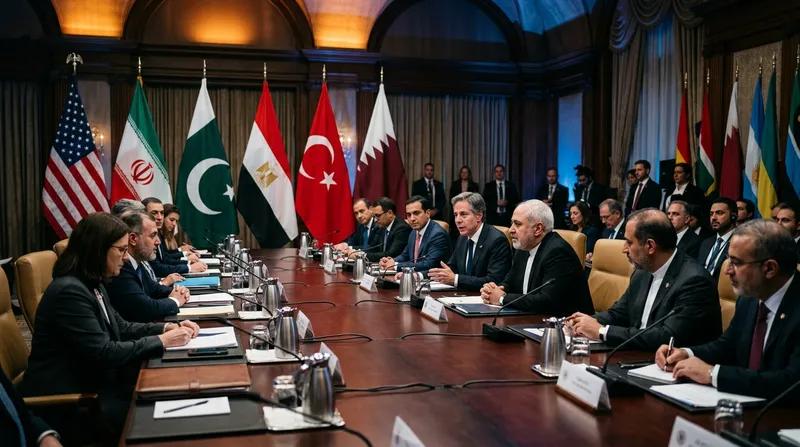
International, June 20 – Brussels Morning Newspaper — Breaking international news continues to focus on growing concerns that negotiations have lost momentum despite the optimism created by the signing of a Memorandum of Understanding (MoU). The agreement was initially welcomed as an important diplomatic breakthrough that could pave the way for broader cooperation. However, recent developments indicate that talks have become increasingly difficult, with key issues remaining unresolved and progress appearing slower than many officials and observers had anticipated.
The MoU was designed to establish a framework for continued dialogue rather than serve as a final agreement. Since its signing, several rounds of negotiations have taken place, but public statements and diplomatic updates suggest that disagreements over implementation, timelines, and mutual commitments continue to delay meaningful progress. As a result, international attention has shifted from optimism to cautious observation.
“An MoU is only the first step. Real progress depends on sustained political commitment and successful implementationInternational diplomatic analyst
Officials have not indicated that negotiations have collapsed, but they acknowledge that discussions have become more challenging. Analysts note that this situation is not uncommon during complex diplomatic processes involving multiple political, economic, and security considerations. Negotiations often experience periods of slow movement before significant breakthroughs are achieved.
Market observers are also monitoring the talks closely because diplomatic uncertainty can influence investor confidence, trade planning, and regional economic expectations. Businesses and governments generally prefer predictable diplomatic relationships, making continued negotiations important even when progress appears limited.
Experts emphasize that Memorandums of Understanding are intended to create opportunities for future agreements rather than resolve every dispute immediately. While the current pace of negotiations has raised concerns, diplomatic channels remain open, allowing room for compromise and renewed momentum if both sides demonstrate greater flexibility.
The coming weeks are expected to be critical as negotiators attempt to narrow remaining differences and identify practical solutions that could restore confidence in the process. Whether discussions regain forward momentum will largely depend on the willingness of all parties to move beyond existing disagreements and focus on shared objectives.
Although negotiations currently appear to be moving backwards compared with expectations immediately following the MoU, history shows that diplomatic talks often progress unevenly before reaching lasting agreements. International observers will continue monitoring future meetings for signs that constructive dialogue can resume and produce meaningful results.