TEHRAN, Iran, 14 October, (Brussels Morning Newspaper) – Iran has introduced new tactics targeting commercial vessels in the Strait of Hormuz, intensifying concerns about international maritime security, rising oil prices and the disruption of global energy supplies.
The latest Strait of Hormuz attacks come as Iranian officials acknowledge changes in the frequency and geographical reach of operations against shipping, with the conflict increasingly affecting commercial vessels beyond the narrow waterway.
According to Reuters, two senior Iranian officials confirmed on Wednesday that Tehran had adopted new offensive tactics against ships it considers to be violating its restrictions.
Iran Expands Maritime Attacks Beyond Hormuz
The escalation follows a series of incidents involving oil tankers and cargo vessels travelling through the Persian Gulf and surrounding waters.
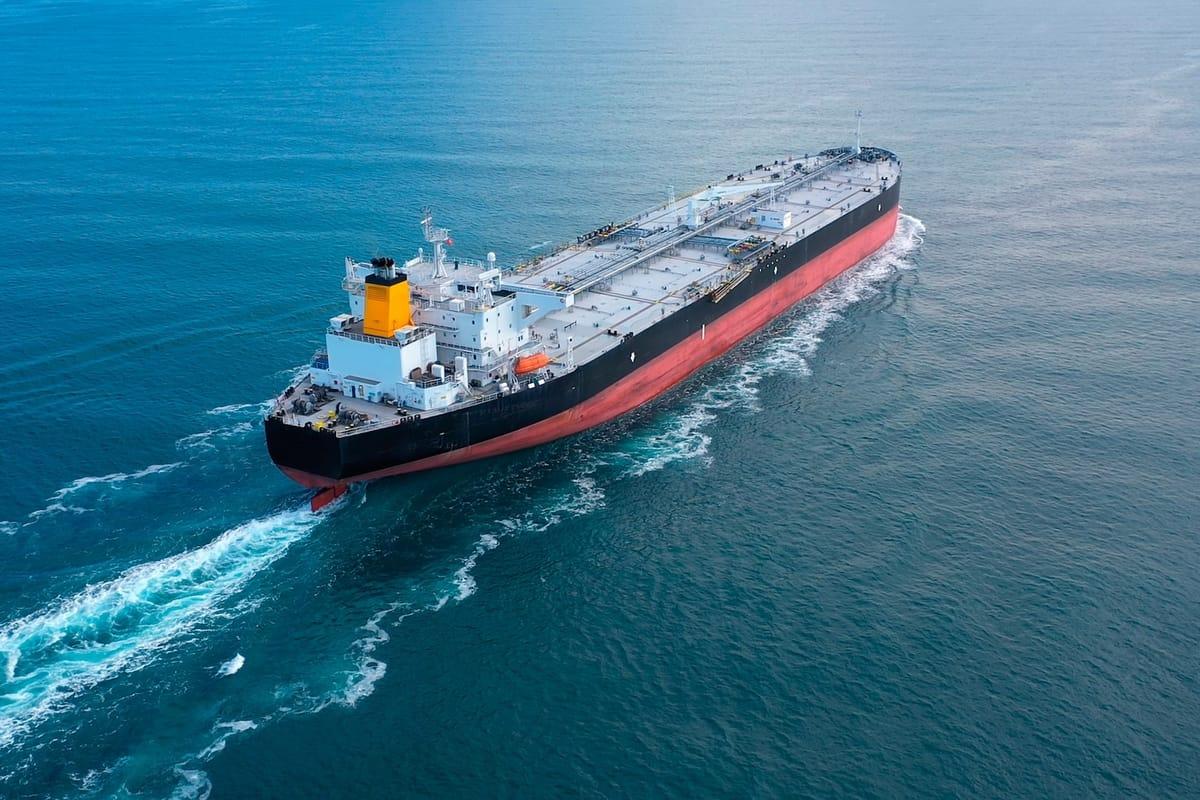
On 11 October, six commercial vessels were reported struck in and around the Strait of Hormuz, including five tankers and a container ship.
The United Kingdom Maritime Trade Operations (UKMTO) subsequently published additional warnings involving vessels hit by unidentified projectiles.
In one incident on 10 October, an outbound tanker was struck on its port side, causing a fire aboard the vessel. UKMTO confirmed that the crew were safe, although the extent of the damage remained unclear.
Other incidents have been reported near Oman, Qatar and the United Arab Emirates, suggesting that maritime security risks are extending beyond the strait itself.
Iranian Officials Confirm New Shipping Strategy
Reuters reported that Tehran’s revised approach includes changes in both the methods and frequency of attacks.
One senior Iranian official told the news agency:
“The aim is to frustrate efforts by the United States and its allies to bring down global oil prices.”
The officials also described efforts to increase pressure on Washington ahead of the November US midterm elections.
A US military official separately confirmed that Iran’s Islamic Revolutionary Guard Corps had begun using small boats carrying unarmed observers to identify potential targets following damage to Iranian radar capabilities.
However, the origin of individual projectiles remains under investigation in several maritime incidents.
Oil Markets Face Renewed Supply Pressure
The Strait of Hormuz is among the world’s most important energy transport routes, connecting Gulf oil-producing countries with international markets.
Before the conflict began in February, approximately one-fifth of global oil and liquefied natural gas trade passed through the waterway.
Attacks and shipping restrictions have significantly reduced traffic, increasing costs for vessel operators and creating uncertainty for energy importers.
Reuters reported on 14 October that Brent crude prices had risen amid concerns about further disruption.
Higher transport costs, insurance premiums and longer shipping routes can increase the final cost of imported energy products.
Why the Escalation Matters for Europe
European countries, including Belgium, remain exposed to international energy price fluctuations even when their oil and gas supplies do not travel directly through the Strait of Hormuz.
Prolonged disruption could increase operating costs for transport companies, manufacturers and energy-intensive industries.
For Brussels and European Union policymakers, the developments reinforce concerns about energy security, supply diversification and the protection of international shipping routes.
The situation also places additional attention on the safety of civilian seafarers operating in conflict-affected waters.
What Happens Next for International Shipping?
The US Navy-led Joint Maritime Information Center has assessed the threat to commercial shipping in the Strait of Hormuz as severe.
UKMTO continues to issue security advisories and urges vessels to report suspicious activity.
Iranian officials have warned of further restrictions on ships that do not comply with Tehran’s requirements, although a complete closure has not been independently confirmed.
With Strait of Hormuz attacks continuing, shipping operators and energy markets face further uncertainty over the restoration of secure commercial navigation.
Diplomatic developments, maritime security assessments and the frequency of additional incidents will determine how quickly shipping conditions can improve.