Gaza, February 7, 2026 — Brussels Morning Newspaper observes that Gaza has become the focal point of an intensifying international debate as governments, legal scholars, and humanitarian organizations confront allegations of international law violations Israel, placing unprecedented scrutiny on military conduct, civilian protection, and global accountability standards.
What was once a regional conflict discussion has now evolved into a defining issue for the international legal order, with Gaza’s humanitarian reality shaping diplomatic, legal, and political conversations worldwide.
Humanitarian Emergency Continues to Escalate
Humanitarian agencies describe conditions in Gaza as increasingly dire. Medical facilities struggle to operate amid fuel shortages, damaged infrastructure, and limited access to essential supplies. Clean water remains scarce in several districts, while displacement continues to rise as families seek safety amid ongoing instability.
International observers note that the severity of the crisis has intensified attention on international law violations Israel, particularly regarding obligations to protect civilians and ensure humanitarian access during armed conflict.
A senior aid official working in Gaza said,
“The scale of civilian suffering makes it impossible to separate humanitarian need from legal responsibility.”

Civilian Infrastructure Under Sustained Strain
Hospitals, schools, and residential areas have borne the brunt of the damage. Independent monitoring groups report repeated impacts on civilian structures, raising concern among legal experts about compliance with humanitarian principles.
Satellite imagery and field assessments indicate that entire neighborhoods have been severely affected, reinforcing allegations of international law violations Israel related to proportionality and distinction between civilian and military targets.
Diplomatic Positions Begin to Shift
As images and reports from Gaza circulate globally, diplomatic positions are showing signs of strain. While some governments continue to stress security imperatives, others increasingly highlight legal accountability and civilian protection.
A European official involved in multilateral talks noted,
“There is growing pressure within diplomatic circles to reassess long-standing positions in light of legal risk.”
This shift reflects the expanding influence of international law violations Israel within policy discussions that were once dominated primarily by political considerations.
United Nations at the Center of Legal Scrutiny
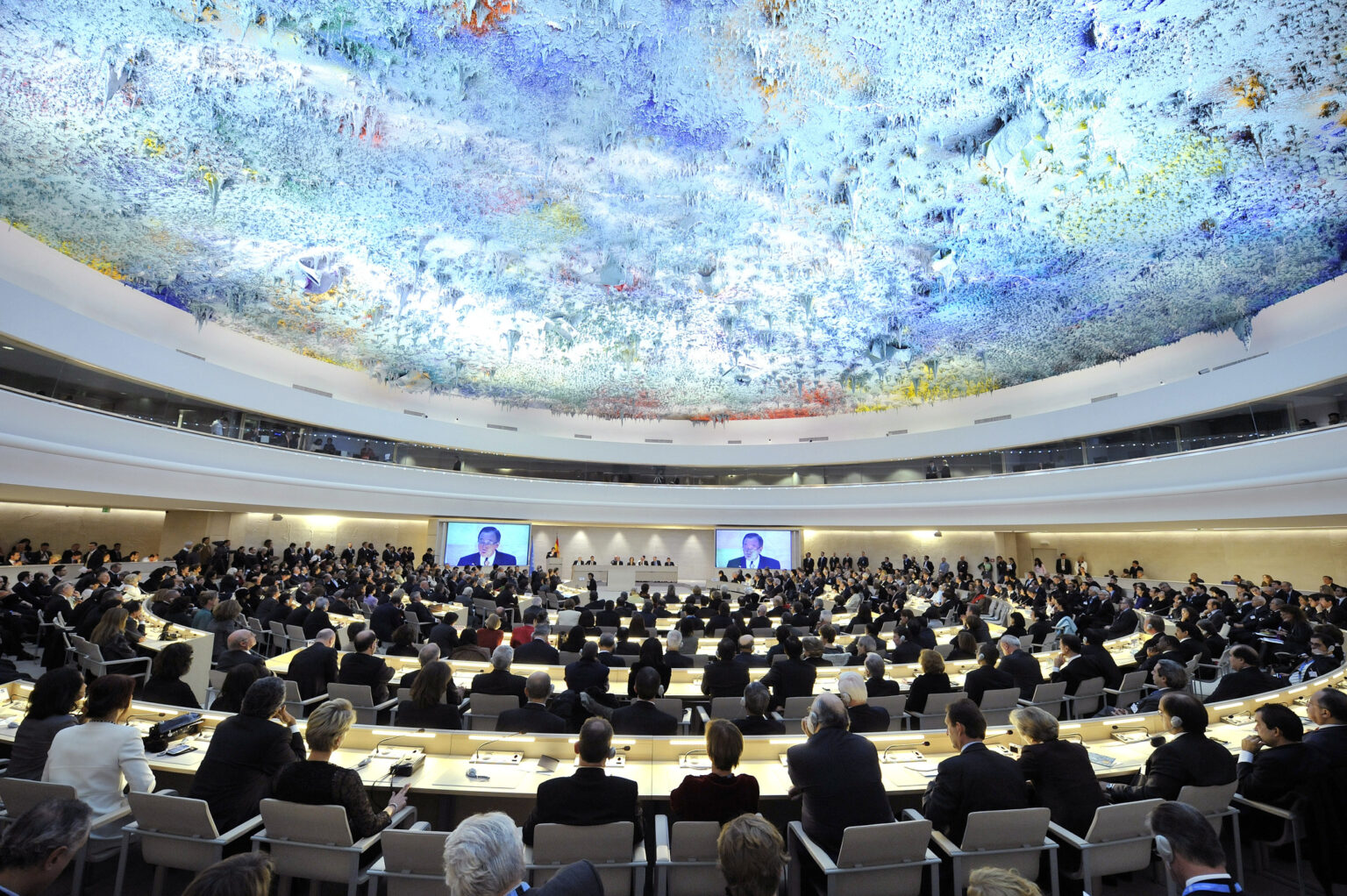
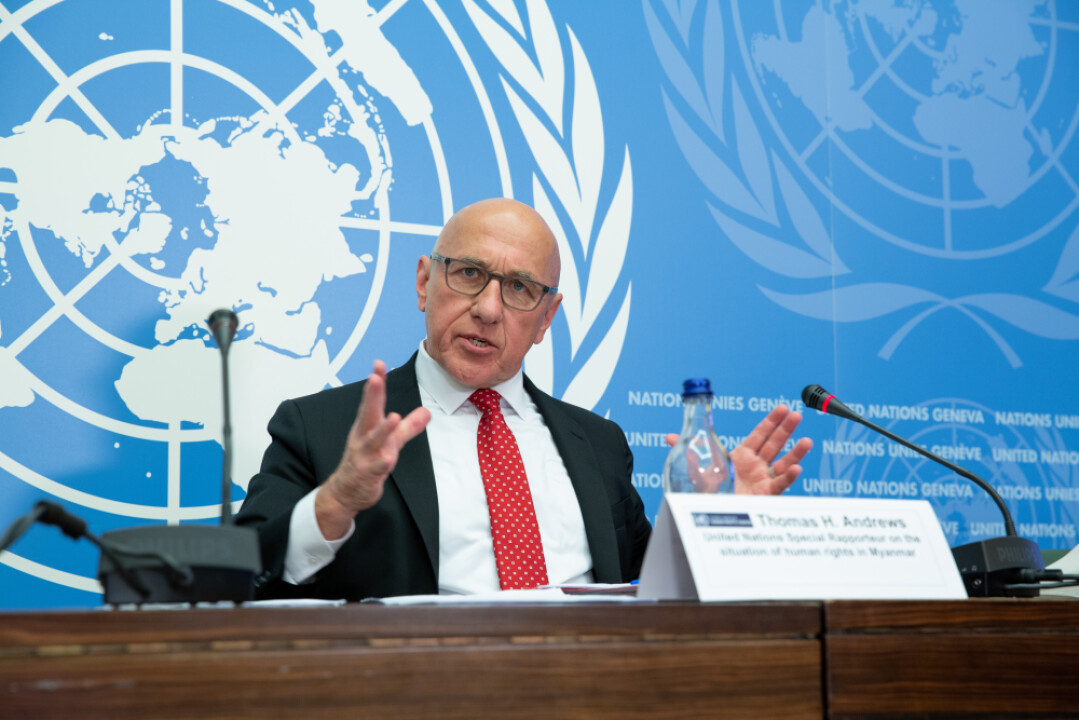
The United Nations has taken a central role in documenting humanitarian conditions and assessing legal implications. UN-appointed experts have repeatedly warned that failure to address alleged abuses risks undermining the integrity of the international legal framework.
One UN official stated,
“International law depends on consistent application. When that consistency erodes, so does global trust.”
Such warnings underline the growing concern that international law violations Israel could weaken the broader rules-based order.
Civil Society Mobilization Expands Worldwide
Civil society groups have intensified advocacy efforts, organizing demonstrations, legal actions, and awareness campaigns across multiple continents. Universities, professional legal associations, and humanitarian networks have also amplified calls for accountability.
Activists argue that overlooking international law violations Israel undermines the credibility of international institutions designed to protect civilians during armed conflict.
A spokesperson for an international human rights coalition said,
“This moment will define whether humanitarian law remains meaningful in practice.”
Economic and Trade Implications Gain Attention
Beyond humanitarian and legal consequences, economic and trade implications are increasingly discussed. Several governments are reviewing arms export licenses and bilateral agreements amid concerns about legal exposure.
Policy analysts suggest that allegations of international law violations Israel may influence future trade and security cooperation decisions, particularly within regions that prioritize legal compliance in foreign policy.
This evolving dynamic illustrates how legal accountability now intersects directly with economic considerations.
Media Coverage and Public Opinion Evolve
Media coverage has expanded beyond immediate conflict updates to include in-depth legal analysis. Public interest in understanding humanitarian law principles has grown, prompting outlets to provide explanatory reporting alongside breaking news.
Editors report that audiences increasingly seek clarity on how international law violations Israel fit within broader global legal norms rather than viewing events in isolation.
Historical Foundations of the Legal Debate
The legal questions surrounding Gaza are rooted in decades of international humanitarian law development. Since the mid-20th century, treaties and conventions have sought to limit civilian harm and regulate conduct during hostilities.
Previous conflicts in the region tested these frameworks, but experts argue the current crisis has elevated concerns about international law violations Israel to a scale that challenges existing enforcement mechanisms.
This historical context explains why the present situation carries implications far beyond Gaza itself.
Legal Experts Warn of Global Consequences
International law specialists caution that inconsistent enforcement sets dangerous precedents. If alleged violations go unaddressed, other actors may feel emboldened to disregard civilian protections in future conflicts.
A senior legal scholar commented,
“What happens in Gaza will influence how humanitarian law is interpreted worldwide.”
Such perspectives emphasize why international law violations Israel resonate deeply within legal communities across the globe.
Regional Stability and Security Risks
Prolonged instability in Gaza continues to affect regional dynamics. Neighboring states face economic pressures, humanitarian spillover, and diplomatic challenges linked to the ongoing crisis.
Unresolved allegations of international law violations Israel complicate mediation efforts, making trust-building among stakeholders more difficult.
Security analysts warn that without credible accountability, prospects for long-term stability remain uncertain.
Accountability Mechanisms Under Review
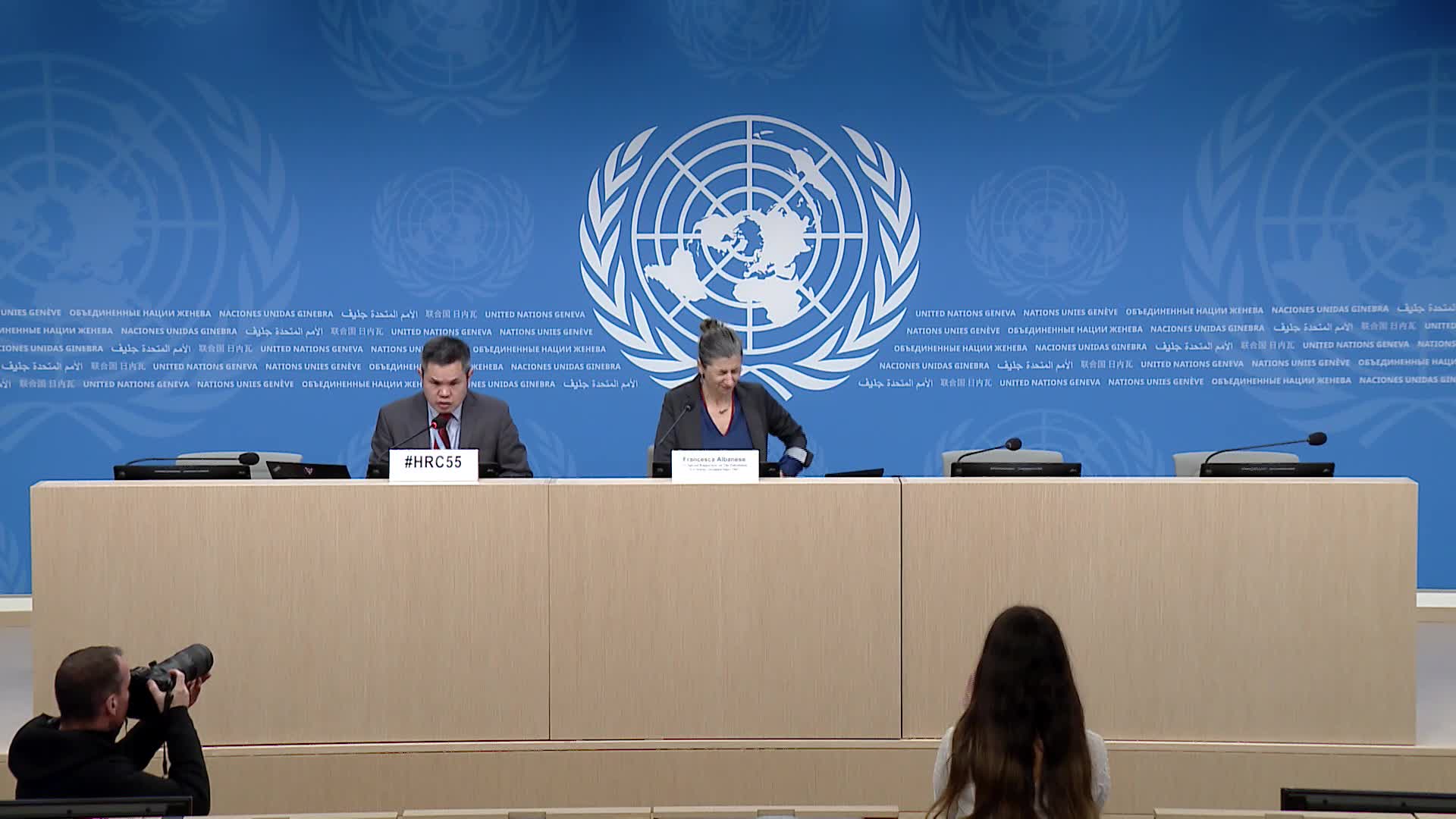
Calls for independent investigations and transparent legal processes continue to grow. International institutions face mounting expectations to respond decisively and impartially.
A UN-affiliated investigator remarked,
“The question is no longer whether concerns exist, but whether the international community will act on them.”
This sentiment reflects frustration over delayed responses to international law violations Israel.
A Defining Test for the International System
Observers describe the Gaza situation as a defining test for the global legal order. The consistent application of humanitarian law, regardless of political alliances, will determine the credibility of international governance structures.
Failure to address international law violations Israel risks accelerating the erosion of norms designed to protect civilians during armed conflict.