Washington, February 7, 2026 — Brussels Morning Newspaper notes that economic pressure remains a dominant concern across the United States as US inflation prices continue to influence how households, businesses, and policymakers evaluate the nation’s financial trajectory. Although inflation growth has slowed compared with earlier peaks, everyday costs remain high enough to shape public sentiment and political debate.
Across cities and rural communities alike, Americans describe an economy where wages struggle to keep pace with essential expenses, reinforcing concerns that stabilization has not translated into relief.
Why Price Levels Still Matter to Consumers
Economists frequently stress the difference between inflation rates and price levels, a distinction that has become increasingly important in public discussion. While inflation measures the speed of price increases, it does not account for how high prices already are.
For many households, US inflation prices feel entrenched because cumulative increases over several years have permanently altered spending patterns. Even as inflation cools, prices rarely fall back to earlier levels, creating a sense of prolonged financial strain.
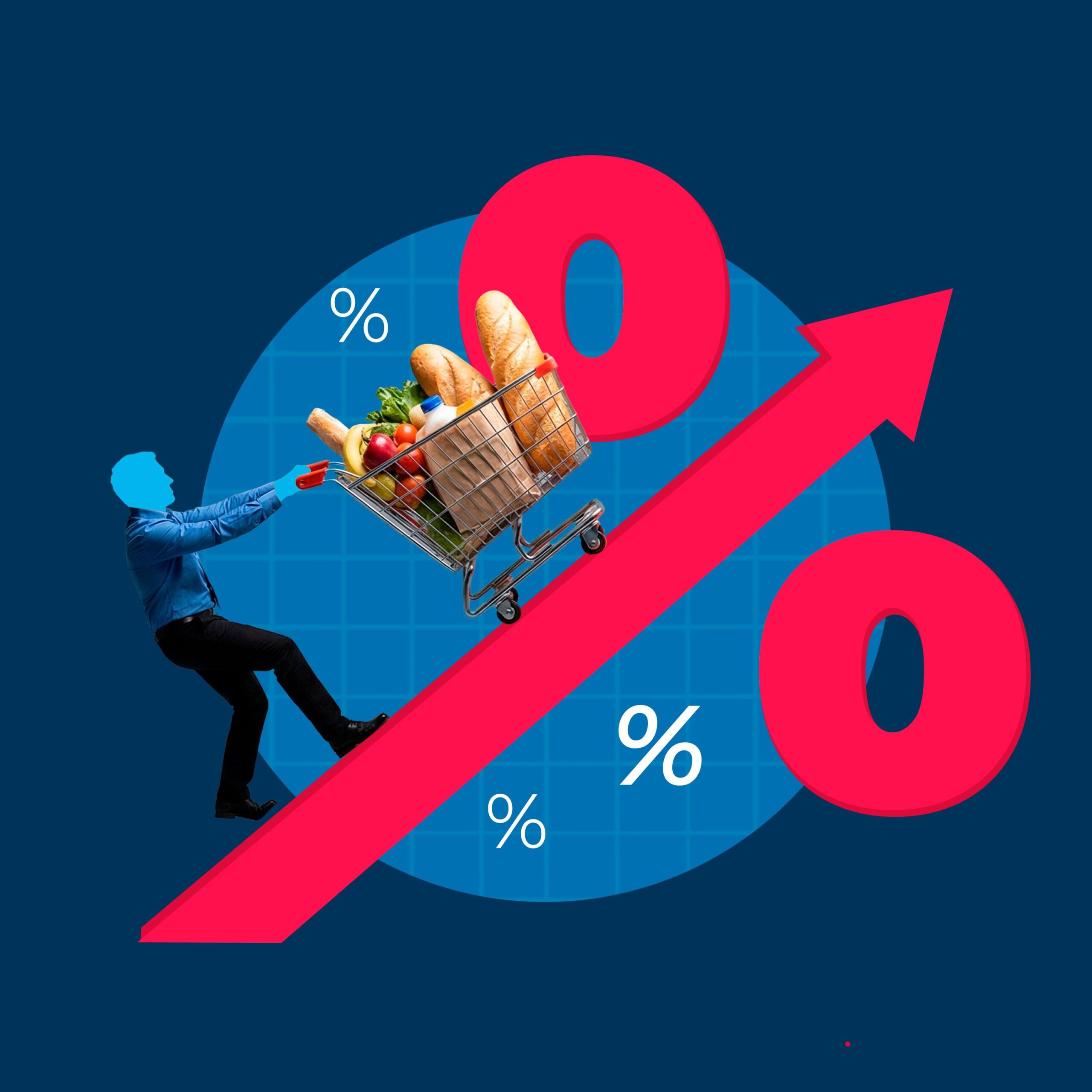
Household Budgets Adjust to a Higher Cost Base
Consumer behavior data reveals clear adjustments to sustained cost pressures. Families report cutting discretionary spending, postponing major purchases, and seeking out discounts more aggressively. Credit card usage has risen as households bridge gaps between income and expenses.
Financial planners warn that elevated US inflation prices have reduced the margin for error in household budgets, making emergencies more disruptive and long-term savings goals harder to achieve.
Food Costs Remain a Daily Challenge
Food prices continue to command attention in cost-of-living discussions. While price growth has slowed, grocery bills remain significantly higher than pre-pandemic norms.
Nutrition advocates highlight that US inflation prices in food disproportionately affect lower-income households, where essentials account for a larger share of monthly spending. This dynamic has intensified debates around food security and affordability.
Housing Affordability Pressures Persist
Housing remains one of the most stubborn contributors to high living costs. Rent levels have eased slightly in some markets, yet overall housing expenses remain elevated due to limited supply and borrowing costs.
Policy analysts argue that structural shortages have magnified the impact of US inflation prices, making housing affordability resistant to short-term monetary interventions.
Energy and Transportation Expenses Influence Daily Life
Energy prices have shown periods of fluctuation, providing temporary relief at times. However, transportation and utility costs remain elevated for many households, affecting commuting and daily operations.
These persistent expenses reinforce the broader perception that US inflation prices continue to shape financial decision-making well beyond headline inflation figures.
Federal Policy Choices Face Public Scrutiny
Federal policymakers face the challenge of addressing affordability without reigniting inflationary pressures. Interest rate policy, fiscal discipline, and targeted investment programs are all under examination as potential solutions.
Officials acknowledge that managing US inflation prices requires coordination across housing, labor markets, and supply chains rather than reliance on a single policy tool.

The Federal Reserve’s Role in the Inflation Debate
The Federal Reserve remains central to inflation management. Its tightening cycle helped slow inflation growth, but officials have emphasized that monetary policy alone cannot reverse accumulated price increases.
One senior central bank advisor said,
“Interest rates can influence demand, but they cannot undo years of price accumulation overnight.”
This reality explains why US inflation prices remain a central concern despite easing inflation trends.
Wage Growth and Purchasing Power
Wage gains have provided some relief, yet increases have not been evenly distributed across sectors or regions. In many industries, wages have struggled to keep pace with cumulative cost increases.
Economists caution that persistent gaps between earnings growth and US inflation prices could widen inequality and limit upward mobility if left unaddressed.
Small Businesses Navigate a New Cost Environment
Small businesses face unique pressures in the current economic climate. Higher input costs, labor expenses, and financing rates have narrowed profit margins, forcing difficult decisions.
Business owners often cite US inflation prices as a factor shaping pricing strategies, staffing levels, and expansion plans, particularly in consumer-facing industries.
Political Messaging and Voter Perceptions
Economic messaging has taken on heightened importance as political leaders emphasize stabilization and growth while voters focus on affordability. This divergence has fueled skepticism toward optimistic economic narratives.
Polling suggests perceptions of US inflation prices weigh heavily on voter confidence, often overshadowing improvements in macroeconomic indicators.
Media Coverage Shifts Toward Affordability
News coverage has increasingly emphasized practical explanations of cost pressures rather than abstract economic metrics. This shift reflects audience demand for clarity on why financial stress persists.
The sustained focus on US inflation prices has reshaped economic reporting, placing household experience at the center of analysis.
Historical Patterns of Inflation and Public Response
Inflation has repeatedly reshaped American political and economic landscapes. Past periods of elevated prices show that public concern often lingers long after inflation rates decline.
Historical comparisons suggest today’s US inflation prices follow a familiar pattern, where stabilization does not immediately restore confidence or purchasing power.

International Comparisons Offer Context
Other advanced economies face similar challenges, though outcomes vary based on housing supply, energy dependence, and fiscal structures. Comparative analysis highlights how domestic conditions amplify inflation’s impact.
In the United States, US inflation prices reflect both global disruptions and internal structural constraints.
Long-Term Structural Challenges Ahead
Economists emphasize that long-term affordability depends on productivity growth, housing construction, and infrastructure investment. Without structural reform, price pressures may persist even during periods of stable growth.
These dynamics suggest that US inflation prices will remain a central policy challenge beyond the current year.
Public Confidence and Economic Trust
Surveys indicate that trust in economic leadership closely tracks perceptions of affordability. Growth alone does not restore confidence if everyday costs remain high.
As long as US inflation prices continue to strain household budgets, skepticism toward economic messaging is likely to endure.
A Critical Moment for Economic Leadership
Analysts describe 2026 as a pivotal year for addressing affordability. Incremental improvements may fall short of public expectations shaped by years of rising costs.
Effectively managing US inflation prices will require sustained political commitment and coordinated policy execution.
Outlook for the Remainder of 2026
As the year progresses, attention remains focused on whether policy initiatives translate into tangible relief. Housing supply measures, wage growth, and productivity gains will all influence outcomes.
The trajectory of US inflation prices is expected to play a decisive role in shaping economic behavior, political debate, and public trust in the months ahead.