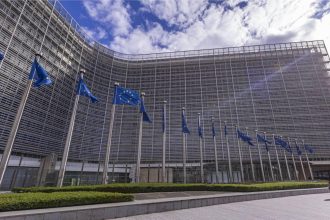
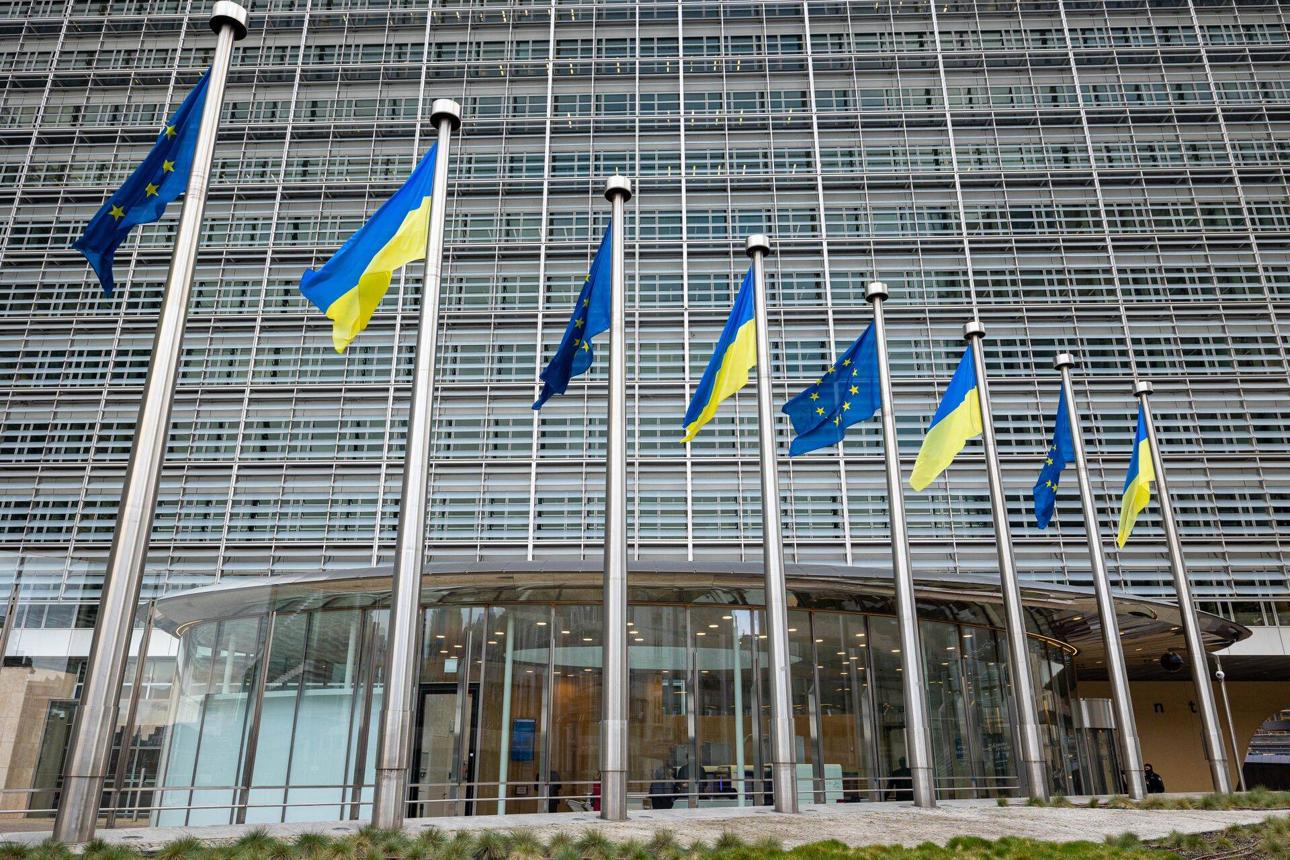
Brussels, Belgium, 25 October, (Brussels Morning Newspaper) – Hungary EU relations have entered a new phase following a diplomatic reset between Budapest and Brussels, marked by European Union funding decisions, anti-corruption reforms and renewed political engagement. Prime Minister Péter Magyar’s government has moved to restore cooperation with European institutions after years of disputes under former Prime Minister Viktor Orbán.
The improvement was highlighted on 23 October when European Commission President Ursula von der Leyen and European Council President António Costa attended commemorations in Budapest marking the 70th anniversary of Hungary’s 1956 uprising against Soviet rule.
Brussels Approves Major EU Funding Relief for Hungary
The Council of the European Union approved the lifting of budgetary restrictions on Hungary on 13 October 2026, following an assessment of reforms introduced by Magyar’s administration.
The decision concerns approximately €4.2 billion in suspended cohesion funding and restrictions affecting universities and research institutions.
The European Commission had proposed removing the measures on 23 September after concluding that Hungary had addressed shortcomings affecting the protection of EU financial interests.
However, restoring funding commitments and making payments involve separate procedures. The decision does not automatically transfer the entire amount to Budapest.
European Commission Welcomes Hungary’s Reforms
European Commission President Ursula von der Leyen welcomed the government’s progress when announcing the funding proposal in September.
She stated:
“Hungary has taken important steps to strengthen the rule of law and protect the Union’s financial interests.”
The Commission also highlighted opportunities for Hungarian students and researchers to regain access to Erasmus+ and Horizon Europe programmes.
These developments represent a significant change from the previous disputes over corruption safeguards, public procurement and institutional independence.
Hungary’s Political Transition Reshapes European Cooperation
Magyar’s Tisza party defeated Orbán’s Fidesz in Hungary’s April 2026 parliamentary election, ending 16 years of Orbán’s leadership.
The new administration has prioritised anti-corruption measures, judicial reforms and renewed cooperation with European institutions.
Nevertheless, several disagreements remain unresolved, including migration policy, minority rights and Ukraine’s European integration.
The European Parliament initiated Article 7 proceedings concerning Hungary in September 2018. That process remains open despite the recent improvement in diplomatic relations.
Stronger Brussels-Budapest Cooperation Could Benefit Citizens
Improving Hungary EU relations carries important implications for businesses, universities, researchers and regional development programmes.
Greater access to European funding could support infrastructure investment, research cooperation and educational exchanges.
For Brussels, closer engagement with Budapest also creates opportunities for cooperation on economic competitiveness, European security and institutional reforms.
However, approximately €800 million in separate funding remained restricted in October over outstanding requirements concerning social inclusion, poverty reduction and Roma inclusion.
What Happens Next for Hungary and the European Union?
European institutions will continue assessing Hungary’s compliance with outstanding funding and rule-of-law requirements.
At the General Affairs Council meeting on 13 October, ministers reviewed Budapest’s progress under the continuing Article 7 procedure.
Future cooperation will also depend on discussions involving migration, EU enlargement and support for Ukraine.
The diplomatic reset has produced measurable developments, but further reforms and institutional decisions remain necessary before outstanding disagreements can be resolved.
For Hungary and the European Union, the coming months will test whether renewed political engagement translates into lasting cooperation and practical benefits for citizens.