Brussels, 30 October, (Brussels Morning Newspaper) – European lawmakers are seeking stronger commercial safeguards and more balanced economic cooperation with China as concerns continue over industrial subsidies, market access and Europe’s economic security. The debate surrounding China Trade Relations has intensified as European institutions examine how to protect domestic industries while maintaining commercial engagement with Beijing.
- China Trade Relations Face Stronger European Scrutiny
- Three Critical Challenges Facing EU-China Economic Cooperation
- European Parliament Raises Concerns Over Trade Imbalance
- China Trade Relations and Their Impact on European Businesses
- Why China Trade Relations Matter for Europe’s Economic Future
- What Happens Next for China Trade Relations?
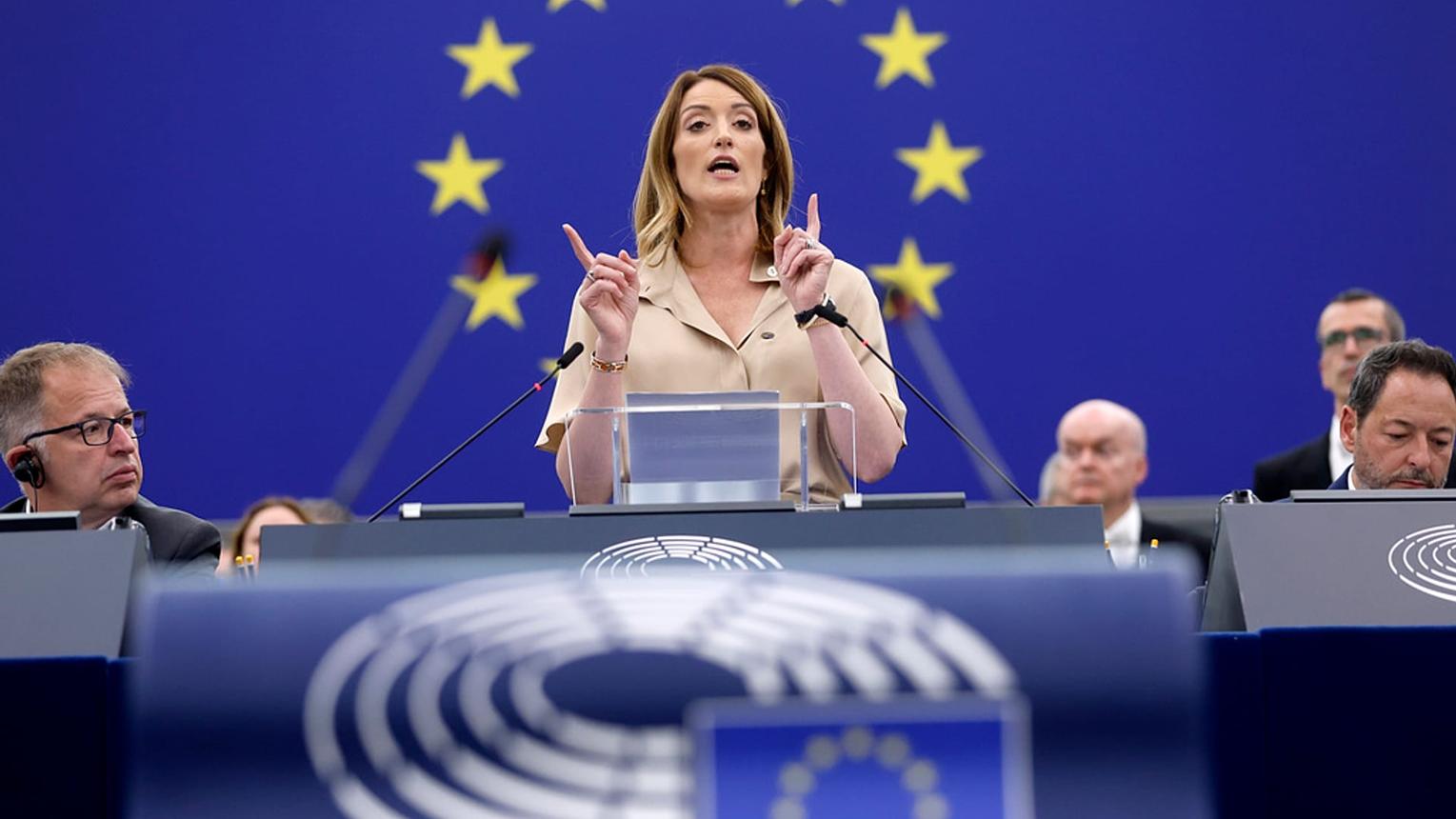
The European Parliament’s Committee on International Trade (INTA) has pursued renewed engagement with Chinese representatives, including plans for discussions in Beijing and Shanghai.
European policymakers have identified three central priorities: ensuring fair competition, improving reciprocal market access and protecting strategically important supply chains.
These concerns have become increasingly important as European manufacturers face international competition and businesses seek greater certainty over future trading conditions.
China Trade Relations Face Stronger European Scrutiny
The European Parliament continues to examine commercial ties with China through its international trade and foreign affairs committees.
Parliamentary discussions have focused on industrial competitiveness, market distortions, investment conditions and Europe’s dependence on strategically important imported materials.
The Committee on International Trade has explored opportunities for direct engagement with Chinese representatives to address these concerns.
Such discussions are particularly relevant for European manufacturers operating in sectors where international competition, technological development and access to essential components influence investment decisions.
The future direction of China Trade Relations is therefore closely connected to the EU’s broader objectives of economic resilience, industrial competitiveness and fair international commerce.
Three Critical Challenges Facing EU-China Economic Cooperation
1. Fair Competition and Industrial Subsidies
Industrial subsidies remain a significant source of disagreement between European and Chinese policymakers.
European institutions have examined whether state-supported production and other market practices create competitive disadvantages for manufacturers operating within the EU.
These concerns are particularly relevant to electric vehicles, advanced manufacturing and clean energy technologies.
The European Commission can investigate certain unfair trading practices and introduce trade defence measures when the applicable legal requirements are satisfied.
Addressing these concerns remains an important element of China Trade Relations and the EU’s wider industrial strategy.
2. Greater Access to Chinese Markets
Market access represents another major issue for European businesses seeking commercial opportunities in China.
Companies depend on transparent regulations, predictable administrative procedures and fair treatment when investing or exporting internationally.
European lawmakers have repeatedly emphasised reciprocity as an important principle in the bilateral economic relationship.
Greater access could provide additional opportunities for European exporters while supporting commercial cooperation between businesses operating in both markets.
3. Stronger Economic Security
Economic security has become an increasingly prominent consideration in European trade policy.
The EU is examining vulnerabilities involving critical raw materials, advanced technologies and industrial supply chains.
Dependence on a limited number of international suppliers can expose businesses to disruption when geopolitical tensions or trade restrictions affect essential products.
European institutions have therefore placed greater emphasis on diversification, resilience and protecting strategically important economic interests.

European Parliament Raises Concerns Over Trade Imbalance
The European Parliament has previously highlighted the scale of the economic imbalance between the EU and China.
During a Foreign Affairs Committee delegation visit to Beijing and Shanghai in July 2026, lawmakers discussed bilateral commerce alongside broader diplomatic and security issues.
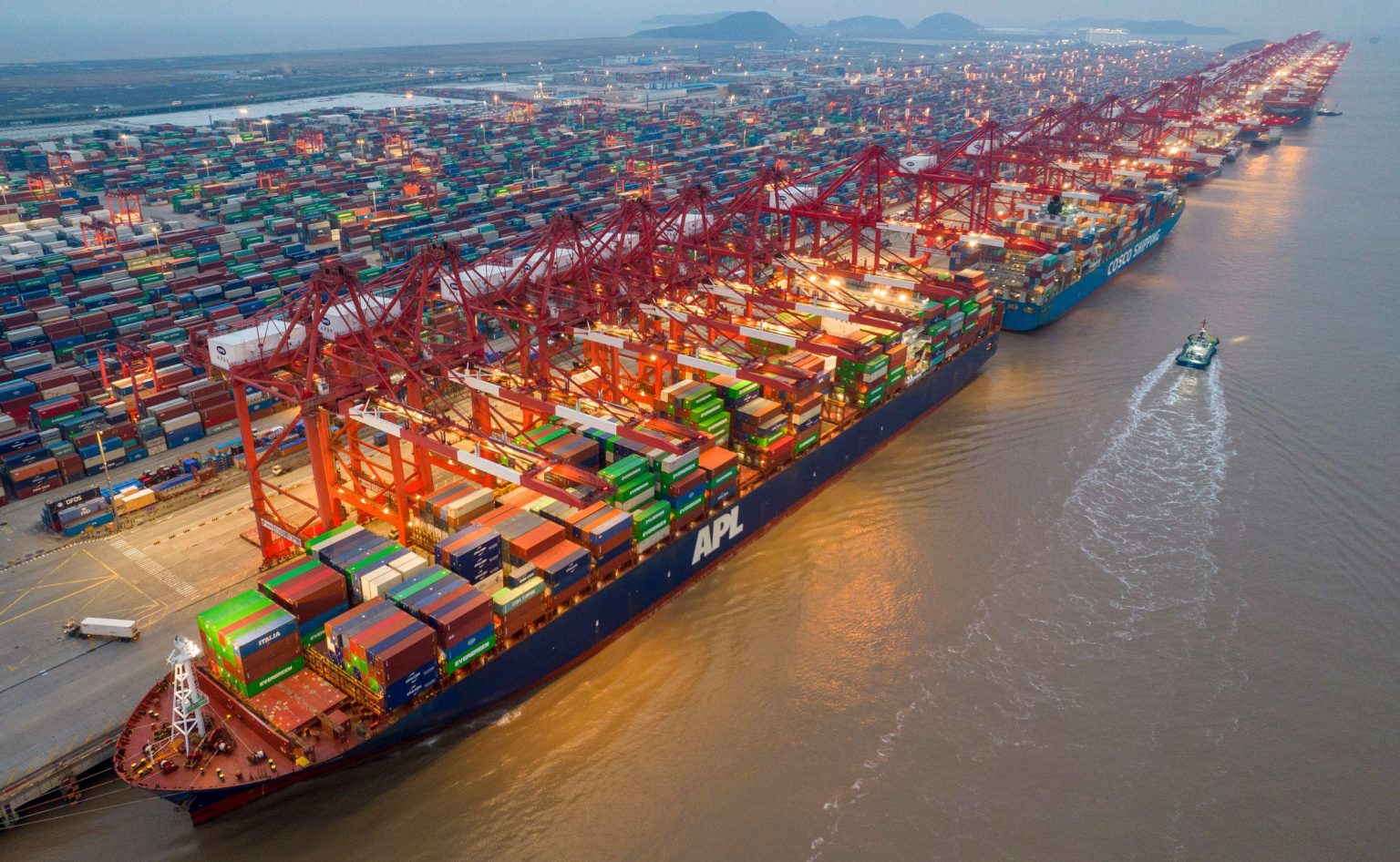
According to the Parliament’s account of the visit, the delegation described the EU’s trade deficit with China as approximately €1 billion per day.
The delegation, led by Foreign Affairs Committee Chair David McAllister, emphasised the importance of reciprocity, fair competition and trust.
These concerns demonstrate why China Trade Relations remain an important subject for European parliamentary scrutiny.
The discussions also illustrated how international trade policy increasingly intersects with security, technological competition and diplomatic relations.
China Trade Relations and Their Impact on European Businesses
The direction of European trade policy has consequences for businesses, workers and consumers throughout the European Union.
Manufacturers require reliable access to components and raw materials, while exporters depend on international demand and predictable market conditions.
Unfair competition can place pressure on European producers, particularly when imported goods benefit from economic advantages that domestic companies cannot obtain.
However, international commerce also provides consumers with product choices and allows businesses to participate in global supply chains.
Decisions involving tariffs, investment screening and trade defence investigations can influence business costs and long-term investment planning.
For workers, the outcome of commercial policy discussions may affect employment prospects in manufacturing and other internationally exposed industries.
Why China Trade Relations Matter for Europe’s Economic Future
The EU’s economic relationship with China is important to Europe’s long-term industrial strategy.
European businesses depend on access to international markets, investment opportunities and reliable supply networks.
At the same time, policymakers are seeking to reduce vulnerabilities involving strategically important industries and technologies.
The challenge for European institutions is to maintain economic openness while strengthening the resilience of domestic industries.
Achieving this balance requires effective trade rules, regulatory cooperation and consistent enforcement of existing European legislation.
Continued parliamentary scrutiny of China Trade Relations contributes to wider discussions about how the bloc should respond to changing global economic conditions.
What Happens Next for China Trade Relations?
The European Parliament’s International Trade Committee can continue examining market access, industrial competition and economic security through parliamentary discussions and oversight activities.
The European Commission remains responsible for conducting the EU’s common commercial policy, including trade negotiations and investigations under relevant European legislation.
Any proposed legislative changes would need to follow the applicable EU decision-making procedures.
Continued engagement with Chinese representatives may provide opportunities to discuss longstanding disagreements, although dialogue alone does not guarantee policy changes or new commercial commitments.
No comprehensive new bilateral trade agreement has been established through the parliamentary discussions described here.
The future of China Trade Relations will depend partly on whether European and Chinese representatives can address disagreements over market access, competition and industrial policy.
For European lawmakers, the central challenge is ensuring that China Trade Relations deliver practical improvements while protecting Europe’s long-term economic interests.