Brussels, 13 October, (Brussels Morning Newspaper) – The Trump-Russia diesel deal has triggered fresh concerns among European Union officials, who warn that Washington’s decision to ease restrictions on Russian fuel exports could weaken international pressure on Moscow while its war against Ukraine continues.
The disagreement intensified after US President Donald Trump announced an arrangement with Russian President Vladimir Putin on 9 October to increase diesel supplies to American and international markets. The move has exposed differences between Washington’s efforts to reduce fuel prices and Brussels’ determination to restrict Russian energy revenues.
Trump Announces Major Russian Diesel Supply Agreement
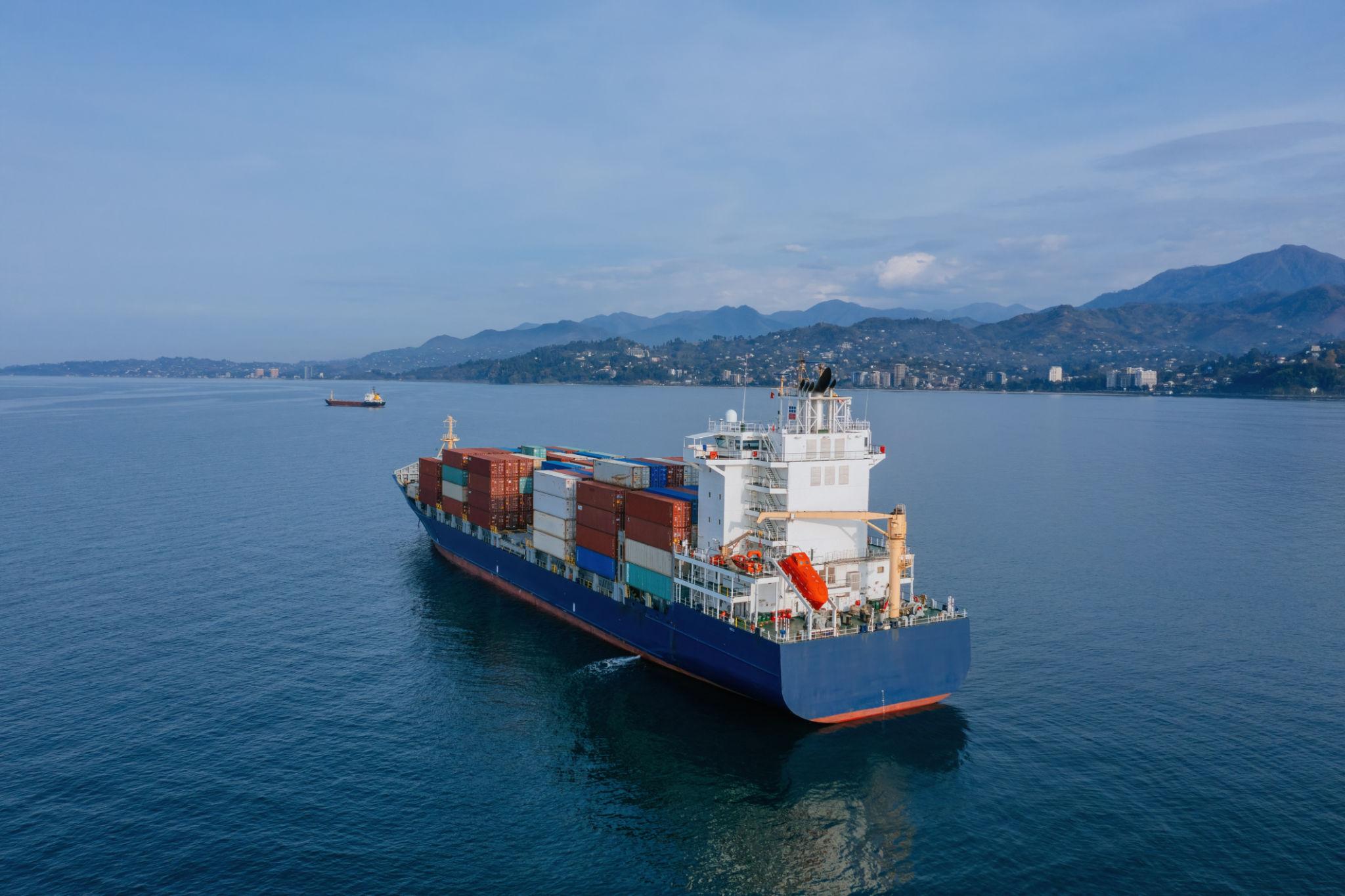
Under the arrangement announced by Trump, Russia would initially release more than 300,000 tonnes of diesel, followed by another 500,000 tonnes in November and further deliveries thereafter.
The US Treasury authorised a temporary sanctions exemption allowing transactions involving Russian diesel until 7 April 2027.
Washington has presented the decision as a response to rising energy costs, particularly those affecting transport companies, farmers and consumers.
However, energy analysts have questioned whether the additional Russian supplies will significantly reduce international diesel prices, given existing market pressures and logistical constraints.
European Union Raises Serious Concerns Over Sanctions
European foreign ministers discussed Russia’s continuing military campaign in Ukraine during their meeting in Luxembourg on 12 October.
EU foreign policy chief Kaja Kallas reinforced the bloc’s determination to maintain economic pressure on Moscow despite Washington’s decision.
Speaking after the meeting, Kallas said:
“There is a clear understanding that now is not the time to ease pressure on Moscow.”
The European Commission also reaffirmed its commitment to reducing dependence on Russian fossil fuels.
During its 12 October press briefing, the Commission stressed that Europe would continue phasing out Russian energy imports rather than reverse its existing policy.
Brussels Strengthens Pressure on Russia Over Ukraine
The Trump-Russia diesel deal comes as the European Union continues expanding restrictive measures targeting individuals and organisations associated with Russia’s military operations.
On 12 October, the Council of the European Union adopted a major package of sanctions listings targeting almost 1,600 individuals and entities connected to Russia’s military-industrial complex.
Ministers also approved 77 additional listings concerning Russia’s disputed State Duma elections in occupied Ukrainian territories.
These measures form part of the EU’s wider strategy to restrict Moscow’s military capabilities and maintain support for Ukrainian sovereignty.
Kallas confirmed that further pressure could include a 22nd sanctions package, stronger enforcement measures and additional action against Russia’s shadow fleet.
Why the Diesel Agreement Matters for Europe
The controversy highlights a growing challenge for transatlantic cooperation.
European governments have spent years reducing Russian energy dependence while supporting Ukraine through sanctions, financial assistance and military cooperation.
Washington’s decision introduces a different approach by temporarily permitting Russian diesel transactions to address immediate energy market pressures.
For European businesses, differing sanctions policies may create additional compliance challenges, particularly for companies involved in international energy trading and shipping.
The agreement also raises questions about whether increased Russian export revenues could weaken the economic restrictions intended to limit Moscow’s capacity to sustain its war.
What Happens Next for EU-US Relations?
European institutions are expected to continue implementing existing sanctions while examining further measures against Russia.
The temporary American exemption remains authorised until April 2027, although its longer-term commercial impact will depend on actual deliveries and market conditions.
Brussels will also continue discussions with Washington over Ukraine, energy security and sanctions enforcement.
For European policymakers, the central priority remains maintaining coordinated international pressure on Russia while addressing the economic consequences of global energy disruption.