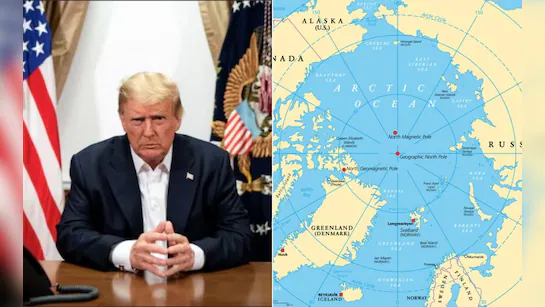
Brussels, January, 2026 — Brussels Morning Newspaper, states that policymakers across European institutions opened a fresh phase of debate after comments by Donald Trump reignited attention on Arctic security and its political symbolism. Delivered during a public appearance in the United States, the remarks quickly resonated in Brussels, where officials began reassessing strategic communication, economic exposure, and alliance coordination in light of what many privately describe as a renewed Greenland threat.
Political Context Behind the Latest Transatlantic Tensions
Relations between Europe and the United States have entered a more complex phase in recent years. While cooperation remains deep in trade, security, and diplomacy, political messaging has grown sharper. Trump’s recent statements brought together two sensitive themes: Arctic geopolitics and personal recognition on the global stage. In Brussels, officials interpreted the linkage as more than rhetoric, noting that language around a Greenland threat can influence markets, public opinion, and diplomatic posture even without formal policy change.
European leaders have learned from previous cycles that words alone can shift expectations. As a result, the response this time has been cautious but deliberate, prioritizing internal coordination over public reaction.
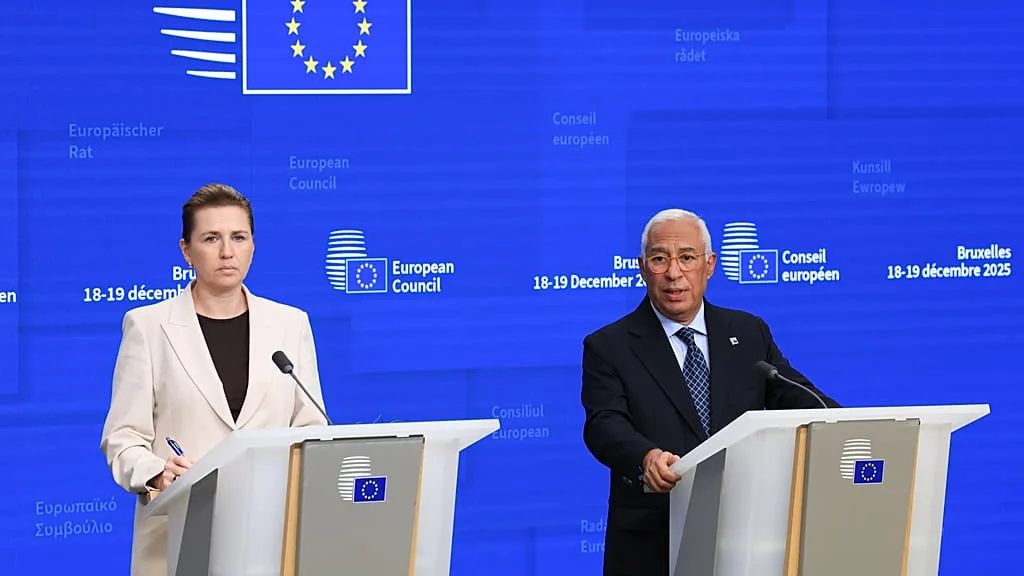
Strategic Importance of Greenland in Arctic Security
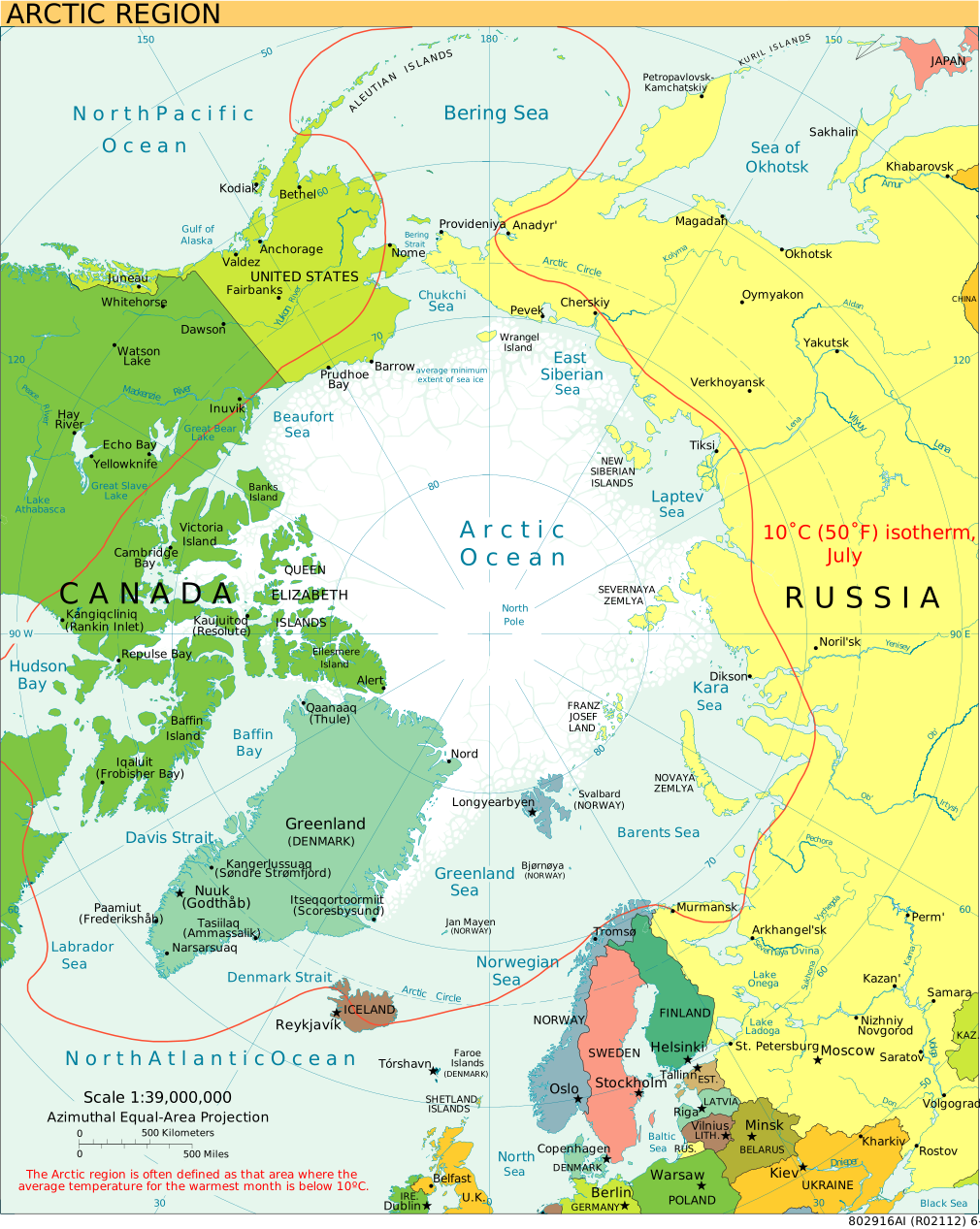
Greenland’s geography gives it disproportionate importance. Located between North America and Europe, the island sits along critical air and maritime routes. Advances in technology and climate-driven changes have made Arctic regions more accessible, intensifying strategic interest.
Security analysts in Brussels emphasize that the concept of a Greenland threat often reflects future-oriented concern rather than present danger. The Arctic’s transformation is gradual but relentless, requiring policy frameworks that anticipate change rather than react to alarm.
Trump’s Nobel References and International Reaction
Trump’s remarks drew particular attention because they invoked the Nobel Peace Prize, awarded annually in Oslo. By linking Arctic stability to personal recognition, he elevated a technical security discussion into a symbolic political dispute.
European officials avoided engaging with the Nobel dimension directly, focusing instead on the policy implications of reviving a Greenland threat narrative. Media coverage across the continent reflected this dual focus, blending analysis of symbolism with practical questions about trade and defense.
Why Brussels Is Reassessing Its Policy Position
Inside the European Union, Arctic issues cut across portfolios. Trade, climate policy, defense cooperation, and indigenous rights all intersect in Greenland-related discussions. The reemergence of the Greenland threat in US political discourse prompted internal reviews designed to ensure coherence across these areas.
Officials stress that reassessment does not imply escalation. Instead, it reflects a desire to be prepared for scenarios in which rhetoric translates into action, intentionally or otherwise.
Denmark’s Diplomatic Role and Greenland’s Autonomy
Denmark occupies a pivotal role as Greenland’s administering state. Copenhagen has consistently emphasized respect for Greenland’s autonomy and long-standing traditions of cooperation. Danish officials caution that portraying developments primarily through the lens of a Greenland threat risks sidelining local voices and undermining trust built over decades.
Greenlandic leaders themselves have reiterated priorities centered on education, infrastructure, and sustainable development, seeking balanced partnerships rather than confrontation.
Trade Considerations Emerging Inside the European Union
Trade discussions entered the conversation not as a first response but as a contingency. Brussels officials confirmed that preparatory analysis is underway should political developments disrupt economic relations. The Greenland threat narrative intersects here with concerns about supply chains, investment flows, and regulatory stability.
Economists warn that retaliatory measures would carry costs for both sides. Still, maintaining strategic credibility remains an important consideration for EU policymakers.
Impact on EU US Relations and Alliance Coordination
Transatlantic relations remain foundational, particularly within NATO frameworks. Yet recent years have highlighted divergent approaches to global governance. The renewed emphasis on a Greenland threat adds an Arctic dimension to existing challenges, reinforcing the need for clear communication among allies.
European leaders continue to emphasize that unity and predictability are essential in an increasingly multi-polar world.
Global Attention on Arctic Governance and Competition
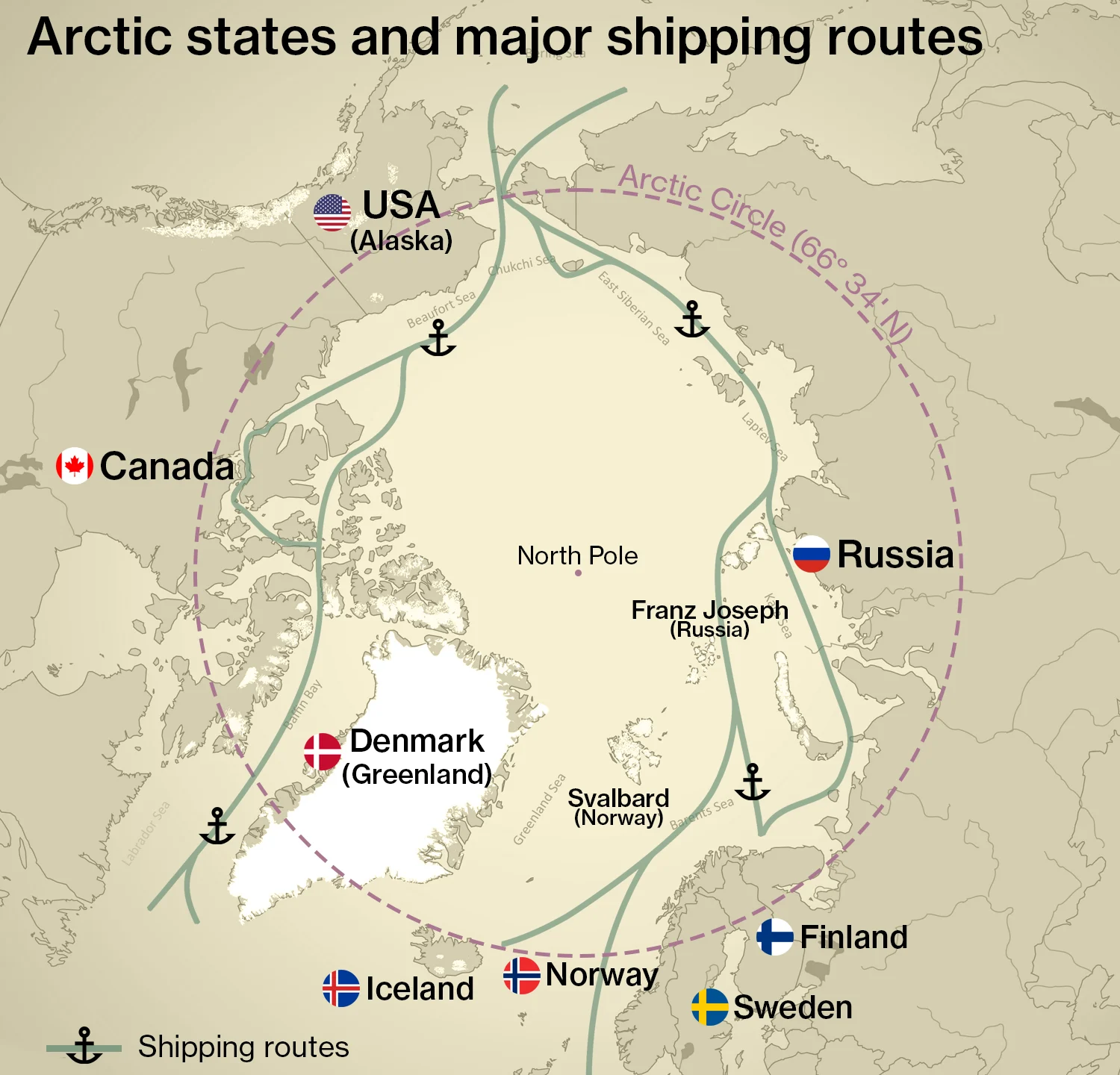
Beyond Europe and the United States, global actors are watching closely. Asian economies view Arctic routes as commercially trans-formative, while environmental groups stress the fragility of polar ecosystems. Analysts note that repeated framing around a Greenland threat could accelerate competitive dynamics, potentially eroding cooperative norms.
Institutions such as the Arctic Council have historically prioritized dialogue and science. Preserving these principles remains a key objective for many European governments.
Domestic Political Messaging and Its International Reach
Trump’s remarks resonate within US domestic politics, where skepticism toward multilateral institutions persists. By highlighting recognition and security together, he reinforces a narrative of assertive leadership. In Europe, the Greenland threat language is interpreted primarily as political signaling, though its broader implications are taken seriously.
Public opinion across EU member states reflects both caution and pragmatism, favoring stability over confrontation.
Expert Perspectives on Stability in the Arctic Region
Security specialists consulted by Brussels Morning Newspaper emphasize restraint. One senior analyst said,
“The Arctic has remained stable because cooperation outweighed competition, and preserving that balance is essential for everyone involved.”
This single quote captures widespread concern that repeated emphasis on a Greenland threat could gradually reshape strategic behavior in unintended ways.
Experts advocate confidence-building measures, transparency, and continued scientific collaboration.
11. Climate Change as a Central Factor in Arctic Strategy
Many policymakers argue that climate change, not geopolitics, poses the greatest challenge in the Arctic. Melting ice sheets, rising sea levels, and fragile ecosystems demand coordinated responses. Against this backdrop, framing developments primarily as a Greenland threat appears misaligned with the region’s most urgent realities.
European initiatives increasingly emphasize research, environmental protection, and sustainable development as foundations for engagement.
Diplomatic Scenarios Under Discussion in Brussels
Diplomats in Brussels describe several scenarios under consideration, ranging from intensified dialogue to coordinated messaging with allies. Trade measures remain a last resort. The Greenland threat episode is widely viewed as a reminder of how quickly political language can influence strategic calculations in a connected world.
Future meetings are expected to refocus on practical cooperation, including maritime safety and climate monitoring.
Beyond Diplomacy The Arctic as Europe’s Strategic Test
Looking ahead, Greenland represents a broader test of Europe’s capacity to balance values, interests, and alliances. Whether framed as opportunity or risk, the Greenland threat narrative reflects deeper uncertainty about global order and leadership in a changing climate.
Arctic Signals and the Future of Brussels Decision Making
As 2026 unfolds, debates sparked by Trump’s remarks underscore the fragile balance between rhetoric and policy. While headlines highlight security and recognition, long-term outcomes will depend on dialogue, respect for local voices, and sustained cooperation. For Brussels and its partners, managing the Greenland threat responsibly will be essential to preserving Arctic stability and transatlantic trust.