Brussels, 27 October, (Brussels Morning Newspaper) – The European Union is pursuing substantial investment opportunities in Australia’s critical minerals sector as Brussels intensifies efforts to secure essential raw materials and reduce dependence on Chinese supply chains. The EU minerals deal 2026 agenda is part of a broader strategy to strengthen European industrial competitiveness, economic security and access to resources needed for clean energy and defence technologies.
- Brussels Targets Australian Critical Minerals for Strategic Investment
- EU Investment Strategy Seeks to Reduce China Dependence
- European Commission Advances Critical Raw Materials Strategy
- EU-Australia Trade Agreement Strengthens Economic Cooperation
- Australian Mineral Projects Could Benefit European Industries
- What Happens Next for Brussels and Canberra?
The investment discussions come as European policymakers seek closer cooperation with Australia following the conclusion of negotiations on a bilateral free trade agreement in March 2026.
Brussels Targets Australian Critical Minerals for Strategic Investment
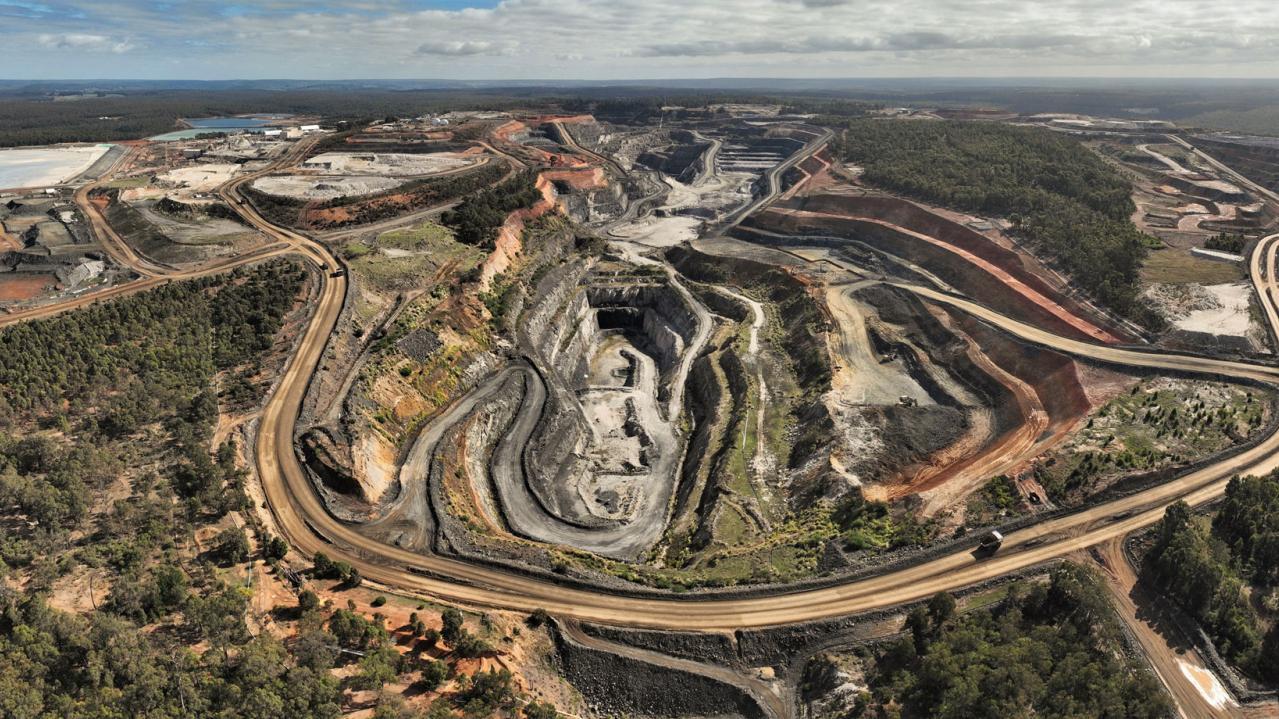
The European Union is examining opportunities to finance Australian mining, refining and processing projects involving minerals essential to advanced manufacturing.
Gallium, antimony and rare earth elements are among the materials attracting European interest because of their importance to electronics, renewable energy systems and defence equipment.
EU Ambassador to Australia Lawrence Meredith outlined the investment ambitions on 27 October, emphasising the importance of closer economic cooperation between Brussels and Canberra.
Discussions involving the European Investment Bank could help establish financing arrangements for eligible Australian projects.
However, individual investment amounts, recipients and implementation schedules have not been confirmed.
EU Investment Strategy Seeks to Reduce China Dependence
China’s significant position in global critical mineral processing has increased European concerns about supply security.
Brussels is seeking alternative suppliers to protect industries involved in electric vehicles, batteries, aerospace technologies and renewable energy infrastructure.
The European Commission has identified Australia as an important potential partner because of its substantial mineral resources and established mining industry.
European officials are also interested in expanding processing capacity outside China, rather than relying exclusively on additional mineral extraction.
This approach reflects the EU’s wider economic security objectives and efforts to diversify international trading relationships.
European Commission Advances Critical Raw Materials Strategy
The proposed Australian cooperation follows several European initiatives aimed at strengthening access to strategic resources.
On 9 October 2026, the European Commission announced 46 additional strategic raw materials projects within the European Union.
Executive Vice-President Stéphane Séjourné emphasised the importance of reducing external dependencies while increasing European production.
The Commission’s approach combines domestic resource development with international partnerships intended to improve supply resilience.
The EU has also proposed substantial funding for critical raw materials under its planned 2028–2034 competitiveness framework.
Those proposals remain subject to the relevant EU budget negotiations and approval procedures.
EU-Australia Trade Agreement Strengthens Economic Cooperation
The latest discussions build on a strategic partnership on critical and strategic raw materials established between the EU and Australia in May 2024.
Negotiations on a bilateral free trade agreement concluded on 24 March 2026, providing a framework for closer commercial relations.
The agreement is intended to reduce trade barriers, improve investment conditions and support cooperation between European and Australian businesses.
Australia already supplies minerals used across European manufacturing industries, while European companies maintain significant investments in the Australian economy.
The EU minerals deal 2026 discussions could deepen those commercial relationships through additional financing and industrial partnerships.
Australian Mineral Projects Could Benefit European Industries
Greater access to Australian resources could help European manufacturers diversify their suppliers and manage disruptions affecting essential industrial materials.
Battery producers, renewable energy developers, electronics manufacturers and defence companies are among the industries that could benefit from more diversified supply chains.
For Australia, European investment could encourage additional mineral processing and refining operations, potentially supporting employment and industrial development.
However, the economic benefits will depend on commercial decisions, project feasibility, regulatory approvals and the availability of financing.
What Happens Next for Brussels and Canberra?
The European Union and Australia are expected to continue preparations for the formal signing and ratification of their free trade agreement.
Further discussions could also clarify the European Investment Bank’s potential role in supporting Australian critical minerals projects.
No comprehensive investment package or final project-level funding schedule has been publicly confirmed.
For Brussels, the next challenge is translating strategic cooperation into practical investments that strengthen Europe’s long-term access to essential industrial resources.