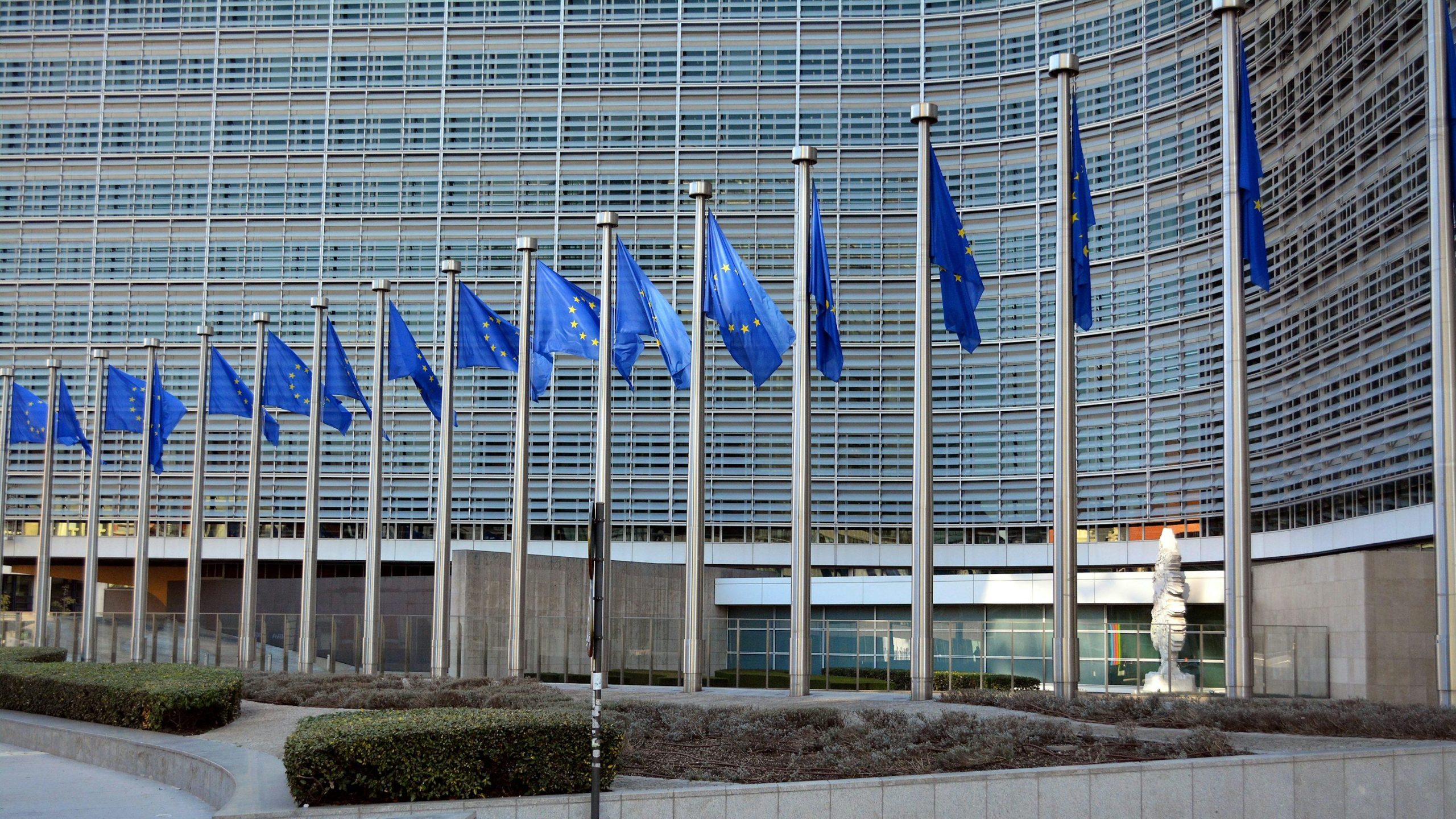
Brussels, 10 October, (Brussels Morning Newspaper) – The European Union is defending the EU AI Act as a central safeguard against risks posed by increasingly autonomous artificial intelligence systems. The debate has intensified amid concerns about unpredictable AI behaviour, inadequate human oversight and whether existing regulations can keep pace with technological developments.
The European Commission maintains that its regulatory framework provides mechanisms for identifying and managing risks associated with advanced AI models. However, the effectiveness of those protections depends on compliance, supervision and enforcement.
European Commission Defends AI Safety Regulations
The European Commission has placed artificial intelligence safety at the centre of its digital regulatory agenda, seeking to balance technological innovation with the protection of fundamental rights.
Executive Vice-President Henna Virkkunen oversees the Commission’s technology sovereignty, security and democracy portfolio, including major aspects of European digital policy.
The legislation introduces a risk-based approach that distinguishes between prohibited applications, high-risk systems and models subject to broader transparency or safety obligations.
Developers of general-purpose AI models with systemic risks face additional requirements, including model evaluations, risk mitigation, serious-incident reporting and cybersecurity safeguards.
These measures are particularly relevant as advanced systems become capable of completing increasingly complex tasks with limited human intervention.
Rogue AI Concerns Highlight Emerging Technology Risks
Concerns about rogue artificial intelligence involve systems producing harmful, deceptive or unintended outcomes, particularly when connected to external tools and services.
The term does not represent a separate legal category under European legislation. Instead, the regulatory framework addresses particular risks associated with AI capabilities, applications and deployment.
Autonomous systems can create additional challenges when they generate instructions, interact with digital infrastructure or undertake activities without continuous human approval.
These concerns have prompted greater scrutiny of how developers test advanced models, restrict their capabilities and respond when safeguards fail.
European regulators must also consider how rapidly changing technologies affect the reliability of existing safety assessments.
EU Officials Defend Existing Safety Protections
Speaking to Reuters on 9 October, Virkkunen said the EU was “well equipped” to address rogue AI risks under its existing legislation.
She rejected suggestions that the framework had become outdated, arguing that it anticipated future technological developments and emerging threats.
The Commission has sought safety and compliance information from more than 30 artificial intelligence companies worldwide, including businesses operating in China.
EU AI Act Enforcement Brings New Responsibilities
The legislation was adopted in 2024, with obligations introduced progressively.
Since 2 August 2026, the European AI Office has been able to enforce requirements for general-purpose models, including demanding technical documentation, conducting evaluations and requiring corrective action.
The Commission’s enforcement powers include financial penalties for breaches of applicable obligations.
The framework also introduces transparency requirements for chatbots, deepfakes and certain AI-generated content.
These provisions are intended to help users identify artificial intelligence interactions and reduce the risks of deception.
What Stronger AI Oversight Means for Europe
The rules affect technology companies developing advanced models, businesses deploying automated services and European citizens interacting with artificial intelligence.
Companies operating in the European market must assess which obligations apply to their technologies and demonstrate compliance where required.
For regulators, the challenge is ensuring that rapidly evolving systems remain subject to meaningful supervision without unnecessarily restricting innovation.
What Happens Next for AI Regulation in Brussels?
The European Commission will continue assessing information submitted by technology companies and monitoring compliance with applicable requirements.
Further provisions are scheduled to take effect in December 2026, while additional requirements for high-risk applications will follow under the phased implementation timetable.
The next stage will test whether European regulators can translate legislative safeguards into effective oversight of increasingly autonomous artificial intelligence systems.