Singapore, 27 October, (Brussels Morning Newspaper) – German Chancellor Friedrich Merz has renewed calls for EU trade expansion, urging the European Union to strengthen economic partnerships with international markets and deepen cooperation with Asian economies. His remarks reflect Germany’s interest in maintaining open markets, supporting European exporters and reducing dependence on individual trading partners.
Speaking during a visit to Singapore, Merz highlighted the importance of international trade agreements as European economies face growing competition, geopolitical uncertainty and changing global supply chains.
The Chancellor’s position also reflects broader discussions in Brussels about improving Europe’s economic competitiveness while maintaining stable commercial relationships with major international partners.
Merz Calls for Stronger European Trade Partnerships
Merz has emphasised the importance of developing economic relationships beyond Europe’s traditional trading partners.
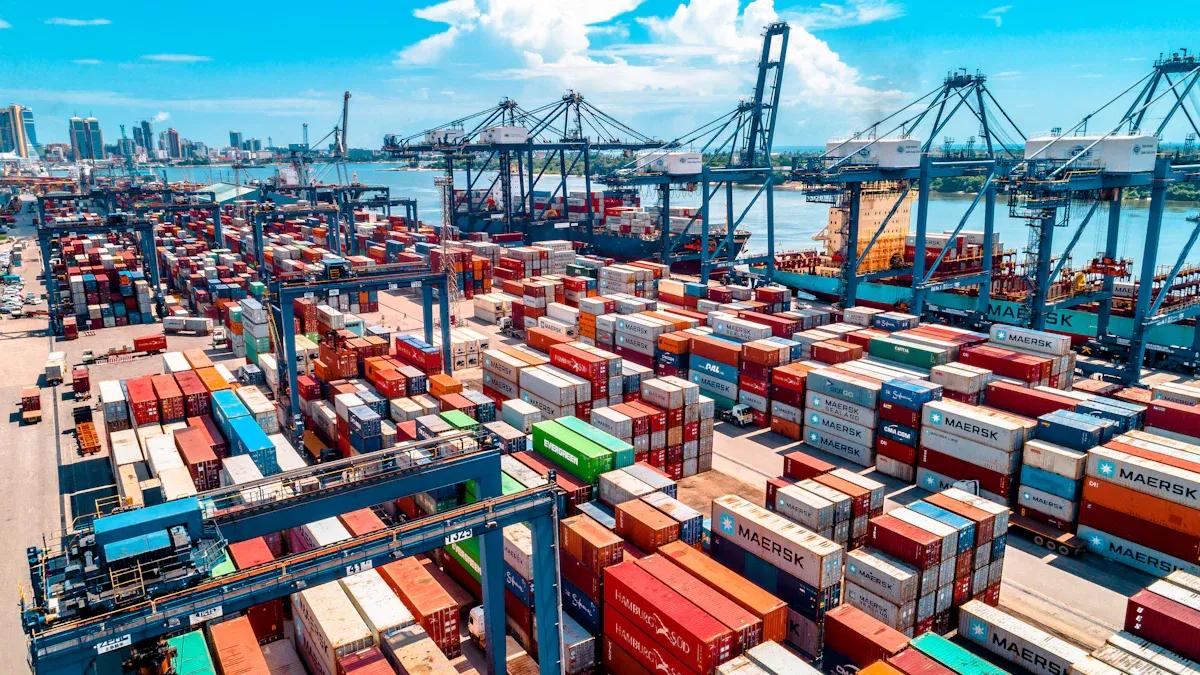
Germany, one of the world’s leading exporting economies, depends heavily on international demand for manufactured goods, machinery, vehicles and industrial products.
Closer commercial cooperation with Asian economies could provide European businesses with additional opportunities while helping companies diversify their supply chains.
Singapore already maintains extensive economic relations with the European Union. The EU-Singapore Free Trade Agreement entered into force in November 2019, providing an established framework for bilateral trade.
Merz’s wider approach places international economic cooperation alongside efforts to protect European industries from unfair competition.
German Chancellor Defends Open Global Markets
The German leader has repeatedly supported rules-based international trade and closer economic cooperation.
During the Berlin Global Dialogue on 21 October 2026, Merz outlined his government’s commitment to open markets while highlighting concerns about unfair subsidies and international market distortions.
His position supports the European Commission’s efforts to negotiate agreements that improve market access for European companies.
However, the Chancellor has also stressed the importance of ensuring fair competitive conditions for businesses operating within the European single market.
This approach reflects a central challenge for European policymakers: maintaining international openness while protecting the EU’s economic interests.
Brussels Advances International Trade Agreements
The European Union has pursued several major international trade initiatives as part of its economic strategy.
The EU and Mercosur countries signed partnership and interim trade agreements in January 2026, following years of negotiations.
The European Commission has also worked to strengthen economic relations with India and other international partners.
These initiatives aim to improve market access, reduce selected trade barriers and strengthen cooperation across different economic sectors.
For Brussels, expanding international agreements forms part of a broader effort to diversify trading relationships and support long-term competitiveness.
Why Wider Trade Agreements Matter for Europe
Further EU trade expansion could affect European manufacturers, exporters, investors and consumers.
Improved market access may create opportunities for businesses seeking customers beyond the European Union.
More diversified commercial relationships could also reduce exposure to disruptions affecting individual suppliers or markets.
Nevertheless, the benefits of individual agreements depend on their provisions, implementation and the ability of businesses to take advantage of new trading arrangements.
European institutions must also consider environmental standards, industrial competitiveness and fair competition when negotiating agreements.
What Happens Next for EU Trade Policy?
The European Commission remains responsible for negotiating international trade agreements on behalf of the European Union, operating within mandates agreed by member states.
Any future agreements will require the relevant approval and implementation procedures before taking effect.
Merz’s remarks reinforce Germany’s support for stronger international commercial relationships, but they do not establish a timetable for a new trade agreement.
As Brussels continues developing its external economic strategy, European policymakers will face decisions about market access, industrial protection and cooperation with international partners.