Washington, D.C., United States – May 23 – Brussels Morning Newspaper — US Iran military tensions are entering a more dangerous and unpredictable phase as diplomatic uncertainty, regional military activity, and growing economic pressure continue reshaping the geopolitical landscape across the Middle East. After months of rising confrontation, global leaders and financial markets are increasingly focused on whether the situation could escalate into a broader regional conflict.
- Military Deployments Continue Expanding
- Oil Markets React to Regional Instability
- Diplomatic Efforts Face Growing Challenges
- Cybersecurity Threats Increase Alongside Military Risks
- Economic Pressure Continues Building
- Regional Allies Monitor Situation Closely
- Historical Tensions Continue Shaping Current Conflict
- US Iran Military Tensions 2026
- Global Markets Remain Sensitive to Headlines
- Future Outlook Remains Highly Uncertain
Military deployments, naval patrols, cyber threats, and economic sanctions have all intensified during recent weeks, creating heightened concerns among allies, investors, and defense analysts. While both governments continue projecting strength publicly, experts warn that prolonged instability may increase the risk of miscalculation.
One international security analyst stated:
“The biggest danger is not necessarily deliberate escalation, but the possibility of an incident spiraling beyond control.”
The warning reflects growing concern surrounding the fragile security environment currently developing across the region.
Military Deployments Continue Expanding
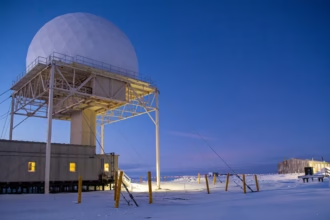
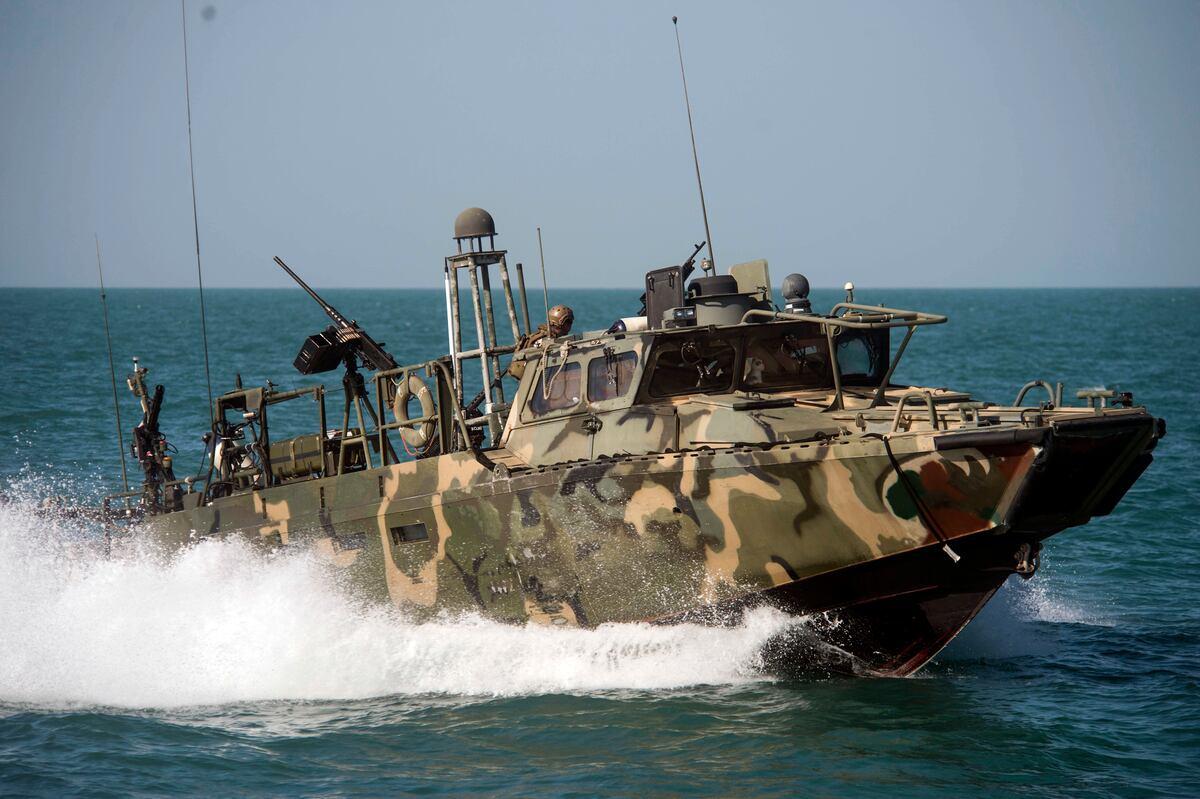
US Iran military tensions have become increasingly visible through expanded military positioning near strategic waterways and regional bases. American naval forces remain highly active across the Persian Gulf, while surveillance operations and defensive preparations have increased substantially.
Iran has also continued strengthening military readiness while conducting exercises intended to demonstrate regional influence and defensive capability.
Defense officials say both sides are attempting to deter aggression while simultaneously preparing for potential escalation scenarios.
The growing military presence throughout the region has raised fears that even isolated incidents involving drones, naval patrols, or proxy groups could rapidly intensify tensions.
Military analysts note that heavily armed environments often create heightened risks during prolonged geopolitical standoffs.
Oil Markets React to Regional Instability
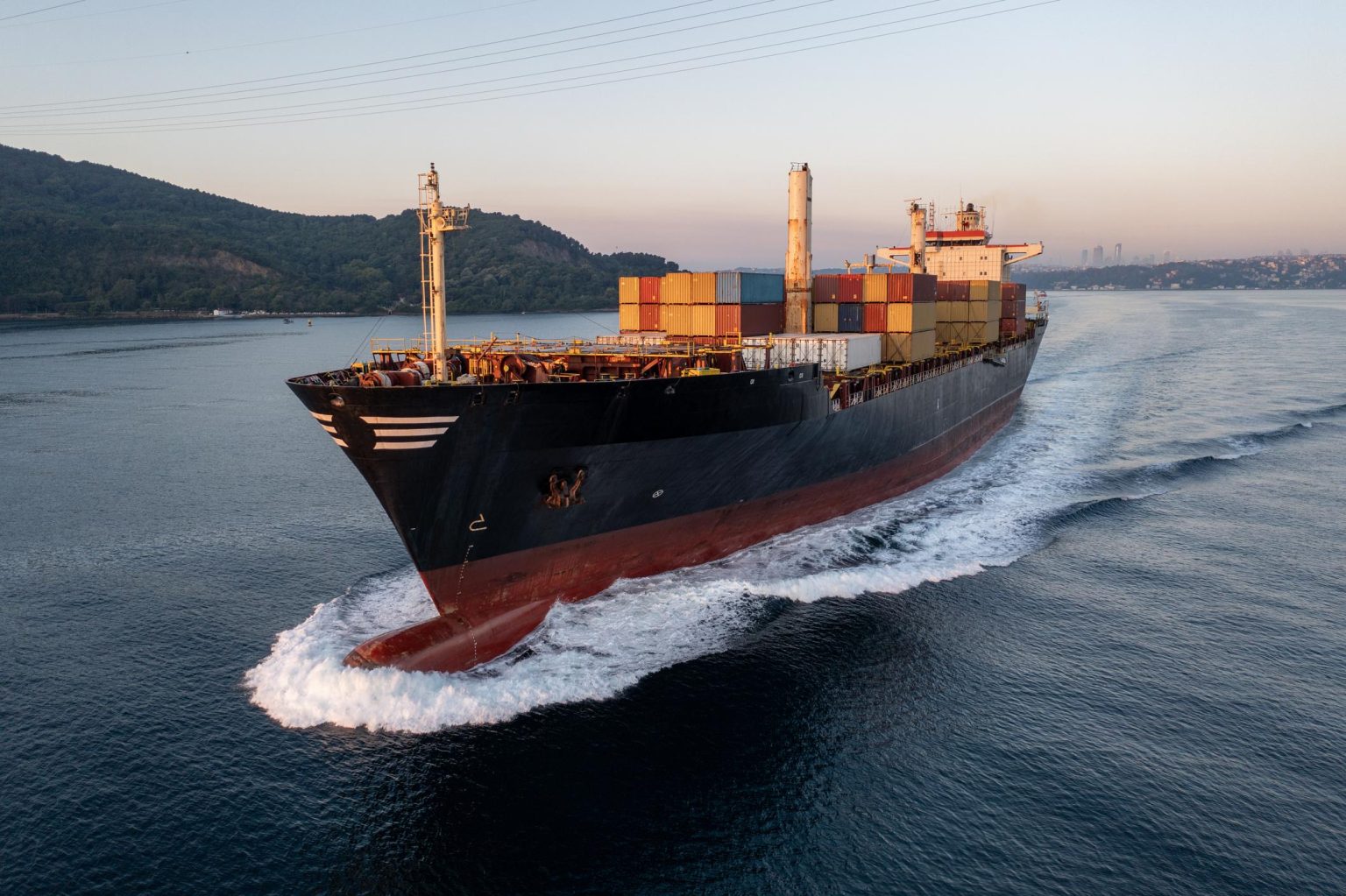
One of the most immediate consequences of US Iran military tensions has been increased volatility in global energy markets. Oil prices have fluctuated repeatedly as traders monitor developments surrounding shipping routes, military activity, and regional security concerns.
The Strait of Hormuz remains one of the world’s most important energy corridors, making any disruption a major concern for global oil supplies.
Energy experts warn that sustained instability could continue increasing fuel costs, shipping expenses, and inflationary pressure worldwide.
A global commodities strategist explained:
“Markets are reacting not only to current events but also to fears about what could happen next.”
The uncertainty surrounding future military developments has become a major factor influencing investor sentiment.
Diplomatic Efforts Face Growing Challenges
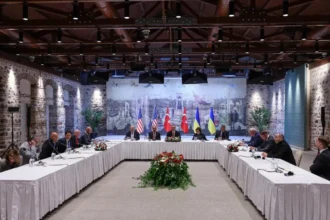
US Iran military tensions are also creating major diplomatic challenges as international governments attempt to prevent wider regional instability.
Some allies continue supporting Washington’s security policies, while others are urging greater diplomatic engagement aimed at reducing military confrontation.
The divided international response reflects the complexity of balancing national security concerns with economic stability and regional diplomacy.
Meanwhile, Iran continues criticizing Western military involvement in the region while strengthening strategic relationships with certain neighboring governments.
Foreign policy experts say the absence of consistent diplomatic progress is increasing concern about long-term regional stability.
Cybersecurity Threats Increase Alongside Military Risks
As US Iran military tensions continue escalating, cybersecurity has become another critical area of concern for governments and businesses worldwide.
Security analysts warn that cyber operations targeting financial institutions, infrastructure systems, energy networks, and communications platforms could become increasingly common during periods of geopolitical conflict.
Governments throughout the region are reportedly increasing defensive cybersecurity preparations in response to evolving threats.
Experts believe future conflicts may rely heavily on a combination of traditional military operations and digital warfare tactics.
The growing integration of cyber strategy into geopolitical competition has significantly expanded the scope of modern security risks.
Economic Pressure Continues Building
The economic consequences of US Iran military tensions are becoming increasingly visible across global markets. Rising energy costs, transportation disruptions, insurance expenses, and investor uncertainty are affecting multiple sectors simultaneously.
Airlines, shipping companies, and manufacturers have already experienced higher operating costs linked to instability in the Middle East.
Economists warn that prolonged geopolitical uncertainty could weaken global economic growth during an already fragile financial environment.
Some businesses are now reevaluating supply chain strategies and regional investment plans due to fears of continued instability.
Regional Allies Monitor Situation Closely
Governments across the Middle East continue monitoring US Iran military tensions carefully because of the potential impact on regional security and economic activity.
Several countries remain concerned that wider escalation could disrupt trade routes, damage infrastructure, or increase proxy conflicts throughout neighboring areas.
Military cooperation between allied nations has reportedly increased as governments attempt to strengthen defensive coordination and intelligence sharing.
At the same time, regional leaders continue encouraging diplomatic restraint to avoid a broader confrontation.
Defense observers say maintaining stability may require continuous communication between military and diplomatic channels.
Historical Tensions Continue Shaping Current Conflict
The current phase of US Iran military tensions is deeply connected to decades of historical confrontation involving sanctions, regional competition, nuclear negotiations, and military incidents.
Political mistrust between Washington and Tehran has remained a defining feature of international relations for generations, complicating efforts to achieve long-term diplomatic breakthroughs.
Foreign policy analysts say understanding this historical context is essential when evaluating present-day developments.
Several experts believe both sides are attempting to avoid full-scale war while still maintaining strong strategic positioning.
However, prolonged confrontation without meaningful diplomatic progress continues increasing geopolitical uncertainty.
US Iran Military Tensions 2026
| Category | Current Situation |
|---|---|
| Main Region | Middle East |
| Key Concern | Military escalation |
| Energy Market Impact | Oil price volatility |
| Security Risk | Regional instability |
| Diplomatic Status | Ongoing tensions |
| Global Investor Sentiment | Highly cautious |
Global Markets Remain Sensitive to Headlines
Financial markets worldwide continue reacting quickly to developments involving US Iran military tensions. Investors remain highly focused on military activity, diplomatic statements, and oil supply concerns because of their direct influence on global commerce.
Stock indexes, commodities, and currencies have all experienced periodic volatility linked to Middle East developments.
Market analysts say geopolitical uncertainty often reduces business confidence and increases risk-averse investment behavior.
Many international corporations are now preparing contingency strategies in case tensions continue escalating later in 2026.
Future Outlook Remains Highly Uncertain
The future direction of US Iran military tensions remains uncertain as military operations, economic pressure, and diplomatic efforts continue unfolding simultaneously.
Some analysts believe renewed negotiations could eventually reduce tensions, while others warn that prolonged instability increases the risk of accidental escalation.
Global leaders continue urging restraint while emphasizing the importance of diplomatic communication channels.
At the same time, military readiness across the region remains elevated due to concerns about possible future incidents.