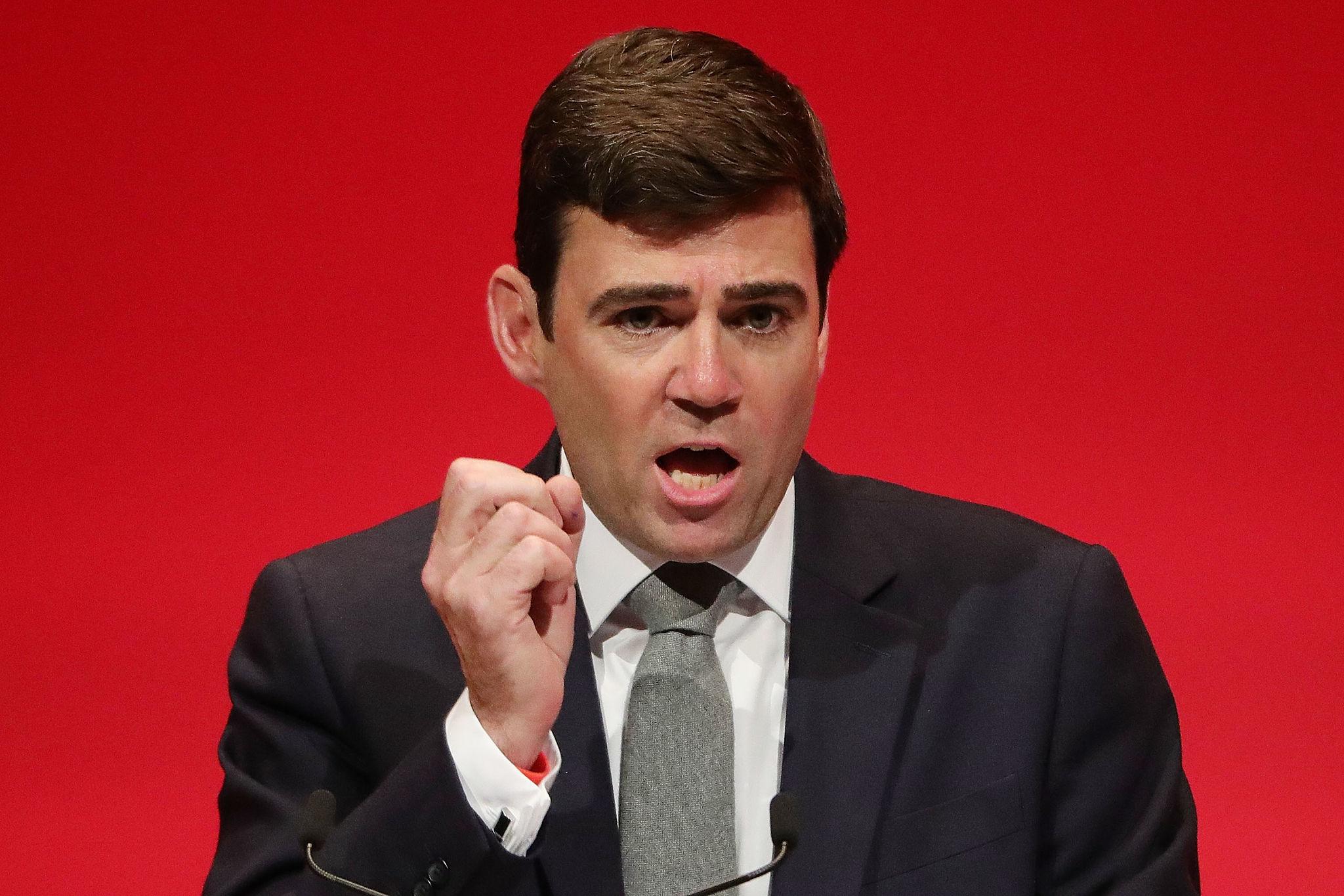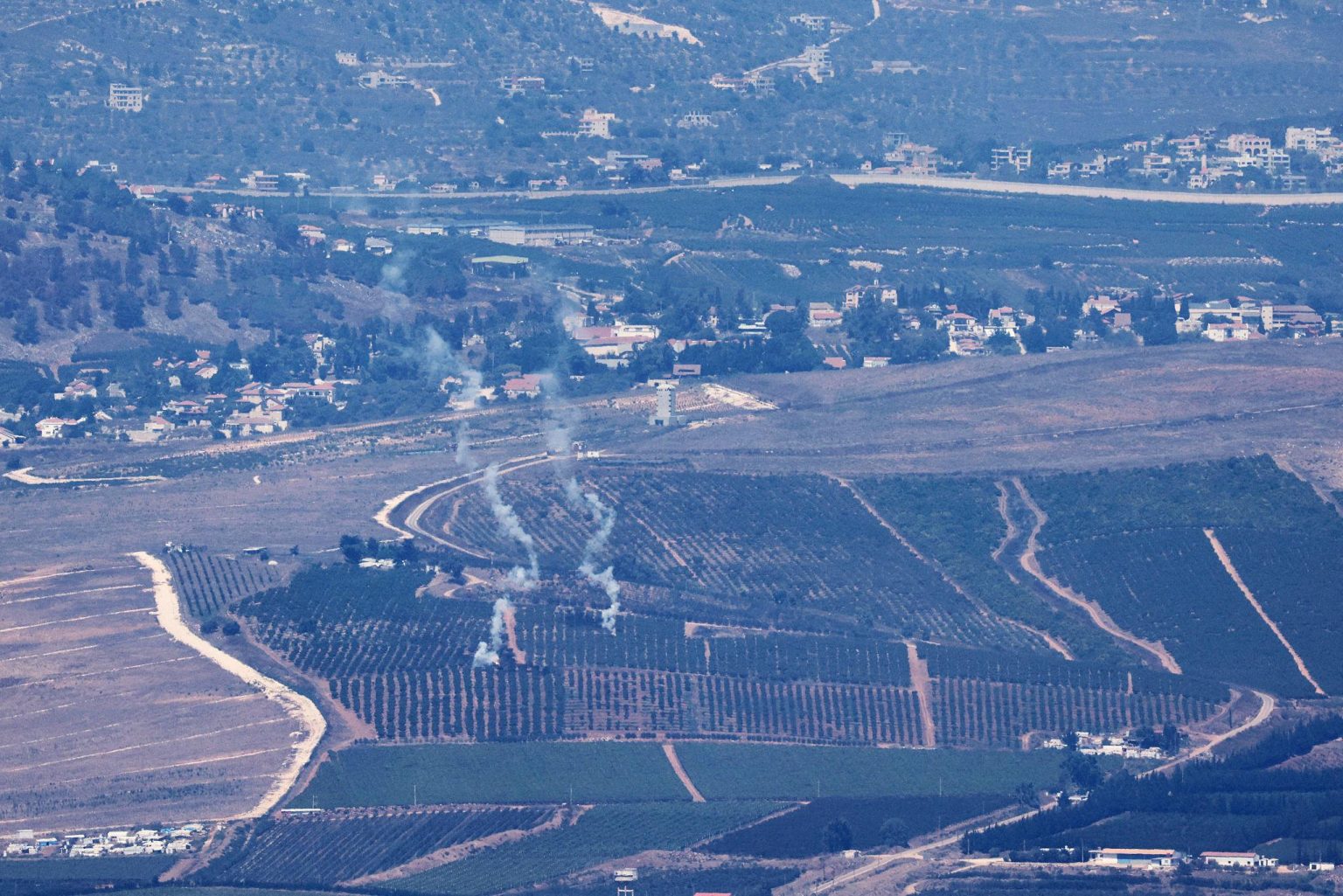
WASHINGTON, United States – May 14, 2026 – Brussels Morning Newspaper — Middle East diplomatic crisis discussions are expected to dominate high-level meetings in Washington as Lebanon prepares to pressure Israel for a ceasefire amid growing fears of wider regional instability.
The diplomatic talks come during one of the most tense periods in the region this year, with international governments increasingly concerned about military escalation, humanitarian risks, and economic fallout connected to ongoing hostilities near the Lebanese-Israeli border.
Lebanese officials are expected to urge stronger international involvement to reduce tensions and reopen channels for long-term negotiations. Sources familiar with the preparations say Beirut believes immediate diplomatic engagement is necessary before the conflict expands further.
One regional political analyst stated,
“The situation has reached a dangerous point where every diplomatic meeting now carries enormous regional importance.”
Washington Talks Become Critical Diplomatic Test
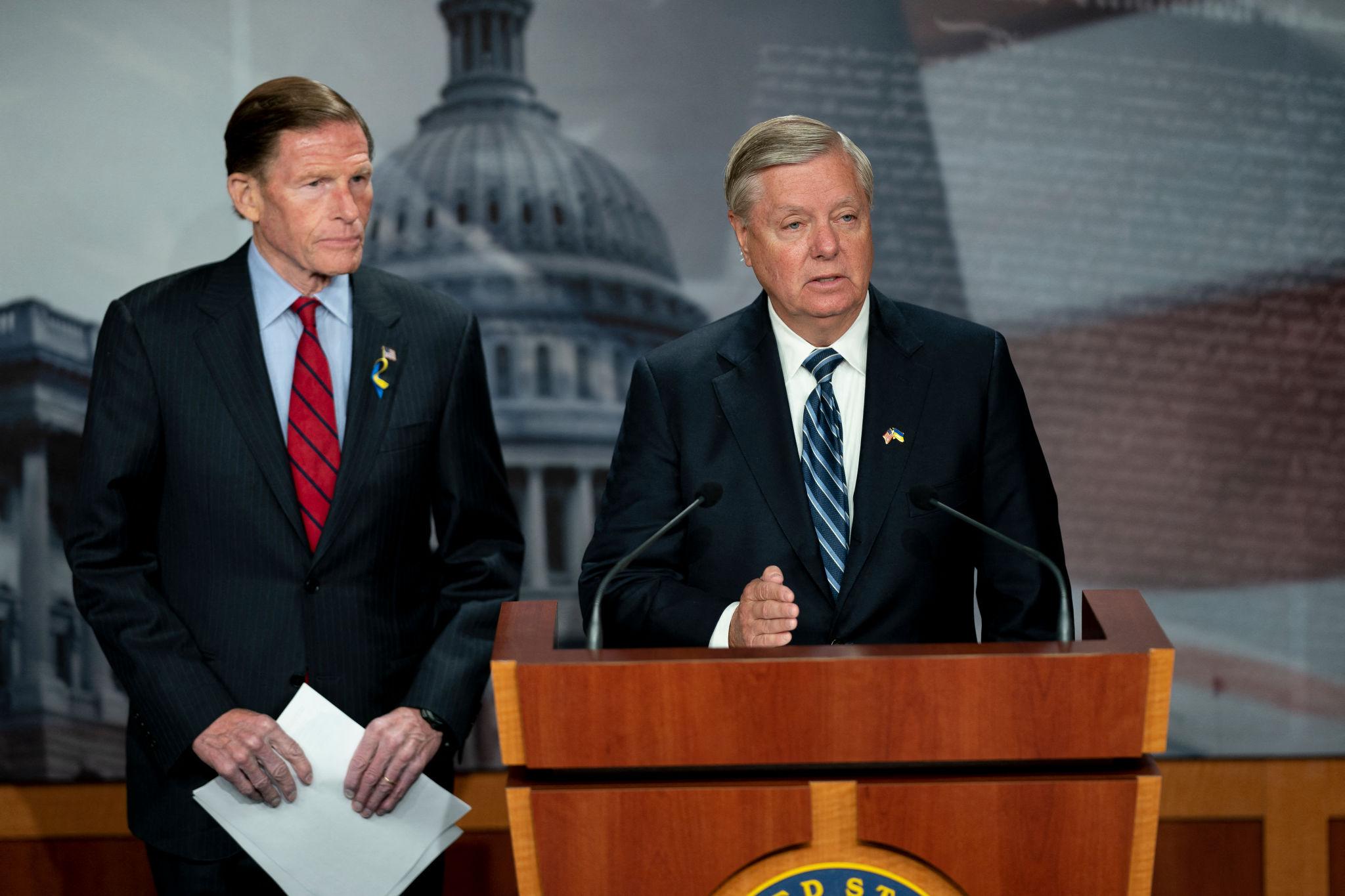
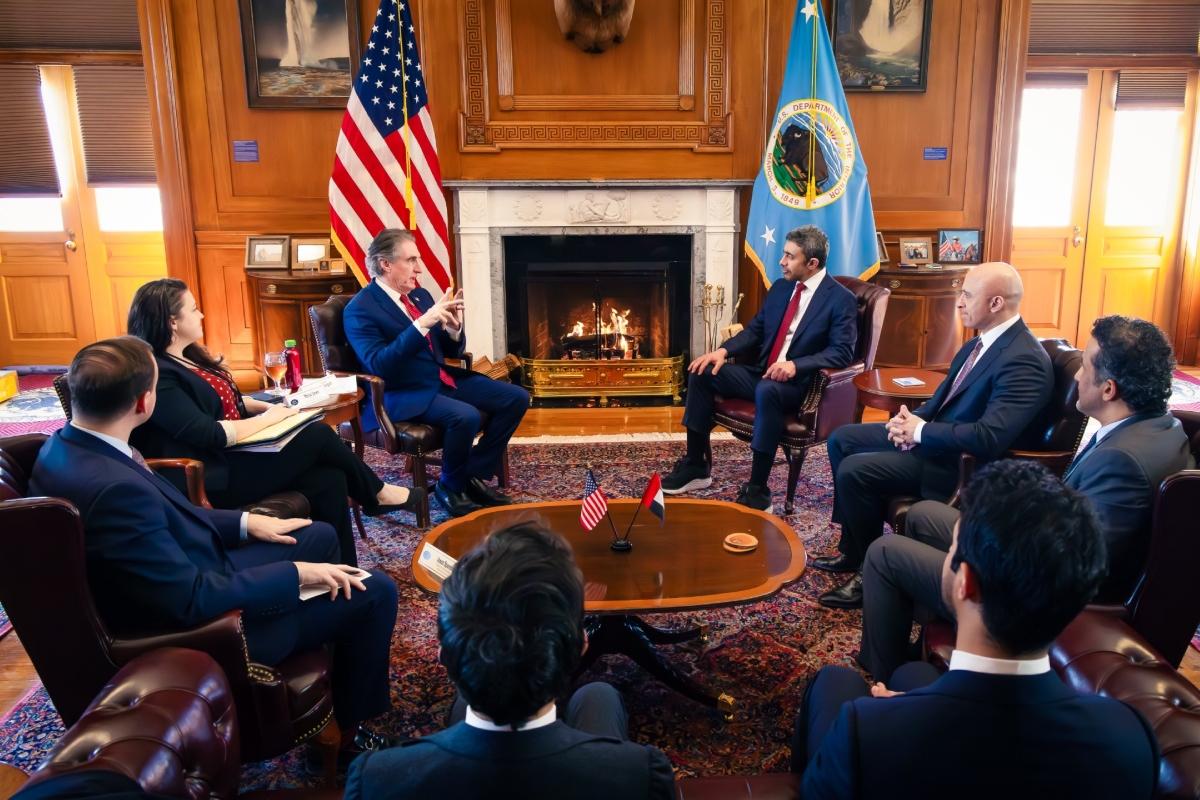
The upcoming Washington meetings are being viewed as a major diplomatic test for the United States and its allies. Officials are expected to discuss ceasefire possibilities, border security concerns, humanitarian conditions, and broader geopolitical risks tied to the growing Middle East diplomatic crisis.
Diplomats believe Washington’s role could become increasingly important because of its longstanding relationships across the region. International observers say the outcome of these talks may influence future negotiations and regional security policies during the remainder of 2026.
The discussions are also unfolding at a time when financial markets remain highly sensitive to geopolitical tensions in the Middle East. Investors continue monitoring developments closely due to concerns over energy supplies, oil transportation routes, and economic uncertainty.
Lebanon Pushes for Immediate Ceasefire Measures
Lebanese officials reportedly plan to make ceasefire efforts the central focus of their discussions in Washington. The government continues facing internal political and economic pressure as concerns grow about civilian safety and regional instability.
Officials argue that reducing military activity would help prevent further humanitarian suffering and lower the risk of broader confrontation involving additional regional powers.
The Middle East diplomatic crisis has already intensified pressure on Lebanon’s fragile economy, which continues struggling with inflation, unemployment, and financial instability after years of economic challenges.
Humanitarian organizations have also increased calls for restraint, warning that continued escalation could worsen conditions for civilians living near conflict areas.
Israel Continues Emphasizing Security Priorities
Israeli officials have continued defending military operations as necessary for national security and border protection. Government leaders remain focused on preventing attacks and responding to perceived security threats near sensitive border regions.
At the same time, international governments have increasingly encouraged diplomatic engagement to reduce tensions and avoid prolonged instability.
Security analysts say balancing military objectives with diplomatic pressure has become more difficult as the Middle East diplomatic crisis continues attracting global attention.
One international affairs expert explained,
“Both sides are facing enormous domestic and international pressure, which complicates negotiations significantly.”
Global Markets React to Regional Tensions
The growing instability has triggered renewed concerns throughout global financial markets. Energy traders, shipping companies, and international investors are closely watching the Washington talks because of the Middle East’s importance to global commerce.
Oil prices have remained sensitive to developments connected to the Middle East diplomatic crisis, particularly because of fears involving transportation routes and regional supply chains.
Economists warn that prolonged instability could increase inflationary pressure globally while affecting tourism, international trade, and business confidence across multiple sectors.
Several governments in Europe and Asia have also privately expressed concern about the long-term economic impact of continued military escalation.
Humanitarian Concerns Remain Central
Humanitarian issues are expected to remain a key topic during the diplomatic meetings. International aid groups continue warning about risks facing civilians living in areas affected by military activity and political instability.
Displacement fears, infrastructure damage, and economic hardship have become growing concerns for humanitarian agencies operating throughout the region.
The Middle East diplomatic crisis has also intensified political pressure on global leaders facing domestic criticism over how international governments should respond to the conflict.
Aid organizations continue urging all parties involved to prioritize diplomatic solutions and avoid actions that could further destabilize already vulnerable communities.
International Leaders Call for Calm
Multiple world leaders have issued statements encouraging restraint ahead of the Washington talks. Diplomatic officials across Europe, the Gulf region, and North America continue emphasizing the need for political dialogue rather than prolonged military confrontation.
The United Nations and several allied governments remain involved in ongoing diplomatic discussions aimed at preventing wider regional conflict.
Analysts believe the Washington meetings may become one of the most closely watched diplomatic developments of the year because of their potential impact on regional alliances, global markets, and international security.
History of Regional Diplomatic Struggles
The Middle East diplomatic crisis reflects decades of geopolitical tensions involving territorial disputes, military conflicts, political rivalries, and international alliances.
Previous ceasefire efforts have often reduced tensions temporarily but failed to create lasting political solutions. Experts say the current negotiations face many of the same challenges that complicated earlier diplomatic efforts.
However, growing global concern over economic risks and humanitarian consequences may increase international pressure for meaningful diplomatic progress during 2026.