Washington, 2026 — The United States has entered a new phase of engagement with Venezuela’s oil sector, confirming a strategy that places Washington at the center of how Venezuelan crude is marketed and sold internationally. According to reporting by Brussels Morning Newspaper, senior officials say the shift reflects a re-calibration of energy diplomacy at a time of global supply uncertainty. The decision has brought US energy policy Venezuela into sharp focus for governments, traders, and analysts assessing the future of global oil flows.
Officials from the Energy Department have emphasized that the move is designed to stabilize markets, protect consumers, and manage geopolitical risk rather than signal a broader political realignment.
Background to the Policy Shift
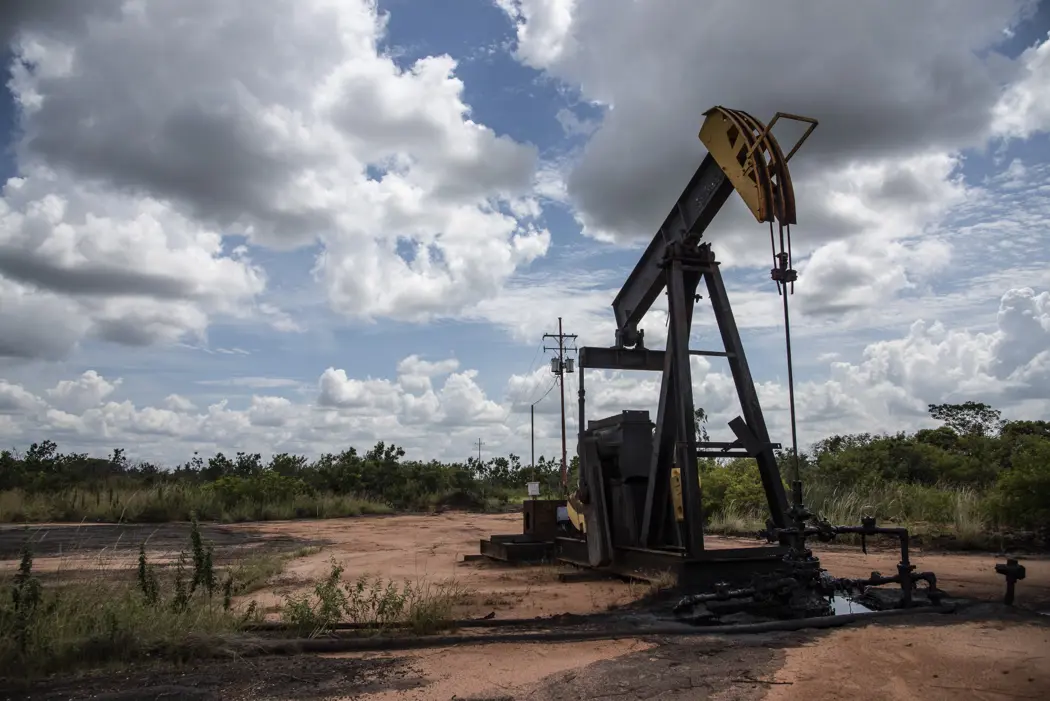
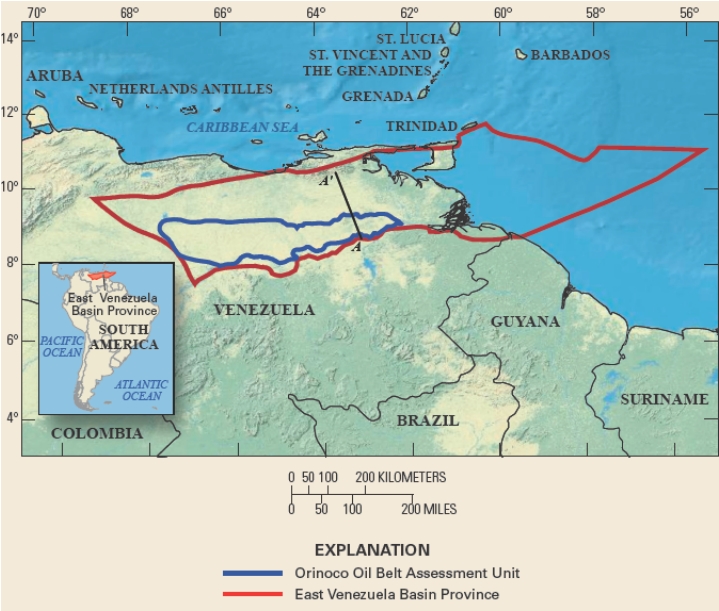
Venezuela holds some of the world’s largest proven oil reserves, yet years of under-investment and sanctions have sharply limited output. As global demand patterns shift and supply constraints persist, policymakers in Washington have reassessed how Venezuelan crude might reenter regulated markets.
This reassessment forms the backbone of US energy policy Venezuela, which seeks to balance economic pragmatism with regulatory oversight. Analysts say the policy reflects recognition that isolating major oil producers can amplify volatility rather than reduce it.
What Washington Has Confirmed
US officials have confirmed that Venezuelan crude will be marketed through controlled channels, with revenues subject to strict oversight. The goal, according to briefings, is to ensure transparency while easing pressure on global supply chains.
By placing conditions on sales and revenue handling, US energy policy Venezuela aims to integrate Venezuelan oil without undermining existing sanctions frameworks or international norms.
Market Reaction and Price Signals
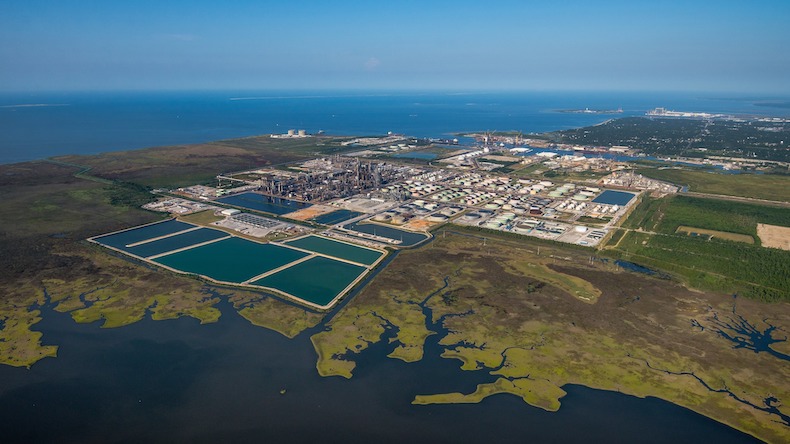
Oil markets responded with cautious optimism following the announcement. Traders noted that additional heavy crude could benefit refineries configured for such grades, particularly along the US Gulf Coast.
While price movements were modest, analysts said expectations surrounding US energy policy Venezuela have already begun influencing forward contracts and shipping forecasts.
Implications for US Refineries
Many US refineries are designed to process heavier crude blends, making Venezuelan oil technically attractive. Industry executives say regulated access could improve efficiency and reduce reliance on alternative suppliers.
From this perspective, US energy policy Venezuela is seen as supporting domestic energy infrastructure while maintaining leverage over supply sources.
Venezuela’s Economic Stakes
For Venezuela, renewed access to markets represents a potential lifeline for an economy heavily dependent on oil revenue. Officials in Caracas have framed the development as an opportunity to stabilize production and fund essential services.
However, critics argue that US energy policy Venezuela places significant constraints on how revenues are used, raising questions about sovereignty and long-term autonomy.
Regional Impact Across Latin America
The policy shift has drawn attention across Latin America and the Caribbean, where many countries depend on predictable energy supplies. Some governments see opportunities for regional cooperation, while others express concern about precedent.
Observers note that US energy policy Venezuela could reshape regional energy relationships if it leads to more structured and transparent trade flows.
Diplomatic Considerations
Allied governments have sought clarity on how the policy aligns with broader international commitments. Diplomats emphasize that coordination and consultation remain essential to avoid unintended consequences.
Within diplomatic circles, US energy policy Venezuela is viewed as a test case for how energy strategy intersects with foreign policy in a multi-polar world.
Sanctions and Legal Frameworks
Existing sanctions against Venezuelan entities remain in place, and officials stress that the new approach operates within established legal boundaries. Revenues are to be handled through approved financial channels, limiting misuse.
Legal experts say US energy policy Venezuela demonstrates how sanctions regimes can be adapted without being dismantled entirely.
Environmental Debate
Environmental groups have criticized the move, arguing that expanding fossil fuel integration contradicts climate goals. They warn that long-term reliance on oil undermines transition efforts.
Supporters counter that US energy policy Venezuela addresses immediate supply realities while broader climate strategies continue to evolve.
Strategic Energy Security
Energy security remains a central justification for the policy. Diversifying supply sources is seen as a hedge against geopolitical shocks and production disruptions elsewhere.
In this context, US energy policy Venezuela is framed as one component of a wider strategy to ensure resilience in an unpredictable global market.
Industry and Investment Outlook
Attention is turning to whether regulated access could attract investment and technical expertise to Venezuela’s oil sector. Industry analysts say stability and clarity are prerequisites for any meaningful production recovery.
Future investment decisions will likely hinge on how consistently US energy policy Venezuela is applied over time.
One Defining Quote
One senior energy analyst observed,
“This is not about ideology, it is about managing supply in a market that cannot afford prolonged disruption.”
Consumer Impact
For consumers, the effects are expected to be indirect and gradual. While no immediate price drops are anticipated, additional supply options could moderate volatility over time.
Economists say US energy policy Venezuela should be viewed as a stabilizing measure rather than a price control mechanism.
Global Trade Implications
Beyond the Western Hemisphere, the policy has implications for Asia and Europe, where Venezuelan crude has historically found buyers. Redirecting flows could alter trade patterns and shipping routes.
Trade experts note that US energy policy Venezuela underscores how energy decisions in one country can ripple across the global economy.
Media and Public Discourse
The announcement has generated significant media attention, with debate focusing on the balance between pragmatism and principle. Public opinion appears divided along familiar lines.
Still, surveys suggest broad support for approaches that enhance stability, a sentiment reflected in discussions of US energy policy Venezuela.
Historical Perspective
Historically, Venezuelan oil has played a central role in global energy markets. Shifts in access and control have often mirrored broader geopolitical trends.
Seen through this lens, US energy policy Venezuela represents another chapter in a long and complex relationship shaped by economics and power.
Challenges Ahead
Implementing the policy will require careful coordination, monitoring, and adjustment. Market conditions, political developments, and legal challenges could all influence outcomes.
Analysts caution that US energy policy Venezuela must remain flexible to adapt to changing circumstances.
When Oil Policy Becomes Global Leverage
The evolution of US energy policy Venezuela marks a significant moment in global energy governance. By asserting structured control over how Venezuelan crude enters the market, Washington is seeking to balance stability, security, and diplomacy.
As the policy unfolds, its success will depend on execution, transparency, and the ability to navigate competing priorities in an increasingly interconnected energy system.