
Washington, D.C., United States – May 23 – Brussels Morning Newspaper — Taiwan defense deal discussions are intensifying geopolitical debate as the United States continues expanding military support for Taiwan amid rising regional tensions involving China and broader Indo-Pacific security concerns. The latest defense cooperation efforts are drawing strong reactions from Beijing while increasing international focus on military stability across Asia.
- US Military Support Continues Expanding
- China Strongly Opposes Taiwan Defense Deal
- Indo-Pacific Security Remains Strategic Priority
- Semiconductor Industry Raises Global Stakes
- Global Military Spending Continues Increasing
- Diplomatic Tensions Continue Escalating
- Historical Disputes Continue Influencing Relations
- Data Snapshot: Taiwan Defense Deal 2026
- Financial Markets Remain Highly Sensitive
- Future Outlook Remains Uncertain
American officials continue describing the military support as defensive in nature and necessary for maintaining regional balance. However, Chinese authorities argue that expanding defense agreements with Taiwan threaten stability and interfere with Beijing’s sovereignty claims.
The Taiwan defense deal has quickly become one of the most closely watched geopolitical developments of 2026 because of its potential impact on military strategy, diplomatic relations, technology supply chains, and global markets.
One foreign policy expert stated:
“Taiwan sits at the center of one of the world’s most sensitive geopolitical fault lines.”
The comments reflect growing international concern surrounding regional security dynamics.
US Military Support Continues Expanding
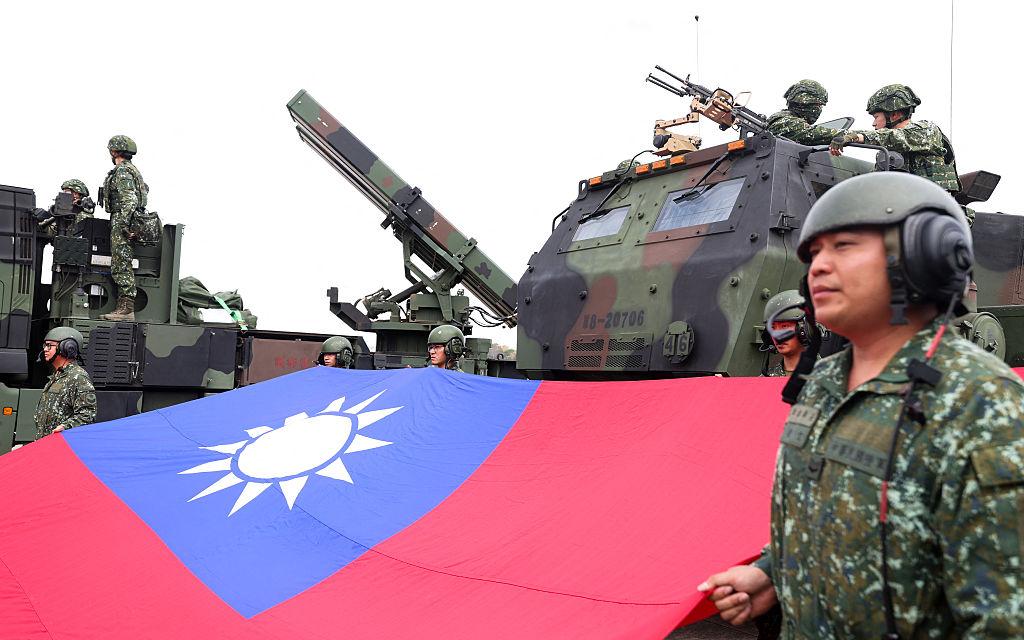
The Taiwan defense deal reflects Washington’s long-standing policy of supporting Taiwan’s defensive capabilities through military equipment, training programs, and strategic cooperation.
Defense analysts say recent agreements focus heavily on missile defense systems, maritime security technology, surveillance capabilities, and modern battlefield communication systems.
American officials argue that strengthening Taiwan’s defensive readiness helps discourage military escalation and preserve stability in the Indo-Pacific region.
At the same time, the continued expansion of military support has increased diplomatic pressure between Washington and Beijing.
Military observers believe future defense cooperation could include additional cybersecurity systems, drone technology, and advanced intelligence-sharing initiatives.
China Strongly Opposes Taiwan Defense Deal
China continues responding aggressively to the Taiwan defense deal, warning that increased military cooperation between Washington and Taipei risks undermining regional stability.
Beijing considers Taiwan part of its territory and has repeatedly criticized foreign governments for supporting Taiwan’s military preparedness.
Chinese military activity near Taiwan has increased significantly during recent years, including naval patrols, aircraft operations, and military exercises intended to demonstrate strategic capability.
Diplomatic experts warn that rising military activity from all sides is increasing the risk of misunderstanding or accidental escalation.
One Asia-Pacific security analyst explained:
“Every new military agreement involving Taiwan is now viewed through the lens of broader strategic competition.”
The statement highlights how geopolitical rivalry is reshaping regional diplomacy.
Indo-Pacific Security Remains Strategic Priority
The Taiwan defense deal is unfolding during a period of intensified competition across the Indo-Pacific region, where military positioning, trade routes, and technological leadership have become major geopolitical priorities.
The United States has expanded cooperation with regional allies while increasing naval presence and military coordination throughout the Asia-Pacific.
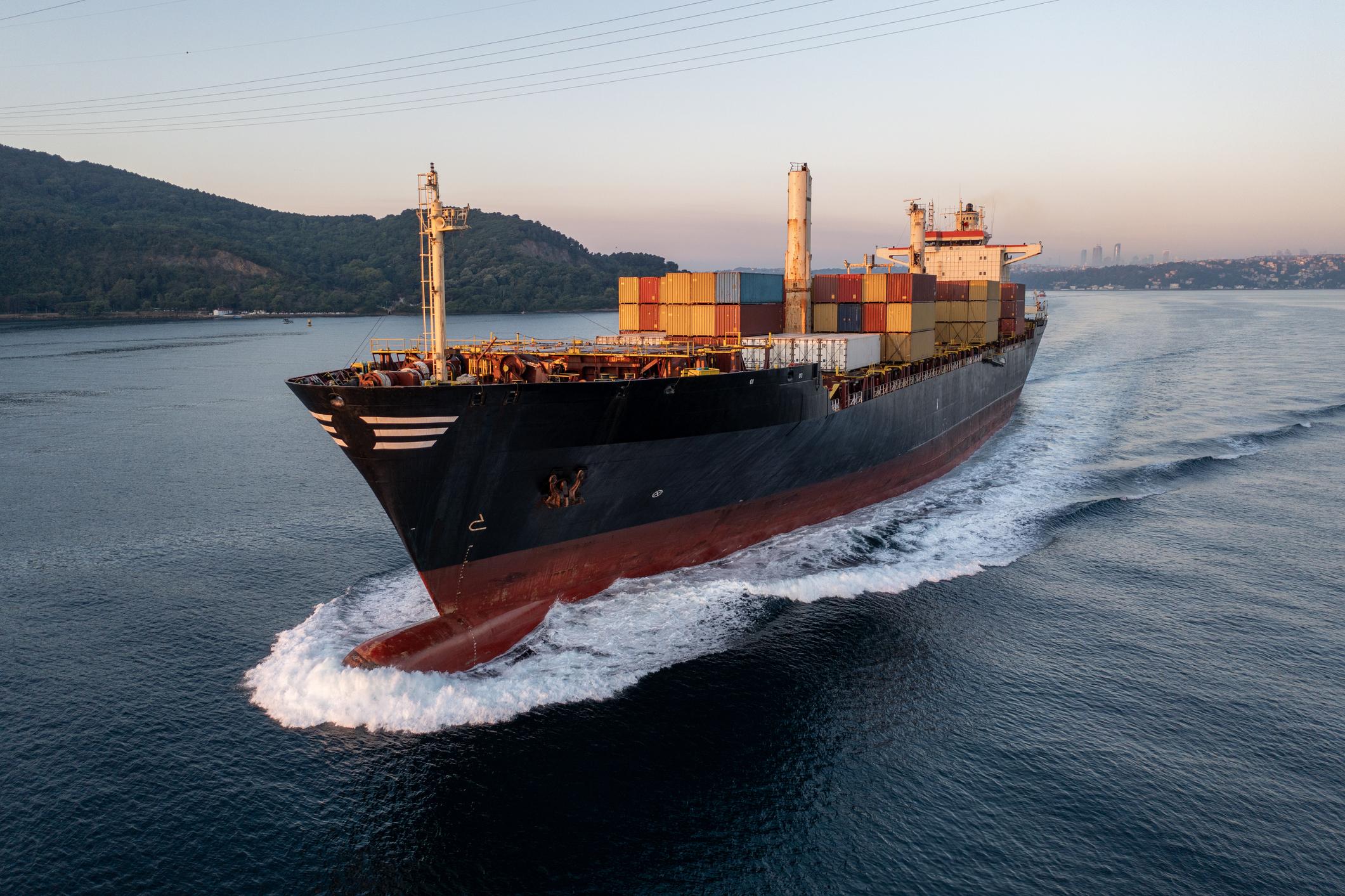
Governments across the region are closely monitoring developments because Taiwan’s location makes it strategically important for international shipping lanes, regional security, and economic stability.
Defense planners say maintaining balance in the Indo-Pacific remains critical to broader global trade and military strategy.
Semiconductor Industry Raises Global Stakes
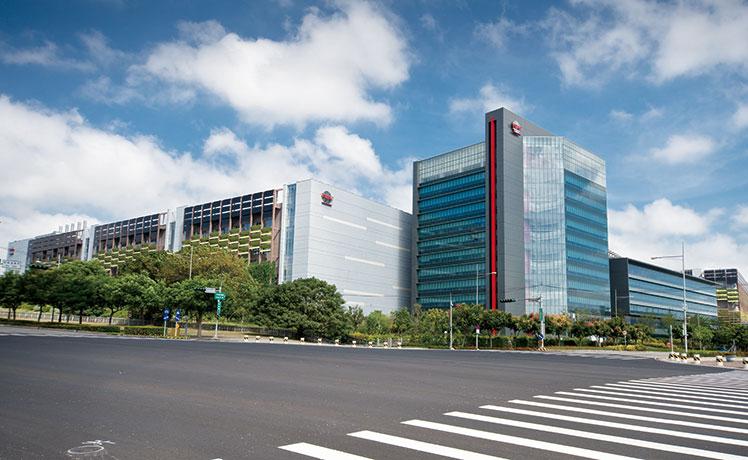
One major reason the Taiwan defense deal attracts worldwide attention is Taiwan’s central role in the global semiconductor industry.
Taiwanese manufacturers produce many of the advanced chips used in smartphones, artificial intelligence systems, automobiles, defense equipment, and industrial technologies worldwide.
Any disruption involving Taiwan could significantly impact international supply chains and global economic stability.
Financial markets closely monitor geopolitical developments involving Taiwan because of concerns about semiconductor production and trade disruption.
A technology market strategist noted:
“Taiwan’s economic importance extends far beyond regional politics because modern technology industries depend heavily on its chip production.”
The statement reflects why investors remain highly sensitive to developments involving the island.
Global Military Spending Continues Increasing
The Taiwan defense deal is also contributing to broader increases in global defense spending as governments respond to rising geopolitical uncertainty.
Countries throughout Asia, Europe, and the Middle East continue investing heavily in military modernization programs involving drones, missile systems, cybersecurity, naval capabilities, and artificial intelligence technologies.
Defense experts believe geopolitical competition between major powers is reshaping military planning worldwide.
The growing focus on advanced technology systems reflects concerns about future conflicts increasingly involving cyber warfare, autonomous weapons, and long-range precision capabilities.
Diplomatic Tensions Continue Escalating
The Taiwan defense deal has further complicated diplomatic relations between the United States and China during an already tense period involving trade disputes, technology restrictions, and strategic competition.
Both governments continue publicly emphasizing stability while simultaneously increasing military preparedness and diplomatic pressure.
Foreign policy analysts say maintaining communication channels between Washington and Beijing remains essential to reducing risks of escalation.
However, the growing overlap between economic competition, military positioning, and national security concerns is making diplomacy increasingly difficult.
Several experts believe future negotiations may become more complicated as domestic political pressures intensify in both countries.
Historical Disputes Continue Influencing Relations
The Taiwan defense deal remains deeply connected to decades of political history involving Taiwan’s status, U.S.-China relations, and evolving geopolitical strategy in Asia.
Since the late 20th century, the United States has maintained strategic ambiguity regarding Taiwan while continuing limited defense cooperation.
This approach has helped preserve relative stability for many years, although tensions periodically increase during moments of geopolitical friction.
Historical disagreements surrounding sovereignty and regional influence continue shaping modern policy decisions today.
Foreign policy researchers say understanding these historical dynamics is critical when evaluating current tensions.
Data Snapshot: Taiwan Defense Deal 2026
| Category | Current Situation |
|---|---|
| Main Region | Indo-Pacific |
| Key Issue | Military support for Taiwan |
| China’s Position | Strong opposition |
| US Objective | Defensive deterrence |
| Global Economic Concern | Semiconductor supply chains |
| Diplomatic Climate | Elevated geopolitical tensions |
Financial Markets Remain Highly Sensitive
Global investors continue monitoring Taiwan defense deal developments because geopolitical instability involving Taiwan could affect international trade, technology production, and shipping activity across Asia.
Stock markets often react quickly to military exercises, diplomatic statements, and security developments connected to Taiwan.
Technology companies remain particularly sensitive due to dependence on semiconductor manufacturing and electronics supply chains.
Market analysts warn that prolonged geopolitical uncertainty could weaken investor confidence and increase volatility throughout international financial markets.
Future Outlook Remains Uncertain
The long-term impact of the Taiwan defense deal remains uncertain as geopolitical competition between major powers continues intensifying across the Indo-Pacific.
Some analysts believe stronger deterrence could help maintain stability, while others warn that increasing military activity raises the possibility of future confrontation.
Governments throughout the region continue encouraging diplomatic engagement aimed at reducing tensions and preserving economic stability.
At the same time, defense planning and military modernization efforts are expected to continue expanding during 2026 and beyond.