WASHINGTON, D.C. / RIYADH / TEHRAN (Brussels Morning NewsPaper) The Gulf security crisis remained one of the most closely watched geopolitical developments this week as rising military tensions, diplomatic uncertainty, and global energy concerns placed the Middle East at the center of international attention. Governments across the region continued increasing defense readiness while global markets monitored every new development tied to regional stability.
International leaders urged restraint as concerns grew over maritime security, missile threats, military positioning, and strategic energy infrastructure. The latest developments have also intensified pressure on major global economies that depend heavily on stable oil transportation routes through the Gulf region.
Political analysts said the situation remains highly sensitive because several regional disputes are now interconnected through security alliances, trade dependencies, and military partnerships. The Gulf security crisis has increasingly become a defining geopolitical issue shaping international foreign policy discussions in 2026.
Regional Military Activity Raises Strategic Concerns
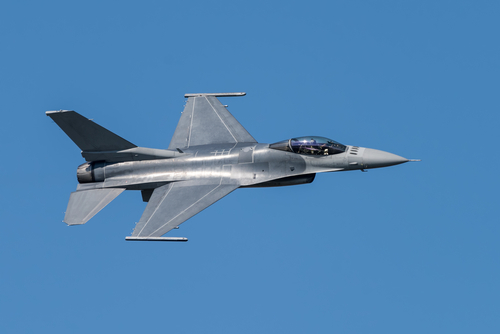
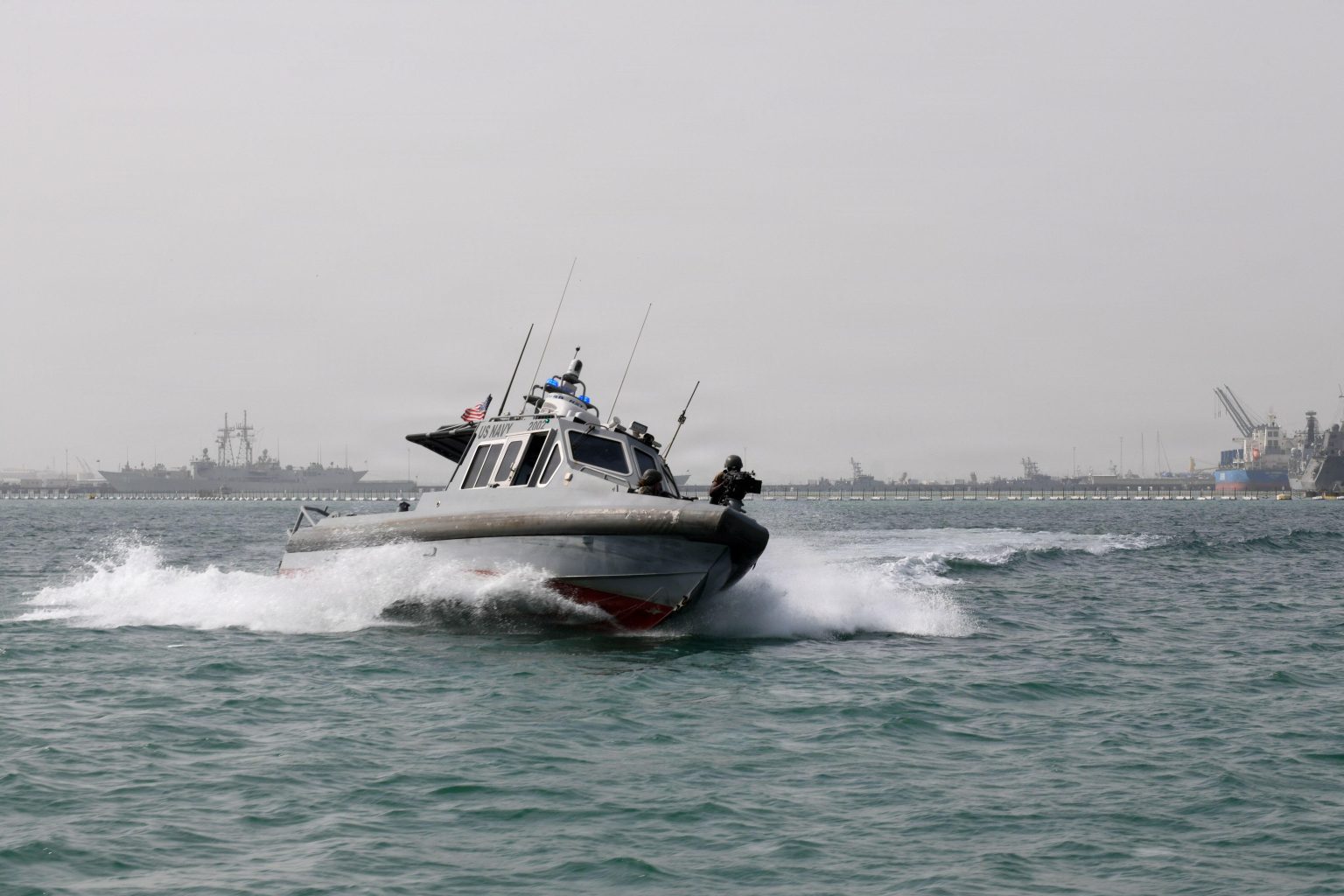
Military movements across several Gulf regions have continued attracting international scrutiny during recent weeks. Defense officials in multiple countries confirmed heightened surveillance operations, naval patrols, and strategic readiness exercises designed to protect shipping lanes and critical infrastructure.
The United States and allied nations have maintained a strong military presence throughout key maritime corridors while regional governments reviewed contingency plans in response to escalating uncertainty. Security experts warned that even limited incidents involving commercial shipping or energy facilities could quickly affect global markets.
One senior geopolitical analyst stated, “The Gulf region remains extremely important to the global economy, which is why every military movement is being closely monitored.”
Several Gulf nations also expanded joint security coordination measures aimed at improving intelligence sharing and emergency response capabilities. Observers noted that the Gulf security crisis continues influencing strategic defense decisions far beyond the Middle East itself.
Oil Markets React to Growing Instability
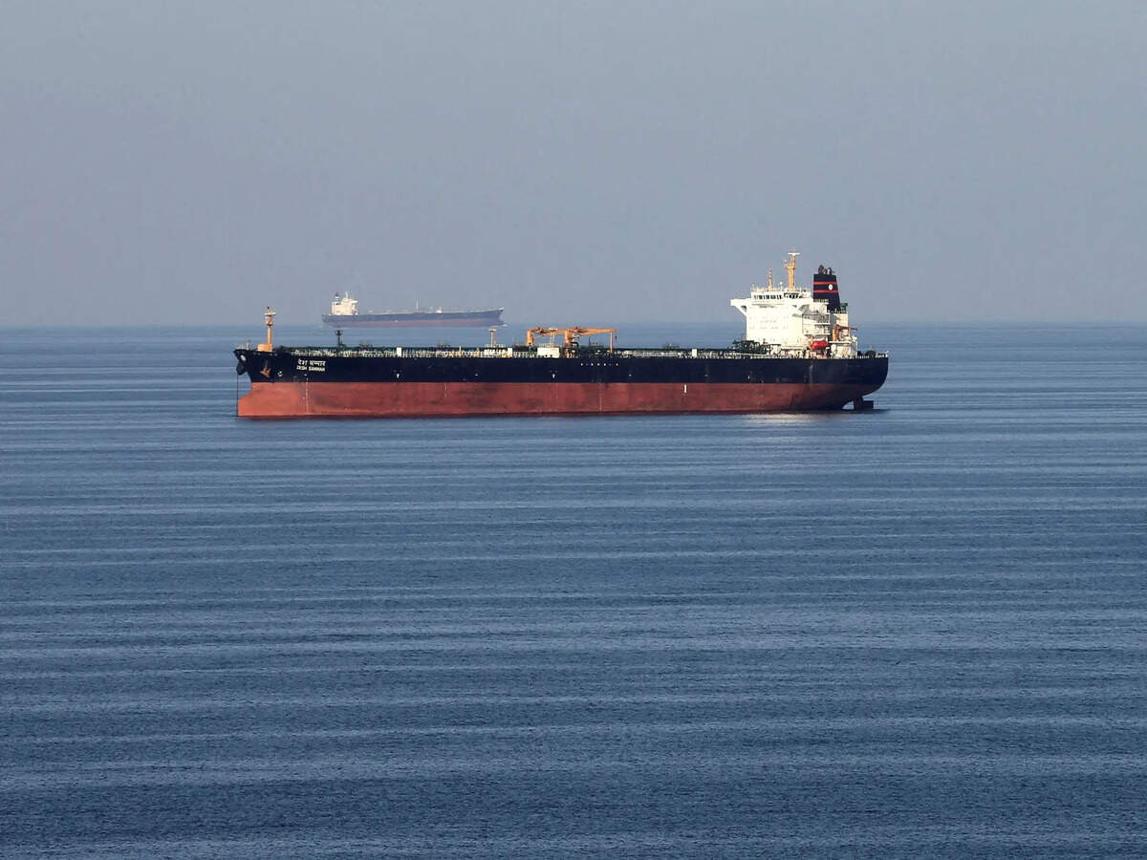
Global energy markets remained highly sensitive to headlines surrounding the Gulf security crisis as traders evaluated potential risks to oil exports and transportation routes. Crude oil prices experienced periodic volatility amid concerns involving maritime disruptions and regional military activity.
The Strait of Hormuz once again became a major focus for analysts due to its critical role in global energy transportation. Economists warned that prolonged instability in the region could increase shipping insurance costs, transportation expenses, and fuel prices worldwide.
International financial institutions continued monitoring developments closely because any interruption involving Gulf energy exports could influence inflation trends and economic growth forecasts across multiple continents.
A market strategist based in London said, “Energy traders are reacting not only to current risks but also to uncertainty surrounding future regional stability.”
The Gulf security crisis has therefore become closely linked to broader concerns surrounding economic resilience and supply chain reliability in 2026.
Diplomatic Channels Remain Active Despite Tensions
Despite rising security concerns, diplomatic engagement continued between several regional governments and international powers seeking to prevent further escalation. Negotiations involving military de-escalation, maritime coordination, and regional security guarantees remained ongoing behind closed doors.
European governments, Asian allies, and Gulf Cooperation Council members all encouraged continued dialogue while emphasizing the importance of avoiding military confrontation. Diplomatic officials suggested that communication channels remain essential for preventing misunderstandings during periods of heightened tension.
Several governments also continued coordinating efforts through international organizations aimed at preserving regional trade stability and protecting civilian infrastructure.
While negotiations have not yet produced a major breakthrough, diplomats believe ongoing communication itself represents an important stabilizing factor during the Gulf security crisis.
Historical Security Rivalries Continue Influencing the Region
The roots of the Gulf security crisis stretch back decades and involve complex political, economic, religious, and military rivalries throughout the Middle East. Strategic competition over energy resources, maritime access, regional influence, and defense alliances has shaped Gulf geopolitics for generations.
Past conflicts involving Iraq, Iran, Kuwait, Saudi Arabia, and international coalition forces significantly influenced the current regional security structure. Major historical events such as the Iran-Iraq War, the Gulf War, maritime confrontations, and sanctions disputes contributed to long-term instability patterns that still affect diplomatic relations today.
The expansion of global energy dependence on Gulf oil exports also elevated the region’s strategic importance for major world powers. Over time, international military partnerships, arms agreements, and economic dependencies further complicated regional security dynamics.
Analysts believe understanding these historical factors remains essential for evaluating why the Gulf security crisis continues carrying major global implications in 2026.
International Alliances Shape Strategic Responses
Global alliances continue playing a major role in determining how governments respond to developments tied to the Gulf security crisis. NATO members, Asian energy importers, and regional defense partners all maintain strategic interests connected to Gulf stability.
The United States has repeatedly emphasized its commitment to protecting navigation routes and supporting allied governments throughout the region. Meanwhile, China, Russia, and European nations have also increased diplomatic involvement due to the global economic importance of Middle East stability.
Security experts said the modern geopolitical environment has created a situation where regional disputes can quickly affect international diplomacy, financial markets, and defense planning worldwide.
Several countries also increased cybersecurity monitoring efforts due to concerns surrounding digital infrastructure attacks connected to geopolitical tensions.
Civilian Concerns Grow Across the Region
The Gulf security crisis has also generated growing concern among civilians living throughout the Middle East. Residents in several countries expressed anxiety regarding economic uncertainty, transportation disruptions, and the possibility of broader regional instability.
Air travel routes, tourism activity, investment planning, and consumer confidence have all experienced pressure due to ongoing geopolitical uncertainty. Business leaders across the region called for diplomatic restraint while encouraging governments to prioritize economic stability.
Humanitarian organizations also warned that prolonged instability could place additional strain on vulnerable populations already affected by inflation and regional conflict pressures.
Despite these concerns, regional officials continued emphasizing that security operations remain focused on deterrence and stability rather than escalation.
Global Markets Continue Monitoring Every Development
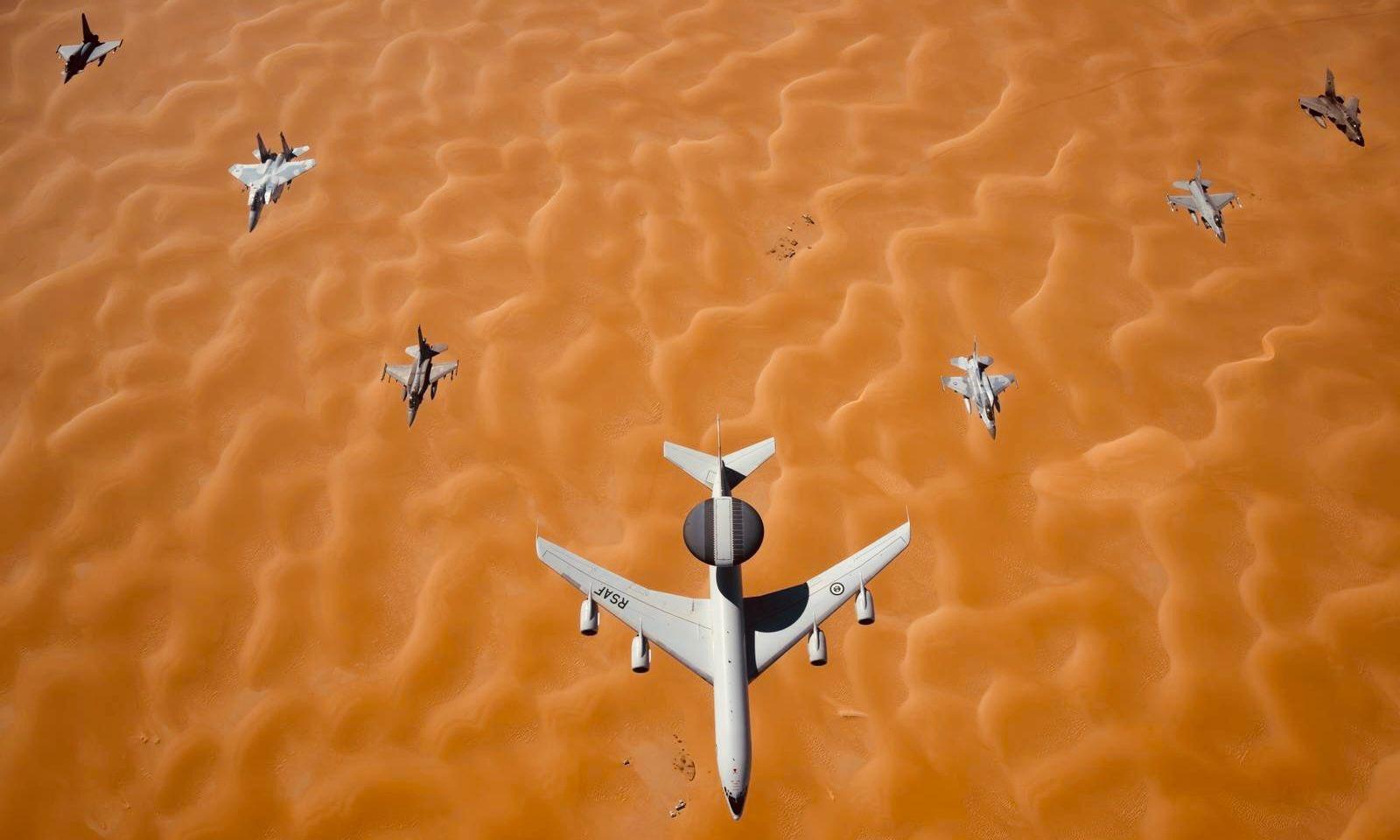
Financial markets across Europe, Asia, and North America continued reacting cautiously to developments tied to the Gulf security crisis. Investors monitored oil prices, military activity, diplomatic negotiations, and shipping conditions for signals regarding future economic risk.
Stock markets connected to transportation, energy, manufacturing, and logistics sectors showed heightened sensitivity throughout recent trading sessions. Analysts believe uncertainty rather than direct conflict currently remains the primary driver behind market volatility.
International banks and policy institutions also continued updating economic forecasts to account for geopolitical risk exposure linked to Middle East stability.
The Gulf security crisis remains one of the most influential geopolitical stories affecting global economic sentiment during 2026.
The Gulf security crisis continues shaping international diplomacy, energy markets, military strategy, and economic stability as regional tensions remain elevated throughout 2026. While diplomatic efforts remain active, governments worldwide continue preparing for potential disruptions involving trade routes, energy supplies, and security alliances.
Military positioning, historical rivalries, and global economic dependencies have all combined to make the Gulf region one of the most strategically important areas in the world. Although international leaders continue urging restraint, uncertainty surrounding future developments remains high as the geopolitical situation evolves.