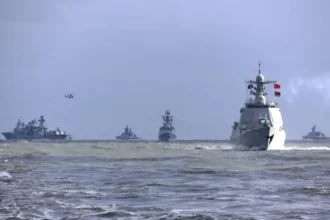
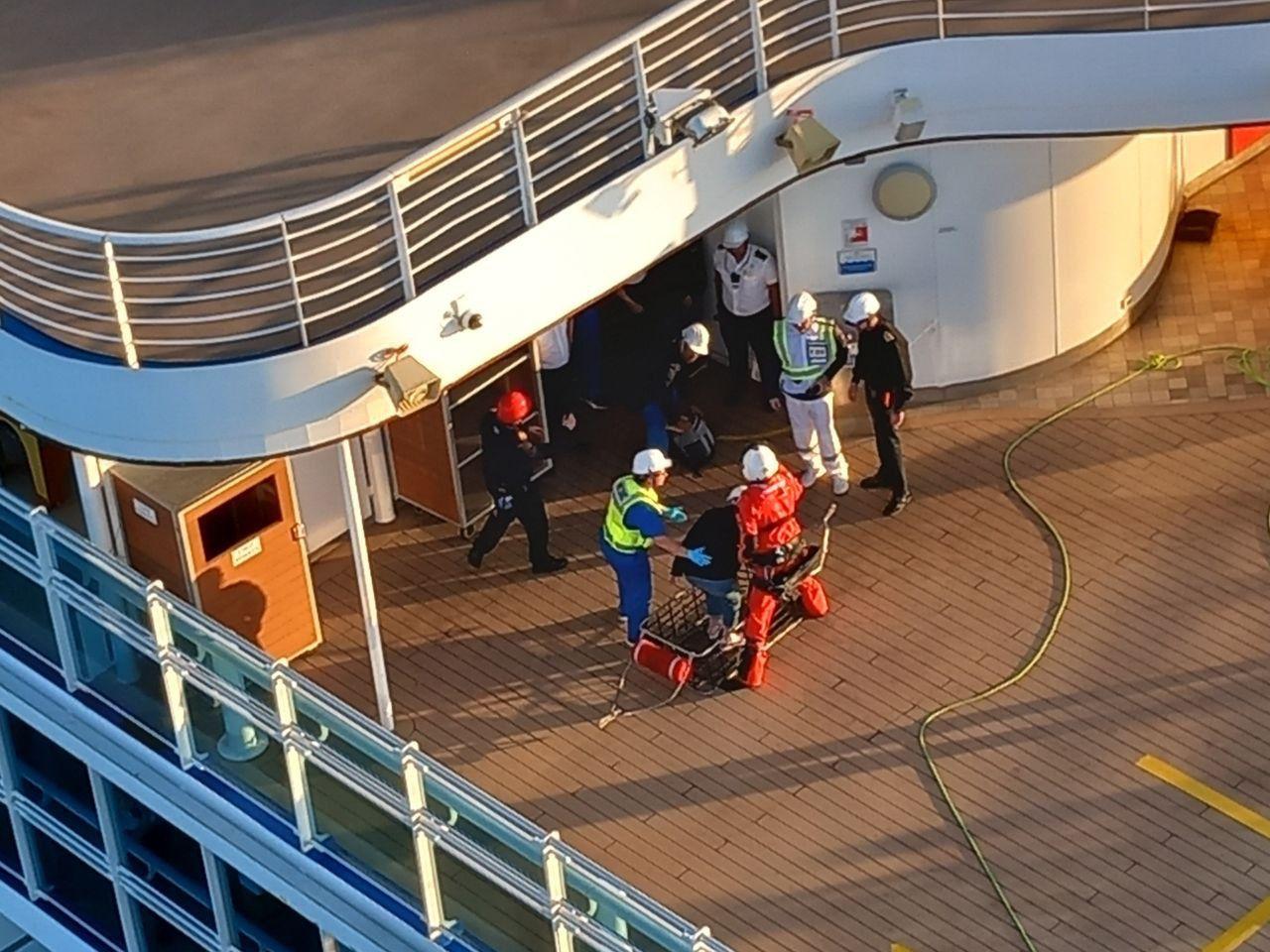
MADRID, Spain – May 10, 2026 – Brussels Morning Newspaper — Maritime disease outbreak concerns escalated sharply after Spanish health officials boarded a hantavirus-hit passenger vessel to begin emergency evacuations and medical screenings. The incident has triggered an international public health response as authorities attempt to contain potential infections and protect hundreds of passengers and crew members aboard the ship.
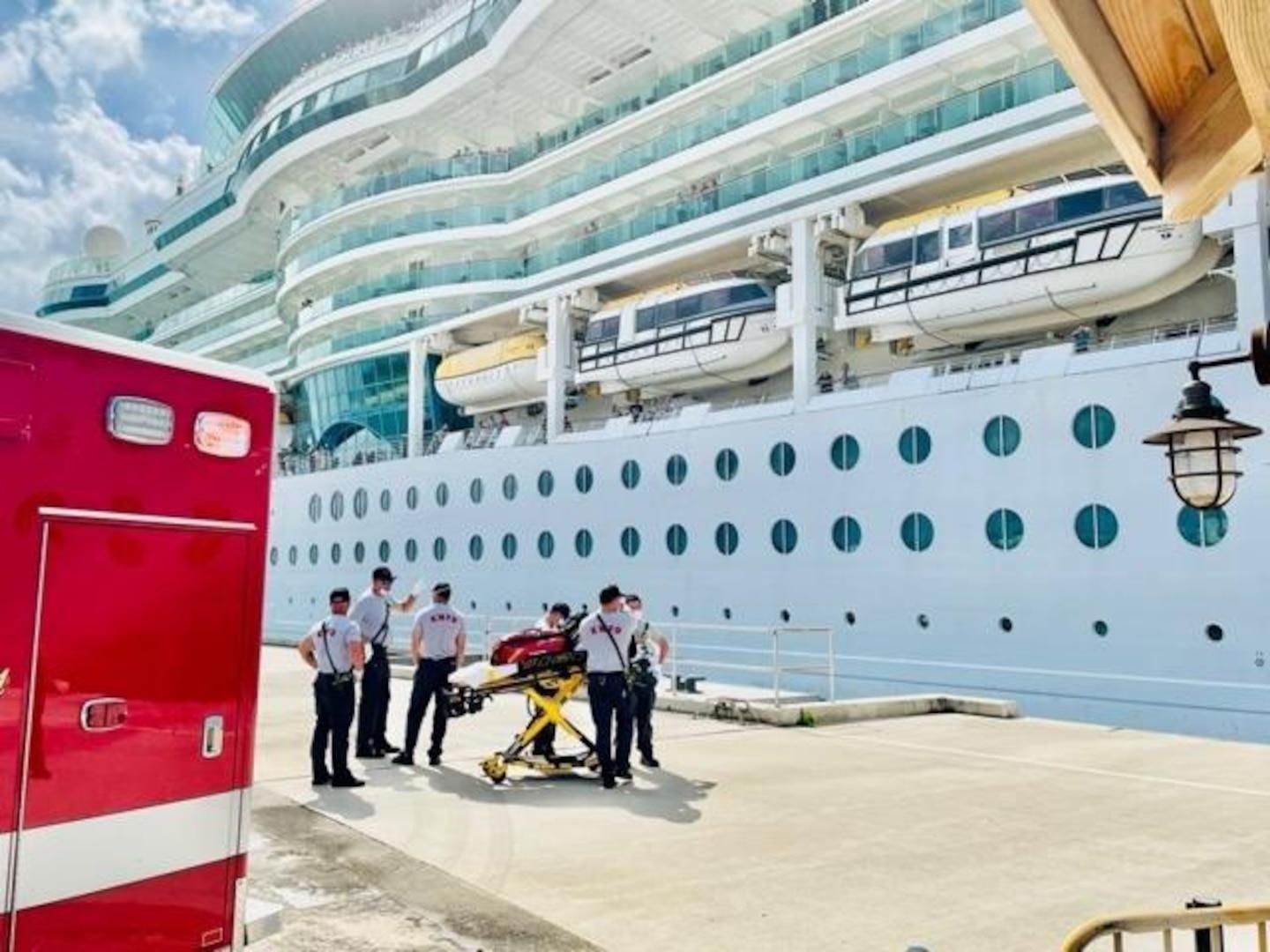
Spanish emergency medical teams arrived at the vessel shortly after it reached controlled waters near Spain. Officials immediately established quarantine procedures while specialized health workers began evaluating passengers showing symptoms associated with hantavirus exposure.
The growing Maritime disease outbreak has quickly become one of Europe’s most closely monitored public health incidents of 2026.
“Rapid containment measures are essential during any suspected viral emergency involving international passengers,”
a European infectious disease expert said after evacuation operations began.
Spanish Officials Begin Passenger Evacuations
Health authorities confirmed that emergency evacuation efforts were launched under strict medical supervision to reduce contamination risks linked to the suspected Maritime disease outbreak.
Passengers displaying fever, respiratory symptoms, fatigue, or muscle pain were prioritized for medical examination and possible transfer to nearby hospitals prepared for infectious disease cases.
Officials instructed remaining passengers to stay inside designated sections of the vessel while health teams conducted screenings and collected laboratory samples.
Emergency responders wearing protective equipment coordinated with maritime authorities throughout the operation.
The ship itself may remain temporarily quarantined until sanitation inspections and environmental testing related to the Maritime disease outbreak are completed.
Hantavirus Symptoms Raise Global Attention
The suspected Maritime disease outbreak has drawn renewed attention to hantavirus, a rare but potentially dangerous viral infection often linked to rodent exposure.
Medical experts explain that hantavirus infections commonly begin with fever, headaches, fatigue, muscle pain, nausea, and breathing difficulties. Severe cases may rapidly develop into life-threatening respiratory complications affecting the lungs.
Authorities are still investigating whether infected rodents or contaminated areas aboard the vessel contributed to the outbreak.
Health officials emphasized that laboratory confirmation remains necessary before all suspected cases can officially be classified as hantavirus infections.
The ongoing Maritime disease outbreak investigation continues involving infectious disease specialists, environmental inspectors, and international health agencies.
Cruise Industry Faces New Health Concerns
The latest Maritime disease outbreak has once again highlighted concerns regarding health risks aboard large passenger vessels operating internationally.
Cruise ships remain highly sensitive environments because thousands of passengers often share enclosed facilities, dining spaces, ventilation systems, and recreational areas during extended voyages.
Since the COVID-19 pandemic, many cruise operators have implemented enhanced health monitoring systems and sanitation procedures designed to respond quickly during onboard medical emergencies.
However, infectious disease specialists warn that maritime travel still presents unique public health challenges when contagious illnesses or environmental contamination emerge aboard ships.
Industry analysts believe the latest Maritime disease outbreak could temporarily affect traveler confidence and place additional pressure on cruise operators to strengthen safety measures.

European Health Agencies Intensify Monitoring
European public health agencies are reportedly coordinating closely with Spanish officials following the suspected Maritime disease outbreak aboard the vessel.
Authorities have begun reviewing passenger records, onboard sanitation conditions, travel histories, and possible exposure sources connected to the incident.
Contact-tracing operations may also expand to include port personnel, transportation staff, and medical responders who interacted with passengers during evacuation procedures.
Several hospitals across Spain reportedly prepared specialized isolation units as a precaution while laboratory testing continues.
Health experts stressed that swift detection and isolation remain critical during any large-scale Maritime disease outbreak involving international travelers.
Investigators Search for Exposure Source
Health investigators continue examining cargo storage areas, food preparation zones, ventilation systems, and maintenance sections aboard the vessel as part of the broader Maritime disease outbreak investigation.
Environmental teams are specifically searching for evidence of rodent activity or contamination that may explain possible hantavirus exposure.
Authorities cautioned against speculation regarding the outbreak source until laboratory findings and environmental inspections are completed.
Specialized testing may take several days before investigators determine whether passengers were exposed aboard the vessel or before boarding the ship.
The evolving Maritime disease outbreak investigation remains under close international observation as health officials work to identify the exact cause of the medical emergency.
Maritime Health Safety Under Pressure
The incident has intensified discussions regarding global maritime health preparedness and emergency response capabilities within the international tourism industry.
Public health specialists say international shipping networks create complex challenges when disease outbreaks occur aboard vessels carrying passengers across multiple countries.
The latest Maritime disease outbreak may increase pressure on cruise operators to improve onboard medical screening systems, quarantine facilities, sanitation controls, and emergency communication procedures.
Insurance providers and tourism regulators are also expected to review the situation carefully as authorities continue responding to the incident.
Several travel companies reportedly began monitoring booking activity as public concern surrounding the Maritime disease outbreak continues growing.
Maritime Disease Outbreak Raises Global Health Concerns
The suspected hantavirus emergency aboard a passenger vessel near Spain has intensified international concern regarding maritime health security and emergency disease response protocols in 2026.
As Spanish authorities continue evacuations, medical screenings, and laboratory investigations, the incident highlights the ongoing challenges associated with protecting travelers aboard large international vessels.
The growing Maritime disease outbreak has also renewed conversations about cruise safety, infectious disease prevention, and global health preparedness across the tourism and maritime industries.
With investigators still searching for the exact source of exposure, health agencies worldwide are expected to closely monitor developments surrounding one of Europe’s most closely watched maritime health emergencies this year.