
QUETTA, Pakistan– May 10, 2026 – Brussels Morning Newspaper — Pakistan security crisis concerns intensified after at least twelve Pakistani policemen were killed in a devastating car bombing targeting a police convoy in Balochistan province. The powerful explosion, which also injured several officers, has renewed fears regarding militancy, insurgent violence, and growing instability across sensitive regions of Pakistan.
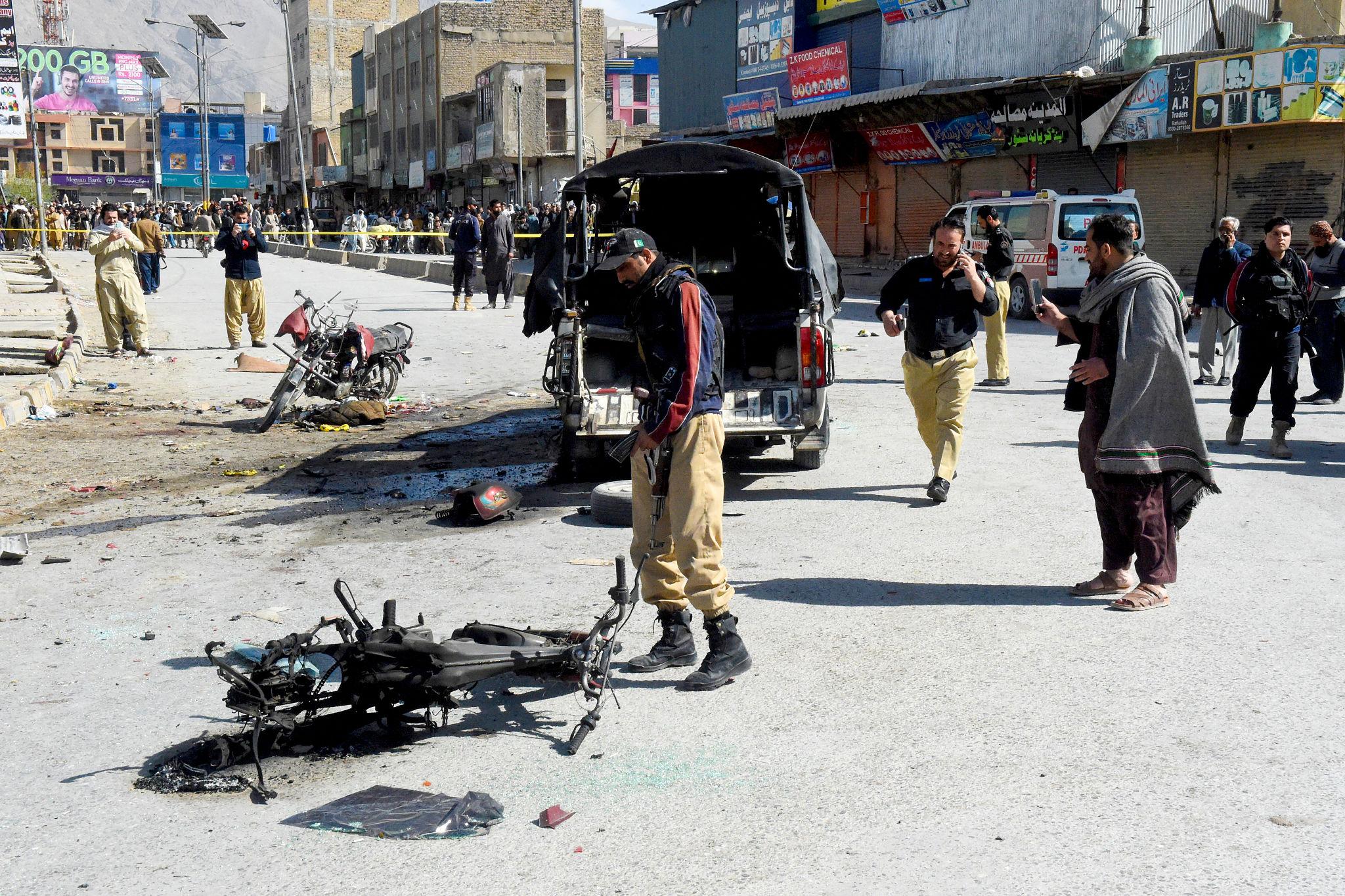
Authorities said the attack occurred while police personnel traveled through a high-risk security route near Quetta. Initial reports indicate that explosives were detonated as the convoy passed through the area, causing severe destruction to multiple vehicles and leaving a large debris field across the roadway.
Emergency rescue teams arrived quickly while security forces sealed nearby roads and launched immediate search operations for suspects believed to be linked to the bombing.
The deadly attack has become one of the most serious incidents involving law enforcement casualties in Pakistan this year.
“Attacks against police officers are attacks against national stability itself,”
a regional counterterrorism analyst said after the bombing.
Police Convoy Targeted in Balochistan
Officials confirmed that the officers killed in the explosion were assigned to security duties in Balochistan, a province long affected by separatist violence, militant activity, and counterterrorism operations.
Witnesses described hearing a massive explosion followed by smoke rising from damaged police vehicles. Several officers reportedly suffered critical injuries and were transported to nearby hospitals for emergency treatment.
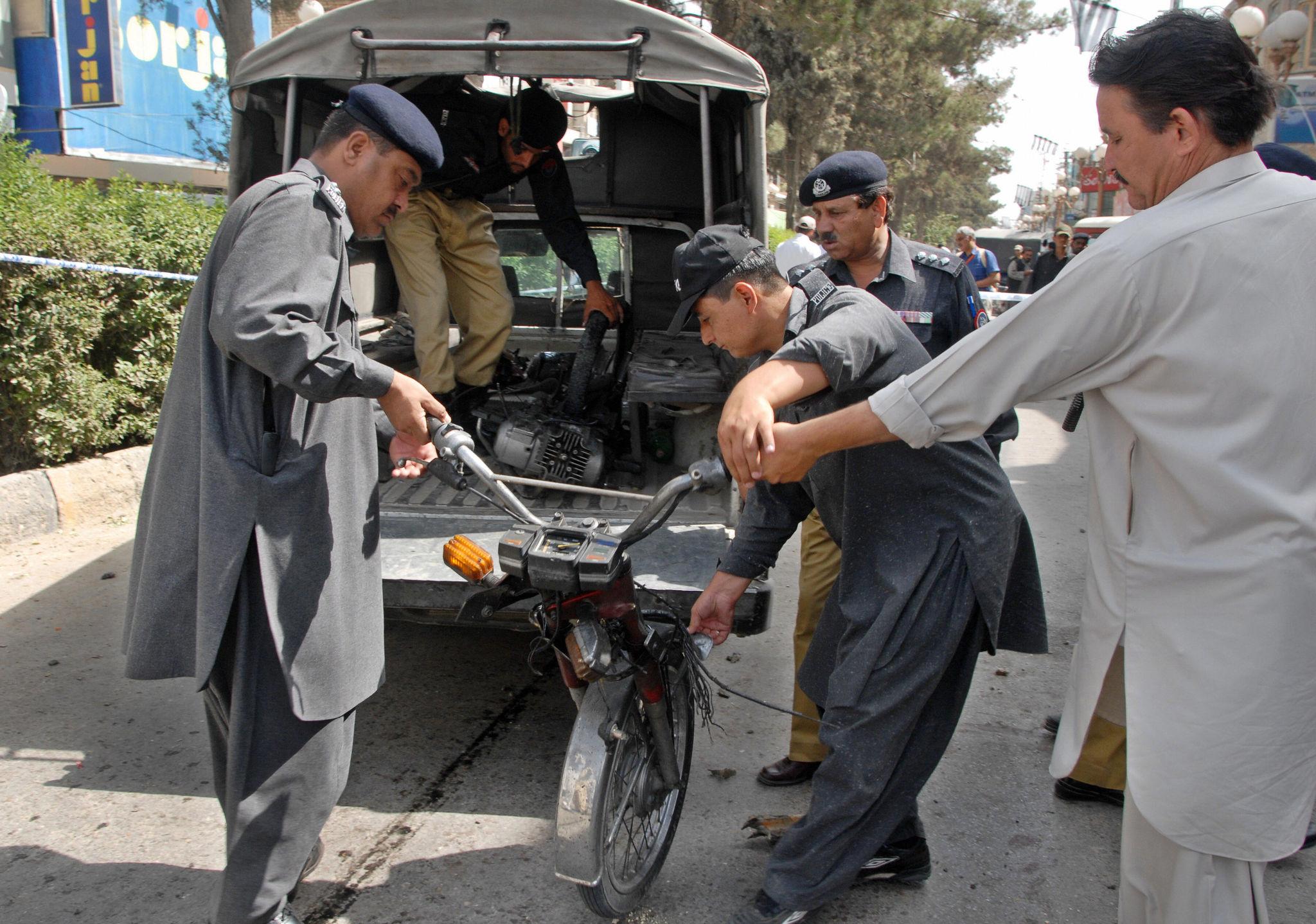
Investigators immediately began collecting forensic evidence while intelligence agencies reviewed possible connections to extremist organizations operating within the region.
No militant group formally claimed responsibility during the early stages of the investigation, though authorities believe the bombing was highly coordinated.
The latest violence has once again highlighted the dangers facing security personnel assigned to high-threat regions throughout Pakistan.
Militancy Fuels Pakistan Security Crisis
The latest attack has intensified concerns surrounding the broader Pakistan security crisis, particularly in provinces vulnerable to insurgent and extremist violence.
Security officials warn that militant organizations continue targeting police officers, military personnel, and government infrastructure in attempts to destabilize national security operations.
Balochistan remains one of Pakistan’s most strategically sensitive regions due to its geographic importance and ongoing separatist tensions. Armed groups operating within the province have frequently targeted security convoys, infrastructure projects, and transportation routes.
Analysts say repeated attacks against law enforcement personnel may weaken public confidence while placing additional strain on national counterterrorism efforts.
The government has vowed to intensify security operations following the deadly bombing.
National Leaders Condemn the Attack
Senior Pakistani officials strongly condemned the bombing and offered condolences to the families of the slain officers.
Government leaders described the explosion as a cowardly terrorist act aimed at undermining Pakistan’s internal stability and intimidating security agencies.
The Interior Ministry announced enhanced security alerts across multiple regions while intelligence agencies continue investigating the attack.
Political leaders from across Pakistan also condemned the violence and called for stronger national unity against terrorism and militancy.
Several officials praised the sacrifices made by police personnel serving in dangerous regions where security threats remain high.
Public Fear Grows After Deadly Explosion
The bombing triggered widespread concern throughout Pakistan as images from the blast site circulated across television networks and social media platforms.
Citizens expressed growing fears about public safety and the continuing threat posed by militant violence in vulnerable areas.
Community leaders and religious organizations held prayers honoring the officers killed in the explosion while many Pakistanis voiced support for law enforcement agencies battling terrorism.
Human rights advocates also emphasized the importance of protecting civilian populations living in conflict-prone regions frequently impacted by violence and security operations.
The attack has once again placed national focus on the sacrifices made by officers operating in dangerous counterterrorism environments.
Security Forces Launch Expanded Operations
Following the bombing, Pakistani security forces reportedly launched expanded operations across nearby districts in search of suspects connected to the attack.
Authorities established additional checkpoints, increased patrols, and intensified surveillance efforts throughout sensitive areas of Balochistan.
Military helicopters and intelligence units were also reportedly deployed to support ongoing investigations and regional stabilization operations.
Officials stated that those responsible for the attack would face severe consequences under Pakistan’s counterterrorism laws.
The government continues facing pressure to strengthen intelligence coordination and improve convoy protection measures for security personnel operating in high-risk regions.
Regional Stability Remains Under Pressure
The latest bombing demonstrates how the broader Pakistan security crisis continues influencing regional stability across South Asia. The deadly attack has renewed international concern over militancy, terrorism, and internal instability affecting Pakistan in 2026.
Security experts warn that repeated militant attacks connected to the ongoing Pakistan security crisis can negatively impact economic confidence, infrastructure development, and foreign investment opportunities within vulnerable areas. Analysts believe continued violence could discourage international investors already concerned about regional security risks.
Pakistan remains an important regional player in counterterrorism cooperation, making the growing Pakistan security crisis a significant concern for neighboring governments and international security agencies monitoring South Asian stability. Several regional powers continue working closely with Pakistani authorities on intelligence-sharing and counterterrorism coordination.
Analysts believe continued violence linked to the Pakistan security crisis may increase calls for stronger intelligence-sharing partnerships and expanded counterterrorism coordination throughout the region. Governments across South Asia are expected to closely monitor developments following the deadly bombing targeting police personnel in Balochistan.
Pakistan Security Crisis Continues in 2026
The deadly bombing that killed twelve Pakistani policemen has once again exposed the serious dangers facing Pakistan’s security forces in 2026. As investigations continue, the attack reinforces concerns regarding militancy, insurgent violence, and the growing risks confronting law enforcement personnel operating in unstable regions.
With authorities expanding counterterrorism operations and national leaders condemning the violence, the latest tragedy serves as another reminder that the Pakistan security crisis remains one of the country’s most urgent national security challenges.
The loss of twelve officers has also intensified public discussions about safety, national stability, and the continuing sacrifices made by those tasked with protecting Pakistan from terrorism and regional instability.