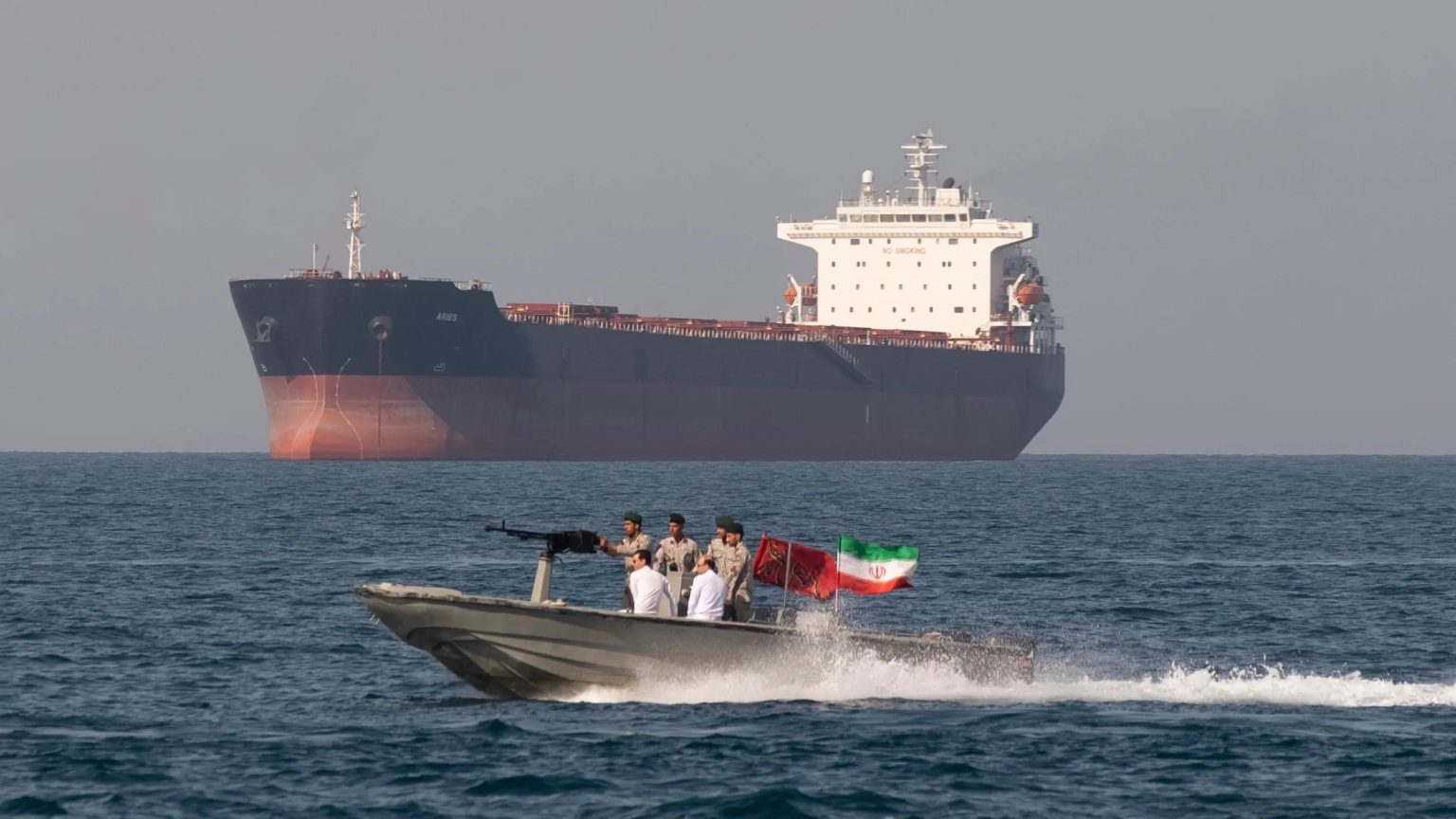
DUBAI, Qatar – May 10, 2026 – Brussels Morning Newspaper — Iran Gulf shipping tensions moved back into the international spotlight after the United Kingdom Maritime Trade Operations confirmed that a bulk carrier operating northeast of Doha was struck by an unknown projectile while sailing through Gulf waters. The incident immediately triggered heightened concern across global shipping markets, energy sectors, and international security agencies monitoring one of the world’s most critical maritime corridors.
According to maritime authorities, the vessel sustained a small onboard fire following the impact, though crew members reportedly extinguished the blaze quickly. No casualties or environmental damage were immediately reported. Authorities have not publicly identified the source of the projectile, and investigations remain ongoing.
The latest maritime incident arrives during a period of escalating geopolitical instability involving Iran, Gulf nations, Western military forces, and commercial shipping operations moving through strategic waterways connected to the Strait of Hormuz.
“Even isolated maritime strikes can create major global economic anxiety because energy markets rely heavily on uninterrupted Gulf shipping routes.”
UKMTO Confirms Maritime Security Incident
The UK Maritime Trade Operations agency stated that the bulk carrier was struck approximately 23 nautical miles northeast of Doha, Qatar. Maritime security advisories were immediately issued to nearby vessels warning operators to remain alert and report suspicious activity while transiting the region.
The attack caused renewed discussion regarding the growing vulnerability of commercial vessels operating throughout Gulf shipping lanes. International maritime agencies continue monitoring regional threats involving drones, missiles, explosive devices, and electronic warfare systems increasingly associated with modern maritime conflicts.
Shipping operators have become increasingly dependent on real-time intelligence networks as instability throughout the Middle East continues affecting international trade operations.
Gulf Shipping Routes Under Pressure
The Gulf region remains one of the most strategically important shipping corridors in the world. Large volumes of oil, liquefied natural gas, industrial cargo, and commercial goods pass through surrounding waters daily.
Qatar alone plays a critical role in global energy exports, making maritime disruptions near its coastline particularly sensitive for international markets.
Analysts warn that persistent attacks or unexplained maritime incidents could eventually increase transportation expenses, marine insurance premiums, and operational risks for international shipping firms.
Although the latest strike caused only limited damage, security specialists say the psychological impact on global markets can still be substantial.
Commercial shipping companies are reportedly reassessing navigation procedures and risk-management strategies while monitoring future developments involving Gulf maritime security.
Unknown Projectile Raises International Questions
Authorities have not yet disclosed whether the projectile involved a missile fragment, armed drone, naval munition, or another type of weapon system. That uncertainty has intensified speculation throughout defense and shipping circles.
Investigators are expected to analyze vessel damage, satellite data, crew testimony, and radar information before drawing conclusions regarding responsibility.
Regional governments have remained cautious in public comments as diplomatic tensions remain sensitive across the Middle East.
The incident also follows previous reports involving unexplained attacks on commercial vessels throughout Gulf waters during periods of heightened confrontation involving Iran and Western military operations.
Some maritime analysts believe such attacks may be designed to create economic pressure and strategic uncertainty without triggering immediate large-scale military retaliation.
Energy Markets Closely Monitoring Developments
Global oil and gas markets reacted cautiously following reports of the vessel strike near Qatar. Traders remain highly sensitive to security threats involving Gulf shipping because the region controls a major percentage of worldwide energy transportation.
Historically, even minor disruptions near the Strait of Hormuz have caused volatility in oil futures and shipping-related investments.
Energy analysts warn that repeated incidents could gradually reduce confidence among shipping companies operating in the region.
One market strategist explained:
“The concern is not simply one damaged vessel. Investors fear the possibility of sustained instability across vital Gulf trade routes.”
International shipping insurers are also expected to review regional threat assessments as maritime risks continue evolving throughout 2026.
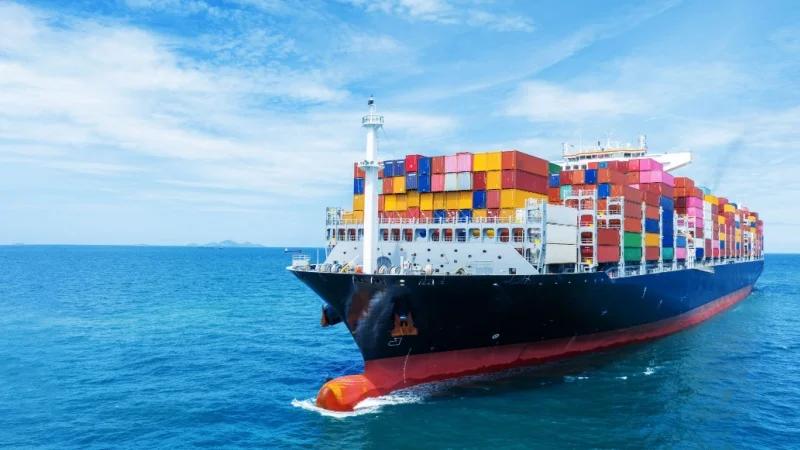
Commercial Shipping Industry Faces Rising Risks
Shipping companies have increasingly operated under elevated security conditions due to growing geopolitical confrontations across the Middle East.
Modern maritime threats often involve unconventional tactics including drones, cyber disruptions, electronic interference, floating explosives, and unidentified projectiles targeting civilian vessels.
Industry experts say commercial operators must now prepare for rapidly changing security conditions even during periods without formal military escalation.
Some firms have reportedly expanded onboard security monitoring systems and emergency response protocols while coordinating closely with naval authorities operating throughout the region.
Maritime observers warn that prolonged instability could eventually impact delivery schedules, fuel costs, global trade efficiency, and consumer prices internationally.
Strait of Hormuz Security Remains Critical
The broader security situation surrounding the Strait of Hormuz continues influencing international political and economic discussions.
The narrow waterway remains one of the world’s most strategically important energy transit routes. Any threat to navigation immediately attracts global attention from governments, military planners, and financial markets.
Recent incidents involving commercial vessels have reinforced concerns that Gulf shipping operations may remain vulnerable during periods of geopolitical confrontation.
International naval coalitions continue conducting patrols designed to protect commercial shipping routes and discourage attacks against civilian vessels operating throughout the Gulf.
Security analysts believe additional maritime incidents could lead to expanded military monitoring and increased naval deployments near key shipping lanes.
Regional Tensions Continue Influencing Maritime Stability
The latest vessel strike near Qatar highlights how broader Middle East tensions increasingly intersect with global commerce and maritime transportation.
Commercial cargo ships often become indirect indicators of geopolitical instability because shipping routes connect multiple regional security interests simultaneously.
While investigators continue examining the latest projectile strike, international observers remain concerned about the possibility of further disruptions involving cargo vessels, oil tankers, and energy infrastructure.
Governments worldwide are expected to closely monitor the investigation due to the potential implications for international trade stability and energy security.
Maritime Security Concerns Intensify in 2026
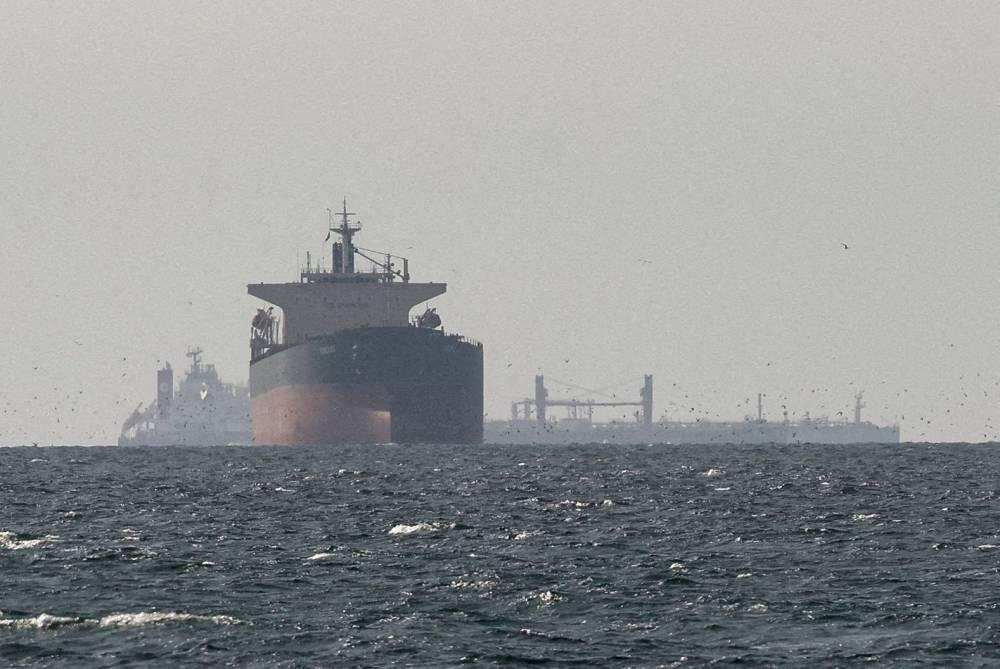
The projectile strike involving a bulk carrier near Qatar has intensified international concern surrounding Gulf maritime operations during a period of rising regional instability. While authorities continue investigating the source of the attack, the incident reinforces fears that commercial shipping routes may remain exposed to unpredictable threats throughout 2026. The latest developments have further amplified Iran Gulf shipping tensions across international maritime corridors.
With global energy markets, shipping companies, and international governments watching developments closely, the latest incident serves as another reminder that Gulf waterways remain central to both global commerce and geopolitical tensions. Security analysts warn that continued Iran Gulf shipping tensions could impact energy transportation, shipping insurance costs, and commercial vessel operations moving through strategic Gulf routes.
As investigations continue, the world’s shipping industry now faces renewed pressure to navigate an increasingly uncertain maritime environment shaped by conflict risks, economic volatility, and strategic security challenges. Maritime agencies operating in the region say Iran Gulf shipping tensions are becoming a growing concern for commercial carriers traveling near Qatar and the Strait of Hormuz.
Several international maritime organizations have already increased monitoring efforts due to rising Iran Gulf shipping tensions and concerns surrounding vessel safety in Gulf waters. Shipping companies are reportedly reviewing navigation procedures and emergency response strategies as regional instability continues evolving throughout 2026.
The latest incident near Qatar also demonstrates how Iran Gulf shipping tensions can rapidly influence global energy markets and investor confidence. Oil traders and international logistics companies remain highly sensitive to disruptions involving Gulf maritime routes because of their importance to worldwide trade and fuel supplies.
Military observers believe prolonged Iran Gulf shipping tensions may eventually result in expanded naval patrols and increased multinational security cooperation throughout the region. Governments across Europe, Asia, and the Middle East continue closely monitoring the situation as commercial shipping remains vulnerable to evolving maritime threats.
For now, the vessel strike near Qatar stands as another reminder