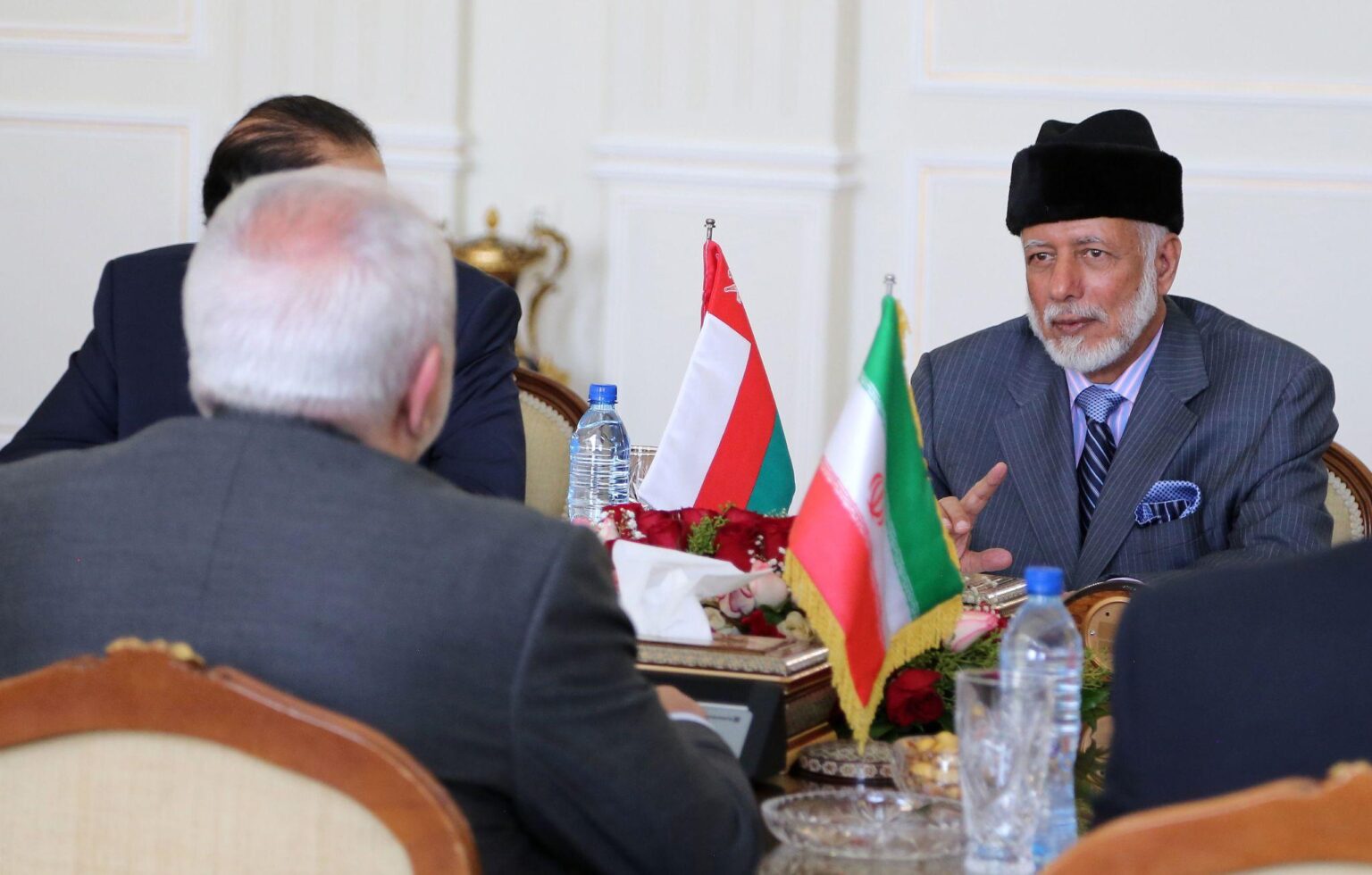
Muscat, Oman — February 6, 2026. According to Brussels Morning Newspaper, a new diplomatic chapter opened today as Iran US talks in Oman began amid heightened regional tension and growing international concern. The discussions, hosted in the Omani capital, arrive at a critical point in 2026, as political pressure, military signaling, and economic uncertainty converge, encouraging cautious engagement rather than open confrontation.
A Region Under Mounting Pressure
The Middle East has entered a period of renewed uncertainty shaped by overlapping crises. Over recent months, tensions have intensified due to military deployments, sanctions enforcement, and stalled diplomatic channels. These dynamics have increased the risk of miscalculation, prompting concern among regional governments and global powers alike.
Diplomatic engagement, long viewed as stalled, has regained urgency as leaders weigh the cost of escalation against the potential benefits of dialogue. The decision to reopen communication channels reflects recognition that unmanaged confrontation could carry severe consequences far beyond national borders.
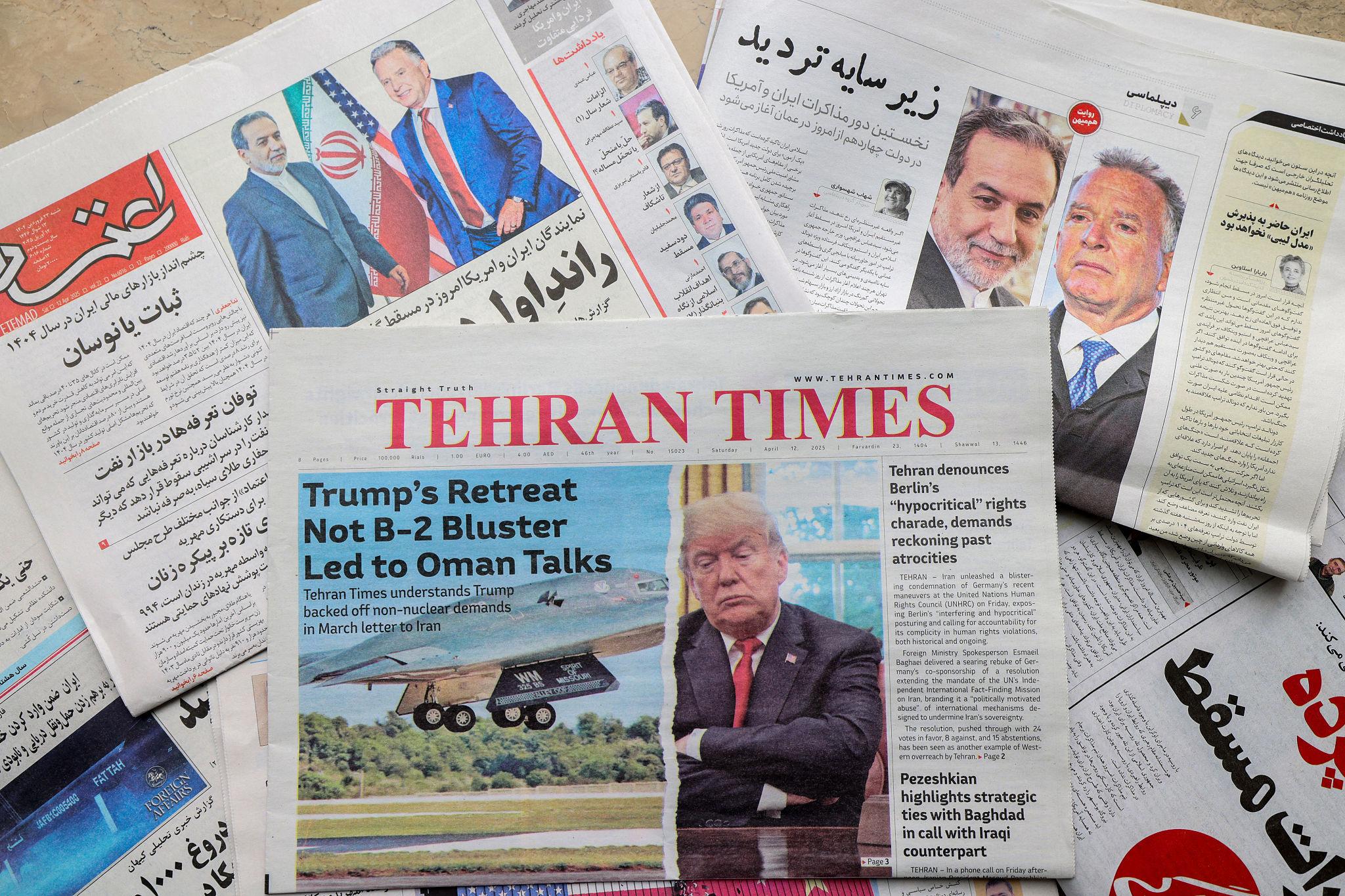
Oman’s Quiet but Influential Diplomatic Role
For decades, Oman has pursued a foreign policy rooted in neutrality, mediation, and quiet engagement. Muscat’s ability to maintain working relationships with rival powers has made it a trusted venue for sensitive discussions that would struggle to gain traction elsewhere.
By hosting the current negotiations, Oman reinforces its role as a stabilizing force in a volatile region. Its approach prioritizes discretion, allowing participants to focus on substance without the pressure of public posturing or political theater surrounding the Iran US talks in Oman.
The Diplomatic Backdrop Between Tehran and Washington
Relations between Iran and the United States have been defined by cycles of engagement and rupture. Long-standing disputes over nuclear development, sanctions, and regional influence have repeatedly undermined trust.
While previous rounds of diplomacy produced limited breakthroughs, they also demonstrated that sustained communication can reduce tensions, even in the absence of comprehensive agreements. This historical context shapes expectations surrounding the current engagement.
Core Issues Driving the Negotiations
The agenda facing negotiators is complex and layered. Central topics include nuclear oversight mechanisms, economic sanctions, regional security arrangements, and the establishment of clearer communication channels to prevent unintended escalation.
Participants in the Iran US talks in Oman are reportedly approaching these issues incrementally, focusing on practical confidence-building measures rather than sweeping commitments that may prove politically difficult to sustain.
Global Attention and Diplomatic Signaling
The reopening of dialogue has drawn close attention from Europe, Asia, and the Gulf. Governments have publicly welcomed the talks while privately managing expectations. The prevailing view among diplomats is that process matters as much as outcome at this stage.
A senior European diplomat familiar with the situation said,
“What matters most right now is not a dramatic announcement but the restoration of predictable communication.”
This cautious optimism has been reflected in financial markets, where energy prices stabilized as fears of immediate escalation eased.
Economic Implications Beyond the Negotiating Room
The economic stakes of the discussions extend well beyond bilateral relations. Energy markets, maritime trade routes, and regional investment flows remain highly sensitive to geopolitical signals. Even modest progress could help stabilize confidence across key sectors.
Any easing of tensions linked to the Iran US talks in Oman could reduce volatility, particularly in energy pricing and shipping insurance costs, which have risen amid uncertainty.
Domestic Political Constraints
Despite diplomatic engagement, negotiators face significant pressures at home. In Tehran, economic strain intersects with political debates over sovereignty and sanctions relief. In Washington, electoral dynamics and legislative scrutiny shape the boundaries of diplomatic flexibility.
These domestic realities mean that progress is likely to be incremental. Officials on both sides appear mindful that moving too quickly could provoke backlash, while moving too slowly could allow tensions to resurface.
Security Concerns Remain Prominent
While talks proceed, military readiness across the region remains elevated. Naval patrols, air defense deployments, and intelligence activity continue, underscoring the fragile security environment.
A Gulf-based analyst observed,
“Talks reduce risk, but they do not eliminate it. The environment remains highly sensitive.”
The coexistence of diplomacy and deterrence highlights the delicate balance shaping the current moment.
Regional Calculations and Strategic Watching
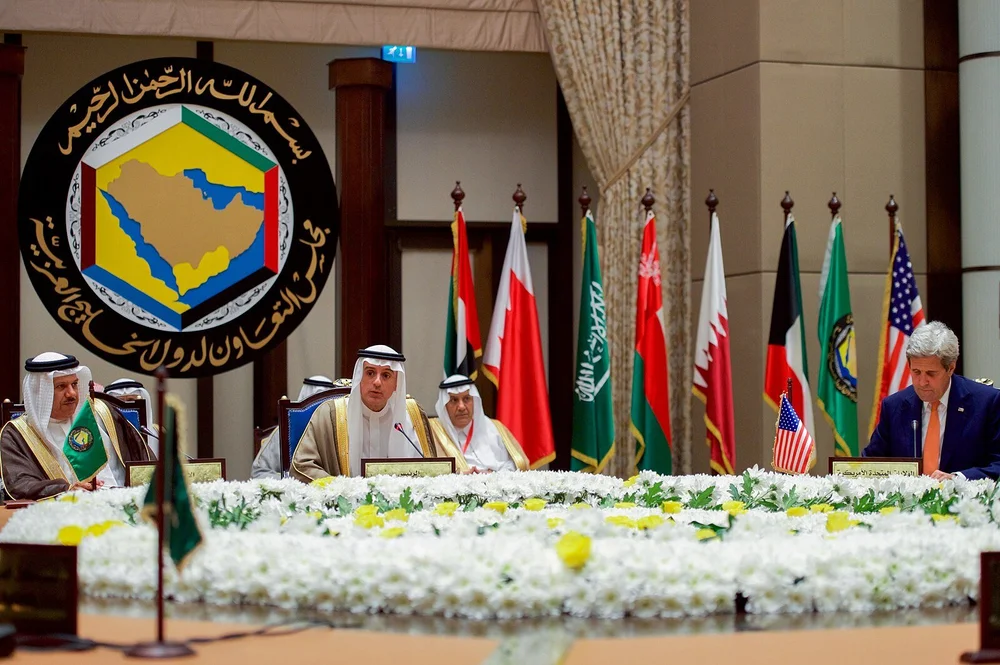
Neighboring states are closely monitoring developments in Muscat. For many governments, the outcome of the Iran US talks in Oman will influence defense planning, alliance coordination, and economic strategy.
Smaller states, in particular, view stability as essential for long-term development, while larger regional players assess how shifts in relations could alter the strategic landscape.
History of Iran–US Diplomacy in Oman
Oman’s role in facilitating dialogue between Tehran and Washington is well established. Over the years, Muscat has discreetly hosted indirect engagements during periods of heightened strain, helping sustain communication when formal diplomatic channels were effectively closed, a pattern now reflected again in the Iran US talks in Oman.
These earlier efforts highlighted the importance of backchannel diplomacy and laid a foundation of trust in Oman’s mediating role. That legacy continues to influence perceptions of the current negotiations, even as regional and global circumstances have evolved.
Quiet Diplomacy Over Public Spectacle
Unlike high-profile summits, the current process emphasizes discretion. Meetings are held away from cameras, and official statements remain carefully worded. This approach reduces political risk and allows negotiators to explore options without immediate public pressure.
Observers note that such conditions often prove more conducive to incremental progress within the Iran US talks in Oman framework.
Early Signals From the Negotiating Table
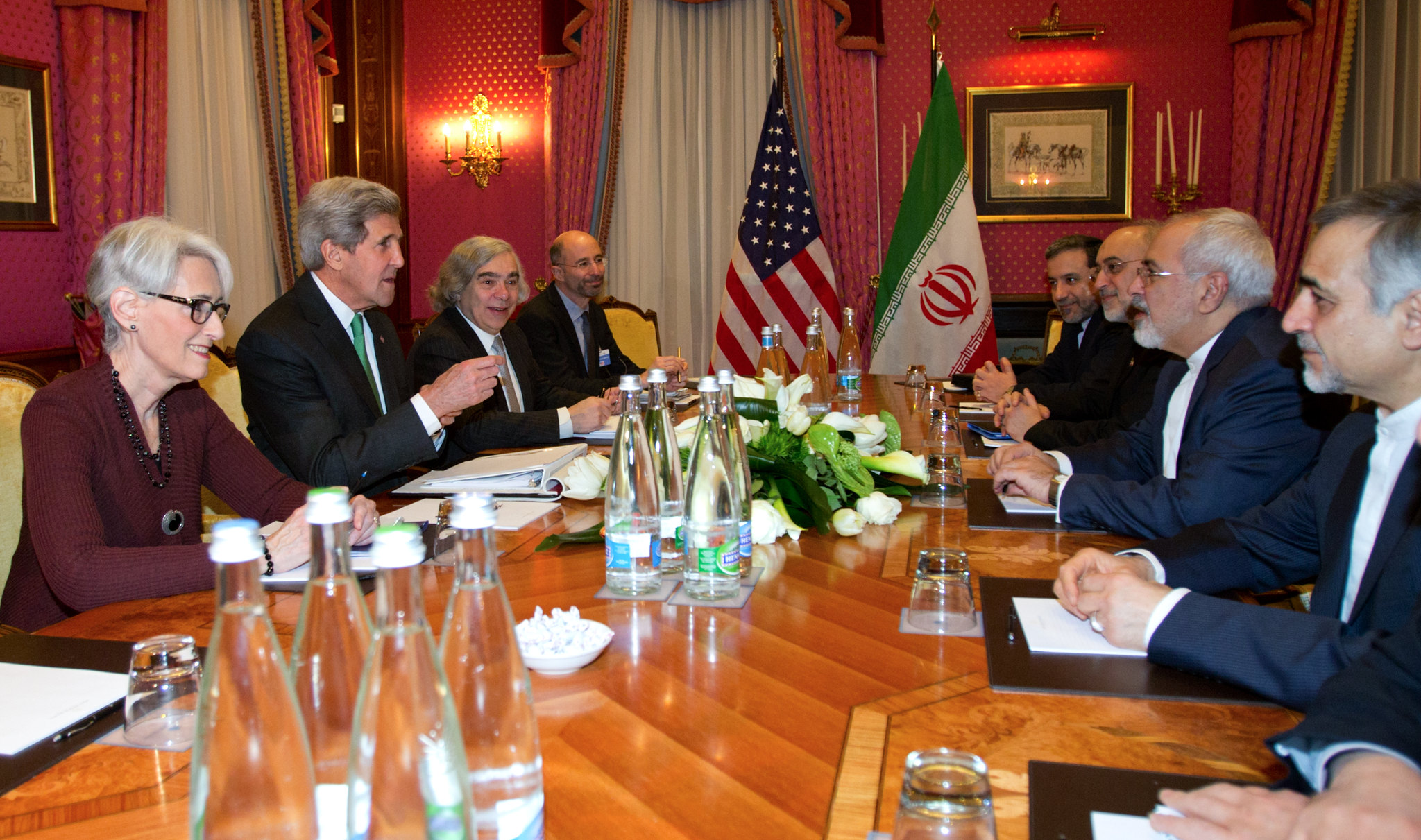
Although details remain limited, early indicators suggest a professional and restrained tone. The absence of public accusations or abrupt walkouts has been interpreted as a positive sign by seasoned observers.
The continuation of the Iran US talks in Oman into subsequent sessions will be a key measure of durability and intent.
What Realistic Success Might Look Like
Experts caution against measuring success solely by comprehensive agreements. In the current environment, improved communication, reduced rhetoric, and mechanisms for crisis management would represent meaningful achievements.
Such outcomes could lower the risk of accidental escalation and create space for broader discussions over time.
Media, Messaging, and Strategic Patience
Public messaging surrounding the negotiations remains carefully calibrated. Both sides appear intent on avoiding language that could inflame domestic audiences or derail talks.
This restraint reflects an understanding that patience may be as important as policy substance in sustaining momentum around the Iran US talks in Oman.
International Stakes Beyond the Region
The broader international community views the talks as a test case for diplomacy in an era marked by polarization and rapid escalation. Lessons drawn from this process may influence how future crises are managed elsewhere.
A senior regional observer commented,
“This is about proving that dialogue still has value when tensions are at their peak.”
Strategic Implications for 2026 and Beyond
As 2026 unfolds, the trajectory of the Iran US talks in Oman will shape regional calculations and global risk assessments. Sustained engagement could gradually reduce uncertainty, while failure could reinforce hardline positions.
The Role of Incremental Confidence Building
Confidence-building measures, even when modest, play a critical role in high-stakes diplomacy. Practical steps such as clearer communication channels or narrowly defined technical understandings can gradually rebuild trust, an approach reflected in the ongoing Iran US talks in Oman.
Although these measures often attract limited public attention, they remain fundamental to sustaining dialogue and supporting long-term regional stability.
A Delicate Path Forward
As discussions continue, the Iran US talks in Oman stand among the most closely watched diplomatic efforts of the year. Whether they lead to sustained engagement or merely a temporary pause, their significance lies in the choice to pursue dialogue rather than confrontation.
Beyond the Immediate Negotiations
The coming weeks will reveal whether momentum can be maintained. For now, the process itself signals that channels of communication remain open, even under strain.
The ultimate impact of the Iran US talks in Oman will depend not only on agreements reached but on the willingness to continue engagement in an uncertain regional environment.
Long-Term Outlook for Regional Stability
Diplomacy alone cannot resolve all sources of tension in the Middle East. However, sustained engagement can reduce the likelihood of conflict and create conditions for broader cooperation over time.
Observers caution that progress will likely be uneven, requiring persistence and flexibility from all sides.
Diplomacy as a Strategic Choice
At its core, the decision to continue the Iran US talks in Oman reflects recognition that dialogue, despite its limitations, remains preferable to escalation. This strategic choice may shape regional stability well beyond 2026.
A Test of Modern Diplomacy
As Muscat hosts this renewed diplomatic effort, the Iran US talks in Oman underscore a broader truth of international relations: even amid deep mistrust, communication remains essential. Whether the process leads to lasting change or temporary calm, its significance lies in demonstrating that diplomacy still has a role when confrontation looms.