EL SEGUNDO, California – May 8, 2026 – Brussels Morning Newspaper — Mattel privatization talks are gaining attention across financial and retail markets after investors reportedly urged the toy manufacturer to explore strategic alternatives, including a possible sale or transition into private ownership.
- Investors Push for Strategic Alternatives
- Weakening Toy Demand Pressures Retailers
- Mattel Expands Entertainment and Licensing Strategy
- Barbie and Major Brands Remain Valuable Assets
- Digital Entertainment Changes Consumer Habits
- Supply Chain Costs Continue Affecting Profitability
- The History of Toy Industry Transformation
- Investors Monitor Consumer Spending Trends
- Outlook for Mattel and the Toy Industry
- Economic Summary and Market Outlook
The discussions come during a difficult period for the global toy industry as inflationary pressure, economic uncertainty, and changing consumer habits continue affecting discretionary spending. Analysts say the growing pressure on Mattel reflects broader concerns surrounding the future of traditional toy manufacturers in an increasingly digital entertainment environment.
Mattel remains one of the world’s largest toy companies, controlling major global brands including Barbie, Hot Wheels, Fisher-Price, UNO, and American Girl. However, slowing demand and shifting retail trends have intensified debate regarding the company’s long-term growth strategy.
“Investors are demanding stronger action from consumer companies facing slower growth,”
one retail market analyst stated.
“Large entertainment brands are now expected to evolve beyond traditional product sales.”
Investors Push for Strategic Alternatives
The latest Mattel privatization talks reportedly emerged as shareholders questioned whether the company could deliver stronger long-term returns under its current structure.
Potential strategic options under discussion may include:
- Privatization through private equity groups
- Corporate restructuring initiatives
- Strategic mergers or acquisitions
- Expanded entertainment licensing deals
- Asset optimization strategies
Industry observers say investors increasingly believe major consumer brands may benefit from operational flexibility outside the pressures of public markets.
The company has not publicly confirmed any final decisions regarding a sale or privatization process, but the discussions alone have attracted major investor attention.
Weakening Toy Demand Pressures Retailers
Retailers across North America and Europe have experienced softer demand for discretionary products during 2026 as consumers remain cautious about non-essential purchases.
The toy industry has become particularly vulnerable to:
- Inflationary pressure
- Slower consumer spending
- Rising operational costs
- Inventory management risks
- Increased digital entertainment competition
The growing Mattel privatization talks narrative reflects concerns about whether traditional toy companies can maintain strong revenue growth in a rapidly evolving entertainment market.
Retail analysts say consumers are prioritizing essentials while reducing spending on premium toy products and collectibles.
Mattel Expands Entertainment and Licensing Strategy
Over recent years, Mattel has attempted to transform itself into a broader entertainment-focused company rather than relying solely on physical toy sales.
The company has expanded investments involving:
- Movie production partnerships
- Streaming content development
- Gaming collaborations
- Brand licensing agreements
- Digital marketing campaigns
Executives have increasingly emphasized intellectual property monetization as a major long-term growth opportunity.
Industry experts believe the future success of Mattel privatization talks may depend heavily on how investors value the company’s entertainment and licensing assets.
“Modern toy brands operate more like entertainment ecosystems,”
a media strategist explained.
“The intellectual property can sometimes be more valuable than the physical products themselves.”
Barbie and Major Brands Remain Valuable Assets
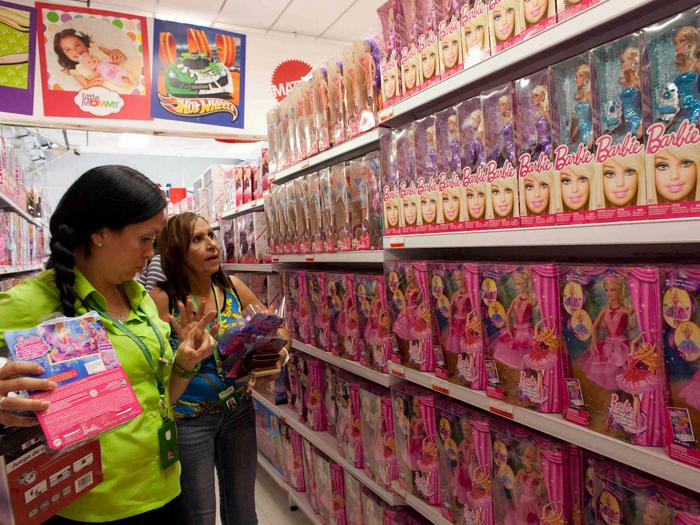
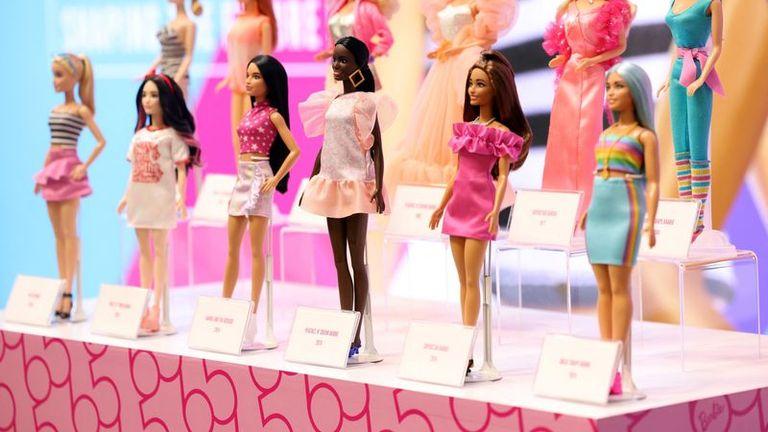
Despite weaker toy demand, Mattel continues controlling several globally recognized brands with strong multigenerational appeal.
The company’s portfolio includes:
- Barbie
- Hot Wheels
- Fisher-Price
- American Girl
- Masters of the Universe
- UNO
Some investors reportedly believe these brands could become more profitable through alternative ownership structures or expanded licensing strategies.
The ongoing Mattel privatization talks have therefore generated significant attention among investors seeking opportunities within entertainment and consumer branding sectors.
Digital Entertainment Changes Consumer Habits
Children and younger consumers increasingly spend time engaging with digital entertainment platforms rather than traditional toy products.
Industry analysts say competition now includes:
- Mobile gaming
- Streaming platforms
- Online creator content
- Interactive apps
- Virtual entertainment experiences
Traditional toy companies face growing pressure to integrate physical products with digital experiences capable of maintaining relevance among younger audiences.
Mattel’s ability to adapt to evolving entertainment trends will likely remain central to future investor confidence.
Supply Chain Costs Continue Affecting Profitability
Global supply chain costs remain elevated compared to pre-pandemic levels, placing continued pressure on manufacturing and retail margins.
Toy companies continue dealing with:
- Shipping expenses
- Labor cost increases
- Raw material price volatility
- Inventory storage costs
The broader environment has increased operational pressure throughout the consumer products sector during 2026.
Some investors involved in the Mattel privatization talks reportedly believe restructuring could help improve long-term profitability and operational efficiency.
The History of Toy Industry Transformation
The global toy industry has changed dramatically over the last several decades. Historically focused on physical retail and seasonal demand, the sector gradually evolved into a broader entertainment ecosystem involving film, television, digital media, and licensing.
Major toy brands increasingly depend on:
- Entertainment franchises
- Digital engagement strategies
- Global marketing campaigns
- E-commerce growth
The current Mattel privatization talks are unfolding during a period where consumer behavior and technology continue reshaping the future of retail and entertainment industries worldwide.
Investors Monitor Consumer Spending Trends
Financial markets remain highly focused on discretionary consumer spending because it often reflects broader economic confidence.
Retail and entertainment companies remain sensitive to:
- Inflationary pressure
- Interest rate changes
- Employment conditions
- Consumer confidence trends
Analysts say continued economic uncertainty could place additional pressure on toy manufacturers throughout the remainder of 2026.
However, strong brand recognition and entertainment licensing opportunities may still support long-term investor interest in Mattel.
“Global consumer markets are becoming more unpredictable,”
a retail economist stated.
“Companies with adaptable brands and diversified revenue streams are in stronger positions.”
Outlook for Mattel and the Toy Industry
The future direction of Mattel privatization talks remains uncertain, but analysts expect strategic discussions to continue as investors evaluate long-term opportunities within the entertainment and toy sectors.
Mattel’s globally recognized brands continue providing valuable intellectual property assets capable of generating revenue across multiple platforms.
The company’s future growth strategy will likely depend on balancing traditional toy operations with expanding digital entertainment, licensing, and media partnerships.
Industry observers believe broader economic conditions, holiday retail performance, and consumer confidence trends will play important roles in determining Mattel’s next strategic steps during 2026.
Economic Summary and Market Outlook
The growing Mattel privatization talks highlight the challenges facing traditional consumer brands during a period of economic uncertainty and rapidly changing entertainment habits. Investors are increasingly pushing for aggressive strategic planning as slower toy demand pressures retail markets worldwide.
While Mattel retains several powerful global brands, future growth may increasingly depend on entertainment expansion, licensing opportunities, and digital engagement strategies. Analysts believe the company’s long-term direction will continue attracting investor attention as the retail and media industries evolve throughout 2026.