Iran naval operations Gulf — Persian Gulf, May 5, 2026 — Brussels Morning Newspaper — tensions escalated sharply as Iran expanded its naval activities across critical waterways, coinciding with increased U.S. military positioning in the region. The developments underscore a rapidly intensifying geopolitical situation centered on control of vital maritime routes that sustain global energy supply chains.
- Rising Naval Deployments Across the Gulf
- Strategic Value of Gulf Waterways
- U.S. Military Response and Defensive Strategy
- Internal Policy Debate in Washington
- Iran’s Tactical Naval Strategy
- Economic Impact and Market Volatility
- Evolution of Modern Naval Warfare
- International Calls for De-escalation
- Historical Context of Gulf Naval Tensions
- Possible Future Developments
- What to Watch Next in the Gulf Crisis
The situation reflects a broader struggle for influence in one of the world’s most strategically important regions, where even minor disruptions can trigger global economic consequences.
Rising Naval Deployments Across the Gulf
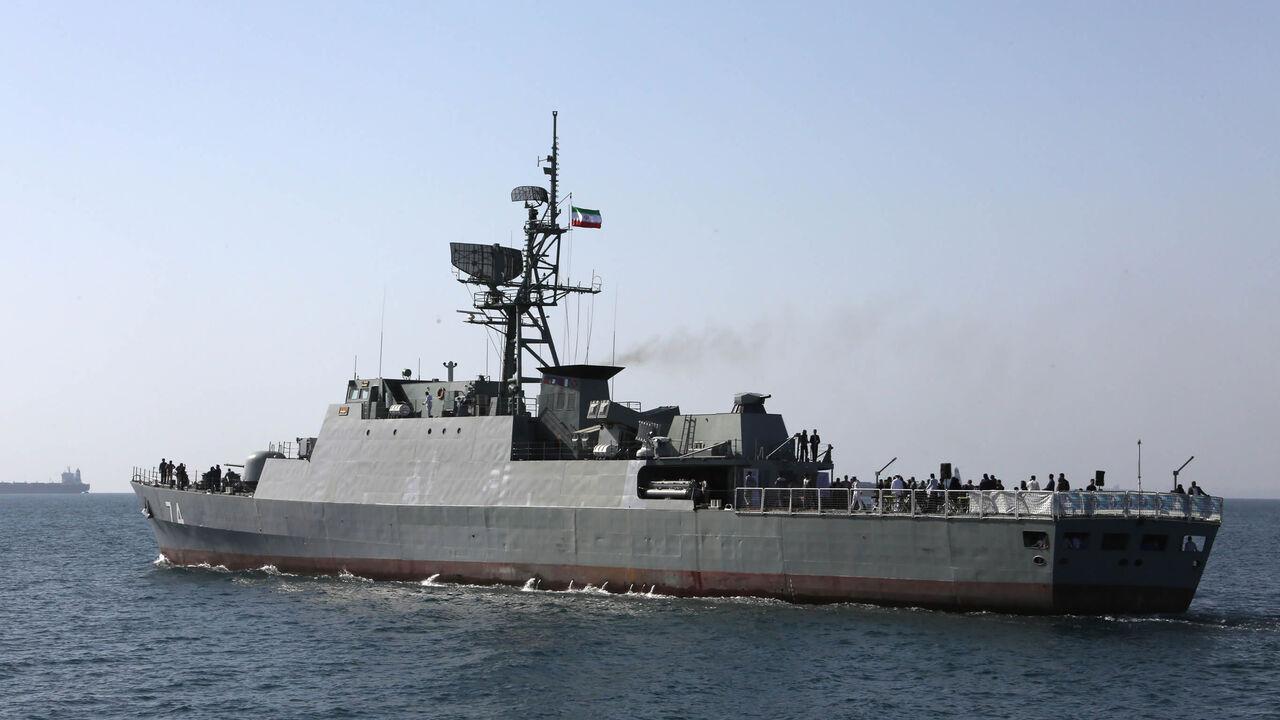
In recent days, Iranian naval forces have increased patrols, exercises, and surveillance missions across key sections of the Gulf. These movements have been met with a corresponding response from U.S. naval forces, which have reinforced their presence to ensure the security of international shipping lanes.
The Iran naval operations Gulf have focused heavily on areas surrounding the Strait of Hormuz, a narrow but crucial passageway for oil transportation. Analysts suggest that both sides are engaging in calculated maneuvers designed to demonstrate strength without crossing into direct conflict.
Military observers note that these operations are becoming more frequent and more sophisticated, reflecting a shift toward sustained maritime pressure rather than isolated incidents.
Strategic Value of Gulf Waterways
The Gulf remains one of the most vital energy corridors in the world. Nearly one-fifth of global oil supply moves through these waters, making them indispensable to international markets.
The Iran naval operations Gulf have heightened concerns about the security of these routes. Any interruption, even temporary, could lead to significant volatility in oil prices and broader economic instability.
Shipping companies have already begun adjusting their risk assessments, with insurance costs rising for vessels navigating through the region.
U.S. Military Response and Defensive Strategy
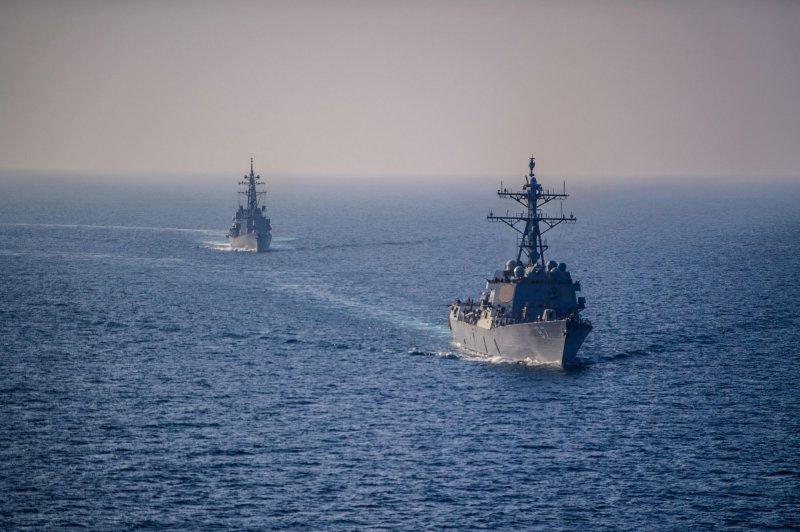
The United States has responded by strengthening its naval deployments, including advanced surveillance systems and rapid-response units.
Officials maintain that their objective is to ensure freedom of navigation and prevent any disruption to global commerce. However, the growing military presence has also contributed to heightened tensions.
The Iran naval operations Gulf are being closely tracked by U.S. defense officials, who have emphasized the importance of deterrence while avoiding unnecessary escalation.
“Our priority is stability and the uninterrupted flow of global trade,”
a U.S. defense official said.
Internal Policy Debate in Washington
The escalation has sparked significant debate within the United States government. A senior counterterrorism official recently resigned, expressing concerns about the long-term implications of the current strategy.
The resignation highlights internal divisions over how best to manage the evolving situation.
The Iran naval operations Gulf have become a central issue in these discussions, raising questions about whether current policies are sustainable or risk triggering broader conflict.
Iran’s Tactical Naval Strategy
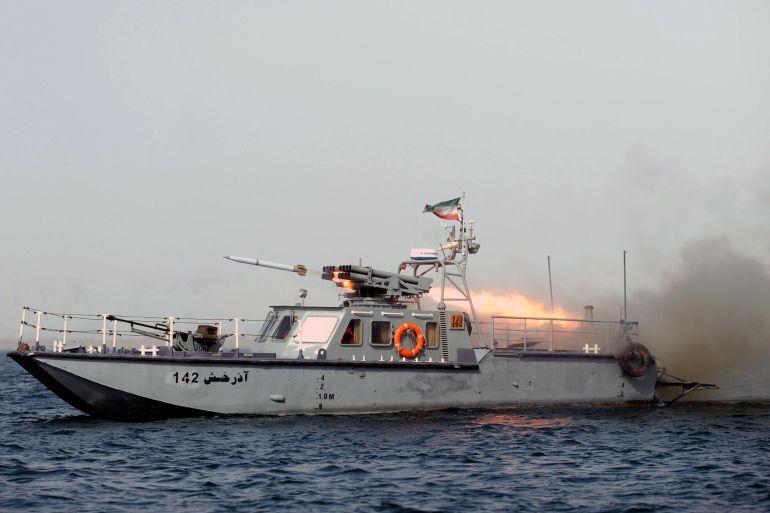
Iran’s naval approach emphasizes agility and asymmetrical tactics. Fast-moving vessels, drone systems, and missile-equipped boats are being deployed to create a flexible and dynamic defense posture.
The Iran naval operations Gulf illustrate Tehran’s strategy of maintaining pressure while avoiding actions that could provoke a full-scale military response.
Regional experts believe this approach allows Iran to project strength without escalating beyond manageable levels.
“This is a strategy built on controlled escalation and strategic signaling,”
noted a regional security analyst.
Economic Impact and Market Volatility
The developments in the Gulf have already begun to influence global markets. Oil prices have shown signs of upward pressure, reflecting concerns about potential supply disruptions.
The Iran naval operations Gulf are now a major factor in market sentiment, with investors closely monitoring the situation for further developments.
Shipping costs and insurance premiums have also increased, adding to the economic ripple effects of the conflict.
Evolution of Modern Naval Warfare
The current situation highlights the increasing role of technology in modern conflict. Both sides are utilizing drones, cyber capabilities, and precision targeting systems.
The Iran naval operations Gulf demonstrate how warfare is evolving, with a focus on efficiency, speed, and technological superiority rather than large-scale troop deployments.
Defense analysts suggest that these trends will continue to shape future conflicts in the region and beyond.
International Calls for De-escalation
Global leaders and international organizations have called for restraint, urging both sides to pursue diplomatic solutions.
Despite these efforts, progress has been limited, as both nations maintain firm positions.
The Iran naval operations Gulf remain at the center of global attention, highlighting the challenges of resolving complex geopolitical disputes.
“The risk of miscalculation is growing, and that should concern everyone,”
warned an international policy expert.
Historical Context of Gulf Naval Tensions
The Gulf has a long history of maritime conflict, including tanker wars and territorial disputes. These past events provide important context for understanding the current situation.
The Iran naval operations Gulf are part of a broader pattern of strategic competition that has shaped the region for decades.
Understanding this history helps explain why tensions can escalate quickly and why resolution is often difficult.
Possible Future Developments
Several scenarios could unfold in the coming weeks:
- Continued low-level confrontations without escalation
- Diplomatic breakthroughs leading to reduced tensions
- A significant incident triggering broader conflict
The Iran naval operations Gulf will play a decisive role in determining the direction of these outcomes.
What to Watch Next in the Gulf Crisis
The Iran naval operations Gulf have entered a critical phase, marked by increased military activity, economic uncertainty, and political challenges. The situation underscores the importance of the Gulf as a strategic and economic hub, with global implications.
As tensions continue to rise, the risk of escalation remains a key concern. However, ongoing diplomatic efforts may still provide a pathway to stability.
For now, the world remains focused on developments in the Gulf, recognizing that the stakes extend far beyond the region itself.