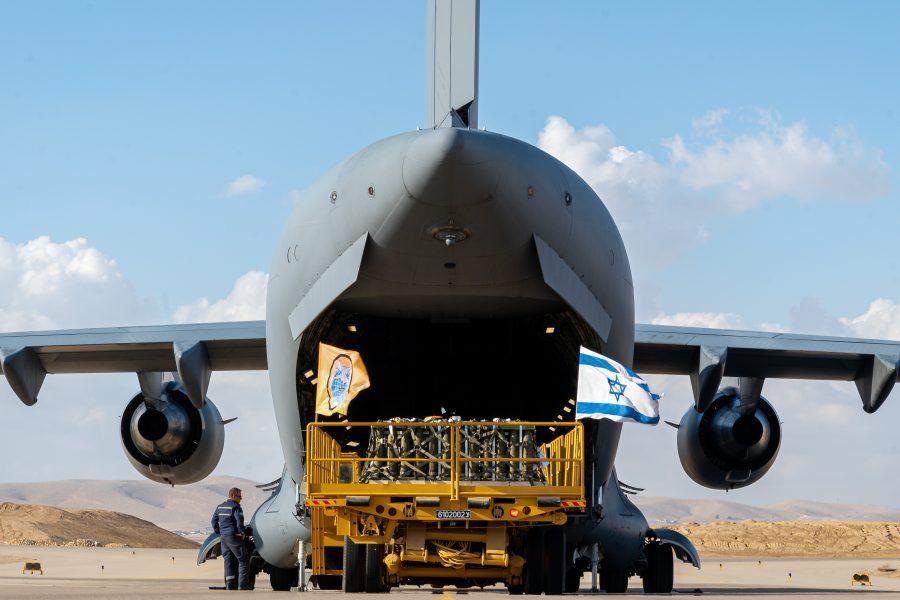
Israel – May 3, 2026 — Brussels Morning Newspaper – US weapons deal Israel begins to take shape in 2026 as Israel formally approved a large-scale acquisition of advanced fighter aircraft from the United States. The announcement signals a significant step in strengthening the country’s long-term defense strategy at a time of increasing uncertainty across the Middle East.
- Details of the US Weapons Deal Israel Agreement
- Strategic Timing Behind the Approval
- Regional Security Implications
- Strengthening US-Israel Military Cooperation
- Advanced Technology Driving the Deal
- Economic and Political Considerations
- Global Reactions and Analysis
- Future Outlook for Air Power in the Region
- Key Takeaways for Readers
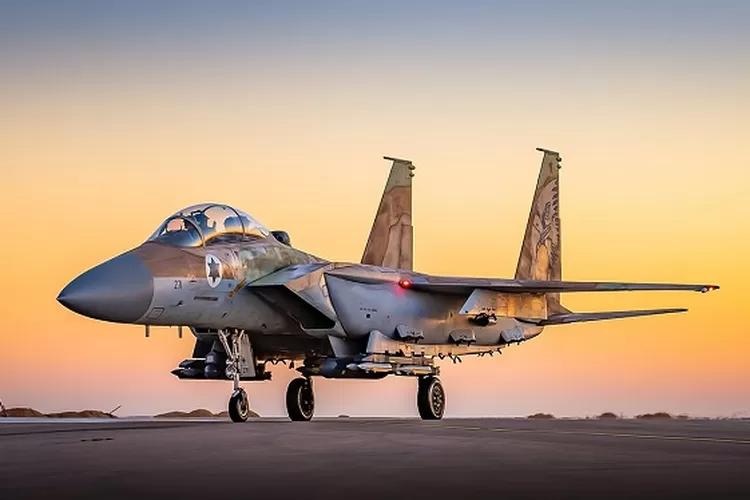
The agreement includes additional units of the F-35 Lightning II and upgraded versions of the F-15I Ra’am, both considered critical components of Israel’s modern air force.
A senior official noted,
“This is a decisive investment in national security that ensures operational readiness for future threats,” reflecting the urgency behind the approval.
Details of the US Weapons Deal Israel Agreement
The US weapons deal Israel framework involves billions in defense spending and is expected to be partially supported by existing military aid agreements between the two nations. The deal strengthens a long-standing defense relationship and reinforces strategic alignment.
The F-35 jets, produced by Lockheed Martin, are widely regarded as the most advanced stealth fighters currently in operation. Israel’s customized version, often referred to as the F-35I, integrates local systems and capabilities tailored for regional operations.
The F-15I aircraft, developed by Boeing, will undergo upgrades designed to enhance long-range strike capabilities, payload capacity, and precision targeting systems.
Strategic Timing Behind the Approval
The timing of the US weapons deal Israel approval is closely tied to escalating geopolitical tensions in the region. Ongoing conflicts, shifting alliances, and evolving threats have increased the urgency for enhanced military readiness.
Israel’s defense doctrine emphasizes maintaining a technological edge over potential adversaries. The acquisition of both stealth and heavy strike aircraft reflects a dual-purpose strategy—ensuring both defensive superiority and offensive capability.
Analysts suggest the decision is part of a broader effort to adapt to modern warfare, where speed, intelligence, and precision play critical roles.
Regional Security Implications
The US weapons deal Israel is expected to influence the broader Middle East security landscape. Neighboring countries may view the move as a signal of increased military preparedness, potentially prompting further arms investments across the region.
However, defense officials argue that strengthening capabilities serves as a deterrent rather than a provocation. By demonstrating readiness, Israel aims to reduce the likelihood of conflict through strategic positioning.
A regional security expert stated,
“Military strength often acts as a stabilizing force when it is clearly visible and credible.”
Strengthening US-Israel Military Cooperation
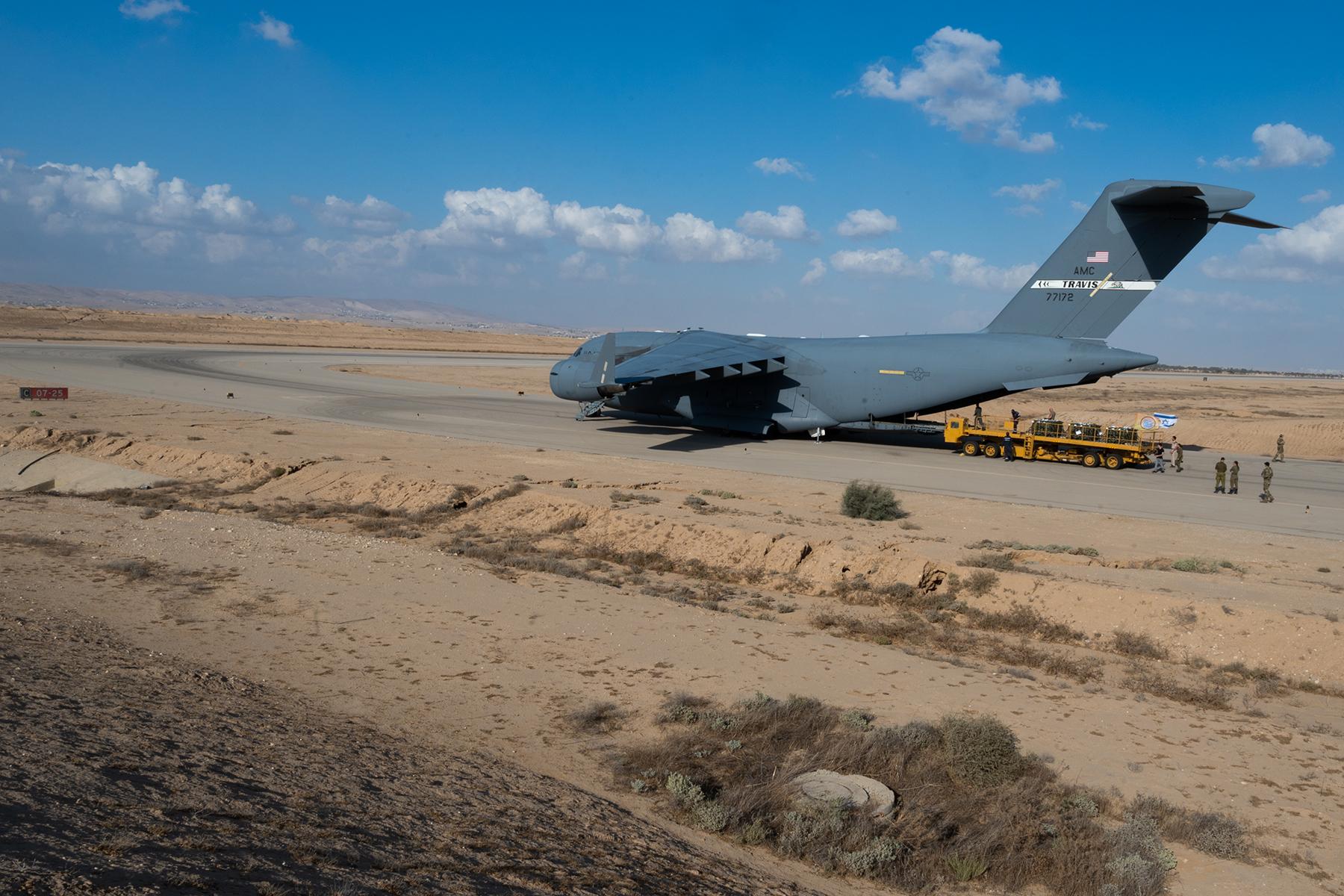
The US weapons deal Israel highlights the deep and enduring military partnership between Israel and the United States. For decades, this alliance has included defense funding, intelligence sharing, and joint military exercises.
Washington has consistently reaffirmed its commitment to maintaining Israel’s qualitative military edge. This policy ensures that Israel retains superior technology compared to other nations in the region.
The latest agreement further solidifies this partnership, reinforcing mutual strategic interests and long-term cooperation.
Advanced Technology Driving the Deal
A key component of the US weapons deal Israel is the advanced technology embedded within the aircraft. The F-35’s stealth capabilities allow it to evade radar detection while providing real-time battlefield intelligence.
Key advantages include:
- Low observability (stealth design)
- Integrated sensor fusion
- Network-enabled warfare systems
Meanwhile, the F-15I complements the F-35 with its ability to carry larger payloads and execute long-range missions. Together, these aircraft create a balanced and highly capable air force structure.
Economic and Political Considerations
The financial scale of the US weapons deal Israel is substantial, raising questions about defense spending priorities. However, officials argue that national security investments are essential, particularly in volatile regions.
Beyond security, the deal also supports the defense industry in the United States, strengthening economic ties between the two countries.
Politically, the approval may also reflect internal pressures to demonstrate decisive leadership and commitment to national defense.
Global Reactions and Analysis
International responses to the US weapons deal Israel have been mixed. Some governments have expressed concern about potential escalation, while others view the move as a necessary step in maintaining regional balance.
Defense analysts worldwide are closely monitoring how these aircraft will be integrated into Israel’s military strategy and how they may influence future developments in the region.
Future Outlook for Air Power in the Region
Looking ahead, the US weapons deal Israel positions the country to maintain a leading role in air power capabilities. As warfare evolves, the importance of advanced aircraft continues to grow.
The phased delivery of these jets will allow for gradual integration, ensuring that operational readiness is maintained without disruption.
Experts believe this investment will shape the future of aerial warfare in the Middle East for years to come.
Key Takeaways for Readers
The US weapons deal Israel marks a major milestone in defense planning for 2026. By approving the purchase of F-35 and F-15I aircraft, Israel is reinforcing its commitment to maintaining air superiority and adapting to modern security challenges.
While the move may raise concerns about regional tensions, it also serves as a strategic deterrent, signaling preparedness and strength. The deal underscores the enduring partnership between Israel and the United States and highlights the critical role of advanced technology in modern warfare.
For global observers, this development represents more than a defense purchase—it is a reflection of shifting geopolitical dynamics and the ongoing importance of military alliances in shaping the future.