
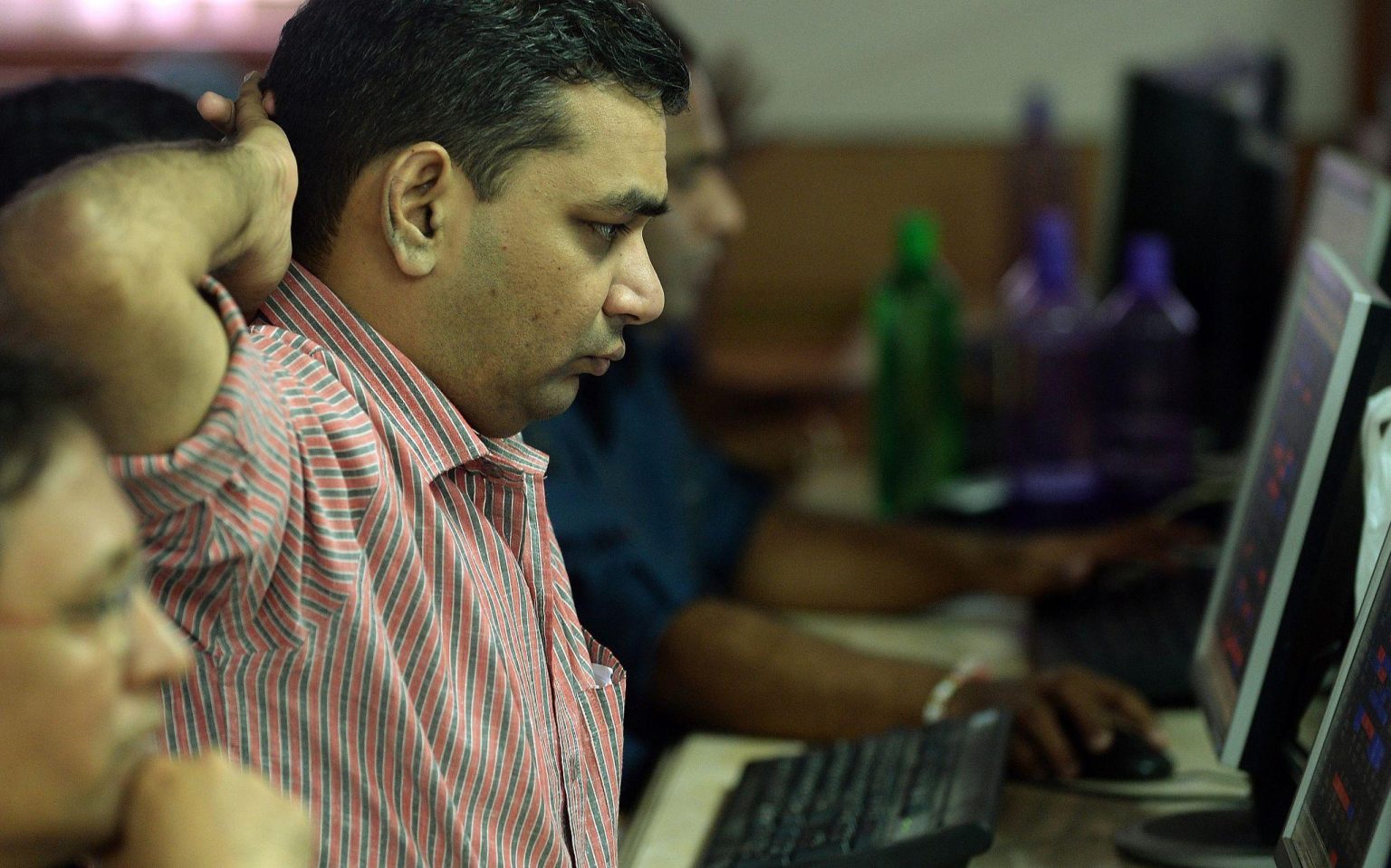
Mumbai, India – April 25, 2026 — Brussels Morning Newspaper – Indian financial market trends are under renewed scrutiny after Axis Bank reported earnings below expectations, primarily due to weaker trading income. The development has sparked broader concerns across the banking sector, as investors reassess risk exposure and future profitability amid evolving economic conditions.
- Axis Bank Earnings Miss Reflects Market Fragility
- Trading Income Volatility Becomes a Key Risk Factor
- Core Banking Performance Shows Stability
- Investor Sentiment Turns Cautious
- Broader Impact on the Banking Sector
- Economic Environment Adds Pressure
- Strategic Adjustments and Future Outlook
- Market Volatility Reshaping Banking Strategies
- History of Banking Market Sensitivity in India
- Regulatory Oversight and Financial Stability
The unexpected performance has positioned Axis Bank at the center of discussions surrounding Indian financial market trends, highlighting how non-interest income volatility is becoming a defining factor in financial stability. Market participants are now closely analyzing whether this signals a temporary setback or a structural shift in earnings dynamics.
Axis Bank Earnings Miss Reflects Market Fragility
Axis Bank’s quarterly results revealed a shortfall against analyst expectations, largely driven by a noticeable decline in trading income. While the bank maintained steady growth in its lending portfolio, the underperformance of market-linked revenue streams weighed heavily on overall profitability.
This outcome reinforces concerns about Indian financial market trends, where traditional banking strengths are increasingly offset by fluctuations in trading activity. Financial institutions are finding it more difficult to rely on diversified income sources as market conditions remain unpredictable.
A senior analyst commented:
“Banks are no longer judged solely on lending growth. Market-linked income has become a decisive factor, and that introduces a new layer of uncertainty.”
Trading Income Volatility Becomes a Key Risk Factor
The decline in trading income has emerged as a central issue shaping Indian financial market trends. In recent quarters, reduced investor participation and cautious trading behavior have impacted revenues across the financial sector.
For Axis Bank, this translated into lower gains from treasury operations and capital market activities. The shift underscores how external market conditions can quickly influence earnings, even when core operations remain stable.
Experts suggest that the evolving landscape of Indian financial market trends requires banks to rethink their dependence on volatile revenue streams while strengthening their core business models.
Core Banking Performance Shows Stability
Despite the earnings miss, Axis Bank demonstrated resilience in its primary banking operations. Loan growth continued across both retail and corporate segments, supported by steady demand and improving economic activity.
Deposit growth also remained consistent, reflecting strong customer trust and engagement. Additionally, asset quality metrics showed improvement, with non-performing assets staying within manageable levels.
However, the broader narrative of Indian financial market trends indicates that stability in core banking alone may not be sufficient to offset weaknesses in other areas, particularly in times of heightened market uncertainty.

Investor Sentiment Turns Cautious
The earnings announcement prompted a cautious response from investors, who are now reassessing their expectations for banking sector performance. The gap between projected and actual earnings has led to increased scrutiny of financial institutions’ revenue models.
Market analysts believe that Indian financial market trends are entering a phase where consistency and predictability will be valued more than aggressive growth. This shift in sentiment could influence investment strategies and capital allocation decisions in the coming months.
Another market strategist stated:
“Investors are becoming more selective. They want to see stable earnings, not surprises driven by volatile income streams.”
Broader Impact on the Banking Sector
Axis Bank’s performance is not an isolated case but part of a broader pattern affecting the banking industry. The interplay between global economic conditions, domestic policies, and market behavior is shaping Indian financial market trends in new ways.
Banks with significant exposure to trading income are particularly vulnerable to market fluctuations. This has prompted discussions about the need for more balanced revenue structures that prioritize stability alongside growth.
The situation also highlights the importance of risk management and strategic planning in navigating the complexities of modern financial markets.
Economic Environment Adds Pressure
The current economic environment is playing a significant role in influencing Indian financial market trends. Interest rate movements, inflation concerns, and global economic uncertainties are all contributing to a challenging landscape for financial institutions.
In India, regulatory frameworks continue to support stability, but external pressures remain a key factor. Banks must adapt to these conditions while maintaining profitability and managing risks effectively.
The combination of domestic and global influences is expected to continue shaping market dynamics in the near term.
Strategic Adjustments and Future Outlook
Looking ahead, Axis Bank is likely to focus on strengthening its operational efficiency and diversifying its revenue streams. Enhancing digital capabilities, expanding customer reach, and optimizing cost structures are expected to be key priorities.
The evolving nature of Indian financial market trends suggests that banks must adopt more resilient strategies to withstand market volatility. This includes reducing reliance on unpredictable income sources and focusing on sustainable growth.
A financial expert noted:
“The future belongs to institutions that can balance innovation with stability. Adaptability will be the defining factor in this environment.”
Market Volatility Reshaping Banking Strategies
Market volatility has become a defining feature of Indian financial market trends, influencing how banks approach revenue generation and risk management. Fluctuations in asset prices and trading volumes have made it more difficult to achieve consistent earnings.
For financial institutions, this means re-evaluating their strategies and exploring new avenues for growth. Digital banking, fintech partnerships, and customer-centric services are emerging as key areas of focus.
The ability to navigate volatility while maintaining profitability will be critical for long-term success.
History of Banking Market Sensitivity in India
Historically, Indian banks have experienced cycles of growth and volatility, often influenced by broader economic conditions. From liberalization reforms in the 1990s to the rapid expansion of digital banking in recent years, the sector has undergone significant transformation.
The current phase of Indian financial market trends reflects a continuation of this evolution, where market-linked revenues play a more prominent role. Understanding this historical context is essential for interpreting present developments and anticipating future shifts.

Regulatory Oversight and Financial Stability
Regulatory authorities in India continue to play a crucial role in maintaining financial stability. Policies aimed at strengthening capital adequacy, improving asset quality, and enhancing transparency have contributed to a more robust banking system.
However, Indian financial market trends indicate that regulatory measures alone cannot eliminate market-driven risks. Banks must complement these frameworks with proactive strategies to manage volatility and ensure sustainable growth.