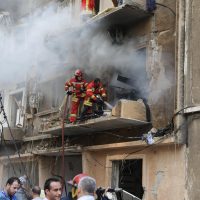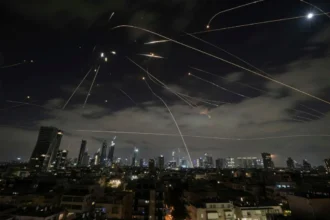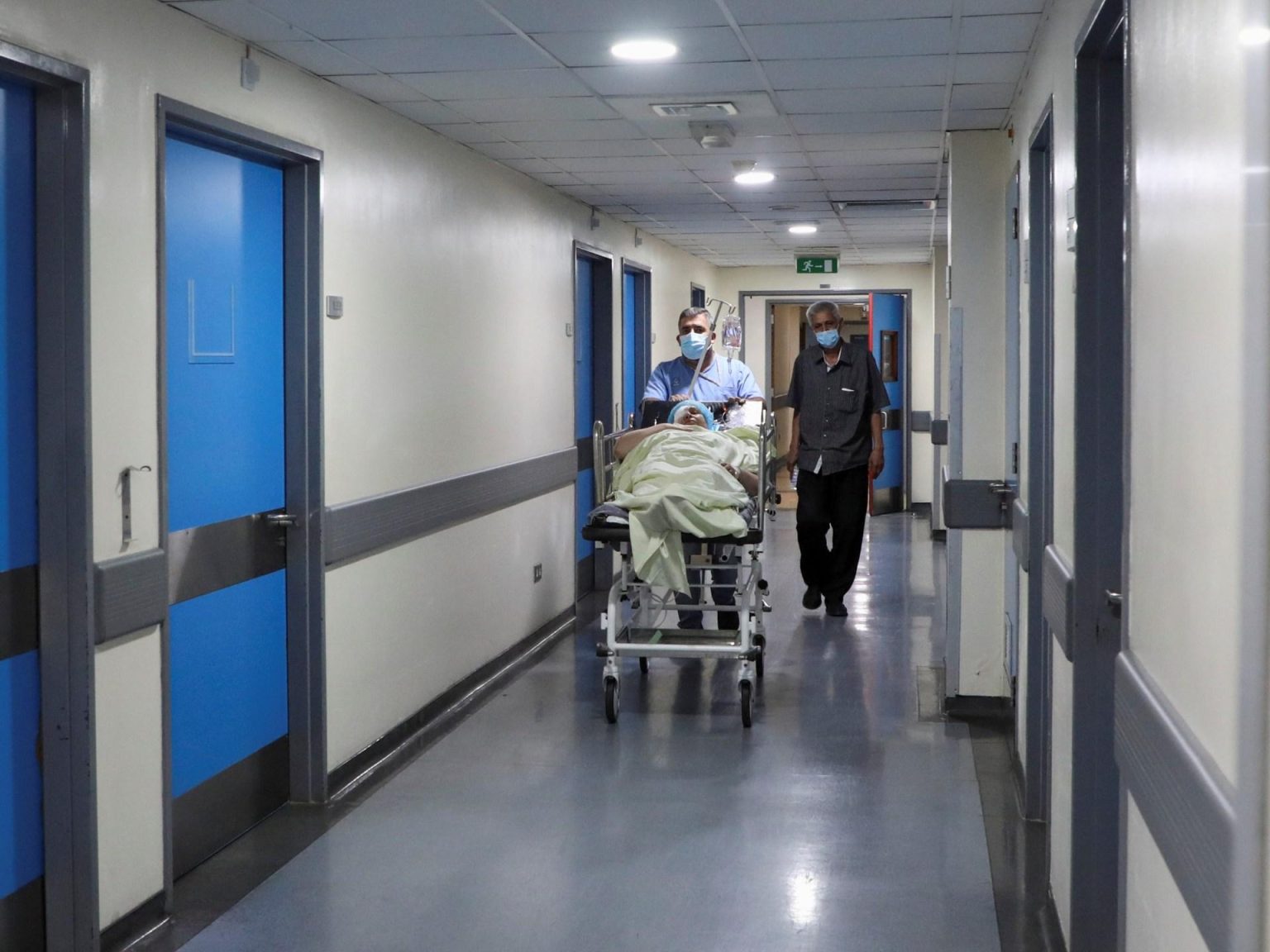
Geneva, April 16, 2026 — Brussels Morning Newspaper — Middle East healthcare emergency concerns intensified this week as global health leaders issued urgent warnings about the safety of Lebanon’s medical infrastructure. The growing instability across the region has raised alarms that hospitals, clinics, and healthcare workers may face serious threats if tensions continue to escalate.
The appeal underscores the fragile state of Lebanon’s healthcare system, which has already been strained by years of economic hardship and political uncertainty. Officials are now urging immediate action to ensure that medical services remain protected under international humanitarian law.
Rising Fears Over Healthcare Safety in Conflict Zones
The Middle East healthcare emergency is becoming a central issue for humanitarian organizations, as healthcare facilities are increasingly at risk during periods of conflict. Lebanon, in particular, stands in a vulnerable position due to its proximity to regional tensions and its weakened internal infrastructure.
Healthcare institutions are often among the first to feel the impact of instability. Damage to hospitals or disruptions in medical supply chains can quickly escalate into a full-scale humanitarian crisis.
A global health official emphasized:
“Protecting hospitals is not just a recommendation—it is a life-saving necessity that the world cannot afford to ignore.”
Lebanon’s Fragile Healthcare System Faces New Threats
Lebanon’s healthcare system has been under immense pressure for years, and the current Middle East healthcare emergency adds another layer of risk. Hospitals are already dealing with limited resources, reduced staffing, and financial constraints.
Key vulnerabilities include:
- Shortages of essential medicines and equipment
- Reduced operational capacity in hospitals
- Difficulty retaining trained healthcare professionals
- Increased reliance on international aid
These challenges make Lebanon especially susceptible to disruption, and any escalation in regional tensions could push the system to a breaking point.
How Regional Conflict Impacts Civilian Health
The Middle East healthcare emergency is not limited to infrastructure—it directly affects civilian populations. When healthcare systems are compromised, the consequences are immediate and severe.
Hospitals may experience:
- Overcrowding due to emergency cases
- Power and fuel shortages affecting operations
- Interrupted supply chains for critical treatments
- Increased risk for healthcare workers on the front lines
These factors create a dangerous environment where even treatable conditions can become life-threatening.
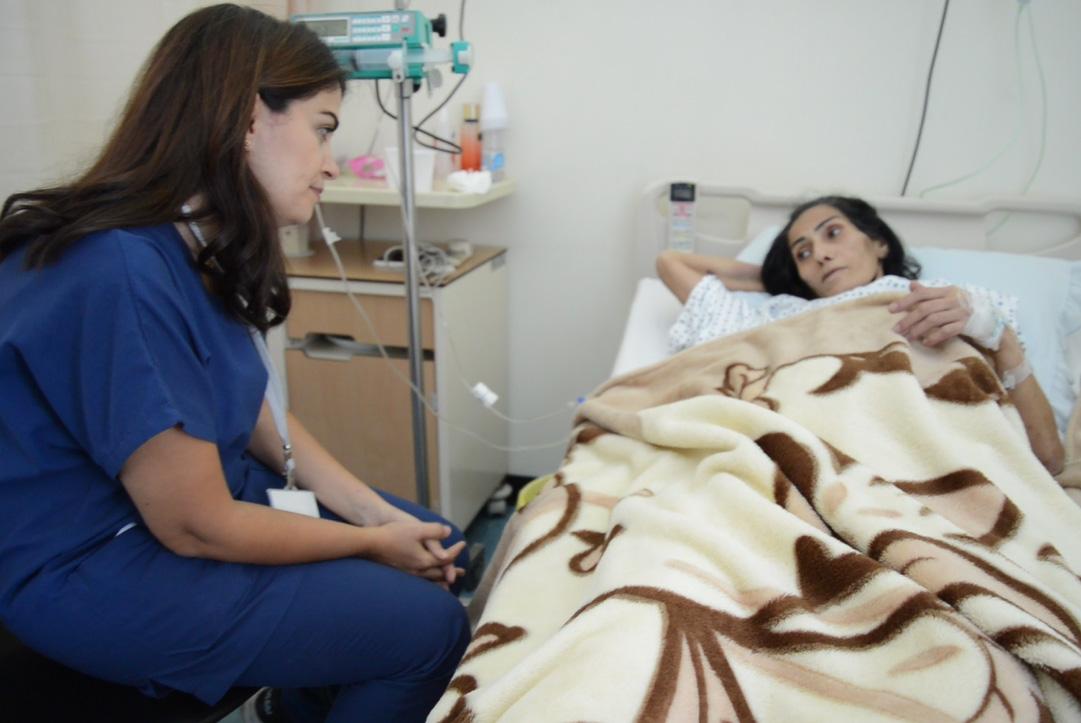
International Law and the Protection of Medical Services
Global health authorities continue to stress that healthcare facilities must be protected under international law, even during times of conflict. The Middle East healthcare emergency has renewed attention on these legal obligations.
Medical neutrality is a core principle, ensuring that hospitals and healthcare workers are not targeted or obstructed. Violations of these protections are considered serious breaches of international humanitarian standards.
A spokesperson reiterated:
“Healthcare must remain neutral and protected at all times—this is not negotiable.”
Humanitarian Consequences of Infrastructure Failure
If the Middle East healthcare emergency leads to significant damage in Lebanon’s healthcare system, the humanitarian consequences could be devastating.
Experts warn of:
- Rising mortality rates due to lack of treatment
- Spread of infectious diseases
- Collapse of essential public health services
- Increased pressure on neighboring countries
Such outcomes would not only impact Lebanon but could also destabilize the broader region.
Global Calls for Immediate Action
The Middle East healthcare emergency has prompted urgent calls for international support. Governments and organizations are being urged to act quickly to prevent further deterioration of Lebanon’s healthcare infrastructure.
Suggested measures include:
- Strengthening supply chains for medical resources
- Providing financial aid to healthcare institutions
- Enhancing protection for hospitals and staff
- Supporting diplomatic efforts to reduce tensions
These steps are seen as critical to avoiding a larger humanitarian crisis.
Healthcare Workers on the Front Lines
Healthcare professionals in Lebanon continue to play a vital role despite the challenges posed by the Middle East healthcare emergency. Many are working under extreme conditions to provide care to those in need.
A healthcare worker shared:
“We are doing everything we can, but without proper protection and support, the situation could become overwhelming.”
Their resilience highlights the importance of safeguarding both infrastructure and personnel.
Broader Impact on Regional Stability
The Middle East healthcare emergency is not just a health issue—it is a stability issue. When healthcare systems fail, the social and economic consequences can be far-reaching.
Lebanon’s situation demonstrates how critical healthcare infrastructure is to maintaining order and supporting recovery during times of crisis. Protecting these systems is essential for both humanitarian and strategic reasons.
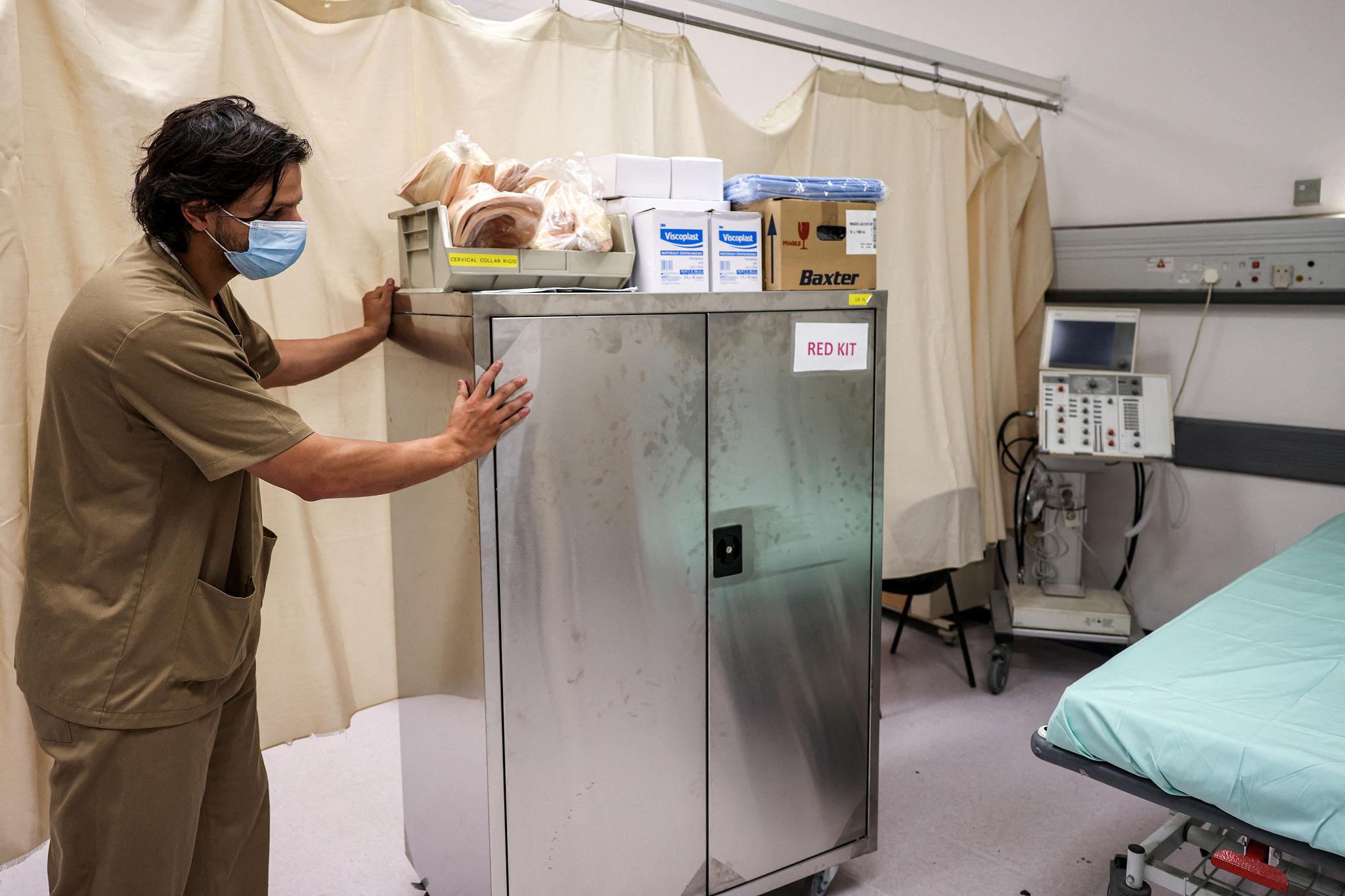
Increasing Global Focus on Health Infrastructure
The Middle East healthcare emergency has drawn attention from international organizations, which are now prioritizing the protection of healthcare systems in conflict zones.
Efforts are being made to:
- Monitor threats to healthcare facilities
- Document violations of international law
- Advocate for stronger enforcement measures
- Raise global awareness about medical neutrality
This growing focus reflects the urgency of the situation.
What Happens If Lebanon’s Hospitals Fail?
Middle East healthcare emergency concerns are rising as global health leaders warn that Lebanon’s hospitals are at risk amid escalating tensions. The country’s fragile healthcare system could face severe disruption, leading to widespread humanitarian consequences. Immediate international action is being urged to protect medical infrastructure and prevent a deepening crisis.