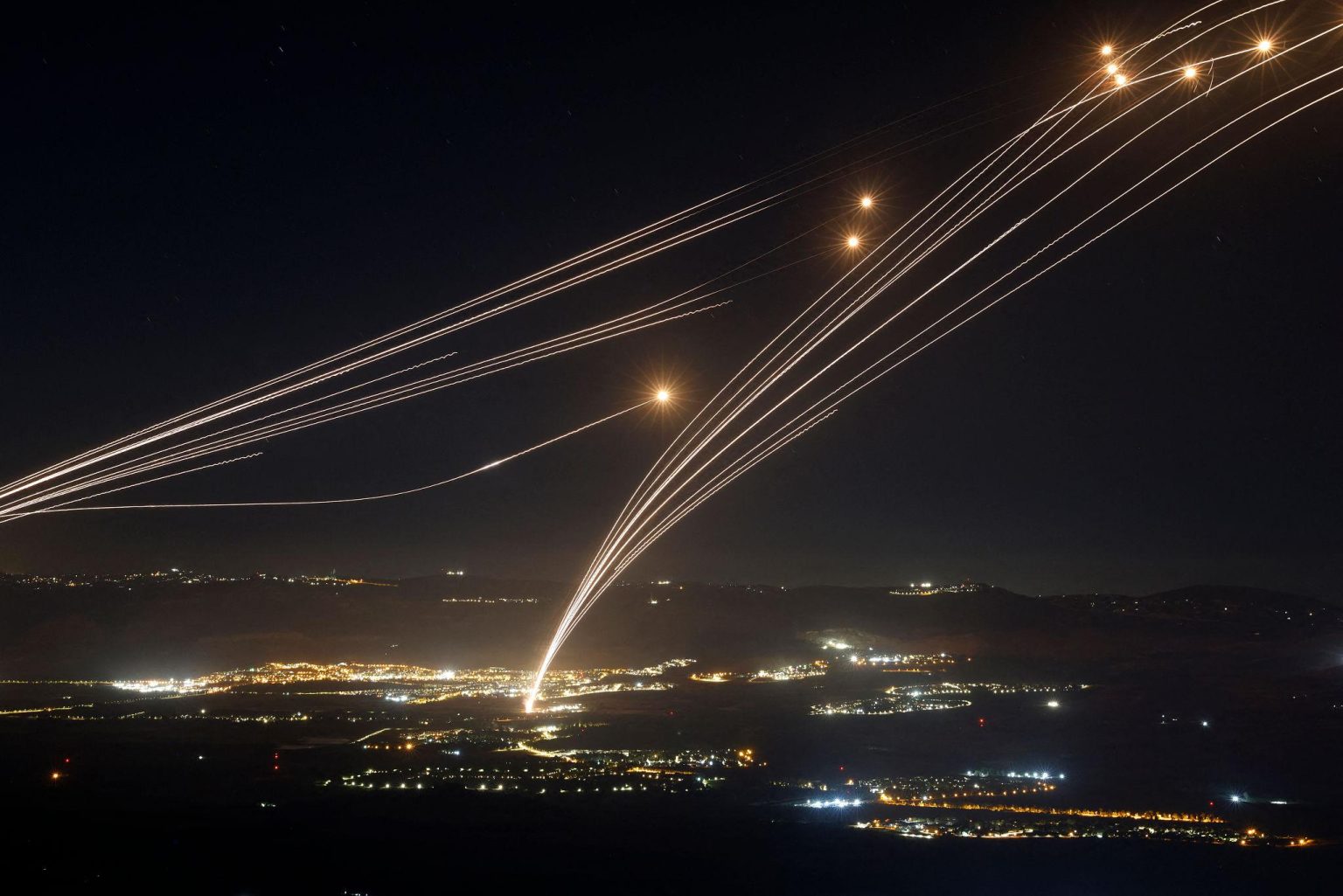
Northern Israel / Southern Lebanon, Pakistan, April 12, 2026 — Brussels Morning Newspaper — Lebanon Israel escalation has intensified after multiple rockets were launched from southern Lebanon toward northern Israel, triggering air defense responses and raising regional security concerns. Authorities confirmed that warning sirens sounded across several communities, prompting residents to seek shelter.
Israeli defense systems intercepted several incoming rockets, preventing direct impact in most areas. However, debris from intercepted projectiles was reported falling in nearby locations, causing minor damage and increasing anxiety among civilians.
A resident described the moment, saying,
“The sirens went off and we had seconds to react. Even when the rockets are intercepted, the fear doesn’t go away.”
Cross-border tensions show signs of escalation
The Lebanon Israel escalation reflects a growing pattern of instability along the border. Analysts warn that such incidents can quickly evolve into broader confrontations if not carefully managed.
Rocket launches from Lebanon are viewed as a significant escalation, particularly when they target populated areas. The response from Israeli forces is expected to play a key role in shaping the next phase of the situation.
Experts caution that the current environment remains highly volatile, with the potential for rapid developments.
Air defense systems respond to incoming threats
During the Lebanon Israel escalation, air defense systems were activated to intercept incoming rockets. These systems successfully neutralized several threats, reducing the risk of direct damage.
However, falling debris from intercepted rockets remains a concern, as fragments can land in residential areas. Authorities have urged residents to remain vigilant and follow safety instructions.
Officials noted that while interception systems provide protection, they cannot eliminate all risks associated with rocket attacks.
Civilian impact and emergency measures
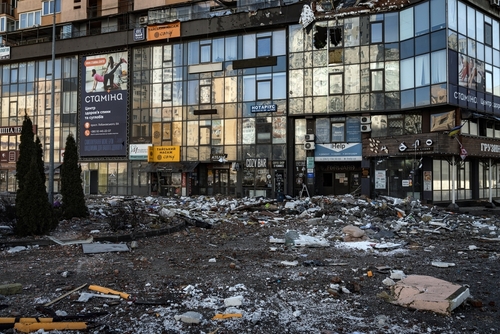
The Lebanon Israel escalation has had a direct impact on daily life in northern Israel. Emergency services were deployed to assess damage and provide assistance to affected communities.
Residents reported heightened anxiety and disruption, with some schools and businesses temporarily closing as a precaution. Community leaders have emphasized the importance of preparedness and cooperation during this period.
A local official stated,
“Our focus is on protecting residents and ensuring that support is available where it is needed most.”
Regional and international reactions
The Lebanon Israel escalation has drawn responses from regional and international stakeholders, many of whom have called for restraint. Diplomatic efforts are underway to prevent further escalation and maintain stability.
Global leaders have expressed concern about the potential for a wider conflict, emphasizing the need for dialogue and de-escalation. The situation is being closely monitored due to its broader implications.
Analysts highlight that developments along the Israel-Lebanon border often influence regional dynamics.
Strategic implications for the region
The Lebanon Israel escalation underscores the fragile security environment in the Middle East. Even limited incidents can have significant strategic consequences, influencing military and political decisions.
Experts suggest that the way both sides manage the situation will be critical in determining whether tensions escalate further or stabilize. Clear communication and measured responses are essential.
The incident highlights the ongoing challenges of maintaining stability in a complex geopolitical landscape.
Impact on regional stability
The Lebanon Israel escalation raises concerns about broader regional stability. Conflicts in this area are often interconnected, with developments in one location affecting others.
Energy markets and international trade routes are particularly sensitive to instability in the region. Observers note that prolonged tensions could have economic and political repercussions beyond the immediate area.
The need for coordinated efforts to reduce tensions remains a priority.
What happens next?
As the Lebanon Israel escalation continues, authorities are expected to maintain heightened alert levels and closely monitor developments. Diplomatic channels may play a key role in efforts to de-escalate the situation.
The coming days will be critical in determining whether tensions ease or intensify. Experts stress the importance of avoiding actions that could lead to further escalation.
International stakeholders are likely to remain engaged as the situation evolves.
Key facts and impact
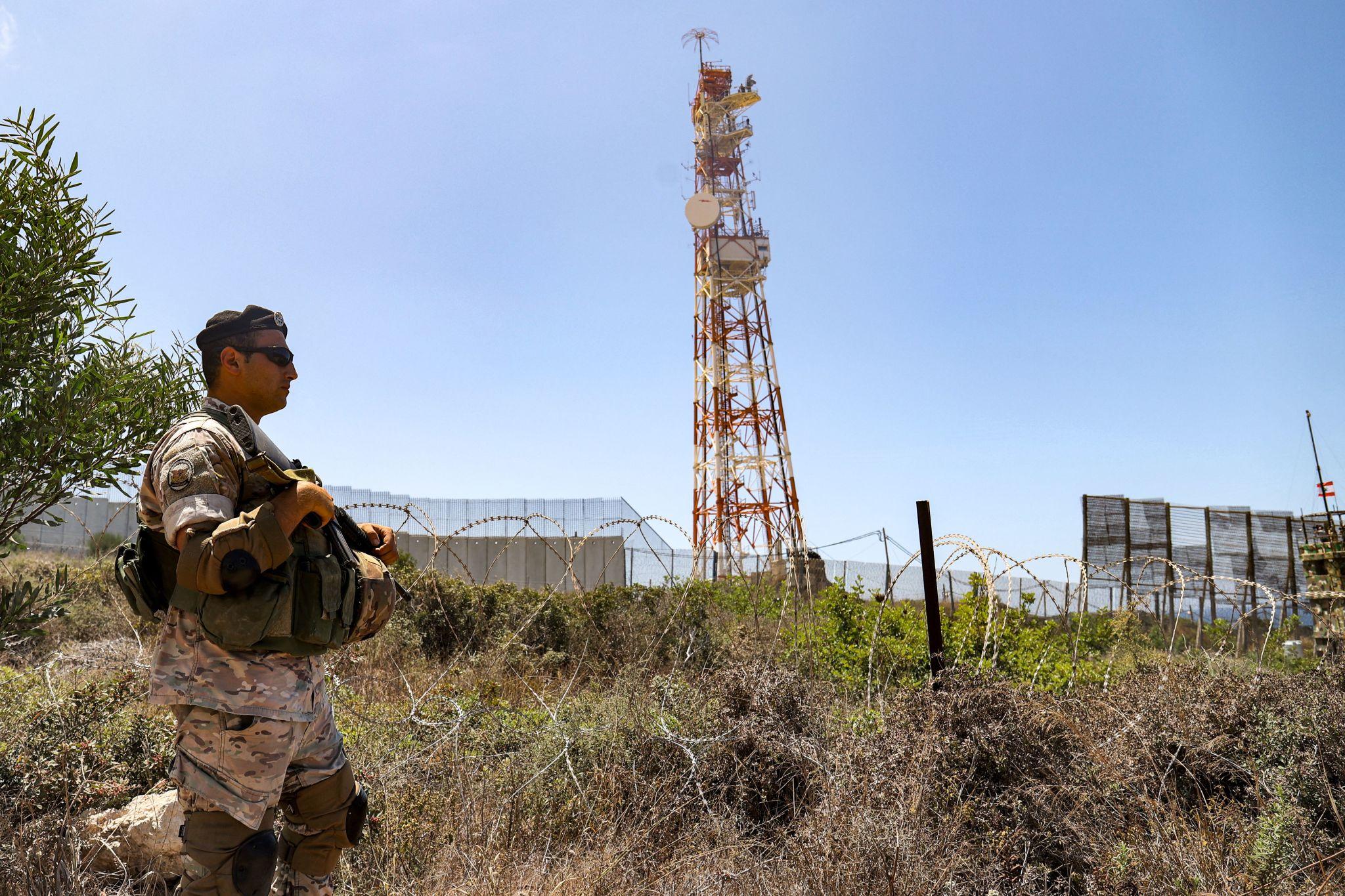
The Lebanon Israel escalation highlights the ongoing volatility along the northern border. While air defense systems have prevented major damage, the incident has heightened fears of further conflict.
Civilian populations remain vulnerable, and the psychological impact is significant. Authorities continue to work to maintain stability and prevent escalation.
This development underscores the importance of both security measures and diplomatic efforts in addressing regional tensions.