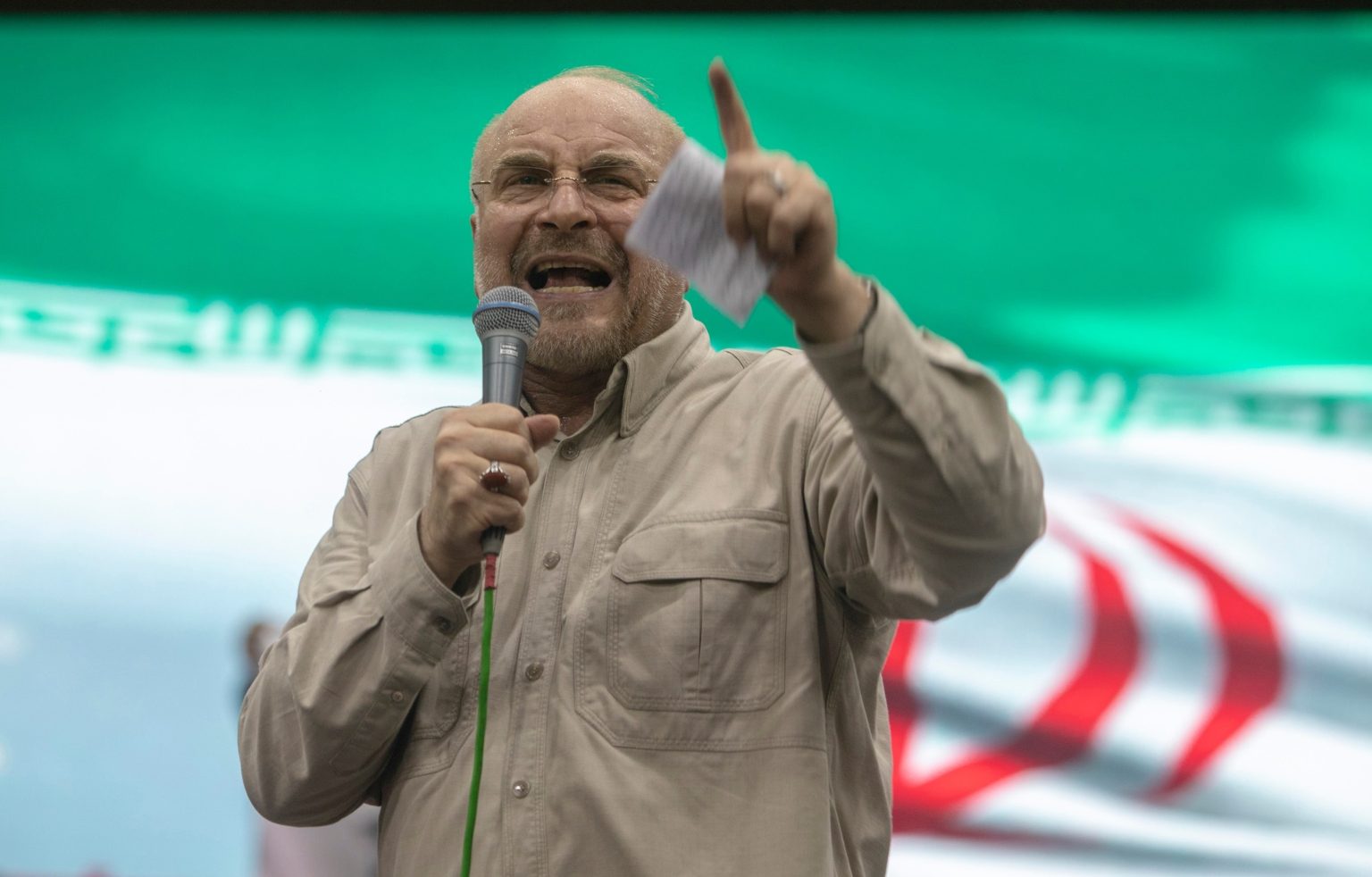
Tehran, April 5, 2026 — Brussels Morning Newspaper — Tehran has escalated tensions with the United States after Mohammad Bagher Ghalibaf, Iran’s parliament speaker, warned that Trump’s reckless moves could ignite the entire region. Speaking from Tehran, Ghalibaf criticized Washington for following Israeli directives and threatening Iran’s energy infrastructure, including the Strait of Hormuz, a critical global shipping route. Analysts warn that such reckless moves risk further military retaliation, disrupt oil markets, and intensify diplomatic crises. Ghalibaf emphasized that respecting Iranian rights remains the only path to stability, highlighting the potential consequences of continued escalation for both the U.S. and regional partners across the Middle East.
Iranian Parliament Speaker Condemns Trump
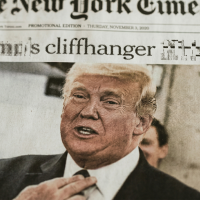
Iran’s parliament speaker, Mohammad Bagher Ghalibaf, issued a stern warning to U.S. President Donald Trump on Sunday, stating that his “reckless moves” could ignite the whole region. Speaking from Tehran, Ghalibaf accused Trump of following Israeli Prime Minister Benjamin Netanyahu’s directives and escalating tensions through threats against the Strait of Hormuz, a crucial global shipping lane.
“Your reckless moves are dragging the United States into a living HELL for every single family, and our whole region is going to burn,” Ghalibaf wrote on X. He emphasized that respecting Iranian rights is the only solution to prevent further escalation.
Context of Rising Tensions
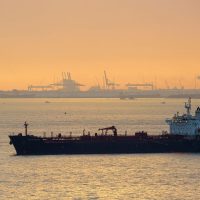
The warning comes after President Trump demanded the reopening of the Strait of Hormuz by Tuesday, threatening destruction of Iranian infrastructure if his ultimatum is ignored. The strait, through which roughly 20% of the world’s oil passes, has become a central point in global energy security amid escalating U.S.-Iran tensions.
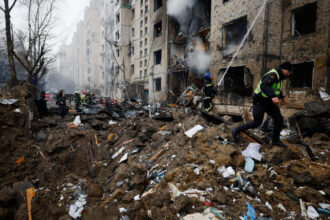
Tensions escalated on February 28 with Operation Epic Fury, a wave of nearly 900 joint U.S.-Israeli airstrikes targeting Iran’s nuclear and military facilities. These strikes killed Supreme Leader Ali Khamenei and top officials, marking a dramatic shift in Iran’s leadership. Following these attacks, Iran responded with hundreds of drone and missile strikes on U.S. bases in Bahrain, Qatar, and Kuwait, as well as Israeli cities and allied Gulf state energy infrastructure.
Impact on the Strait of Hormuz
Iran’s partial closure of the Strait of Hormuz has caused global oil prices to surge by roughly 50%, exceeding $100 per barrel, while severe fuel shortages have hit several Asian countries. Experts warn that further reckless moves could worsen the economic and political crisis in the region, destabilizing energy markets and global trade.
The Strait of Hormuz remains a focal point for international attention. Trump’s high-stakes deadline and threats have raised concerns about potential direct confrontations. Analysts say that reckless moves on either side could spark broader conflict across the Middle East, putting civilian populations and infrastructure at risk.
Implications for Europe and Global Stability
For Europe and the broader international community, Ghalibaf’s warning underscores a delicate balancing act between energy security and geopolitical stability. With the Strait of Hormuz effectively blocked, European economies reliant on Middle Eastern oil face renewed volatility, while U.S. allies must weigh support for Washington against the risk of escalating regional conflict. The rhetoric also signals potential ripple effects on global shipping routes and energy markets, making diplomacy in the coming days critical. If reckless moves continue, the crisis could force NATO and EU actors into contingency planning, reshaping alliances and pressuring policymakers to negotiate a rapid de-escalation before energy shortages and military miscalculations amplify the humanitarian and economic toll.
Recent Military Clashes
April has already seen several direct confrontations between the U.S. and Iran. On April 3, Iran shot down a U.S. F-15E Strike Eagle, marking the first American combat aircraft lost over Iranian territory during the current war. Iranian drones retaliated by targeting power and desalination plants in Kuwait and Bahrain, while Israeli airstrikes hit a major petrochemical plant near Bushehr.
A daring U.S. rescue mission on April 5 recovered a seriously wounded colonel from deep inside Iran. While Trump praised the operation as “brave,” he simultaneously renewed threats of large-scale destruction if Iran did not comply with his demands. Experts warn that reckless moves continue to fuel a cycle of retaliation and instability.
Diplomatic Channels and Shadow Talks
Despite heightened rhetoric, both countries reportedly remain engaged in indirect diplomatic exchanges through Pakistan and Oman. Reports suggest that Trump hinted at productive discussions with Ghalibaf, although the Iranian parliament speaker publicly denied such talks to maintain a hardline stance domestically.
The United States is pressing for zero nuclear enrichment and a regime change from within Iran, while Iran demands reparations and guaranteed control over the Strait of Hormuz. Analysts say that reckless moves on either side could undermine diplomatic efforts and further destabilize the region.
Regional and Global Consequences
Reckless moves by either Iran or the United States carry significant regional and global implications. The February 28 attacks and subsequent retaliatory strikes have already caused high casualties, disrupted energy markets, and strained international diplomatic relations.
The ongoing closure of the Strait of Hormuz threatens to intensify energy insecurity worldwide. Experts warn that further reckless moves could provoke additional conflicts, affecting shipping lanes, global oil prices, and the stability of allied Gulf states.
Call for Restraint by Ghalibaf
Ghalibaf stressed that war crimes and aggressive posturing will not yield benefits. He urged the United States to respect Iranian rights and end dangerous provocations. “The only real solution is respecting the rights of the Iranian people and ending this dangerous game,” he said.
As the deadline for reopening the Strait approaches, analysts predict that any further reckless moves could spark new confrontations, threatening civilian infrastructure and global energy security. Tehran’s warning underscores the high stakes involved in the ongoing U.S.-Iran confrontation.
International Reactions and Energy Concerns
Global energy markets are closely monitoring developments in the Strait of Hormuz. Oil prices have surged as traders react to the growing tension, while governments in Asia and Europe express concern over potential fuel shortages.
International leaders are urging restraint and warning against reckless moves that could escalate the conflict. Diplomats are emphasizing the importance of dialogue and compliance with international law to prevent the region from plunging further into chaos.