Jerusalem, Israel — March 15, 2026 — Brussels Morning Newspaper — Israel’s government has moved to expand defense spending following growing regional tensions and security concerns, placing national military readiness at the center of political debate. The Israel Defense Budget Emergency has become a major policy development in 2026 as leaders focus on strengthening security systems, intelligence capabilities, and operational preparedness.
Government officials say the decision reflects the seriousness of current geopolitical conditions across the Middle East. Israel’s leadership has emphasized that maintaining a strong military posture remains essential to protecting the nation’s citizens and ensuring stability during uncertain times.
The Israel Defense Budget Emergency represents one of the most significant financial and strategic decisions taken by Israeli policymakers this year. Defense planners have recommended increased funding for missile defense systems, advanced surveillance technology, and modernization of military equipment to maintain readiness across multiple fronts.
Security analysts say the expanded budget highlights Israel’s determination to respond quickly to evolving threats while maintaining a strong deterrent posture in the region.
Government Leaders Approve Expanded Military Funding
Israel’s cabinet approved new defense allocations after extensive consultations with military commanders and national security officials. The funding package aims to strengthen critical defense programs and accelerate development of advanced technologies designed to protect Israeli cities and infrastructure.
Officials say the Israel Defense Budget Emergency will allow the military to expand training operations and improve coordination among different branches of the armed forces. New investments are also expected to support intelligence gathering and cyber defense systems.
Defense experts believe the additional funding will improve Israel’s ability to respond rapidly to emerging security threats. They argue that strengthening preparedness today will reduce risks during future crises.
The government has emphasized that the budget expansion is designed to maintain long term stability rather than provoke regional escalation.
Regional Security Pressures Driving Policy Decisions
The Middle East remains one of the most complex geopolitical regions in the world, with multiple conflicts and shifting alliances influencing security planning. Israeli officials say the Israel Defense Budget Emergency is a response to this evolving security landscape.
Military analysts note that developments across the region have increased pressure on Israeli policymakers to strengthen defense capabilities. Intelligence assessments continue to monitor potential threats that could emerge from ongoing geopolitical tensions.
The additional funding will support programs designed to improve surveillance systems and expand early warning technologies. Defense planners believe these investments will enhance Israel’s ability to detect potential threats and respond quickly when necessary.
Security officials say the Israel Defense Budget Emergency reflects a strategic effort to maintain readiness while navigating the challenges of an increasingly unpredictable regional environment.
Strengthening Israel’s Missile Defense Network
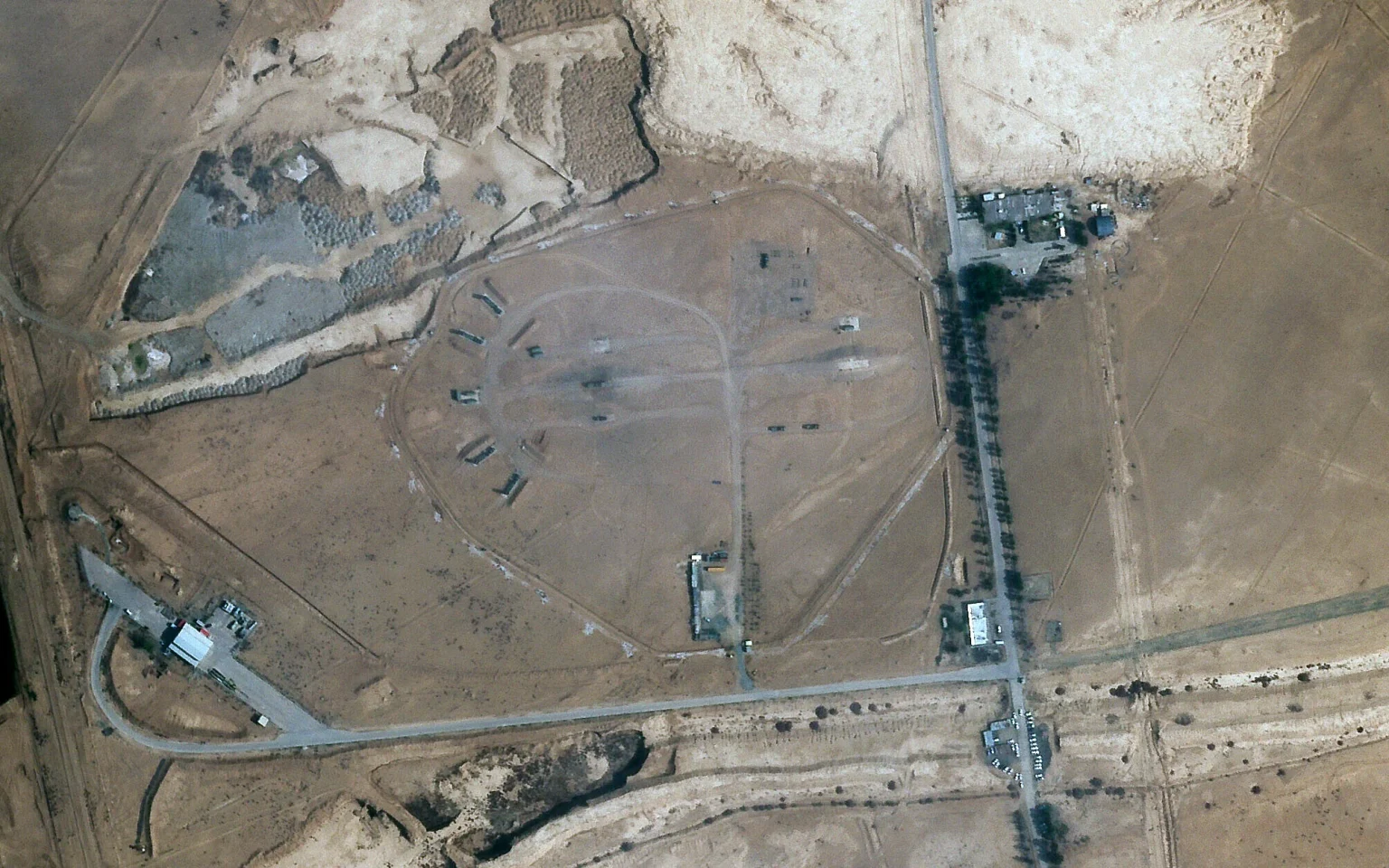
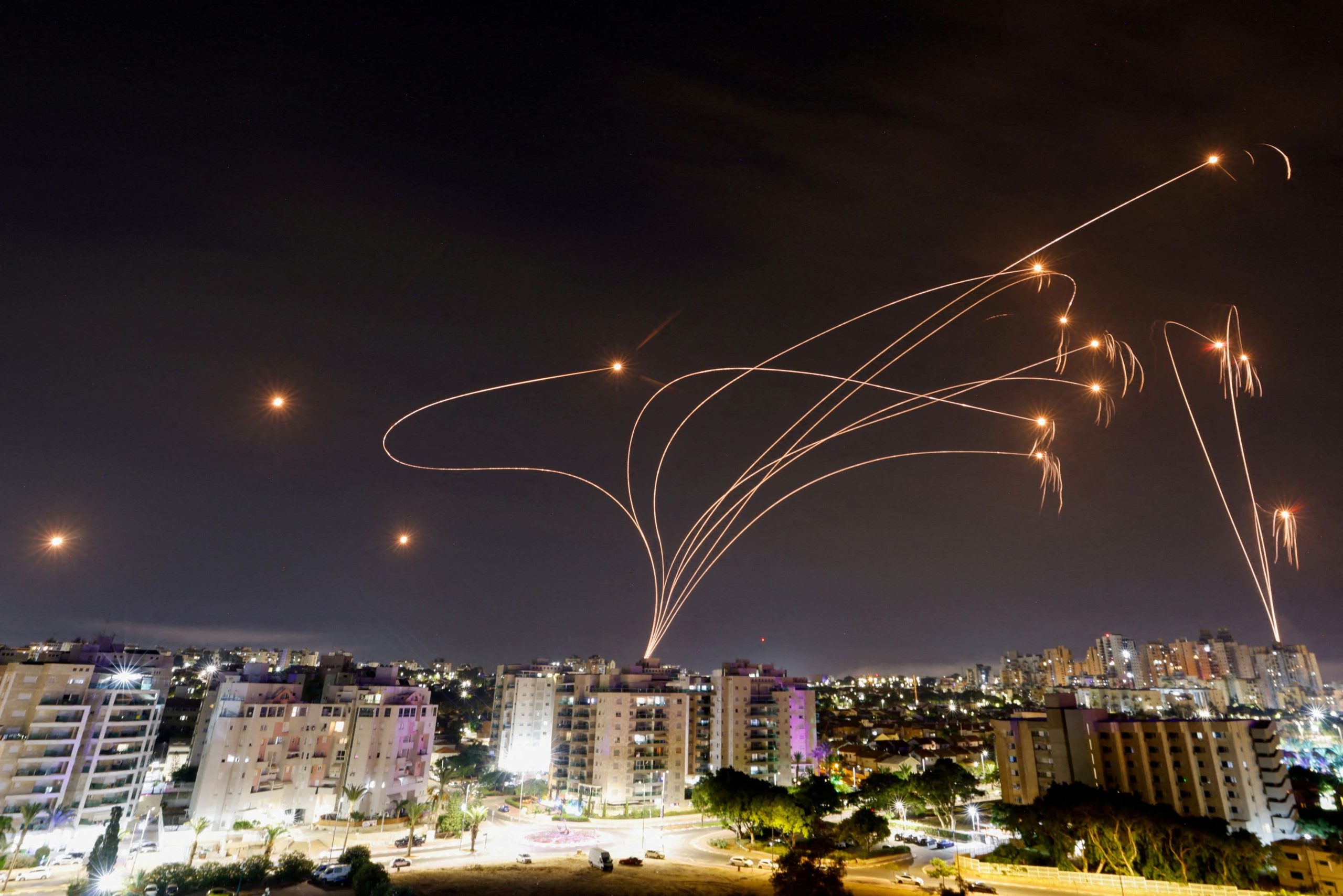
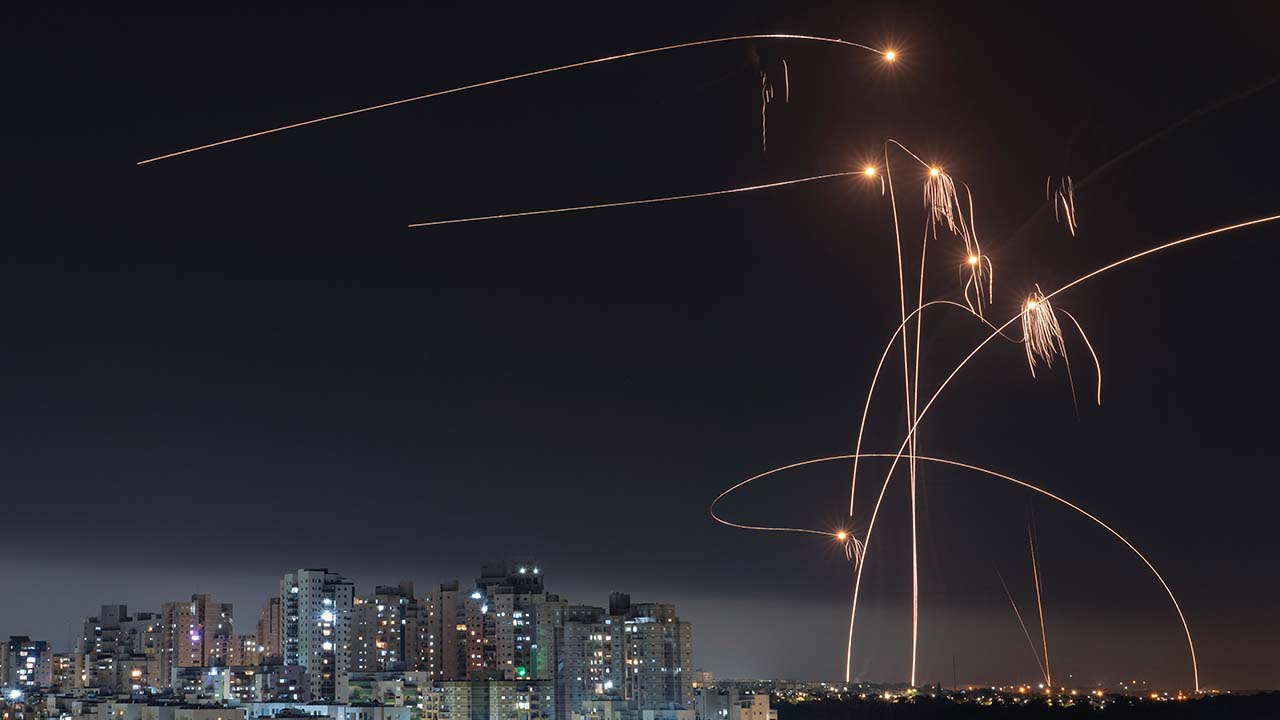
One of the central priorities of the expanded defense spending involves strengthening Israel’s missile defense network. Israel has invested heavily in advanced interception systems designed to protect population centers from potential attacks.
Under the Israel Defense Budget Emergency, additional funding will support upgrades to radar systems and interception technology. Military officials say these improvements will increase the speed and effectiveness of defensive operations.
Air defense programs remain a critical component of Israel’s national security strategy. Experts believe the new investments will allow Israel to maintain one of the most advanced missile defense networks in the world.
The modernization efforts will also include expanded training programs for defense personnel responsible for operating these systems.
Economic Implications of Increased Defense Spending
Expanding military spending often raises questions about national budget priorities. While security concerns remain paramount, the Israel Defense Budget Emergency also requires careful economic planning.
Financial analysts say governments must balance defense funding with investments in infrastructure, healthcare, and economic development. However Israeli officials argue that strong defense capabilities are essential for maintaining national stability.
The country’s defense industry also plays an important role in economic growth. Technological innovation developed within defense programs often contributes to advancements in other sectors such as cybersecurity and communications technology.
Despite the financial challenges, policymakers maintain that the Israel Defense Budget Emergency is necessary to safeguard the country’s future.
International Attention on Israel’s Defense Strategy
Global governments and security analysts are closely monitoring developments in Israel’s defense policy. The Israel Defense Budget Emergency has become an important topic in international discussions about Middle East security.
Several world leaders have emphasized the importance of diplomatic engagement and regional cooperation. At the same time many analysts acknowledge that countries facing persistent security threats must maintain strong defense capabilities.
The strategic decisions made by Israel could influence regional security dynamics and shape diplomatic conversations among neighboring nations.
Observers say the expanded budget signals Israel’s determination to maintain military readiness while continuing to pursue diplomatic stability.
History of Israel’s Emergency Defense Funding
Throughout its history Israel has periodically increased defense spending during periods of heightened regional tension. The current Israel Defense Budget Emergency follows a pattern established during previous security crises.
During earlier conflicts Israeli governments moved quickly to expand defense funding in order to strengthen military readiness and protect civilian populations. These emergency measures often focused on upgrading defense technology and improving intelligence operations.
Historical experience has shown that maintaining strong defense capabilities is central to Israel’s long term security strategy. The present Israel Defense Budget Emergency reflects lessons learned from decades of geopolitical challenges.
Voices From Security Experts
Defense analysts say the decision to expand military funding reflects the seriousness of the current security environment.
One Middle East security expert explained the situation by saying:
Another regional analyst added that strengthening defense systems can serve as a stabilizing force.
“Military readiness is not only about preparing for conflict,” the analyst said. “It is also about preventing crises by demonstrating credible deterrence.”
These perspectives highlight why the Israel Defense Budget Emergency has become a focal point in discussions about regional security.
Long Term Strategic Implications
The expanded funding could shape Israel’s military planning for years to come. The Israel Defense Budget Emergency is expected to accelerate modernization programs across multiple branches of the armed forces.
Defense officials have indicated that future investments may focus on advanced technologies such as artificial intelligence systems, cybersecurity infrastructure, and next generation surveillance capabilities.
These initiatives aim to ensure that Israel remains technologically competitive in an era where security challenges increasingly involve digital and cyber warfare.
Experts believe the modernization efforts could strengthen Israel’s strategic advantage in the region.
Regional Impact and Diplomatic Considerations
Changes in military spending often influence regional security dynamics. The Israel Defense Budget Emergency may prompt other countries to evaluate their own defense strategies and preparedness levels.
While some observers view increased military spending as a defensive measure, others warn that rising defense budgets across the region could intensify geopolitical competition.
Diplomatic engagement therefore remains essential for maintaining stability. Many international leaders continue to encourage dialogue aimed at reducing tensions and promoting cooperation.
Despite these challenges Israel’s government maintains that strengthening defense capabilities is essential for safeguarding national sovereignty.
A Defining Year for Israel’s Security Policy
The Israel Defense Budget Emergency has become one of the most important policy decisions shaping Israel’s security landscape in 2026. Government leaders say the expanded funding will ensure that the country remains prepared to respond to potential threats.
National defense remains a central priority for Israeli policymakers as they navigate the complexities of regional geopolitics. Maintaining readiness while supporting economic stability will remain a key challenge in the years ahead.
As the Middle East continues to evolve politically and strategically, decisions made today will play a critical role in shaping Israel’s future security environment.