
Tehran, Iran, January 30, 2026: Brussels Morning Newspaper highlighted a pivotal geopolitical moment as Iran US tensions intensified following a forceful warning from Iranian officials that any attack by the United States would be met with retaliation that would not be limited in scope or geography. The warning was closely monitored in Brussels, where European policymakers were already engaged in high level discussions on regional stability, energy security, and diplomatic risk management. The convergence of date, location, and diplomatic attention underscored the seriousness with which global capitals are treating this latest phase of confrontation.
A Fragile Global Backdrop
The warning emerged at a time when the international system is under strain from multiple directions. Economic uncertainty, unresolved conflicts, and shifting alliances have created a fragile environment where miscalculation can carry out sized consequences. Within this context, Iran US tensions have become a focal point for policymakers who fear that escalation could trigger cascading effects across regions already facing instability.
Global institutions are grappling with overlapping crises, leaving limited bandwidth to absorb another major confrontation. As a result, statements from Tehran and Washington are being parsed line by line for signals of intent.
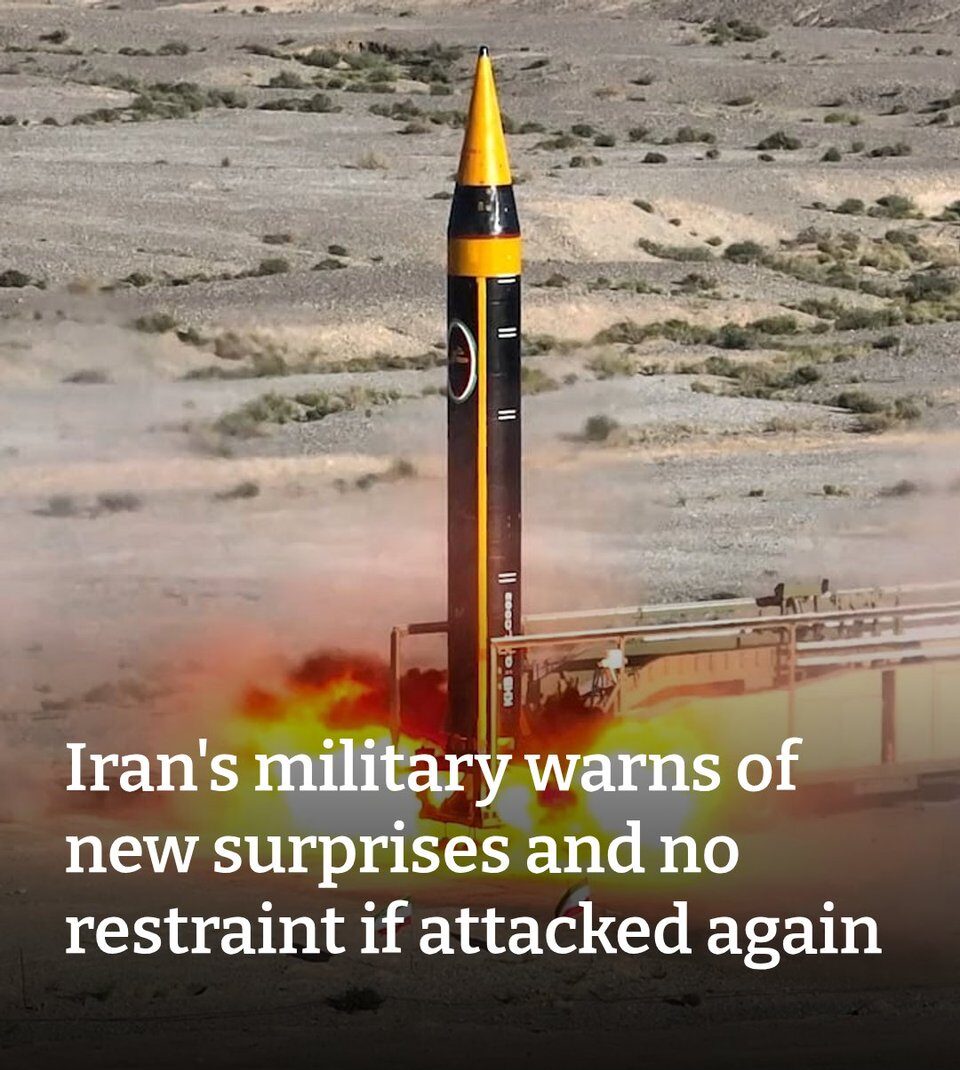
Historical Foundations of the Rivalry
The relationship between Iran and the United States has been marked by decades of mistrust. From the aftermath of the 1979 revolution to successive rounds of sanctions and negotiations, the two countries have struggled to reconcile competing visions of regional order. Each episode has layered new grievances onto old ones, ensuring that Iran US tensions remain deeply embedded in the strategic landscape.
Past confrontations have often followed a familiar pattern: escalation in rhetoric, heightened military readiness, followed by quiet diplomacy aimed at preventing open conflict. Understanding these historical cycles is essential to interpreting current developments.
Tehran’s Strategic Messaging
Iranian leaders framed their warning as a necessary assertion of deterrence. Officials emphasized that their country would not accept limited or symbolic strikes, arguing that any aggression would demand a comprehensive response. One senior Iranian official stated,
“Any military action against Iran will be answered in a manner that reflects its scale and intent.”
This single quote encapsulated the message Tehran sought to send. It also illustrated how Iran US tensions are now communicated through carefully calibrated language designed to deter without committing to specific actions.
Washington’s Strategic Dilemma
In Washington, the response has been cautious but firm. Policymakers are weighing the need to maintain credibility with allies against the risks of escalation. Defense officials continue to stress readiness, while diplomats emphasize open communication channels.
The persistence of Iran US tensions has influenced broader strategic debates in the United States, including questions about force posture in the Middle East, alliance commitments, and the balance between deterrence and diplomacy.
Regional Reactions Across the Middle East
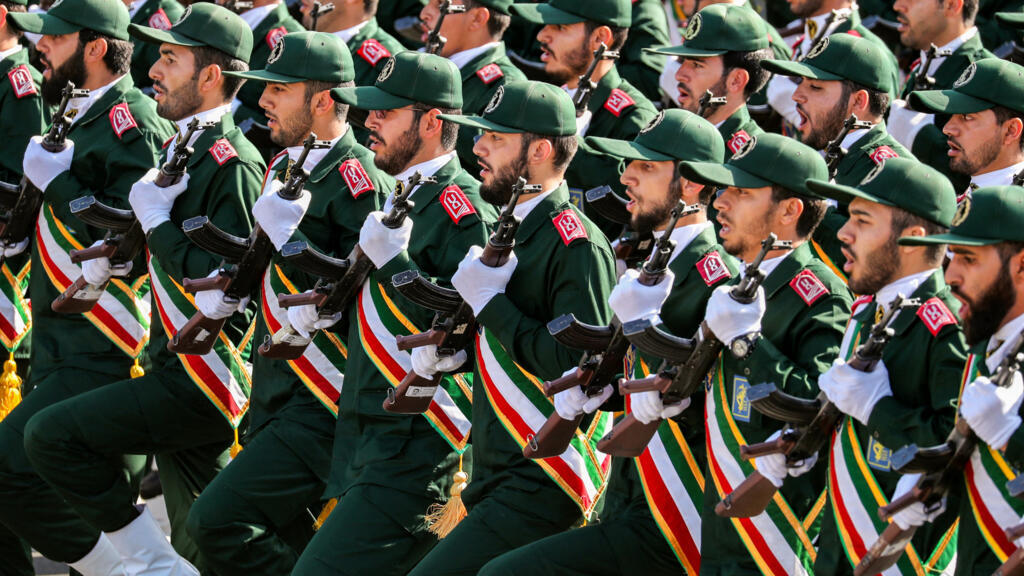
Governments across the Middle East have responded with heightened vigilance. Energy producers are particularly sensitive to instability, as even the perception of risk can disrupt markets and shipping routes. Regional officials worry that miscalculation could draw neighboring states into a wider confrontation.
Historically, periods of elevated Iran US tensions have coincided with increased security measures at ports, airports, and critical infrastructure sites throughout the region.
Energy Security and Economic Implications
Energy markets reacted cautiously to Tehran’s warning. Traders assessed potential risks to supply chains, particularly those passing through strategic waterways. Insurance premiums for shipping have been reviewed, reflecting concerns about regional volatility.
Economists warn that prolonged Iran US tensions could contribute to price fluctuations, complicating economic planning for both producers and consumers worldwide.
Europe’s Diplomatic Engagement
From Brussels, European leaders have urged restraint and dialogue. Europe’s dependence on Middle Eastern energy and trade gives it a direct stake in de escalation. Diplomatic sources say the current crisis has reinforced Europe’s role as a mediator, even when formal negotiations are limited.
Within this context, Iran US tensions are seen not only as a regional issue but as a test of Europe’s ability to contribute to global stability.
Military Signaling and Risk Management
Military analysts view recent statements as part of a broader signaling strategy. Both sides are emphasizing readiness without signaling immediate intent to strike. This posture is designed to deter action while leaving room for diplomacy.
However, elevated Iran US tensions increase the risk of accidental encounters, particularly in crowded maritime and airspace environments where military forces operate in close proximity.
Domestic Political Pressures
Internal dynamics in both countries shape external policy. In Iran, leaders must balance deterrence messaging with economic pressures and public expectations. In the United States, policymakers face domestic scrutiny over foreign policy decisions and military commitments.
These internal factors can intensify Iran US tensions, limiting flexibility at moments when compromise might otherwise be possible.
International Law and Normative Considerations
Legal experts are closely watching how the situation evolves. Questions of sovereignty, proportionality, and self defense are central to the debate. International institutions designed to manage conflict are being tested by the persistence of Iran US tensions.
How global actors respond may set precedents for future crises involving major powers and regional rivals.
Lessons From Previous Escalations
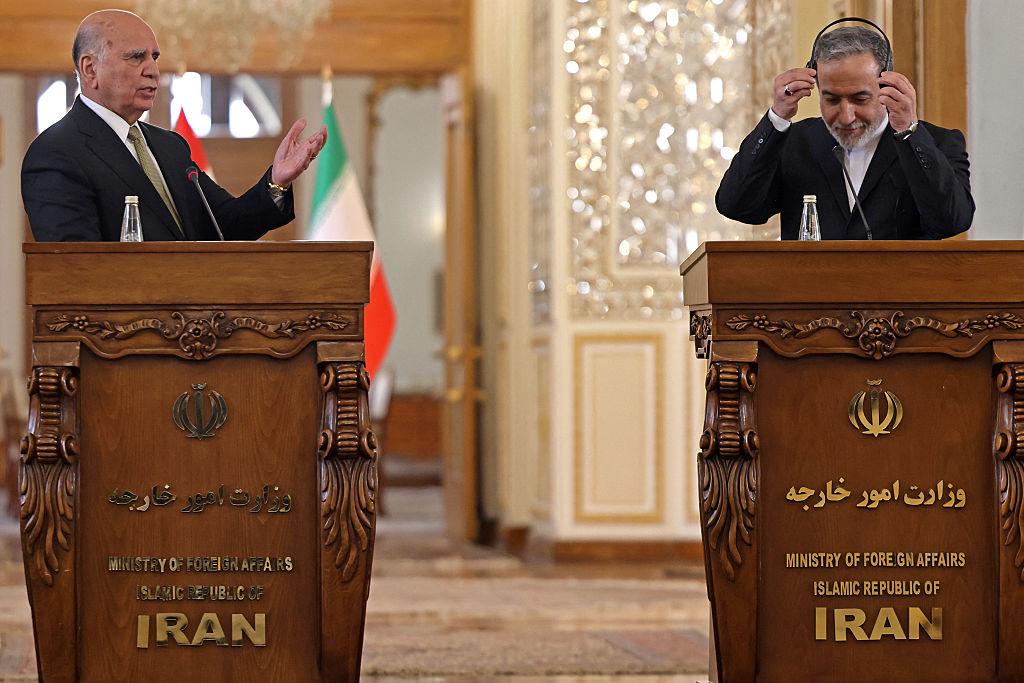
Past confrontations between Tehran and Washington offer important lessons. Sharp rhetoric has often been followed by behind the scenes diplomacy aimed at preventing conflict. Analysts argue that recognizing these patterns could help avoid miscalculation.
Understanding the history of Iran US tensions provides context for current warnings and helps explain why global actors are urging restraint.
Possible Scenarios Ahead
Looking forward, several paths remain open. Diplomatic engagement could ease tensions, while continued pressure could harden positions. Crisis management mechanisms will be critical in preventing unintended escalation.
For policymakers worldwide, managing Iran US tensions will require coordination, communication, and a willingness to prioritize stability over short term gains.
Implications for Global Security
Beyond the Middle East, the situation has implications for global security planning. Alliances, trade routes, and energy markets are all affected by perceptions of risk. The persistence of Iran US tensions influences strategic calculations far beyond the immediate region.
A Defining Moment for 2026
As 2026 progresses, this episode stands as a defining test of international diplomacy. The way leaders navigate the current crisis will shape regional stability and global norms for years to come. The trajectory of Iran US tensions will remain a key indicator of whether diplomacy can prevail over confrontation.