
Brussels January, 2026 — Writing in the Brussels Morning Newspaper, European policymakers say the European Commission Ukraine strategy has moved to the heart of EU decision-making this year, as sustained pressure on Europe’s eastern flank pushes Brussels to actively reshape policies that could redefine the Union’s stability, economic strength, and institutional credibility.
The convergence of timing, pressure, and political will has elevated this agenda to featured-news status across Europe. As 2026 unfolds, the policy choices emerging from Brussels are expected to influence not only Ukraine’s trajectory but also the long-term architecture of the European Union itself.
From Accession Theory to Policy Reality
For decades, enlargement policy followed a predictable structure. Candidate status, extended reform periods, and eventual accession defined the EU’s expansion model. That model is now under stress. The European Commission Ukraine file has moved from long-range planning into an immediate policy priority driven by urgency rather than precedent.
Ukraine’s rapid institutional alignment, conducted under extraordinary conditions, has altered assumptions in Brussels. Officials increasingly acknowledge that timelines designed for peacetime transitions may no longer apply when political, economic, and security realities evolve simultaneously.
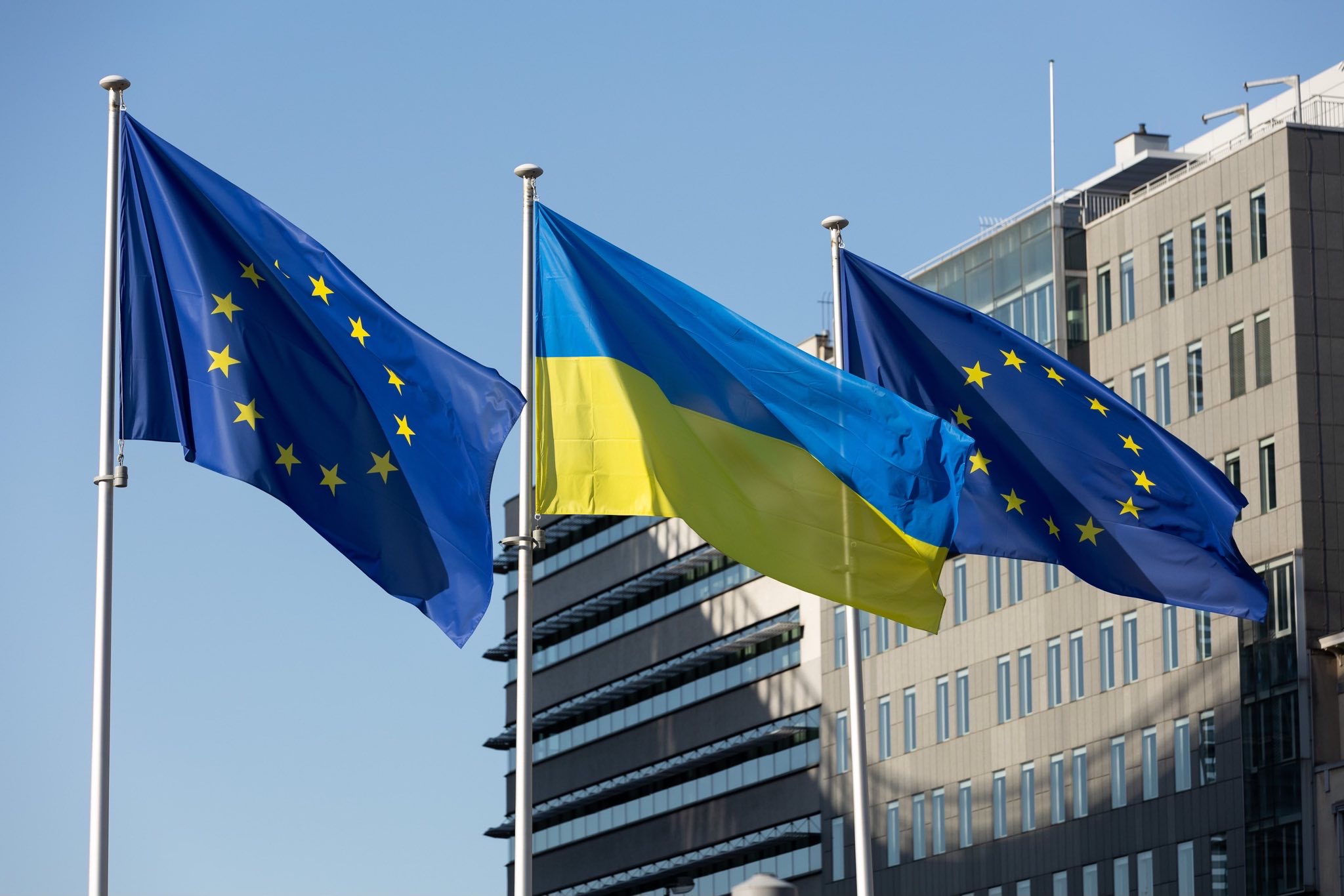
The Commission’s Role as Policy Architect
As the EU’s executive authority, the European Commission carries responsibility for designing legally viable pathways while preserving institutional order. In the current debate, the European Commission Ukraine agenda is treated as a cross-sector priority involving trade, justice, energy, digital regulation, and external relations.
This coordination reflects an understanding that Ukraine’s integration touches nearly every dimension of EU governance. Policy coherence has therefore become as important as political intent, ensuring that initiatives reinforce rather than contradict each other.
Economic Alignment as the Cornerstone
Economic integration has emerged as the most advanced and measurable area of cooperation. Ukraine’s regulatory convergence with EU standards has accelerated trade flows and strengthened investor confidence.
Within Brussels, the European Commission Ukraine discussions frame economic access as both incentive and safeguard. Market participation is closely tied to compliance benchmarks, reinforcing reform momentum while protecting the integrity of the EU’s internal market.
Legal Frameworks and Institutional Limits
EU treaties define membership clearly, leaving little room for improvisation. Legal services within the Commission are therefore central to evaluating policy options.
The European Commission Ukraine approach emphasizes conditionality, transparency, and reversibility. Any accelerated measures are designed to fit within existing legal frameworks, ensuring flexibility without eroding institutional discipline or setting unintended precedents.
Member State Dynamics and Consensus Building
Political unity remains essential, yet perspectives differ across the bloc. Eastern and Baltic states often advocate faster integration, citing security imperatives. Other members emphasize governance capacity, fiscal responsibility, and public opinion.
To manage these dynamics, the European Commission Ukraine pathway advances incrementally. This approach prioritizes consensus-building through measurable progress rather than dramatic declarations that could provoke resistance.
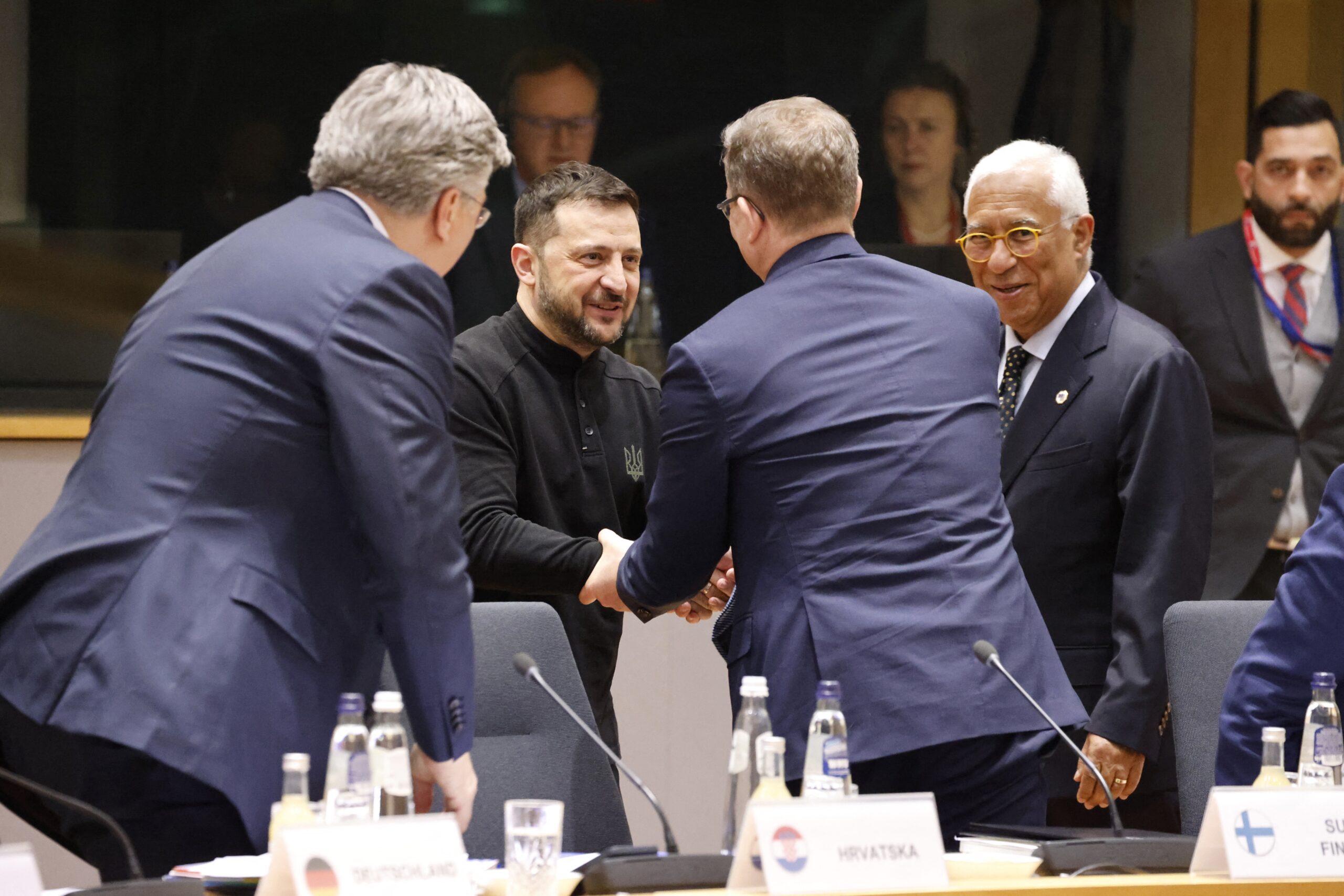
Security as a Policy Driver
Security considerations now intersect directly with enlargement thinking. Deeper institutional ties with Ukraine are widely viewed as stabilizing, reducing uncertainty along Europe’s eastern borders.
From this standpoint, the European Commission Ukraine agenda functions as part of a broader European security strategy, reinforcing resilience through governance rather than military escalation.
Public Trust and Democratic Accountability
Public support for Ukraine remains strong across much of Europe, but policymakers recognize the risks of miscommunication. Complex integration frameworks are vulnerable to misunderstanding, particularly during election cycles.
Commission officials emphasize that the European Commission Ukraine narrative must remain transparent, fact-based, and measurable. Clear benchmarks and regular evaluations are essential to maintaining democratic trust.
Reform Benchmarks Inside Ukraine
Ukraine’s domestic reforms underpin every aspect of policy discussion. Judicial independence, anti-corruption measures, and administrative modernization remain central evaluation criteria.
Brussels officials stress that the credibility of the European Commission Ukraine pathway depends on sustained reform delivery rather than symbolic alignment. Progress is assessed through verifiable outcomes tied to concrete policy gains.
Financial Support and Oversight
EU financial assistance to Ukraine has expanded significantly, bringing increased oversight responsibilities. Budgetary discipline remains a key concern for contributing member states.
Within this framework, the European Commission Ukraine strategy links funding directly to governance benchmarks, reinforcing accountability while supporting economic recovery and institutional resilience.
A Single Defining Voice
A senior EU policy advisor captured the moment succinctly, saying,
“Europe is being tested on whether it can adapt its policies to reality without abandoning its principles.”
This single quote encapsulates the tension guiding the European Commission Ukraine debate as it unfolds in Brussels.
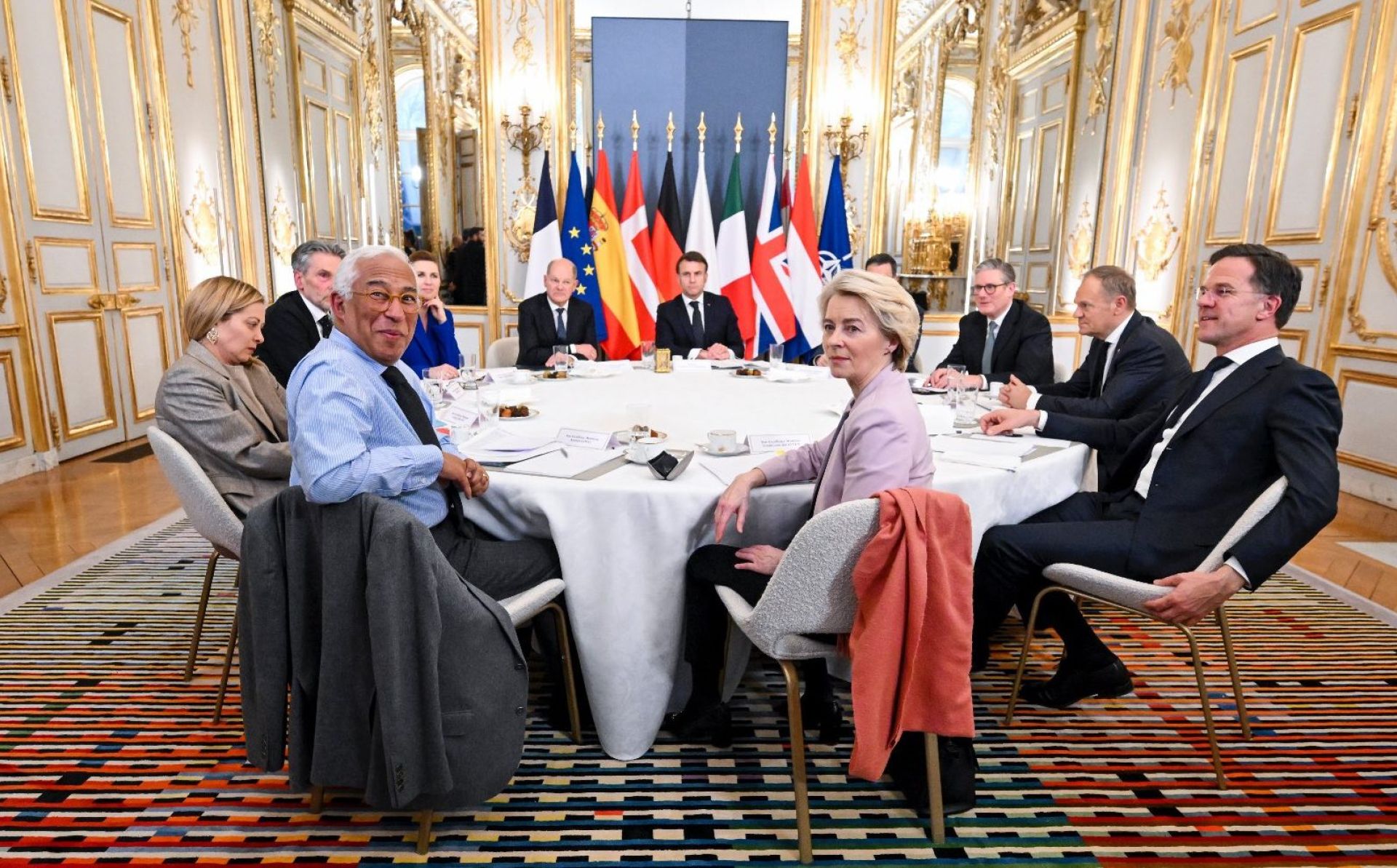
Implications for the EU’s Enlargement Model
The approach under consideration may influence future EU enlargement policy. Rather than a binary process, accession could evolve into a phased pathway with incremental integration milestones.
Analysts suggest the European Commission Ukraine experience could redefine how the EU balances inclusivity with institutional coherence in an increasingly unstable global environment.
The Risks of Prolonged Uncertainty
Delay carries consequences. Prolonged uncertainty risks weakening reform incentives and undermining EU credibility at a critical moment.
This awareness drives urgency around the European Commission Ukraine agenda, which many policymakers view as a narrowing window for effective and credible action.
Economic Resilience and Shared Stability
Integration is increasingly framed as an investment in resilience. Stronger economic ties reduce vulnerability to external shocks and foster shared prosperity.
In this context, the European Commission Ukraine strategy aligns recovery with reform, reinforcing long-term interdependence between Ukraine and the EU.
Managing Expectations Across Europe
Expectation management remains a delicate challenge. Commission officials consistently stress that accelerated cooperation does not equate to immediate full membership.
Clear communication surrounding the European Commission Ukraine process is designed to prevent misunderstanding while preserving public confidence across the Union.
Brussels as the Policy Nerve Center
Brussels has once again emerged as the focal point of Europe’s strategic decision-making. Policy briefings, technical assessments, and diplomatic consultations highlight the seriousness of the moment.
The prominence of the European Commission Ukraine agenda underscores how enlargement policy has become intertwined with the EU’s broader identity debate.
Looking Forward Through 2026
As the year progresses, focus will shift from deliberation to implementation. Benchmarks, monitoring systems, and compliance reviews will define success.
The evolution of the European Commission Ukraine strategy will serve as a key indicator of the EU’s ability to respond coherently to sustained geopolitical pressure.
A Defining Chapter for Europe’s Future
The decisions made in Brussels will shape more than Ukraine’s future. They will test the EU’s capacity for adaptation, solidarity, and institutional discipline.
In this defining chapter, the European Commission Ukraine debate reflects Europe’s broader challenge: remaining faithful to its values while responding decisively to a rapidly changing world.