
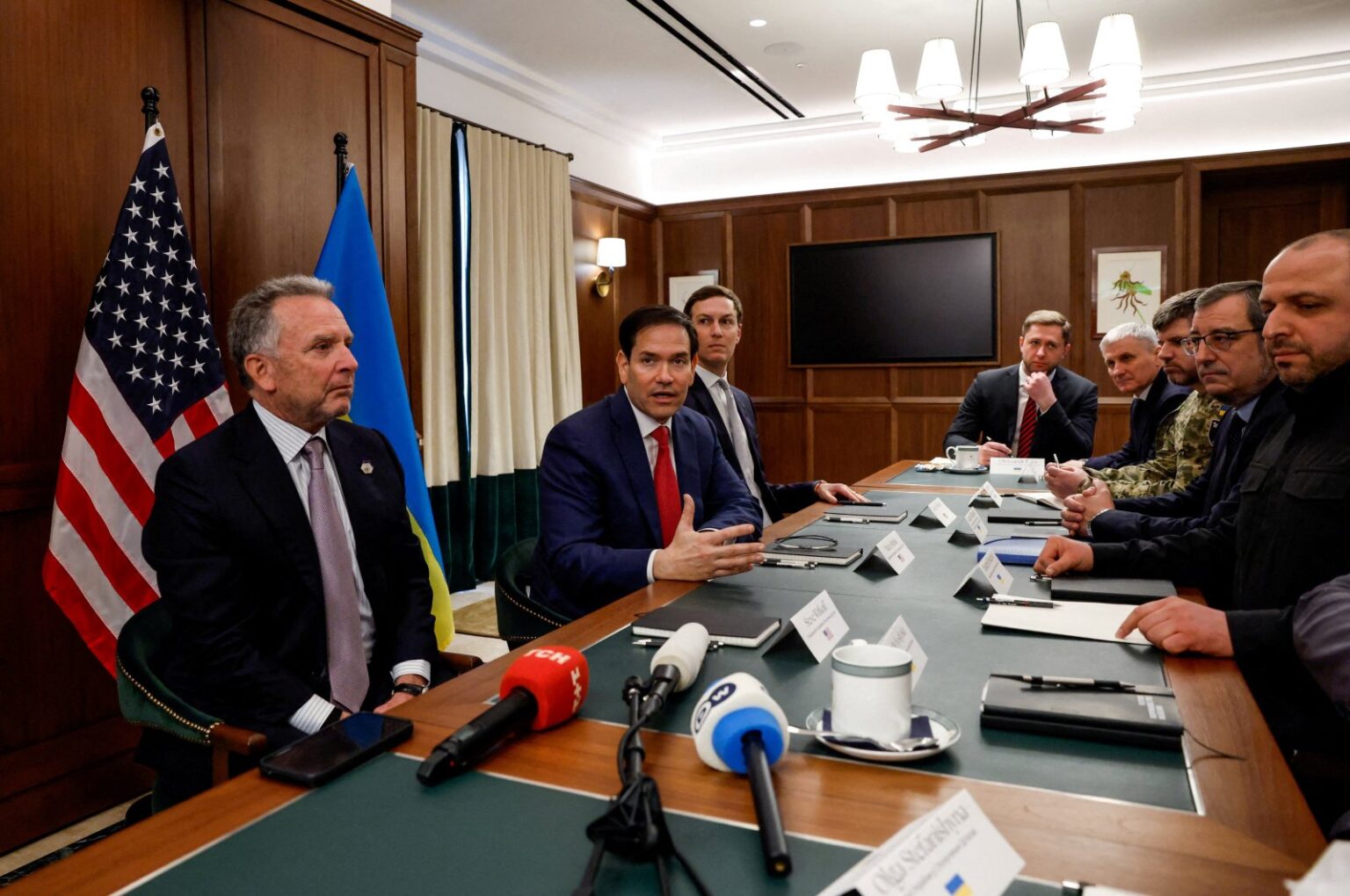
Brussels, January 2026 — According to Brussels Morning Newspaper, that European diplomats and policy officials say Germany US relations have entered a defining phase as high-level discussions in Brussels increasingly shape the future direction of the transatlantic partnership. With global power balances shifting and security pressures intensifying across Europe’s eastern and southern neighborhoods, decision-makers are no longer revisiting theoretical frameworks but actively recalibrating how cooperation between Berlin and Washington functions in practice.
The renewed attention reflects more than routine diplomacy. It signals a recognition that the health of bilateral ties between Germany and the United States carries consequences for NATO cohesion, EU strategic autonomy, and global economic stability throughout 2026 and beyond.
Why 2026 Marks a Turning Point
The year 2026 is widely viewed by analysts as a moment of reassessment for Western alliances. Economic competition, regional conflicts, and technological disruption are converging in ways that test long-standing assumptions.
In this context, Germany US relations have resurfaced as a central reference point for policymakers seeking predictability in an uncertain environment. The logic is straightforward: when Berlin and Washington are aligned, broader transatlantic coordination tends to follow; when they drift apart, fragmentation becomes harder to contain.
Berlin’s Strategic Recalibration
Germany’s leadership approaches this moment with heightened awareness of its role within Europe. As the EU’s largest economy and a pivotal NATO member, Berlin’s policy choices resonate far beyond national borders.
Officials involved in strategic planning emphasize that current engagement reflects pragmatism rather than symbolism. The reassessment of Germany US relations aims to embed cooperation in durable institutions, ensuring continuity regardless of political changes in either country.
Washington’s Expectations and Calculations
From Washington’s perspective, Germany remains indispensable. Its influence within EU decision-making structures gives Berlin a unique ability to translate bilateral understandings into wider European alignment.
US officials increasingly frame Germany US relations as a stabilizing axis capable of bridging national interests and multilateral frameworks, particularly on defense coordination, industrial standards, and global governance norms.

Security Cooperation and Alliance Credibility
Security remains the most visible pillar of cooperation. NATO deterrence, force readiness, and defense investment levels continue to dominate strategic dialogue.
In Brussels, discussions around Germany US relations frequently intersect with debates on burden sharing and capability development. German policymakers stress that strengthening European defense capacity reinforces NATO rather than competes with it, a message consistently communicated to allies.
Economic Policy and Industrial Alignment
Economic cooperation has taken on renewed urgency as global competition intensifies. Supply chain resilience, export controls, and industrial policy coordination now occupy a central place in transatlantic dialogue.
Analysts note that Germany US relations increasingly revolve around harmonizing standards and avoiding regulatory fragmentation that could weaken competitiveness against emerging global rivals.
Energy Security as Strategic Glue
Energy policy has emerged as a critical area of alignment. Germany’s energy transition and Europe’s diversification strategy intersect with US export capacity and investment priorities.
Within this framework, Germany US relations are evolving from short-term transactional arrangements into longer-term strategic cooperation focused on resilience, sustainability, and technological innovation.
Domestic Political Constraints on Both Sides
Domestic politics continue to shape foreign policy choices. In Germany, coalition dynamics and public opinion impose constraints on defense spending and external engagement. In the United States, electoral cycles and congressional oversight influence international commitments.
These realities complicate Germany US relations, requiring diplomacy that balances domestic accountability with international responsibility and alliance credibility.
One Diplomatic Assessment
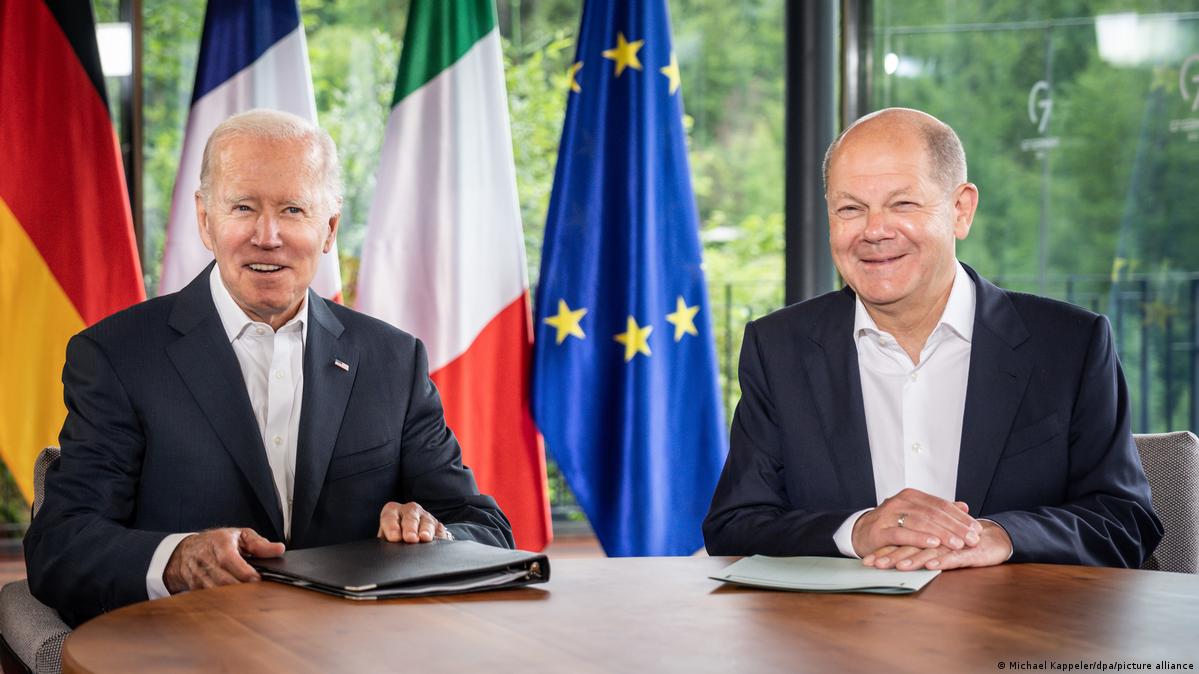
A senior European diplomat involved in transatlantic consultations summarized the current approach, saying,
“The real test of partnership is not agreement on every issue, but the ability to manage disagreement without losing trust.”
This single observation captures the pragmatic tone guiding discussions in Brussels.
The European Union Dimension
Germany’s bilateral engagement with Washington cannot be separated from its EU role. Berlin often acts as a conduit through which US priorities are discussed, debated, and adapted within European institutions.
As a result, Germany US relations increasingly operate within a dual framework, blending national diplomacy with EU-level coordination to prevent mixed signals and policy divergence.
Managing Differences on Global Issues
Differences remain on relations with China, approaches to Middle East diplomacy, and regulatory policy. Yet both sides emphasize dialogue over confrontation.
The resilience of Germany US relations lies in the capacity to compartmentalize disagreements while preserving cooperation on core strategic interests such as security, trade stability, and crisis management.
Risks of Strategic Drift
Policymakers warn that neglect carries tangible risks. Reduced engagement could weaken deterrence, unsettle markets, and invite external actors to exploit divisions within the transatlantic community.
This awareness underpins ongoing efforts to sustain momentum in Germany US relations, even amid competing priorities and political uncertainty.
Brussels as a Coordination Hub
Brussels has become the nerve center for aligning national, EU, and transatlantic strategies. High-level meetings, technical briefings, and informal consultations underline the seriousness of current discussions.
The prominence of Germany US relations in Brussels reflects recognition that effective transatlantic policy requires both bilateral trust and multilateral synchronization.
Implications for NATO and European Security
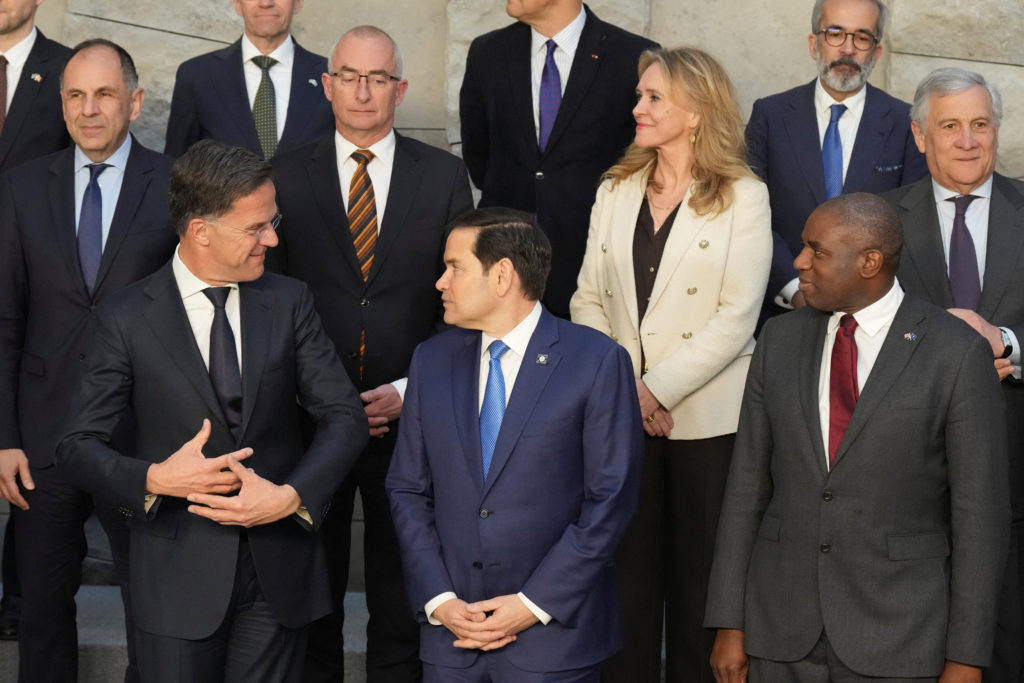
The bilateral relationship has direct implications for NATO’s credibility. Joint planning, interoperability, and deterrence posture depend heavily on alignment between Berlin and Washington.
Observers argue that strong Germany US relations reinforce alliance cohesion at a time when security challenges demand unity rather than fragmentation.
Economic Confidence and Market Signals
Markets closely monitor signals emerging from transatlantic engagement. Stable coordination between Germany and the United States reassures investors and reinforces confidence in global economic governance.
In this sense, Germany US relations function not only as a diplomatic channel but also as a signal to global markets about policy predictability.
The Broader Global Context
Beyond Europe and North America, the bilateral relationship influences how other regions interpret Western resolve. Allies and competitors alike assess alignment between Berlin and Washington when shaping their own strategies.
Strong Germany US relations therefore amplify Western influence, while visible strain risks undermining collective leverage.
Policy Delivery Versus Political Rhetoric
As 2026 progresses, attention is shifting from declarations to delivery. Defense investments, trade mechanisms, and joint initiatives will test the durability of renewed engagement.
The credibility of Germany US relations ultimately depends on whether commitments translate into measurable outcomes rather than remaining rhetorical.
The Road Ahead Through 2026
Looking ahead, policymakers anticipate continued engagement across multiple policy domains. Structured dialogue, institutional cooperation, and regular consultations are expected to remain central features of the relationship.
The trajectory of Germany US relations throughout 2026 will serve as a benchmark for the transatlantic community’s capacity to adapt to a rapidly changing global environment.
Beyond Partnership Toward Strategic Continuity
The current phase of engagement suggests a broader ambition than short-term alignment. It reflects an effort to embed cooperation in systems resilient to political change and external pressure.
In this broader perspective, Germany US relations represent not merely a bilateral partnership, but a strategic anchor for transatlantic continuity in an era defined by uncertainty and transition.