
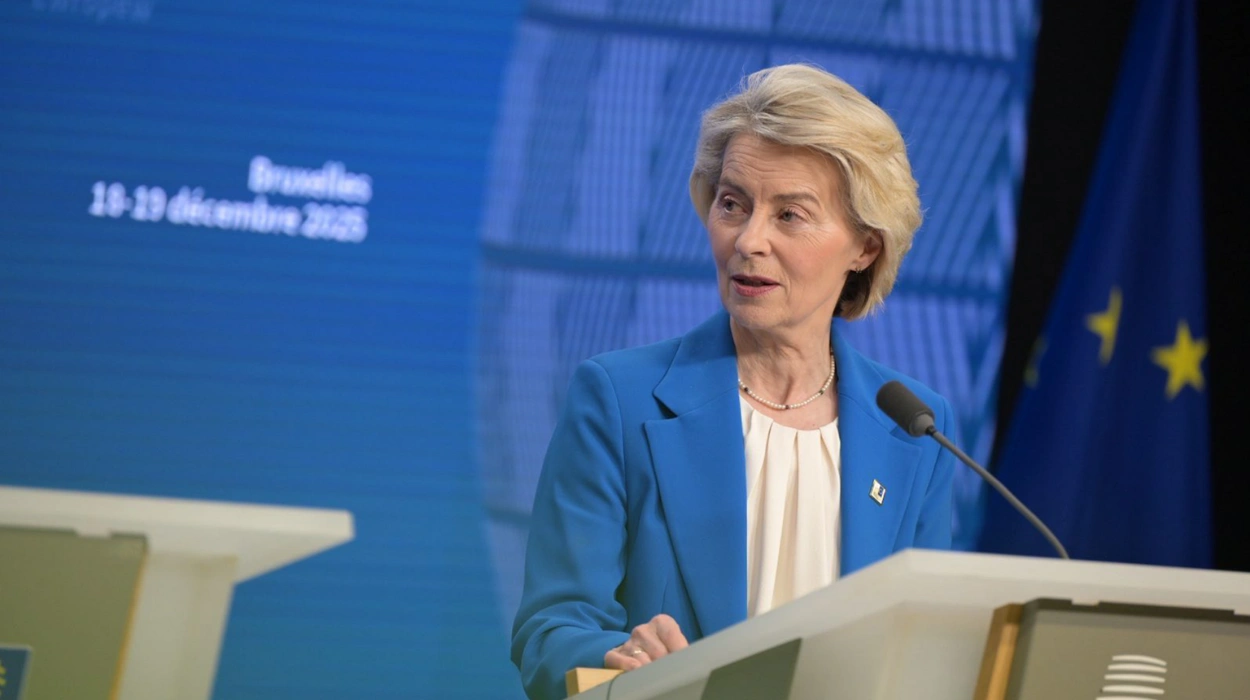
Brussels (Brussels Morning Newspaper) January 14, 2026 – The European Commission presented a proposal for a new financial instrument providing Ukraine with up to €90 billion in loans for 2026-2027. The package splits into €60 billion for military support and €30 billion for budget assistance, funded via EU borrowing. Disbursements could start in April 2026, with 24 of 27 Member States participating in enhanced cooperation.
The European Commission adopted legal proposals on January 13, 2026, to deliver a €90 billion loan for Ukraine’s financial needs in 2026 and 2027. This follows the European Council’s December agreement to provide stable funding amid Russia’s ongoing war of aggression. The support addresses military and budgetary requirements, ensuring Ukraine maintains defence capabilities and public services.
European Commission President Ursula von der Leyen announced the proposals, emphasising Europe’s commitment to Ukraine’s security and prosperity. The instrument operates through enhanced cooperation involving 24 Member States. Funds will be raised by the EU on international capital markets, backed by the EU budget reserve.
Breakdown of the €90 Billion Financial Package
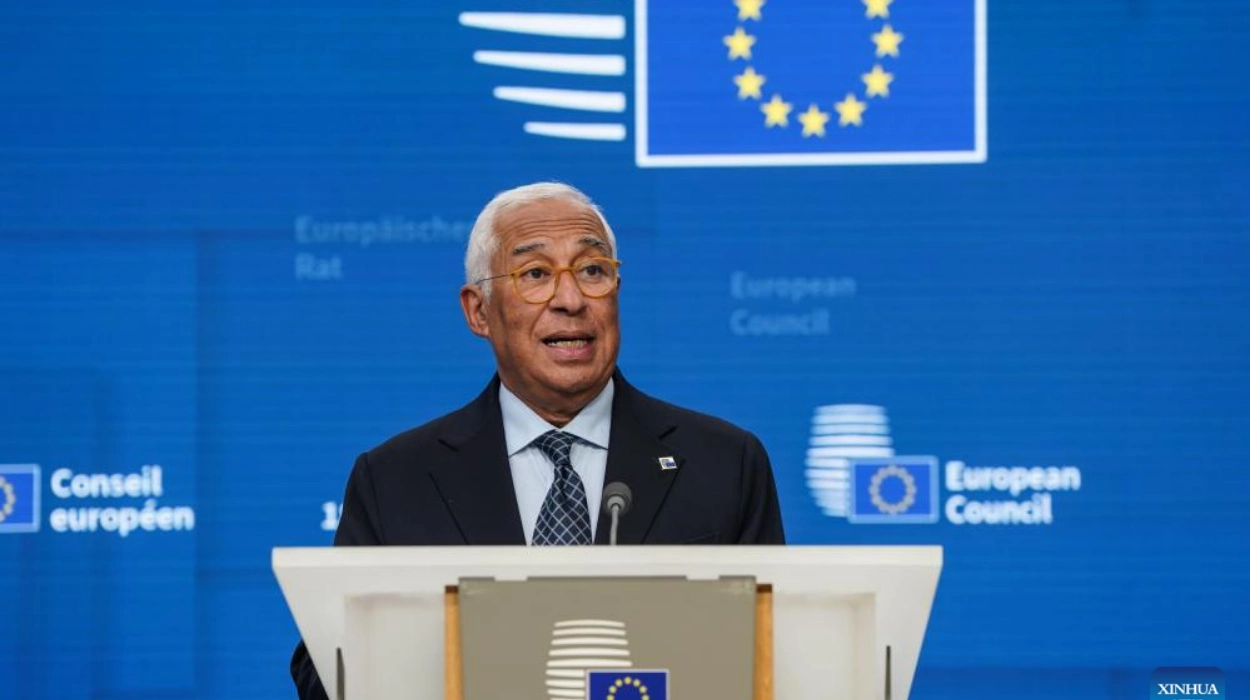
The proposed loan allocates two-thirds, or €60 billion, to military assistance. This portion enables Ukraine to purchase equipment primarily from EU, EEA, and EFTA countries. Exceptions allow acquisitions from outside the region if necessary equipment is unavailable timely manner within Europe.
The remaining one-third, €30 billion, supports Ukraine’s general budget. These funds sustain state functions, public services, and reforms aligned with EU accession. Budget support conditions include commitments to democratic processes, rule of law, and anti-corruption measures.
The package ensures macroeconomic stability, finances defence needs, and supports wartime economic resilience. Ukraine’s Finance Minister Serhii Marchenko welcomed the proposal, noting its role in state budget continuity and IMF programme alignment.
Funding Mechanism and Repayment Terms
Financing occurs through EU bonds issued on capital markets, with obligations guaranteed by the EU budgetary reserve. This mirrors previous mechanisms like the Ukraine Facility, which provided up to €50 billion from 2024-2027 combining loans and grants.
Repayment links to Russian reparations; Ukraine faces no repayment until Russia pays, with immobilised Russian assets remaining in place. A parallel Reparations Loan proposal reinforces this approach.
Enhanced cooperation excludes three Member States, but proceeds with 24 participants. The Commission anticipates first disbursements in April 2026, pending European Parliament and Council approval.
Strategic Objectives and Conditions Attached
Military funds prioritise European defence integration, strengthening Ukraine’s capabilities and the EU’s industrial base. Budget support advances reforms in public administration, rule of law, and anti-corruption, supporting EU candidacy.
The instrument underscores EU solidarity since Russia’s full-scale invasion on February 24, 2022. It aligns with Ukraine’s IMF request for a 2026-2029 programme, requiring partner guarantees.
Conditions remain non-negotiable: strong democratic mechanisms, human rights protection, and minority rights. Quarterly payments depend on verified fulfilment of reform and investment plans.
Background on Prior EU Assistance to Ukraine
The Ukraine Facility, launched for 2024-2027, mobilised €50 billion for recovery, reconstruction, and modernisation. By August 2025, it disbursed over €22.7 billion, including €3 billion in the fourth payment.
Additional measures include €18 billion in Macro-Financial Assistance (MFA) and a €45 billion G7 loan cooperation mechanism funded by Russian asset revenues. The EU Investment Framework, with €9.3 billion in guarantees, aims to mobilise €40 billion in investments.
Since 2022, the EU and Member States provided unprecedented financial, economic, humanitarian, and military aid. Disbursements under the Facility reached €31.3 billion by recent reports.
Next Steps in the Approval Process
The proposals now undergo consultations in the Council of the European Union among Member States. The European Parliament will consider them for alignment and final parameters.
The Commission urges swift agreement to enable Q2 2026 disbursements. Annual European Council debates and quarterly dialogues with Parliament will monitor implementation.
A 2026 review may occur within the next Multiannual Financial Framework context. An Audit Board will assess Ukraine’s systems and conduct on-ground checks.
Divisions and Discussions on Aid Allocation
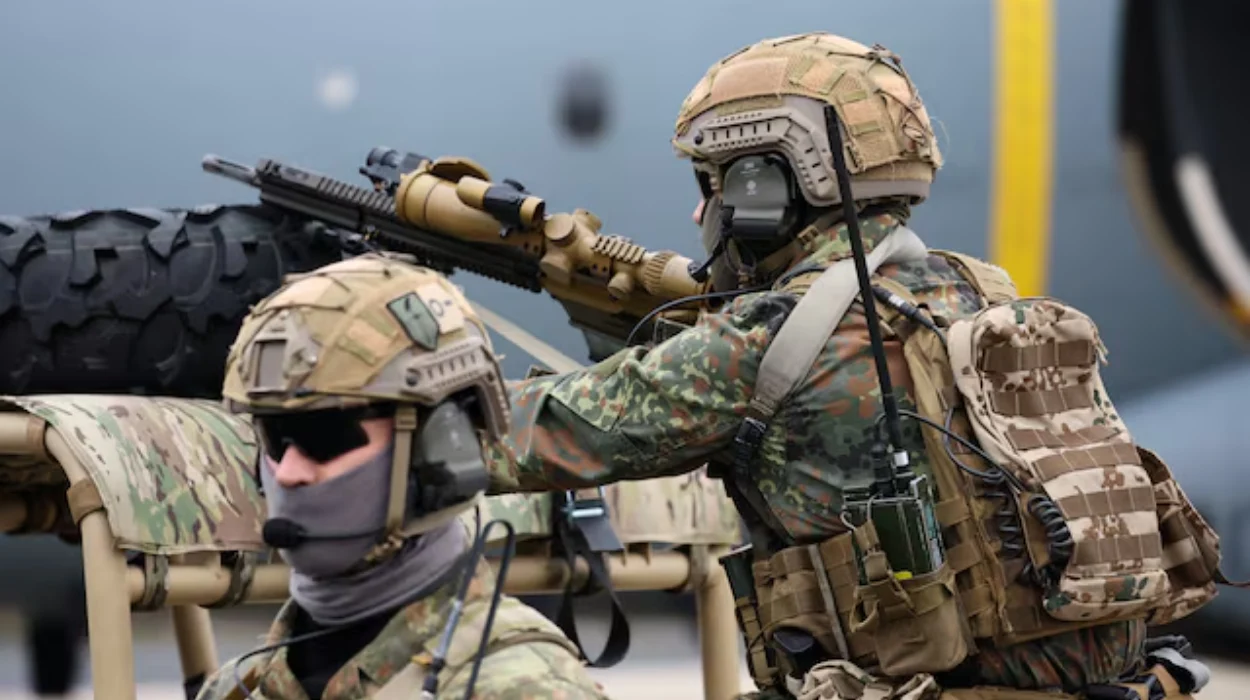
Reports indicate divisions over military spending, with Germany and the Netherlands supporting US weapon purchases using the loan, while France prioritises European manufacturers. The cascading principle allows non-EU buys only if unavailable locally.
EU leaders confirmed readiness post-December 18-19 European Council meeting. The package builds on asset immobilisation decisions from the prior week. Ukraine’s request aligns with broader international cooperation, including G7 efforts.