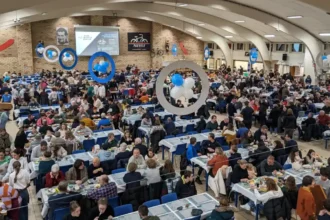
Halle (Brussels Morning Newspaper) January 13, 2026 – The Don Bosco School in Halle hosts Belgium’s largest sausage fair this weekend over three days. Organisers expect around 8,000 diners. Teachers and students prepare 6,000 sausages, 4,000 cheese croquettes, and nearly 2 tons of fries.
- Extensive Menu Preparations for Massive Attendance
- Expected Footfall and Event Duration
- School Community Involvement in Fundraising Tradition
- Comparison to Other Notable Belgian Food Fairs
- Logistical Challenges of Large-Scale Food Production
- Historical Context of Don Bosco Halle Events
- Broader Impact on Local Economy and Community
- Visitor Expectations and Practical Information
The event takes place at the school’s facilities in Halle, Flemish Brabant—volunteers from the technical secondary school handle preparation and service. The fair draws crowds from across the country for its scale and variety.
Past editions, including the tripe fair marking its 60th anniversary, highlight community involvement. Similar fundraising events feature local menus and family activities.
Extensive Menu Preparations for Massive Attendance
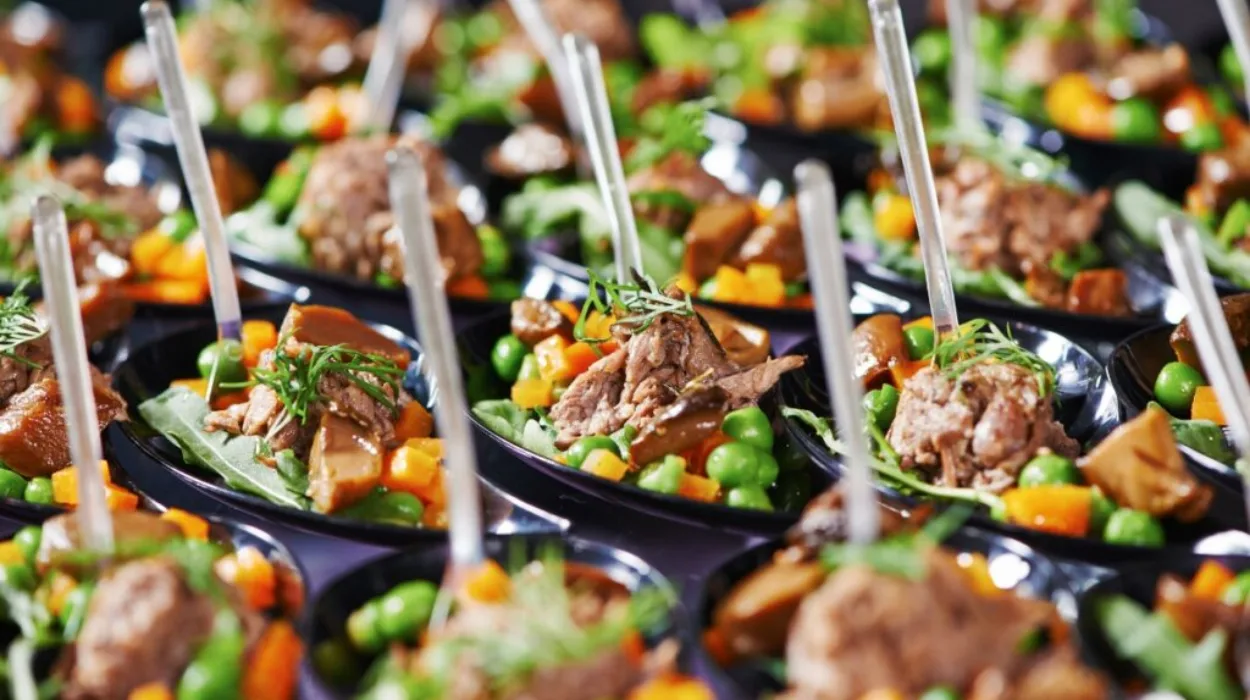
Teams produce 6,000 sausages for the weekend. Additional items include 4,000 cheese croquettes. Fries total almost 2 tons, serving thousands of portions.
Students and teachers manage cooking stations. The menu centres on traditional Flemish dishes with sausages as the highlight. Diners arrive across lunch and dinner shifts over Friday to Sunday.
Logistics involve bulk purchasing and on-site frying. The school kitchen and outdoor grills accommodate high volume.
Expected Footfall and Event Duration
Around 8,000 people attend over three days. Crowds peak during evenings and weekends. The fair operates from morning to late evening each day.
Families, locals, and visitors from nearby regions participate. Admission remains free, with proceeds supporting school initiatives.
School Community Involvement in Fundraising Tradition
Don Bosco Halle, a STEM-focused technical institute, organises the fair annually. Staff and pupils contribute labour and skills. The sausage fair ranks as the nation’s largest by volume. It builds on traditions like the school’s tripe fair, now in its 60th year.
Events foster community ties and generate funds for education. Volunteers gain practical experience in hospitality and event management.
Comparison to Other Notable Belgian Food Fairs
Belgium hosts various sausage and meat festivals, but Don Bosco claims the top spot for sausage quantity. Regensburg’s historic spot in Germany serves 6,000 daily, providing an international context.
Local fairs in Hungary and Romania feature similar street food scales. Halle’s event emphasises school-based organisation.
Logistical Challenges of Large-Scale Food Production
Preparing 6,000 sausages requires precise timing. Cheese croquettes demand battering and frying setups. Two tons of fries involve potato peeling and multiple deep fryers. [query]
Safety protocols cover food handling and fire prevention. The school coordinates waste management for thousands of plates. Weather provisions include tents for outdoor areas. Parking accommodates hundreds of vehicles.
Historical Context of Don Bosco Halle Events
The school maintains a calendar of public events like JobExpo and Dag van Don Bosco. Food fairs form a staple tradition. Tripe fair celebrates 60 years with diverse offerings. Sausage fair expands on this model.
Broader Impact on Local Economy and Community
The fair boosts local suppliers for ingredients. Diners patronise nearby businesses. Proceeds fund school projects, equipment, and student activities. Community participation strengthens school ties.
Visitor Expectations and Practical Information
Attendees enjoy sit-down and takeaway options. Popular items sell out quickly. The event promotes Flemish culinary heritage through sausages. Families find it suitable for all ages. The Don Bosco Halle website provides updates. Contact details available for inquiries.