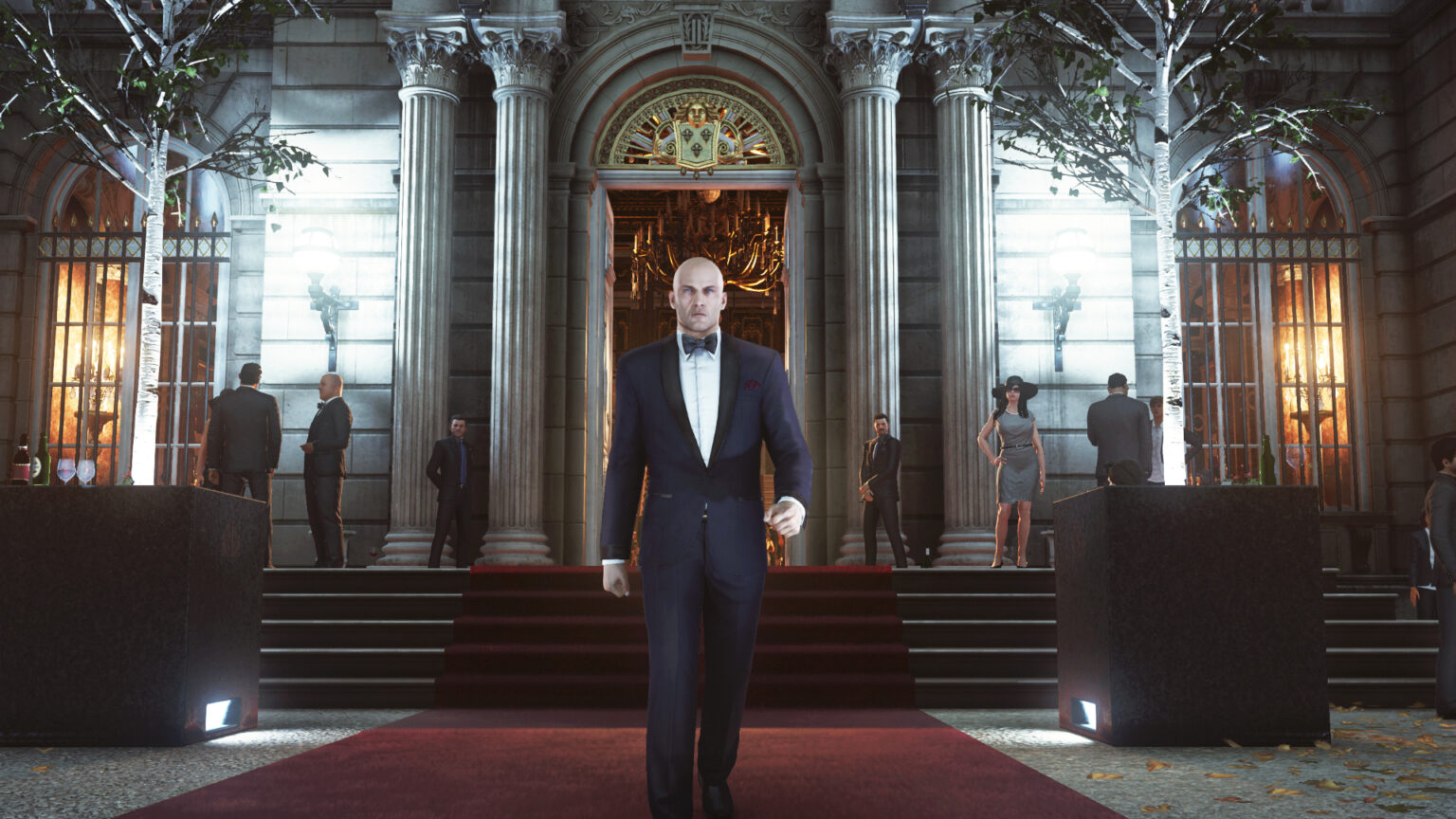
Brussel Morning coverage of interactive media trends highlights how cinematic game design has become a defining force in modern video games, with 007 First Light emerging as a high profile example of this evolution. Developed by IO Interactive, the upcoming James Bond title places storytelling, performance, and emotional realism at the center of its experience, signaling a shift away from purely action driven gameplay.
At its core, 007 First Light demonstrates how cinematic game design can transform familiar characters into believable, emotionally grounded personalities. Rather than relying solely on spectacle, the game aims to immerse players in a living Bond universe shaped by narrative depth and human connection.
The Rise of Cinematic Game Design
Cinematic game design has grown steadily over the past decade as technology and player expectations have evolved. Modern audiences increasingly expect games to deliver emotional engagement comparable to film and television, while retaining interactivity.
This approach emphasizes character development, narrative pacing, and visual storytelling. In 007 First Light, cinematic game design is not a secondary layer but the foundation upon which gameplay mechanics and mission structure are built.
A New Vision for James Bond
James Bond has long been associated with fast paced action, gadgets, and exotic locations. While those elements remain, 007 First Light uses cinematic game design to explore Bond as a character rather than just an icon.
Players encounter a younger, less polished version of Bond, allowing growth to occur organically throughout the story. This narrative choice gives emotional weight to missions and interactions, reinforcing the idea that character evolution is just as important as combat or stealth.
Character First Development Philosophy
The development team behind 007 First Light adopted a character first philosophy rooted in cinematic game design. Instead of designing mechanics in isolation, developers shaped gameplay around Bond’s personality, emotional state, and evolving confidence.
This approach ensures that animations, dialogue timing, and mission objectives reflect who Bond is at each stage of the story. Supporting characters receive the same level of attention, making interactions feel authentic rather than functional.
Performance Capture and Realism
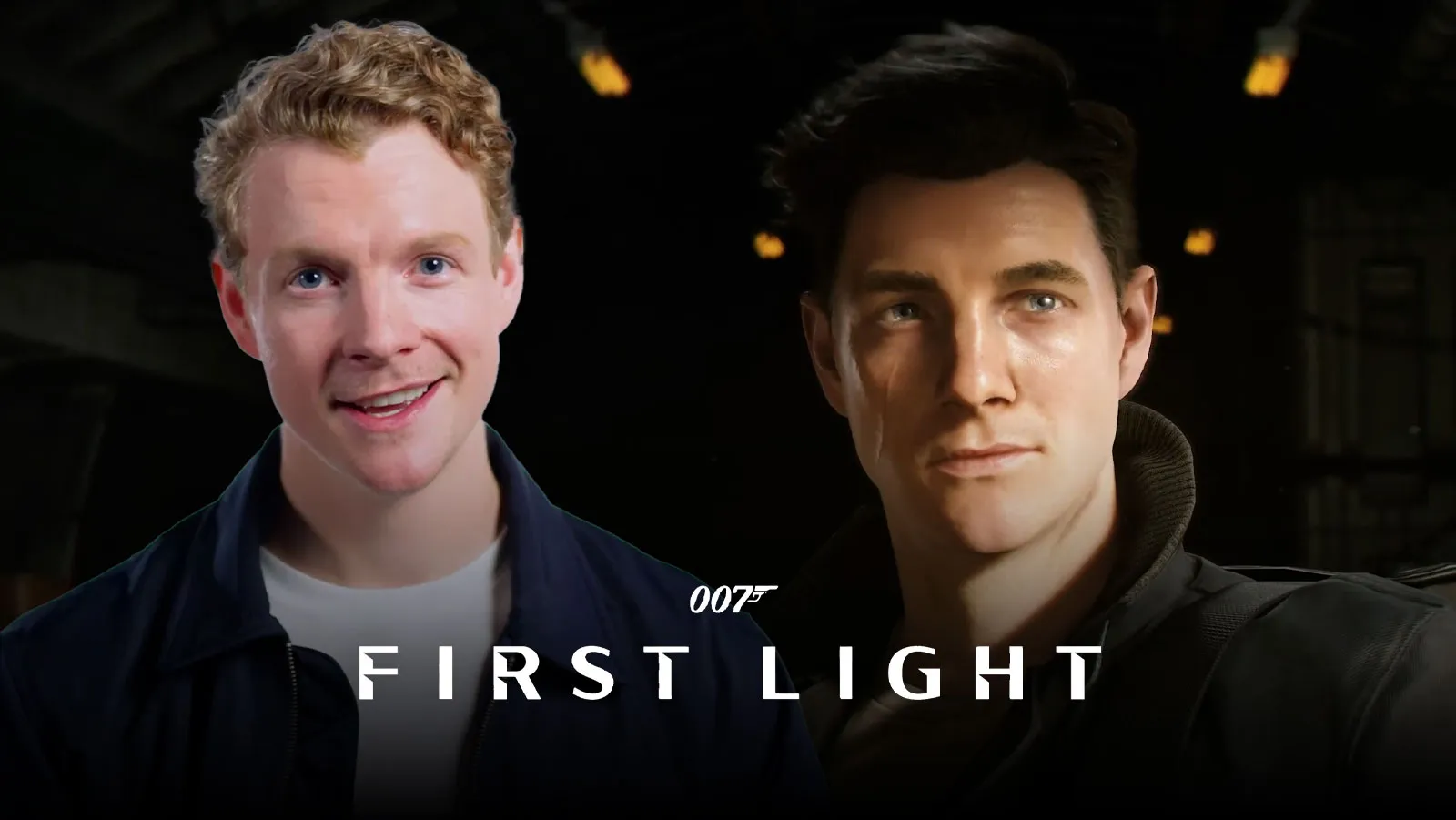
One of the clearest examples of cinematic game design in 007 First Light is the extensive use of performance capture. Actors provided voice, body movement, and facial expressions simultaneously, allowing subtle emotions to translate naturally into the digital world.
Developers focused heavily on micro expressions such as hesitation, determination, and doubt. These details help scenes feel grounded and human, strengthening player connection to the characters.

Writing That Serves the Player Experience
Cinematic game design relies heavily on strong writing, and 007 First Light is no exception. Dialogue is crafted to sound natural and purposeful, avoiding exaggerated tropes often associated with action franchises.
Writers balanced classic Bond traits like intelligence and confidence with vulnerability and growth. Conversations reveal character motivations gradually, ensuring emotional moments feel earned rather than forced.
Environmental Storytelling as Narrative Tool
Beyond dialogue, cinematic game design in 007 First Light extends to environmental storytelling. Locations are designed to reflect narrative tone and character psychology, offering visual cues that enhance immersion.
Safe houses, interrogation rooms, and international settings all communicate mood and stakes through lighting, layout, and detail. Players absorb story elements through observation, reinforcing narrative depth without interrupting gameplay.
Player Choice and Narrative Consequences
Another key element of cinematic game design is meaningful player choice. 007 First Light allows decisions to influence character relationships and story outcomes, reinforcing the idea that player actions matter.
Some consequences unfold later in the narrative, encouraging players to think beyond immediate rewards. This delayed impact strengthens emotional investment and mirrors real world cause and effect.
Supporting Characters With Purpose
Cinematic game design ensures that Bond is not the only fully realized character. Allies, rivals, and antagonists in 007 First Light are written with clear motivations and personal stakes.
Rather than simple villains, opposing characters are portrayed with complexity, making conflicts feel personal and morally layered. This depth elevates the narrative beyond traditional good versus evil storytelling.
Seamless Integration of Gameplay and Cinematics
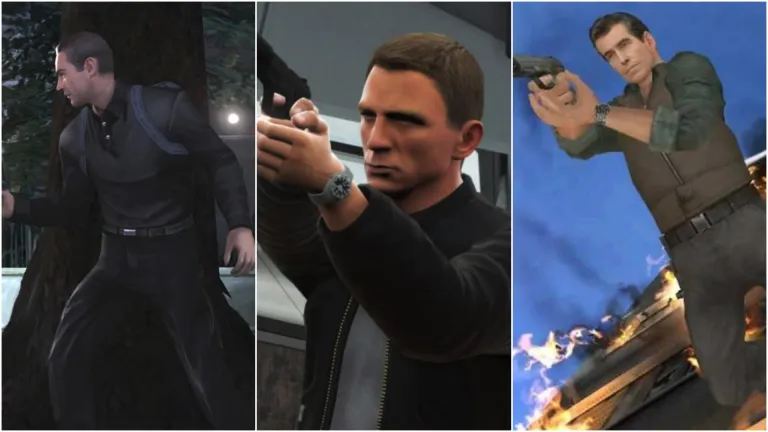
One of the challenges of cinematic game design is maintaining player immersion during cutscenes. 007 First Light addresses this through seamless transitions between gameplay and cinematic moments.
Camera movement, lighting, and pacing borrow heavily from film techniques while preserving player agency. The result is a fluid experience where story and gameplay reinforce each other rather than compete.
Sound Design and Emotional Impact
Sound plays a critical role in cinematic game design. In 007 First Light, voice direction emphasizes restraint and realism, avoiding overly dramatic delivery.
Music and ambient sound are used selectively to enhance emotional moments without overwhelming dialogue. This balance helps maintain authenticity and emotional resonance.
Technology Supporting Storytelling
Advanced technology underpins 007 First Light, but it is always in service of cinematic game design rather than spectacle. Lighting systems emphasize facial detail during conversations, while animation blending ensures smooth, realistic movement.
Every technical decision supports narrative clarity and character believability, reinforcing immersion rather than distracting from it.
Industry Implications
The emphasis on cinematic game design in 007 First Light reflects a broader industry shift toward narrative driven experiences. Players increasingly seek stories that resonate emotionally, alongside refined gameplay mechanics.
Industry analysts view the game as part of a growing trend where character authenticity and storytelling depth define long term success more than visual spectacle alone.
Audience Expectations and Early Reception
Early previews and industry reactions suggest strong interest in how cinematic game design shapes 007 First Light. Fans of James Bond and narrative games alike have responded positively to the focus on realism and character depth.
The approach appears poised to attract both longtime franchise followers and players new to the Bond universe.
The Future of Cinematic Game Design
If successful, 007 First Light could influence future licensed titles and action games more broadly. Developers may increasingly adopt cinematic game design principles to deliver richer, more emotionally engaging experiences.
This shift could redefine how iconic characters are adapted for interactive media, prioritizing depth and authenticity over formulaic design.
Why Cinematic Game Design Matters
Cinematic game design represents more than a stylistic choice. It reflects changing expectations about what games can achieve as storytelling mediums.
By blending narrative, performance, and interactivity, games like 007 First Light demonstrate how digital experiences can rival film and television in emotional impact while offering unique player agency.
Cinematic game design sits at the heart of 007 First Light, shaping everything from character development to mission structure. Through performance capture, thoughtful writing, environmental storytelling, and meaningful player choice, the game brings James Bond into a more human and immersive space.
As the industry continues to evolve, 007 First Light stands as a strong example of how cinematic game design can elevate iconic franchises and redefine player expectations.