

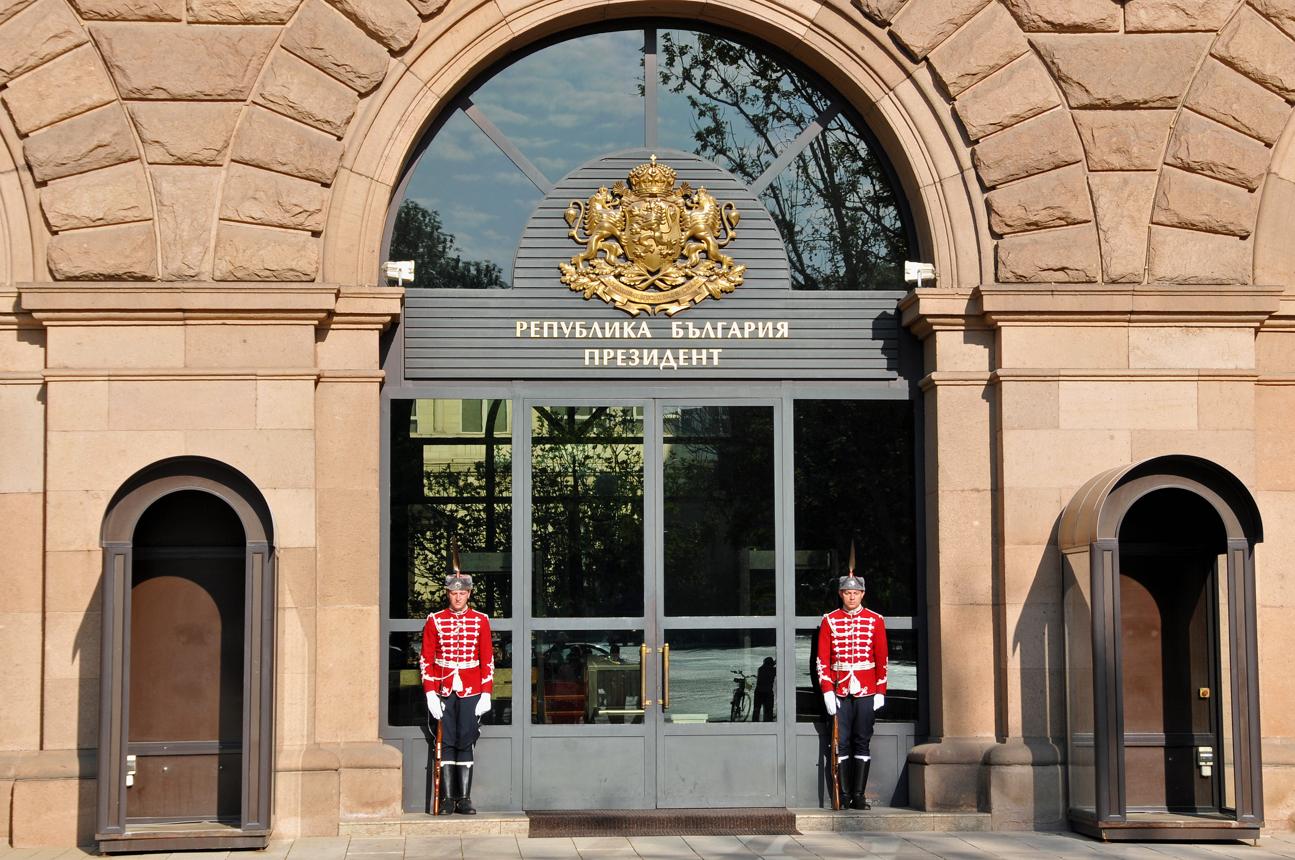
SOFIA, Bulgaria, 25 October, (Brussels Morning Newspaper) – Bulgaria’s presidential vote is under way as millions of eligible citizens choose their next head of state amid growing concerns over Black Sea security, economic pressures and the country’s relationship with Russia and the European Union.
Polling stations opened at 7am on Sunday, with 27 presidential and vice-presidential candidate pairs competing for five-year terms. The election comes as Russia’s war in Ukraine increasingly affects maritime security near Bulgaria’s coastline.
Bulgaria’s Presidential Election Draws 27 Candidate Pairs
According to Bulgaria’s Central Election Commission, approximately 6.59 million citizens are eligible to participate, including around 46,000 first-time voters.
Polling stations are scheduled to close at 8pm local time. Electronic voting machines are available at more than three-quarters of polling stations, while paper ballots remain in use.
Bulgarians living overseas can also participate through 613 polling stations across 60 countries, including 82 in the United Kingdom, 78 in Türkiye and 70 in Germany.
Video surveillance will be used during ballot counting and the completion of election records to support transparency.
Iliana Iotova and Andrey Gyurov Lead Presidential Race
Incumbent President Iliana Iotova and former caretaker Prime Minister Andrey Gyurov are the two leading candidates identified in pre-election polling.
Iotova, supported by Prime Minister Rumen Radev’s Progressive Bulgaria party, has advocated a diplomatic settlement to Russia’s war in Ukraine.
Gyurov, backed by pro-Western reformist parties, has supported closer cooperation with European partners and continued assistance to Ukraine.
Speaking at a campaign rally on Thursday, Gyurov said:
“I want Bulgaria to have a voice of its own in Europe.”
The statement reflected his emphasis on Bulgaria’s role within NATO and European security arrangements.
Black Sea Drone Attacks Raise Security Concerns
The Bulgaria presidential vote follows a series of drone attacks against commercial vessels near the country’s Black Sea coast.
The incidents have raised concerns about maritime security and the potential consequences of the conflict in neighbouring Ukraine.
Bulgarian authorities have sought assistance from international partners to strengthen maritime protection.
Prime Minister Rumen Radev said the outcome of the attacks benefited Russia, although Bulgaria has not directly accused Moscow of carrying them out.
The security situation has become an important election issue alongside inflation, rising energy costs and household financial pressures.
Why Bulgaria’s Election Matters to Brussels and the EU
Bulgaria is a member of both the European Union and NATO, making its political direction relevant to European security discussions.
Although the presidency is largely ceremonial, the office carries constitutional responsibilities involving the armed forces, diplomatic appointments and legislative vetoes.
The election also provides an early political test for Radev’s government following the parliamentary elections in April.
For policymakers in Brussels, the outcome will help clarify the position of Bulgaria’s next president on European cooperation, defence and relations with Russia.
The result will not independently determine government policy, which remains subject to Bulgaria’s parliamentary system.
What Happens Next in Bulgaria’s Presidential Election?
Under Bulgarian electoral rules, a candidate must receive more than half of valid votes, with turnout exceeding 50% of eligible voters, to win in the first round.
If either condition is not met, the two leading candidates will contest a second round on 1 November.
The National Assembly confirmed the election timetable in July, while the Central Election Commission is responsible for administering the process.
Initial results are expected after polling stations close, with the official count determining whether another round is necessary.
The outcome of Sunday’s ballot will therefore be closely followed in Sofia, Brussels and other European capitals as Bulgaria prepares to choose its next president.